A school roof repair has to fit the building calendar as well as the roof condition. A loose curb flashing over an occupied classroom may be urgent, while broader insulation work could fit a holiday or summer window. We inspect roof zones, trace leaks to their entry points, and identify which tasks can be isolated. The written scope gives facilities staff a sequence they can compare with classroom use, events, and equipment access.
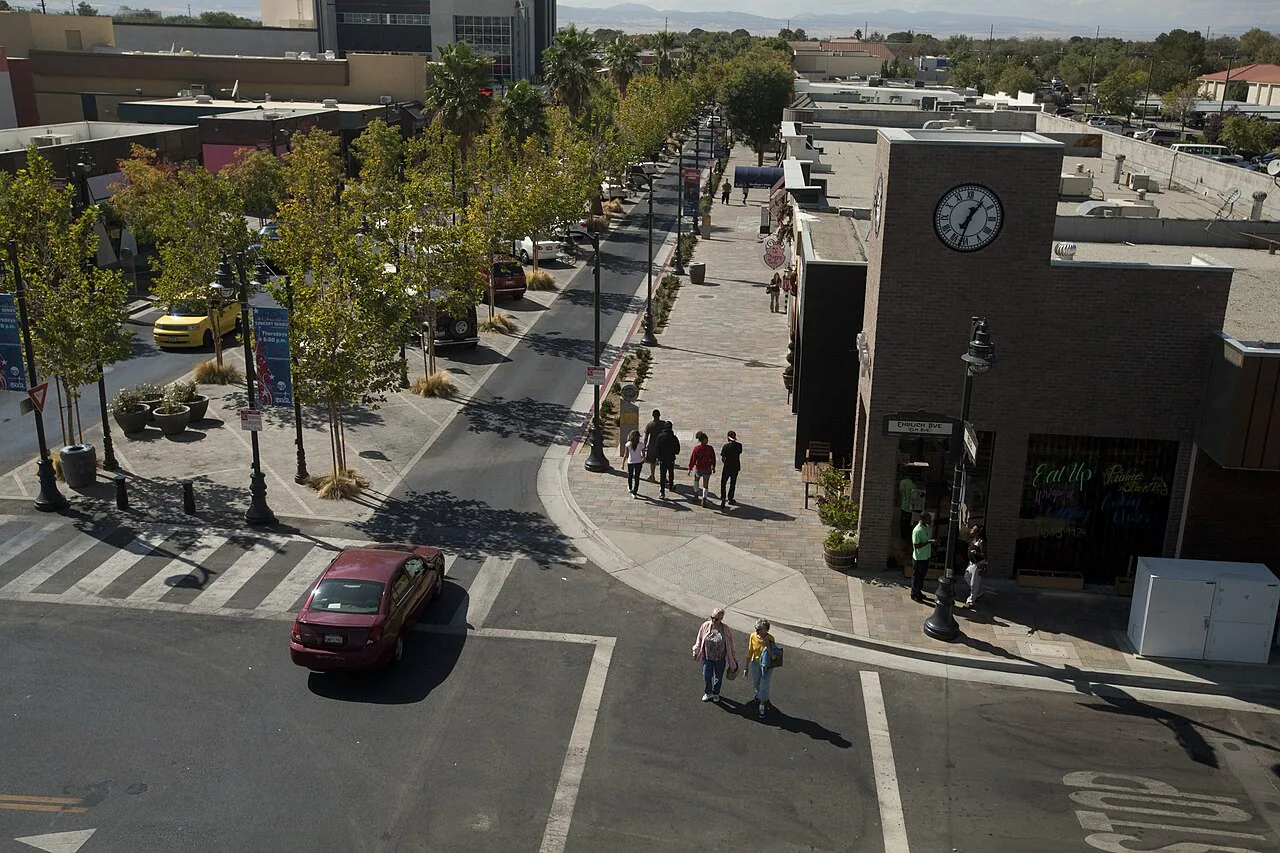
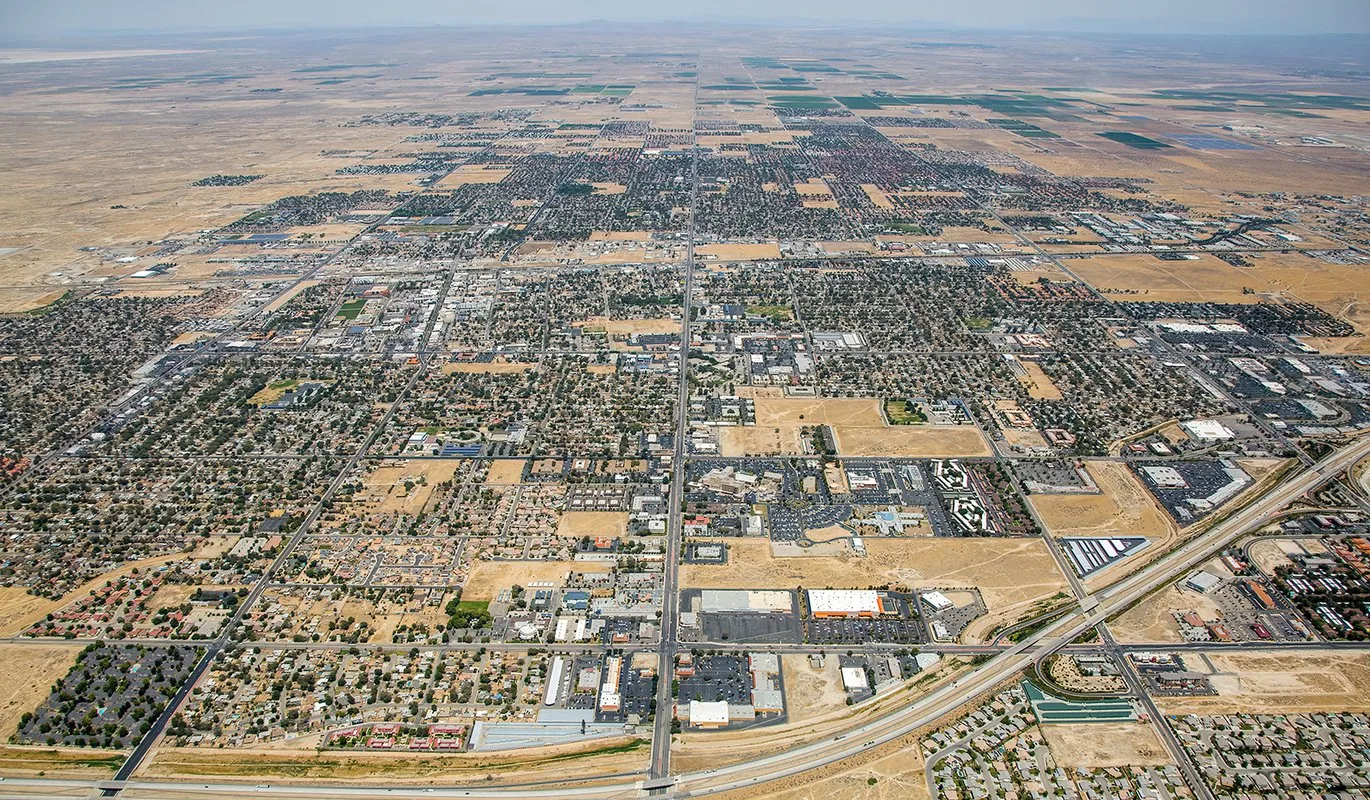
Lancaster's planning inventory includes Lancaster Business Park and the Amargosa Creek planning area, with commercial, office, and industrial uses nearby. Those areas frame the community served by local schools, while each roof's construction and condition needs direct inspection. The market's hot summers and winter rain pattern also make seams, roof drains, and classroom ceiling reports useful points for the assessment.
Fit Roof Work to the School Calendar
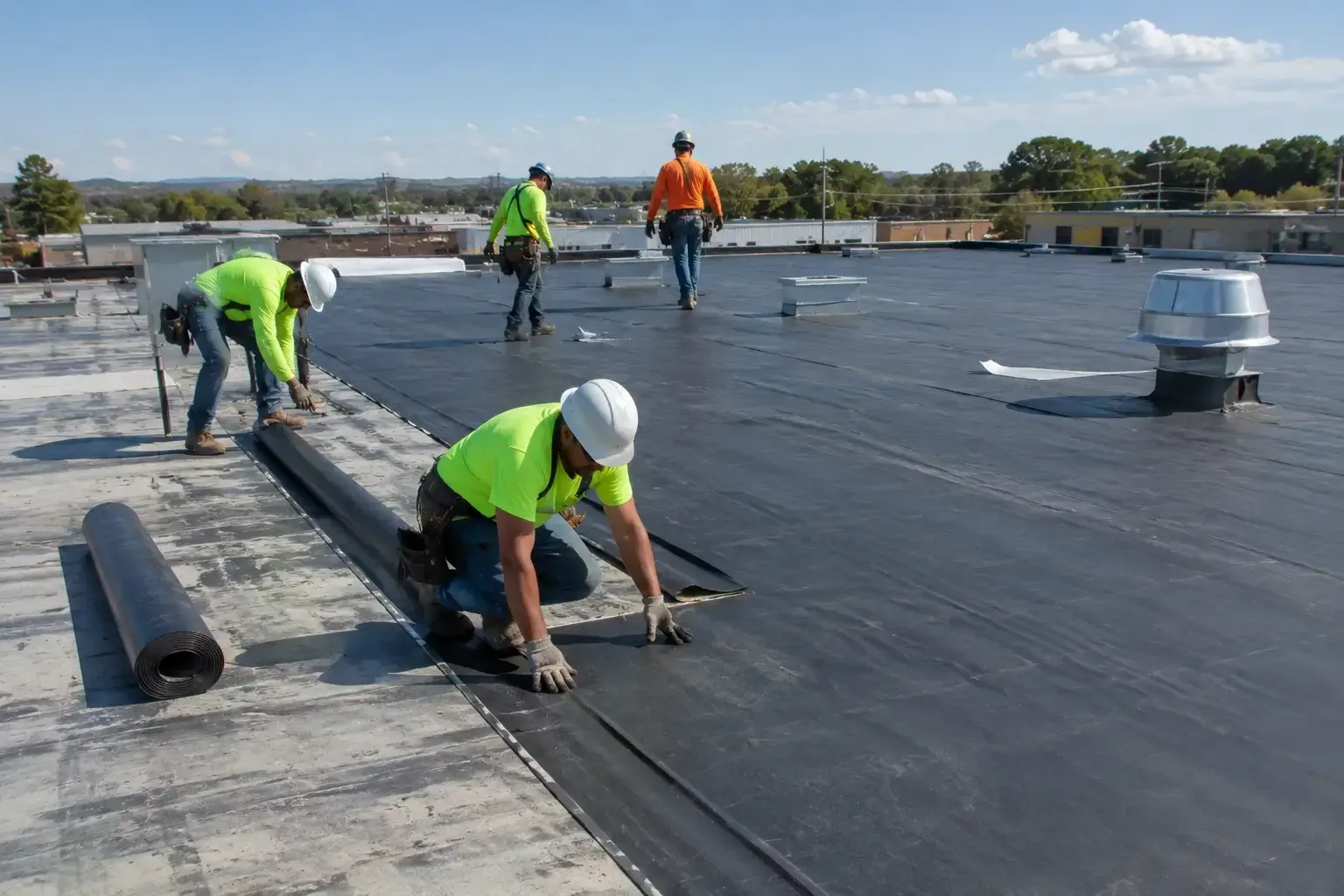
We begin by locating roof hatches, classroom wings, entrances, play areas, and rooms below the suspected leak. If the school is occupied, the site contact can help set crew access, material staging, and any routes that must stay clear. Short repairs may be completed during a school day when noise and interior protection are manageable. A larger opening or reroof can be divided by wing or scheduled when fewer rooms are in use.
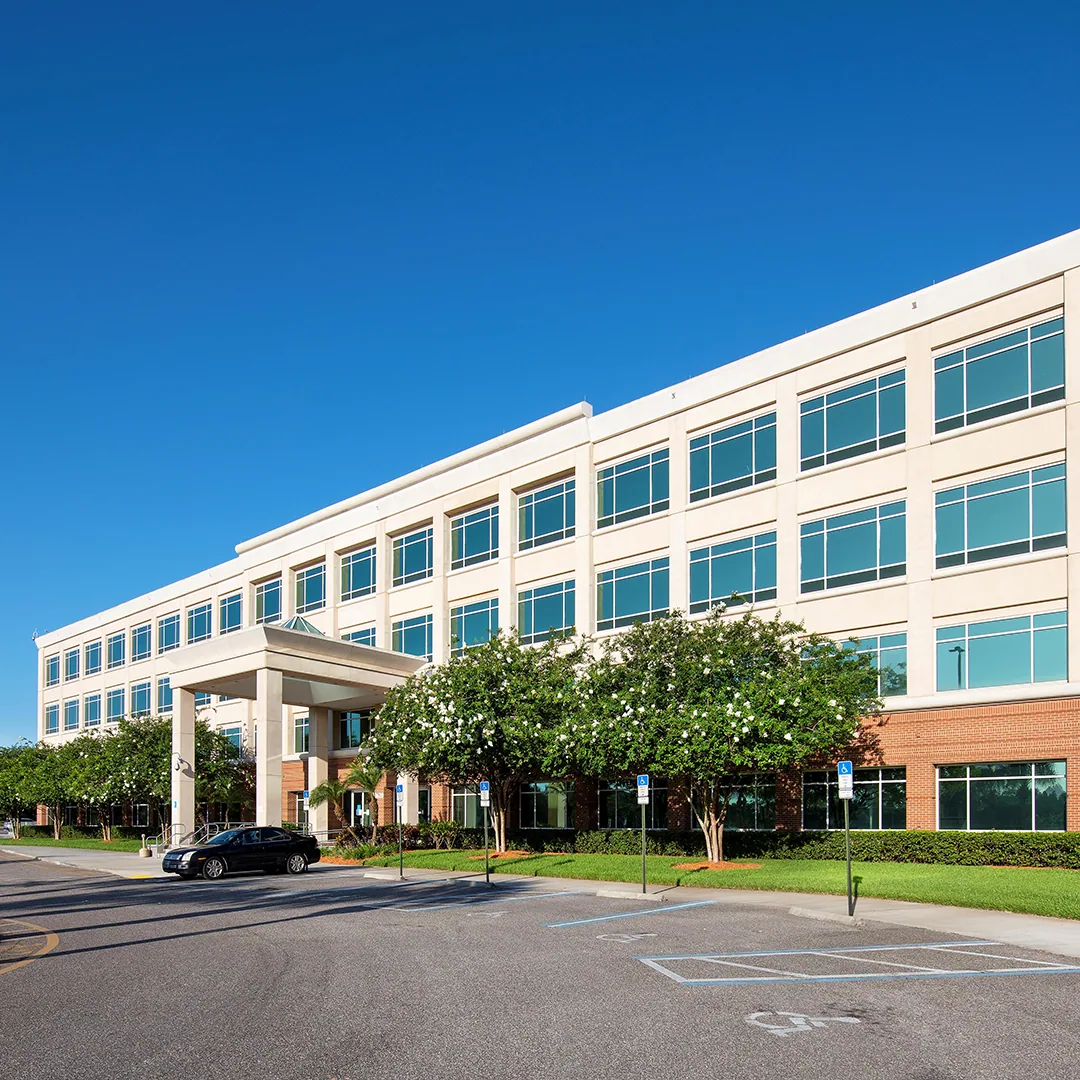
Some school roofs include portable classrooms, covered walkways, kitchens, gymnasiums, and administrative spaces on one property. Those structures may have different heights and drainage details, so one leak route can cross several roof planes. We map transitions between them and mark any condition near a student route or entrance. Occupied-building roofing work can specify barriers and communication, while college and university roofs may have different access and scheduling patterns.
Trace Leaks Across Classroom and Gym Roofs
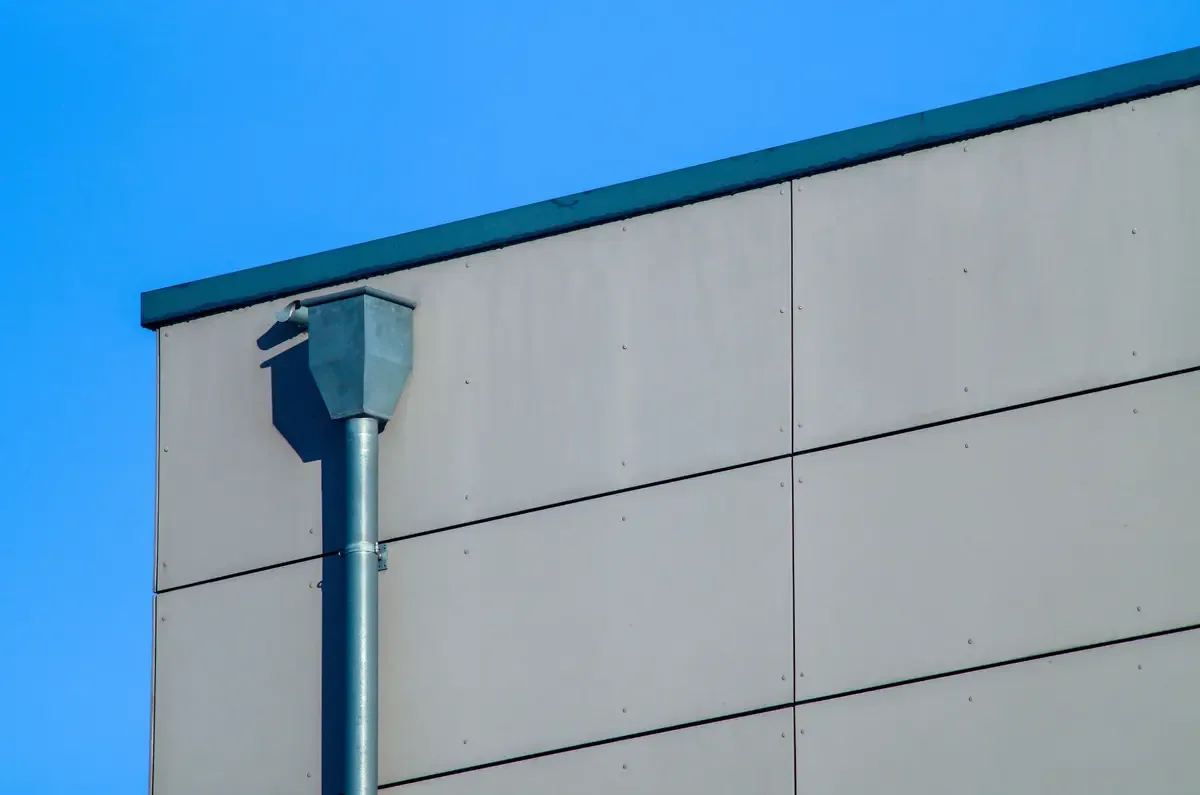
A ceiling stain may appear far from a roof drain, parapet, or open seam. We check the slope and water path, then inspect drain bowls, overflow scuppers, wall joints, rooftop units, and prior patches. A gymnasium roof can include long spans and high-mounted equipment, while a classroom wing may have a separate membrane or lower roof tie-in. The report keeps those assemblies distinct so a repair on one section does not get assumed to solve another.
At Fox Field, the 6.81-inch precipitation normal is concentrated in the cooler months, with November through March accounting for most of the annual total. A clogged outlet or debris-covered low point can leave water against seams during a winter storm. A drain and scupper repair can restore discharge, and a roof inspection with photos can record the surrounding laps and flashing. If the same area remains damp below the surface, physical testing can establish whether insulation is wet.
Inspect Curbs, Roof Edges, and Service Routes
Packaged HVAC units, exhaust fans, plumbing vents, and electrical conduit interrupt the roof membrane. We inspect curb corners, pipe boots, edge metal, sealant, and equipment supports for separation or movement. School maintenance teams may schedule a unit replacement during break; if roofing is part of that work, the proposal should define who removes each curb and who seals the new flashing. Abandoned penetrations should also be closed to match the membrane.
Hot summer conditions repeatedly heat exposed seams and metal. The Fox Field station's August normal high is 97.8 degrees. After sustained summer heat, we check for lifted laps and cracked sealant where materials meet, then determine whether the issue repeats across the roof. An equipment curb inspection can give the school district a repair list before new HVAC equipment is set.
Verify Damage Before Opening Classroom Ceilings
Water can travel through the assembly before it reaches a ceiling tile, so replacing interior finishes alone will not stop the source. We compare the room report with roof seams and transitions, then select test cuts if readings or surface conditions suggest concealed moisture. Those openings show the insulation and deck at sampled points. The findings identify material that must be removed and locations where the assembly remains untested.
Before a test or repair, we identify the room below and agree on protection with school staff. If furniture, computers, or classroom materials need to be moved or covered, the scope sets that out before the roof is opened. Infrared readings may help select test locations when conditions allow meaningful measurements. The physical test verifies what can be removed and replaced without widening the project beyond the evidence.
Compare Immediate Repairs With Capital Work
A repair can be suitable when the membrane is stable around one leak path and the substrate is sound. Recover work may fit if existing layers are dry, secure, and compatible with the new attachment. Widespread saturation, failed seams across multiple zones, or a deteriorated deck can move the project toward replacement. We inspect representative areas and explain the boundaries for each choice so the school can match costs and timing to the condition found.
For a district, several buildings can require work in the same summer window. A replacement evaluation can sequence roofs by need and access, while a maintenance plan can record drains, curbs, and repair history between projects. We identify any temporary roof tie-in at the end of each phase and include photos of what remains for later attention.
Leave Staff With a Usable Roof Record
Closeout should help a facilities director explain what was fixed and where follow-up is needed. We provide dated photos, marked roof zones, drain and penetration findings, repairs completed, and test locations. A future service call can start from those records instead of reopening the entire roof history. If an active leak threatens rooms during a weekend or school break, emergency response is available around the clock, holidays included.
Regional places such as Lancaster Business Park and Amargosa Creek include different building uses, but the district's roof record should remain tied to each campus building and assembly. We note when seasonal inspection is useful and whether later mechanical work changed a curb. These details let staff coordinate routine maintenance with capital plans while keeping repairs grounded in the condition verified on each roof. If an administrative office shares roof access with classrooms, an office roof plan can help map how the connected sections should be serviced.
Commercial Roofing Questions
Can a school roof be repaired while classes are in session?
A contained repair may fit during the school day when access, noise, and interior protection are controlled. We identify rooms and student routes below the work, then coordinate the schedule and any temporary restrictions with facilities staff.
What roof issues should be handled before summer break ends?
We prioritize active leaks, open flashings, blocked drains, and conditions that could worsen during the rainy season. Inspection findings can separate urgent repairs from larger work that needs a later budget or design window.
How can school staff tell whether roof insulation is wet?
Interior stains provide a clue but do not show the full boundary. We compare the roof-side condition and use test openings where needed; those samples confirm the layers and deck at the selected points.
Can one roof project cover classrooms and a gymnasium?
It can if the scope maps the different sections and transitions. We inspect each assembly, drain path, and access condition separately, then show how work can be sequenced without assuming the same repair fits every wing.
How should a school plan a multi-building reroof?
Start with current roof maps, leak history, access, and testing on the buildings with the strongest signs of failure. We can rank the work by condition, prepare phasing options, and note which buildings need immediate repair before a larger project begins.