A membrane puncture can be small enough to miss during a quick walk, yet wide enough to admit water into insulation. The repair decision depends on what caused the opening, whether it penetrated the full assembly, and whether the surrounding surface can accept a patch. We document the location, condition, and nearby foot traffic or equipment so the repair boundary reflects the full path rather than the visible hole alone.
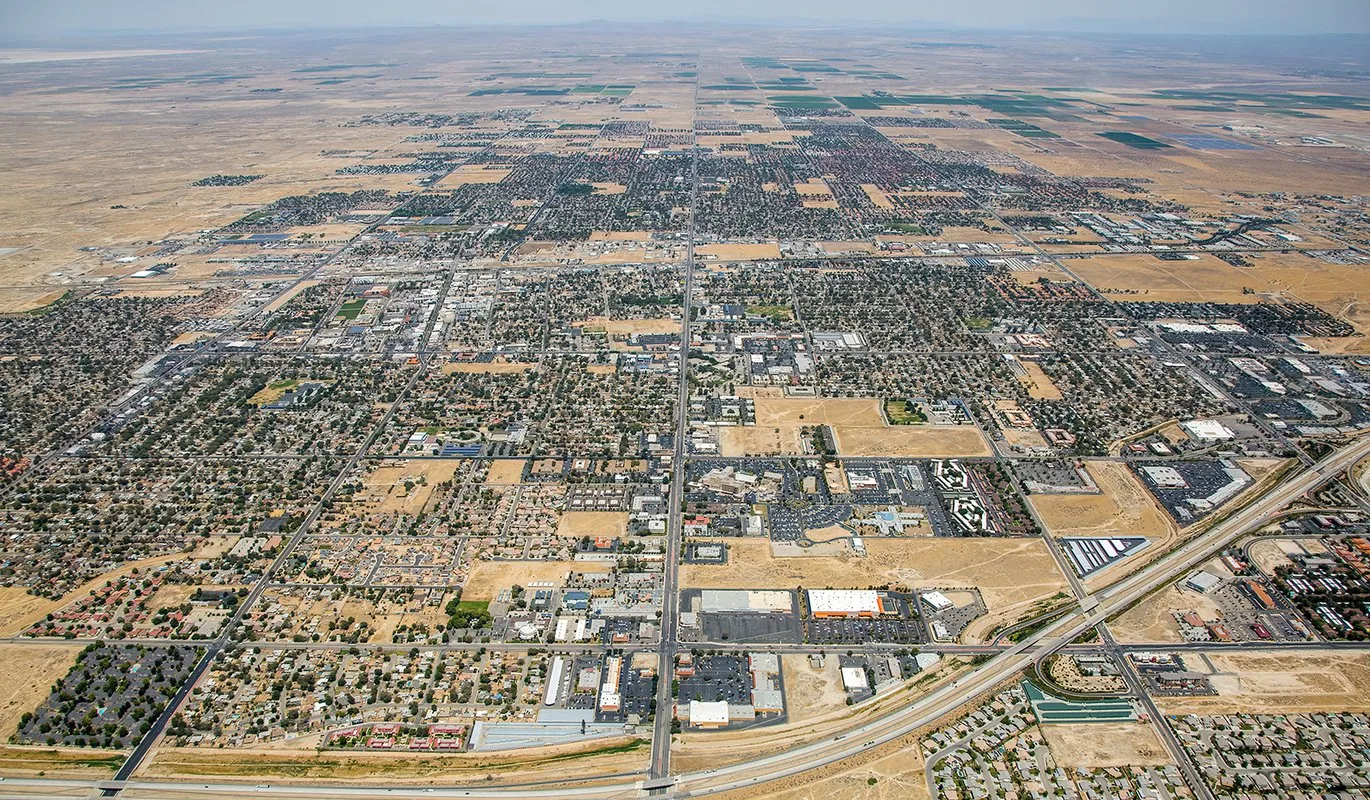
Lancaster's planning records include heavy industrial properties in North Lancaster and mixed business park uses in Enterprise Business Park. Roof access and exposure differ across those building types. A North Lancaster Industrial Center roof may have service routes around production equipment; a commercial property at Enterprise may have tenants or common areas below. Identify the roof zone and the activity that could have caused or repeated the damage.
Locate the Full Damage Boundary
Inspect the puncture, surrounding membrane, insulation, and deck. A fastener, dropped tool, branch, or maintenance activity can leave a small cut, but nearby scuffing or deformation may indicate a larger impact. Check whether water can follow a seam or insulation joint from the opening. Record the location relative to roof drains, walk pads, curbs, and service routes, and photograph the area before altering it.
A commercial roof inspection can document visible damage and nearby conditions. If the substrate appears soft or the leak has recurred, selective testing may help determine whether moisture extends past the puncture. Mark the test area and any portion that could not be examined. Do not infer that insulation is dry simply because the top membrane is intact around the opening.
Identify the Contact or Traffic Source
Review how people, equipment, and loose materials move across the roof. Service technicians may set tools near a unit, cables may drag across a membrane, or a temporary storage area may lack walk pads. Check for sharp edges, displaced supports, and nearby work that could repeat the damage. If the source is uncertain, record plausible contributors as questions for the facility rather than presenting one as a confirmed cause.
A puncture near a curb may relate to equipment work, while a cut along a travel lane can point to repeated access. Keep the roof plan and maintenance log aligned so future crews know where protection is needed. At an industrial site, note the route to exhaust and process units; at a retail or office building, identify shared access and tenant controls. Correcting the roof opening without addressing recurring contact may lead to another service call.
Check What Entered the Assembly
Water below a puncture can spread between insulation boards or follow the deck before it appears inside. Compare the roof location with the reported room and look for nearby seams, fasteners, drains, or wall transitions that could provide another path. Testing can help distinguish a contained wet spot from a wider affected area. The report should name test locations, method, readings, and limits so the owner understands what the results represent.
Lancaster's normal precipitation is concentrated in the cool season at the William J. Fox Field station. A puncture found after a storm may have admitted water before the interior mark appeared. If the assembly is opened, inspect material at the edge of the wet boundary and document the transition back to dry, sound components. Keep a separate line for any area not tested because equipment or access restrictions prevented a complete survey.
Patch with Compatible Material
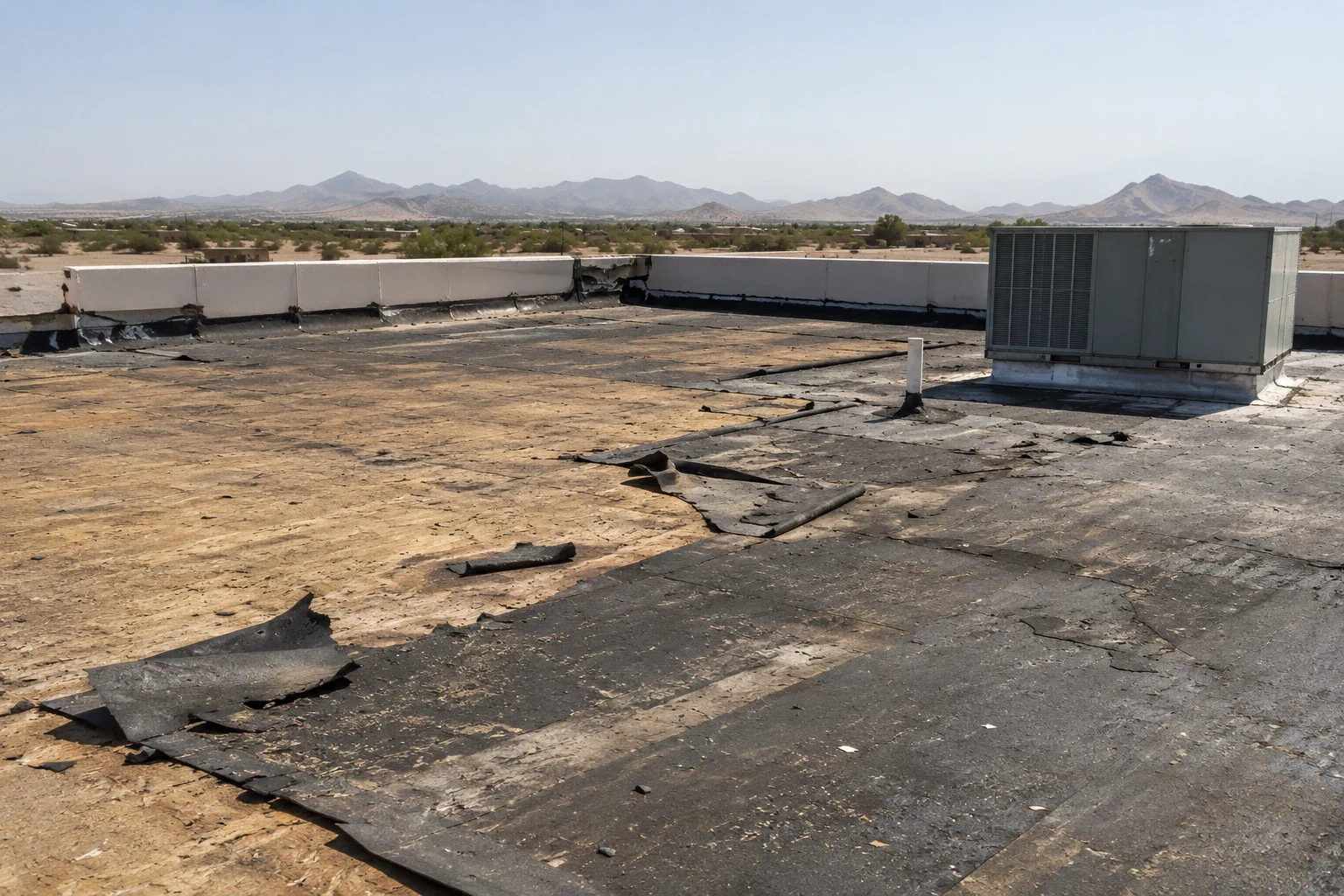
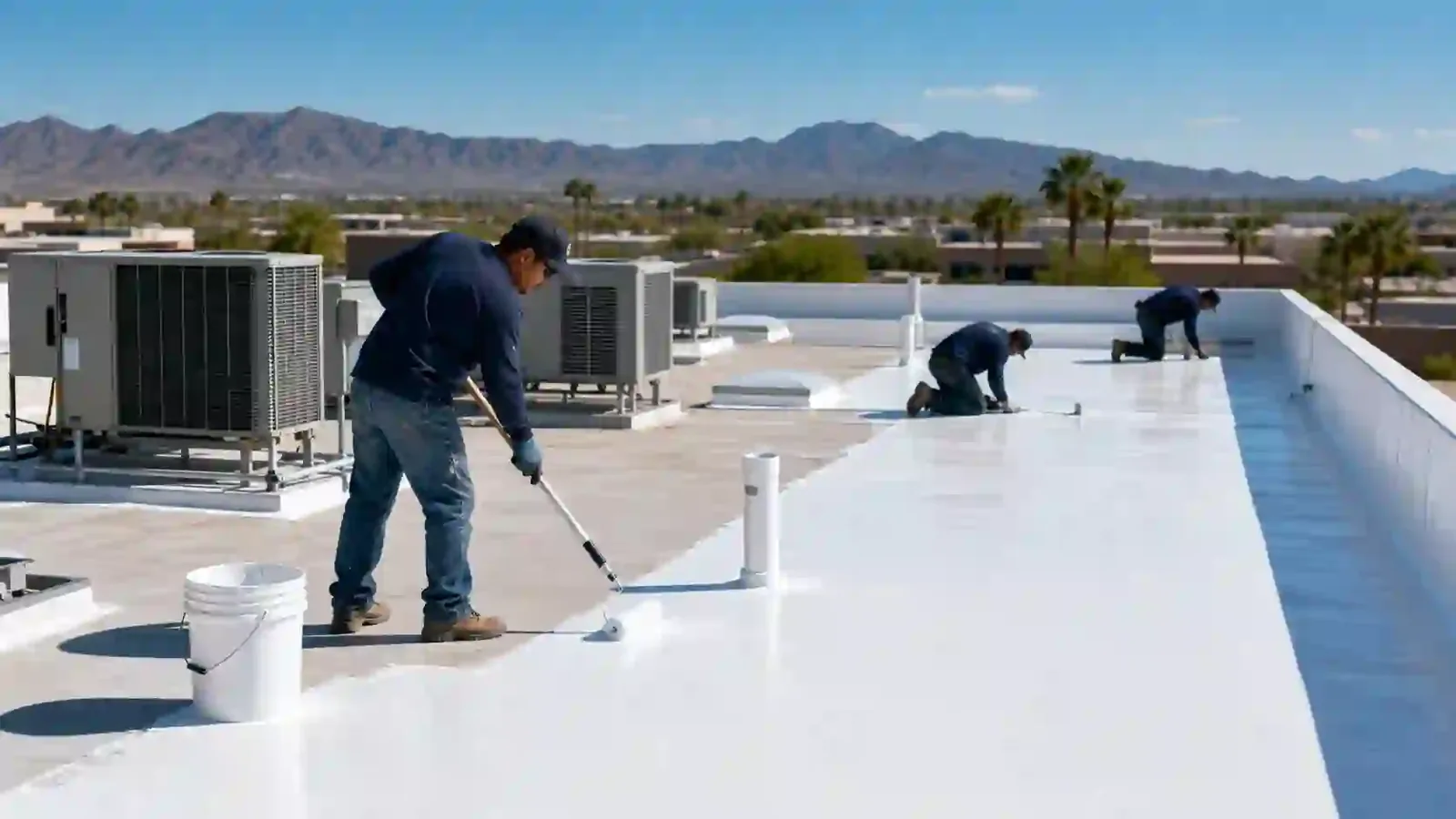
Remove loose, torn, contaminated, or wet material until the repair can bond to a sound substrate. A patch should extend beyond the damaged area, use material compatible with the membrane, and be prepared with the right cleaner, primer, weld, or adhesive for that system. Reinforcement may be required at a cut or irregular opening. The scope should identify whether insulation or deck repair is included, and how a concealed condition changes the quantity.
A commercial roof repair can restore a localized puncture when the adjacent roof remains sound. If impacts or moisture reach many roof areas, evaluate a broader replacement scope. A seam review helps when the opening meets or follows a lap, while a wind damage assessment can distinguish punctures from lifted edge conditions after a storm. State the reason for each added repair area.
Reduce Repeat Contact
Walk pads and clear service routes can protect high-traffic paths when compatible with the roof system. Secure loose materials and identify equipment access rules. If a contractor needs temporary staging, choose a location away from drains, edges, and membrane transitions and remove it after the work. The facility should keep a record of new penetrations and any protection added so later service crews do not mistake a walk pad for an original roof detail.
At a property with multiple tenants, confirm who authorizes roof access and where contractors can walk. At a manufacturing building, define the path to rooftop equipment and whether process work affects the time of access. A manufacturing facilities roof plan can record recurring service locations. A property manager work history can capture tenant or vendor reports. Prevention is strongest when those site instructions match the roof plan and closeout records.
Keep the Puncture Visible in the Roof Record
Photograph the opening, prepared surface if accessible, finished patch, and nearby roof references. Record material, repair date, test locations, and any moisture left for monitoring. If a support or service route contributed, note what was corrected and who owns follow-up. That gives the next inspector a way to check whether the repair remains intact or a new mark is appearing nearby.
Keep unresolved areas visible until someone inspects them. A finished patch does not close a moisture question if the assembly remained inaccessible. Before the wetter months, review puncture repairs near drains and service paths. At a Lancaster property with additions or several roof levels, label the building and level as well as the room below. A clear record prevents a future crew from opening the wrong section or repeating a test that was already completed.
Questions About Membrane Punctures
Small openings can involve different materials and causes. These answers explain how to define repair extent and reduce another puncture after closeout.
Commercial Roofing Questions
Can a small roof puncture be patched the same day?
It may be possible when the surface is safe, dry, and accessible and compatible materials are available. The crew should still check whether water entered the assembly and document any limits to the immediate repair.
Does a puncture always require replacing insulation?
No. Testing or selective opening can show whether the insulation is wet or damaged. Replace material that cannot be dried or that cannot support a reliable tie-in, and keep the removal boundary documented.
What causes repeated punctures in one area?
Recurring service traffic, sharp equipment edges, loose materials, or a poorly protected route can cause repeated damage. Compare the roof history with current use and correct the contact source where possible.
Should walk pads go over every service route?
Choose protection based on the roof system and actual traffic. A compatible walk pad can help at repeated access paths, but placement should not block drainage or conceal a condition that still needs inspection.
Can a roof puncture create a leak far away?
Water may move through insulation or along a deck before reaching the interior. Compare roof details with the reported room and test the assembly when the path remains unclear.
What belongs in puncture repair closeout?
Keep location photos, material and method, test results, affected roof zone, and any remaining moisture or access question. Record whether the source of repeated contact was corrected.