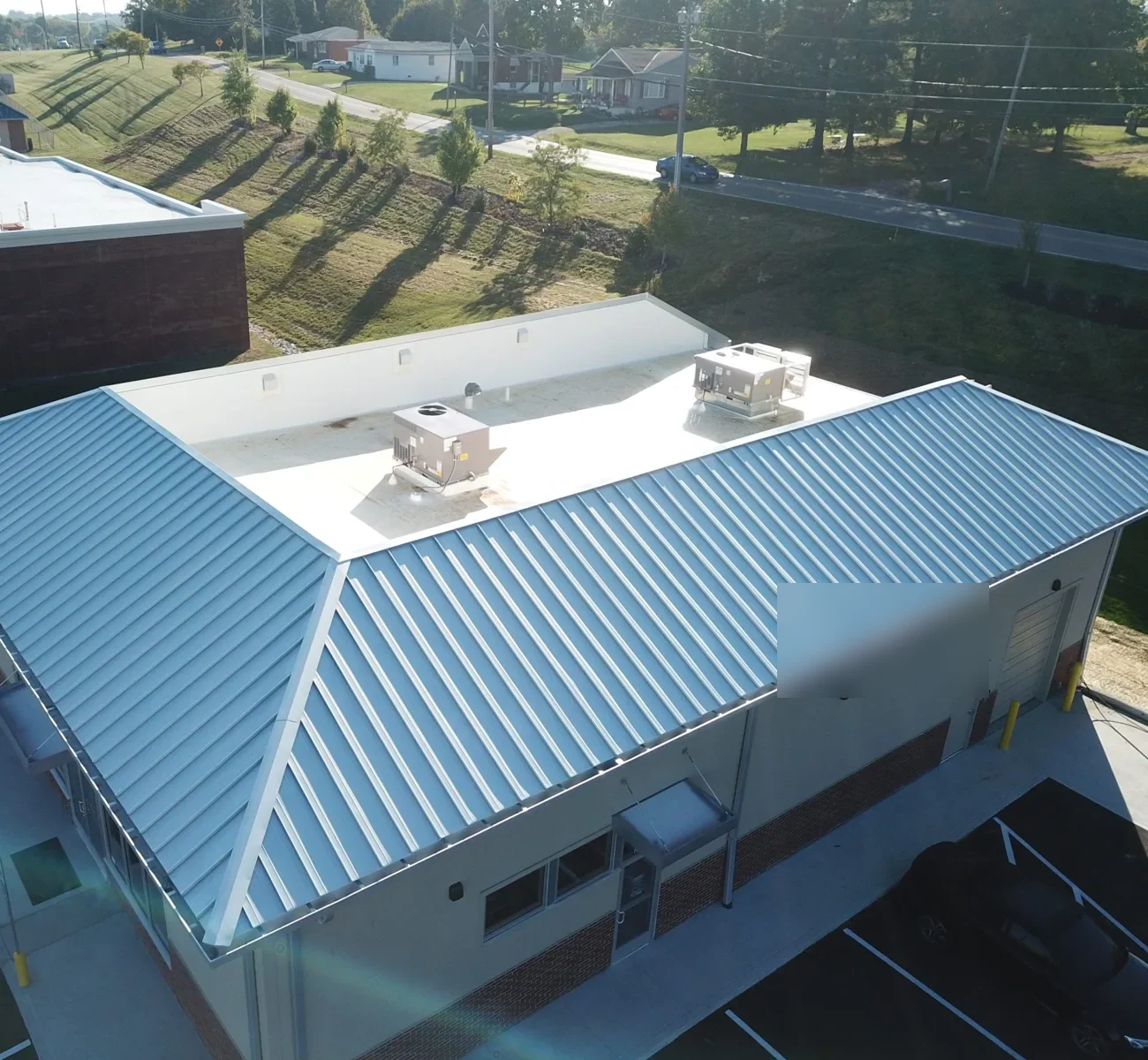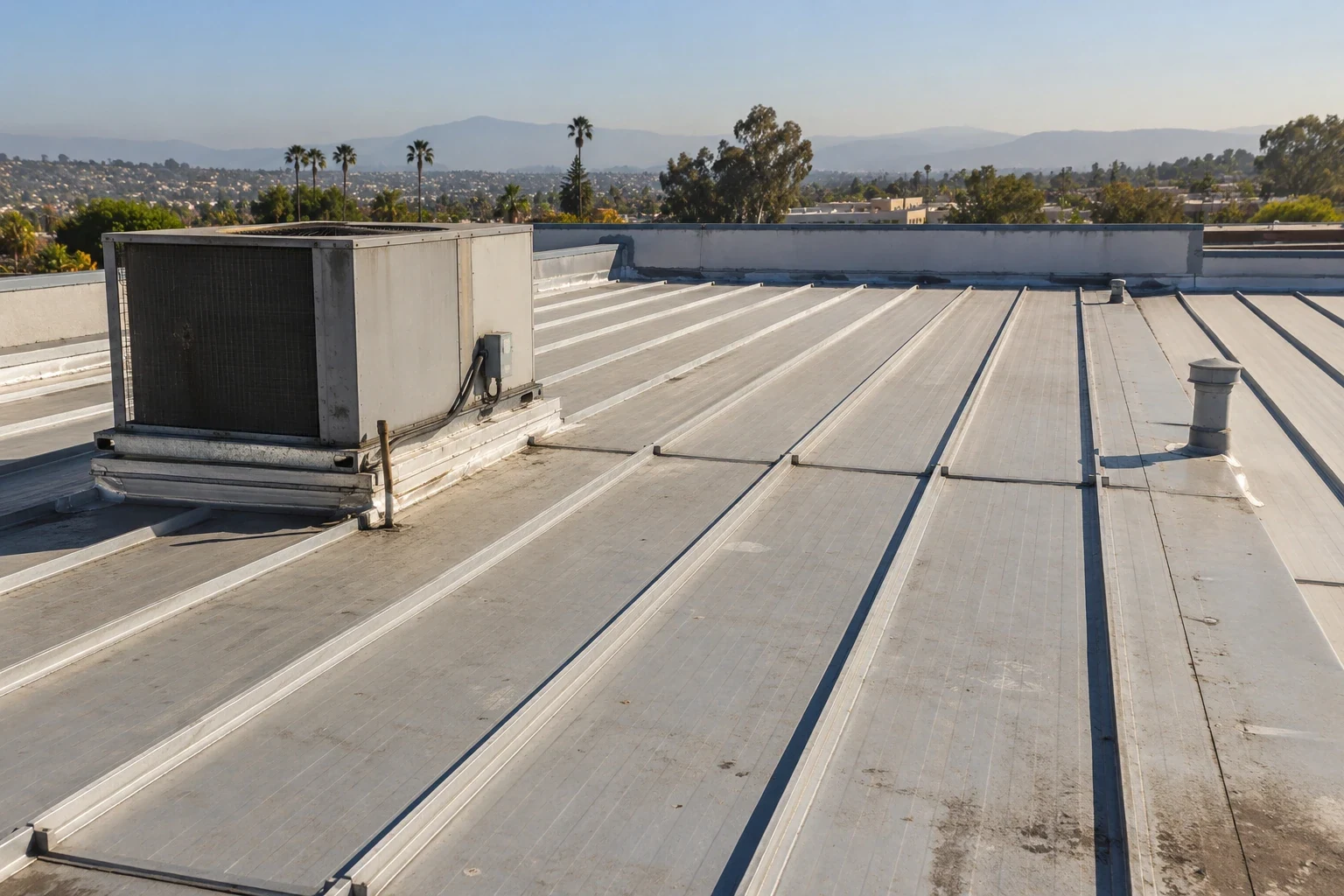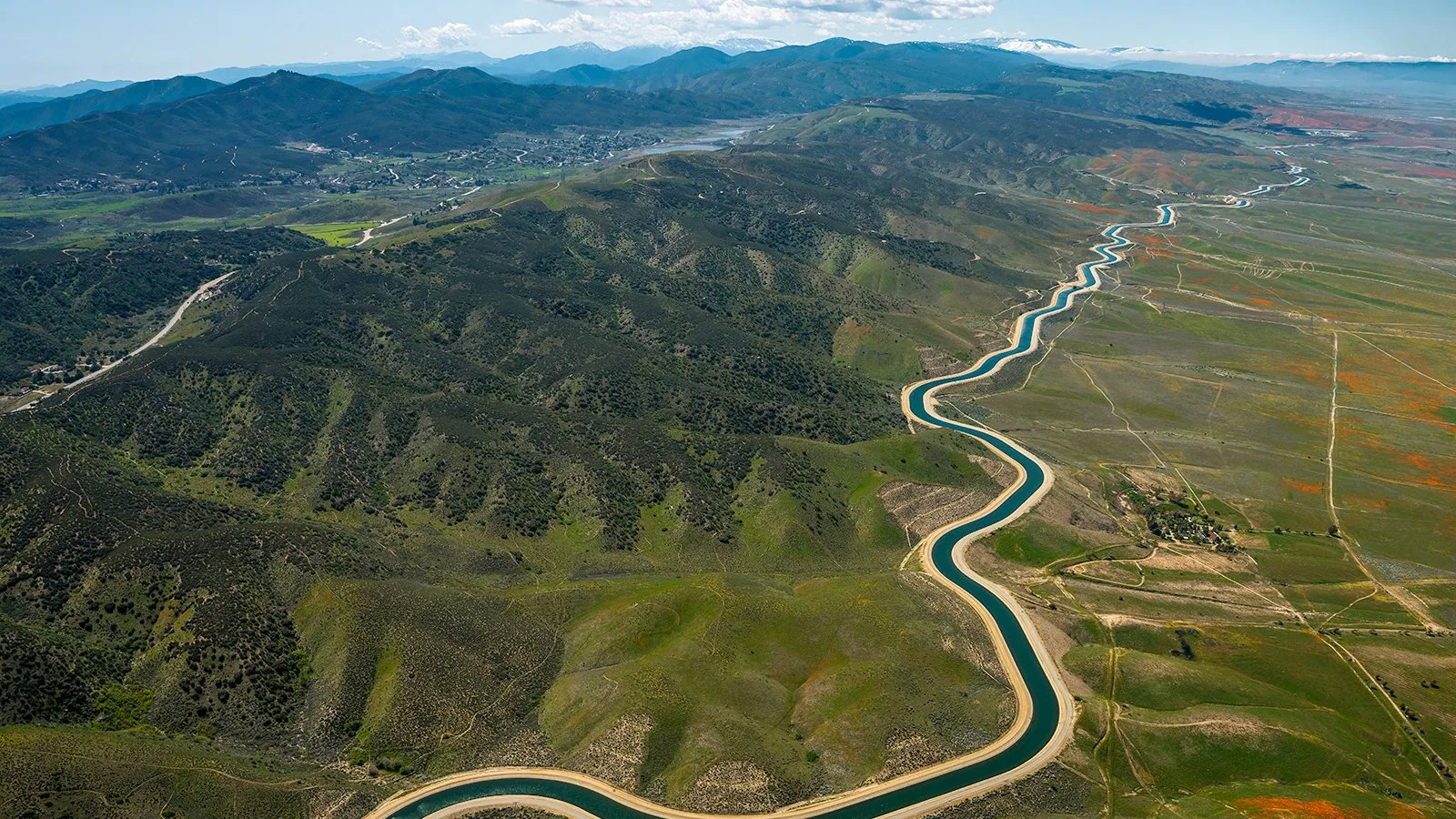
A standing-seam panel needs room to move as its temperature changes. Clips, seams, end laps, eaves, and ridge details manage that movement while keeping water out. If a panel buckles or a seam opens, the repair should begin with how the roof was attached and where the movement stopped. We inspect the panel system and supporting structure before recommending a detail repair or wider replacement.
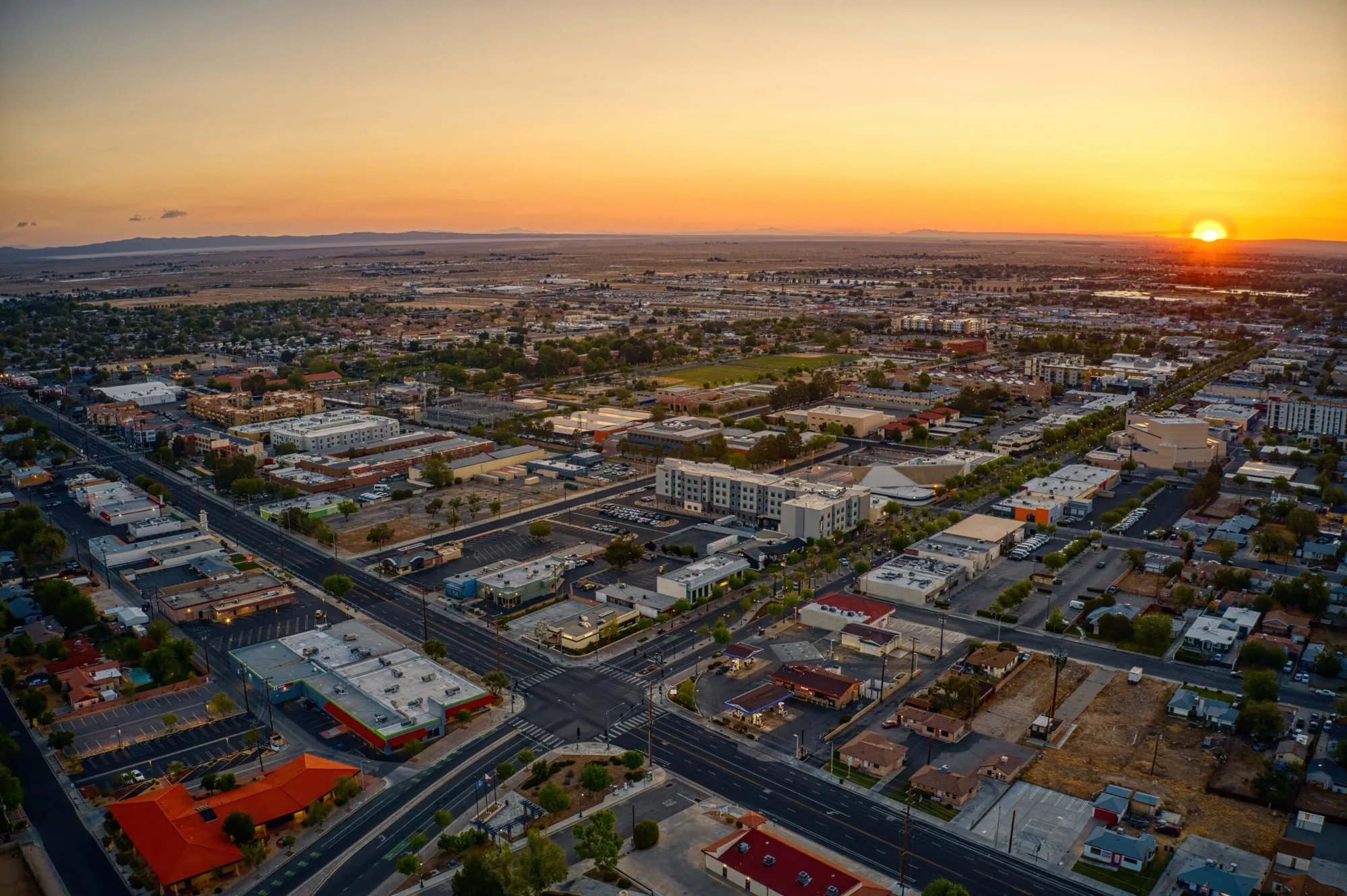
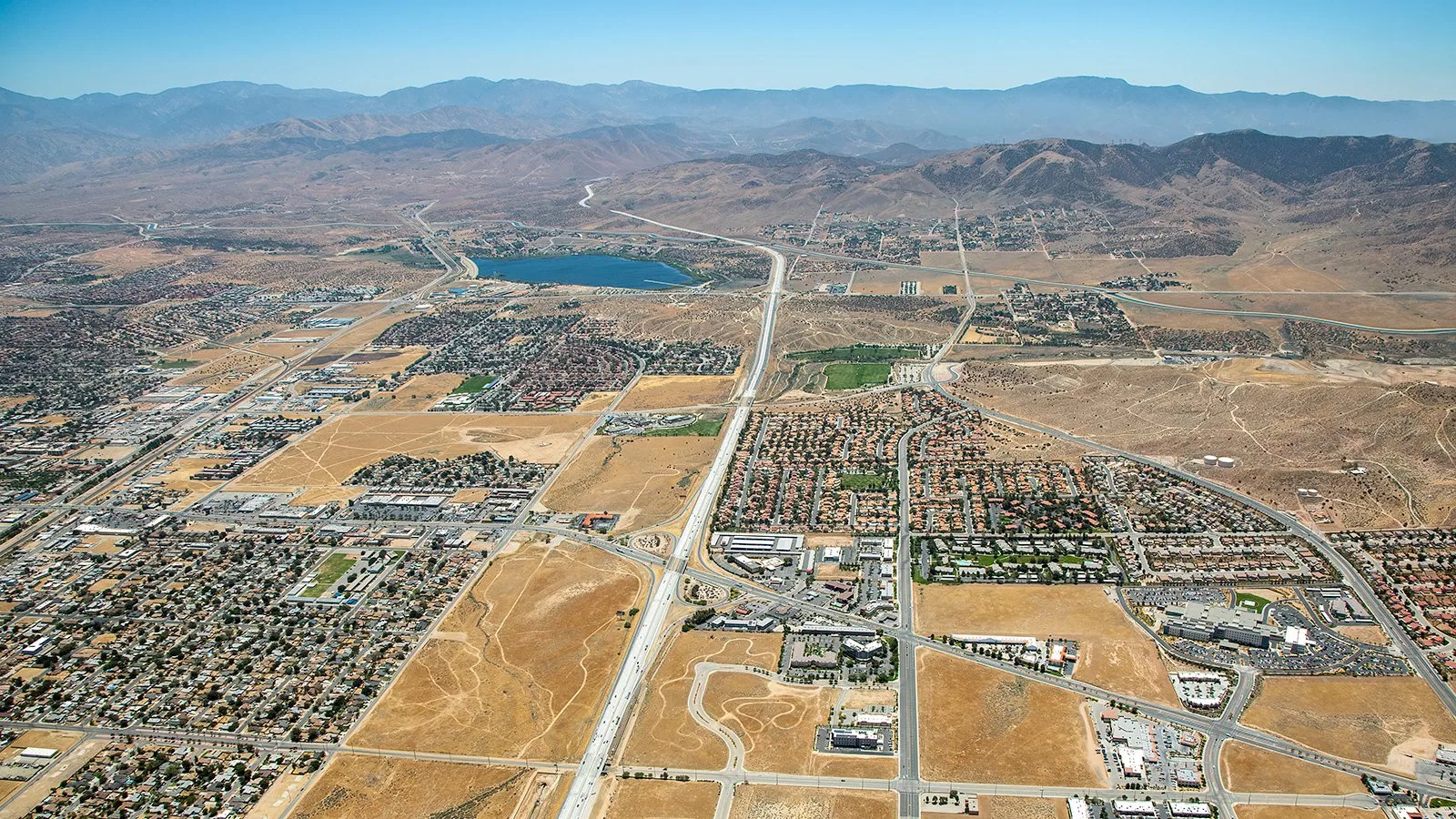
Lancaster’s Fox Field industrial corridor and Lancaster Business Park include different commercial and industrial property uses. Exposed metal roofs in the region experience strong summer heat; the local station’s August normal high is 97.8 degrees. That thermal load makes clip spacing, panel length, and transitions part of the condition review, especially where later additions or repairs interrupted the original run.
Trace Panel Movement Through the Clips
We inspect standing seams for separation, distortion, loose caps, failed sealant at terminations, and damage from foot traffic. On concealed-fastener systems, clips connect panels to the substrate while allowing designed movement. A fastener or clip that has backed out, corroded, or locked the panel can redirect movement into the seam. We review panel alignment and any visible restraint at eaves, ridges, walls, or penetrations.
The original drawings and manufacturer details help establish the intended clip arrangement; if those records are missing, field inspection identifies what can be verified. We document the pattern and avoid drilling additional fasteners into a moving section without checking the system design.
At roof edges, cleats and clips must hold the metal while letting the panel move in the intended direction. We check the eave, rake, ridge, and gutter connection as related details. Where the edge metal is loose or the support is damaged, perimeter metal repair may be part of the roof scope.
Find the Water Path at Seams and Openings
Standing seams shed water across the panel field, but leakage can develop at end laps, ridge caps, valleys, penetrations, or transitions to a lower roof. We inspect those points for open folds, failed fasteners, sealant shrinkage, and debris that redirects flow. A ceiling stain does not confirm which seam failed; water can travel along a purlin or panel rib before reaching the interior.
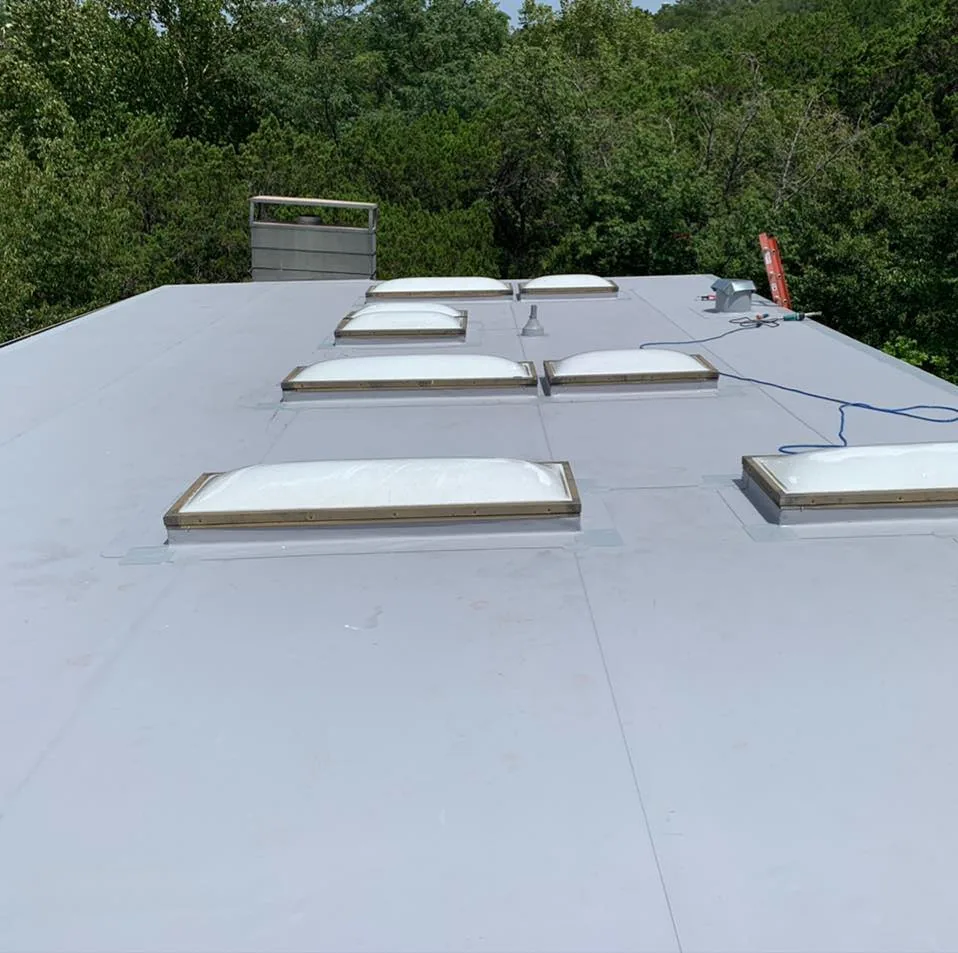
Where a pipe, curb, or support crosses the metal, the flashing needs to accommodate movement without restricting the panel. We look for tears, cracked boots, loose counterflashing, and sealant used in place of a formed detail. If a service contractor added an opening, we check whether the cut panel edge has proper closure and whether drainage still clears the opening. Penetration flashing can be coordinated with the specific panel profile.
Runoff gathers at gutters and valleys, where metal expansion and fastener condition matter. We check the drainage route, outlet, and overflow, then note whether debris or a displaced panel holds water against a seam. Lancaster’s normal rain falls mainly in the cooler months, so inspection before that season can identify open terminations and drainage restrictions before they are tested.
Separate Surface Wear From Metal Loss
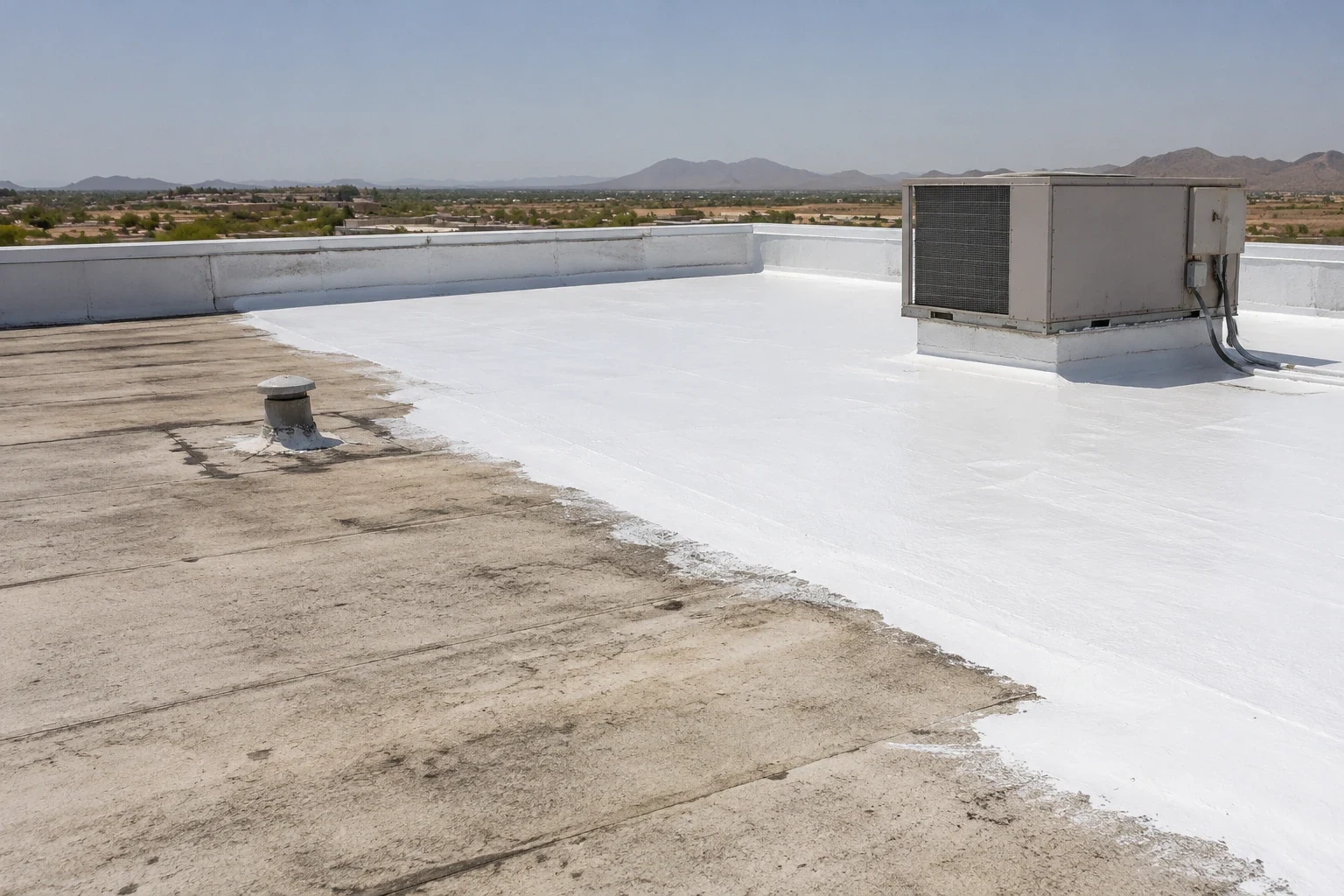
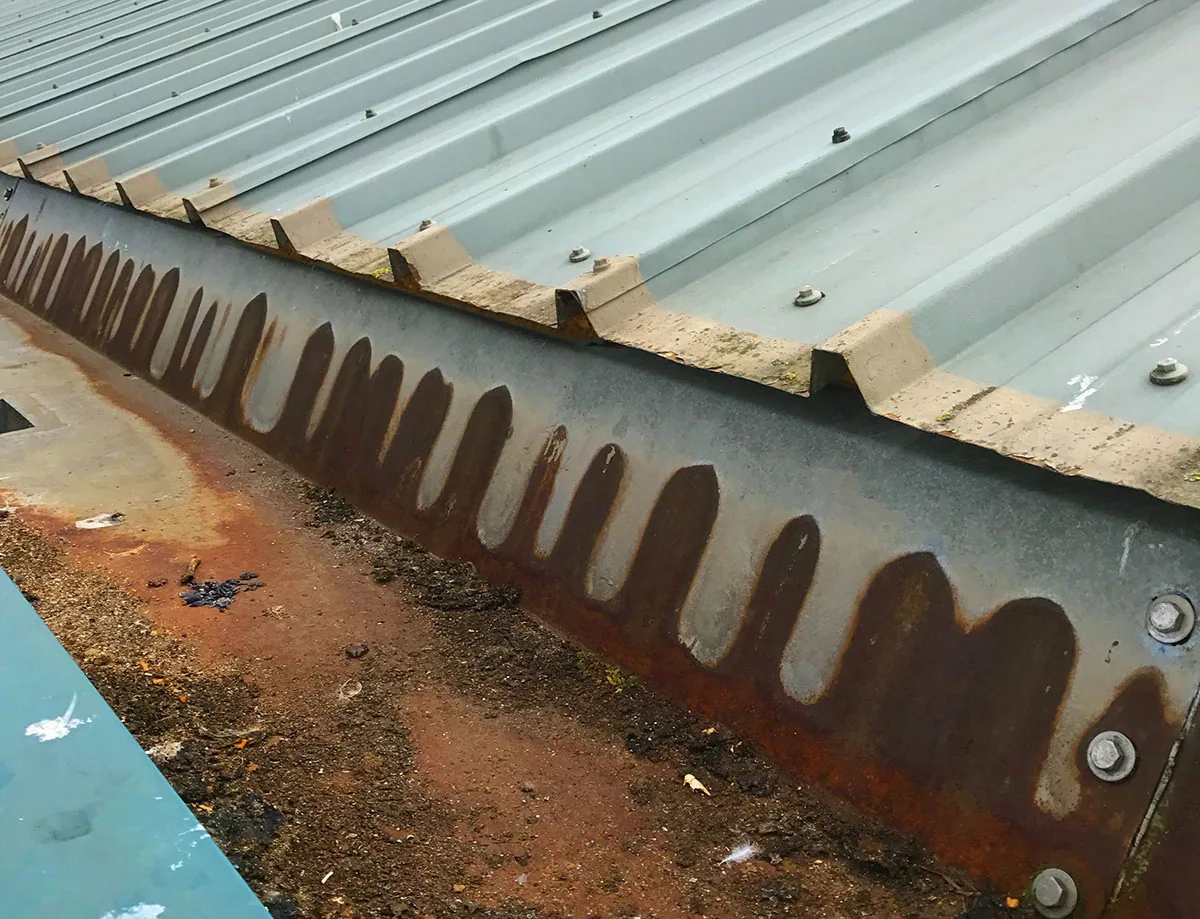
Paint fade or chalking is not the same as section loss. We inspect for corrosion at cut edges, fasteners, laps, and areas where water sits, then determine whether the metal itself is thinning or the finish has simply weathered. A coating can restore a suitable finish, but it cannot replace a failed clip, repair a leaking seam by itself, or correct a panel that no longer moves as intended.
Mixed metals can accelerate corrosion where they contact or where runoff carries one metal’s residue onto another. We look at panel material, fasteners, gutters, rooftop equipment supports, and prior repair pieces. If a proposed coating is considered, the surface preparation and product must match the substrate and exposure. Coating restoration is evaluated separately from structural panel and attachment repairs.
Near Fox Field, medium and light industrial planning uses can mean roof areas with equipment supports or service paths. We inspect those points for abrasions and trapped debris, then photograph each affected panel. If the damage follows a mechanical route, the facility can adjust access after repair to limit repeat contact.
Confirm the Support and Panel Layout Before Installation
A new standing-seam roof depends on the substrate, clip type, panel gauge, seam geometry, and attachment pattern required by the design. We verify purlin or deck condition, clip placement, insulation, underlayment, and edge details before panels cover the structure. The shop drawings establish panel lengths, fixed points, expansion direction, and transitions to adjacent systems.
For a replacement over an existing building, we check whether the framing and deck support the specified assembly. Structural requirements belong to the project design and engineer; the roofing crew installs the approved detail and records field conditions that differ from the drawings. A roof inspection can document visible conditions before demolition and identify areas for further testing.
A metal retrofit over an existing roof uses a different support concept from a full standing-seam replacement. The metal retrofit system must be reviewed for drainage, added height, load path, and compatibility with the existing roof. We compare those needs with a conventional panel replacement rather than treat retrofit framing as a surface repair.
Choose a Repair That Preserves the Panel Detail
A local repair can suit a puncture, loose trim, or isolated seam condition when the supporting panels and clips remain sound. If movement has caused repeated buckling or open seams, the scope may need to address fixed points or attachment across a larger run. Corrosion through the panel, widespread fastener failure, or a damaged substrate can move the comparison toward replacement.
We map panel numbers, damage locations, clip concerns, flashing work, and drainage adjustments. The estimate identifies which panels are removed or reused and what access, lift, or equipment coordination is necessary. If an opened area reveals compromised decking, the owner receives the findings before additional work is approved. Photographs establish the starting condition and confirm the completed seam or trim repair.
A standing-seam system may be compared with a single-ply roof where the project design and building use allow another assembly. If the metal has localized leaks but the panels remain serviceable, replacement may not be the only choice. We explain what a repair can restore and where the remaining metal condition limits its scope.
Keep Panel and Fastener Findings in the Asset Record
Closeout photographs show seams, clips where accessible, ridge and eave details, penetrations, gutters, and repaired panels. The roof plan identifies each area so maintenance can revisit the same points. We list components that remain under observation, including a section where access or concealed support prevented a complete view.
Later inspection checks panel alignment, fastener movement, seam closure, coating condition, debris, and gutter discharge. Work by HVAC or electrical trades can create a new penetration or restrict the panel’s movement, so the roof record should be updated after those changes. Preventive maintenance can track those conditions before water reaches the interior.
Send panel drawings, prior repair notes, and any coating or retrofit documents when requesting an assessment. We will trace movement and water paths, inspect the supporting roof, and define the metal work that fits the existing system.
Commercial Roofing Questions
Why does a standing-seam panel buckle?
Buckling can follow restrained movement, incorrect clip placement, a fixed transition, or support movement. We inspect the panel run and attachment pattern to identify where the movement is being limited.
Can you replace one standing-seam panel?
A single panel can sometimes be replaced if adjacent seams can be released and reclosed and the support remains sound. We check panel profile, length, flashing, and access before setting that scope.
How do you repair a leak at a standing-seam roof penetration?
We inspect the opening, panel profile, flashing, and nearby seams, then identify whether movement or water flow is affecting the detail. The replacement flashing has to seal the opening without locking the panels.
Can a coating stop corrosion on a metal roof?
A compatible coating may protect a sound substrate after preparation, but it does not restore metal that has corroded through or correct a loose clip. We separate surface work from panel or attachment repair.
What is different about a metal retrofit?
A retrofit adds a new support and panel assembly over an existing roof. The design must account for load, height, drainage, and attachment, so we review it as a roof project rather than a coating or seam patch.