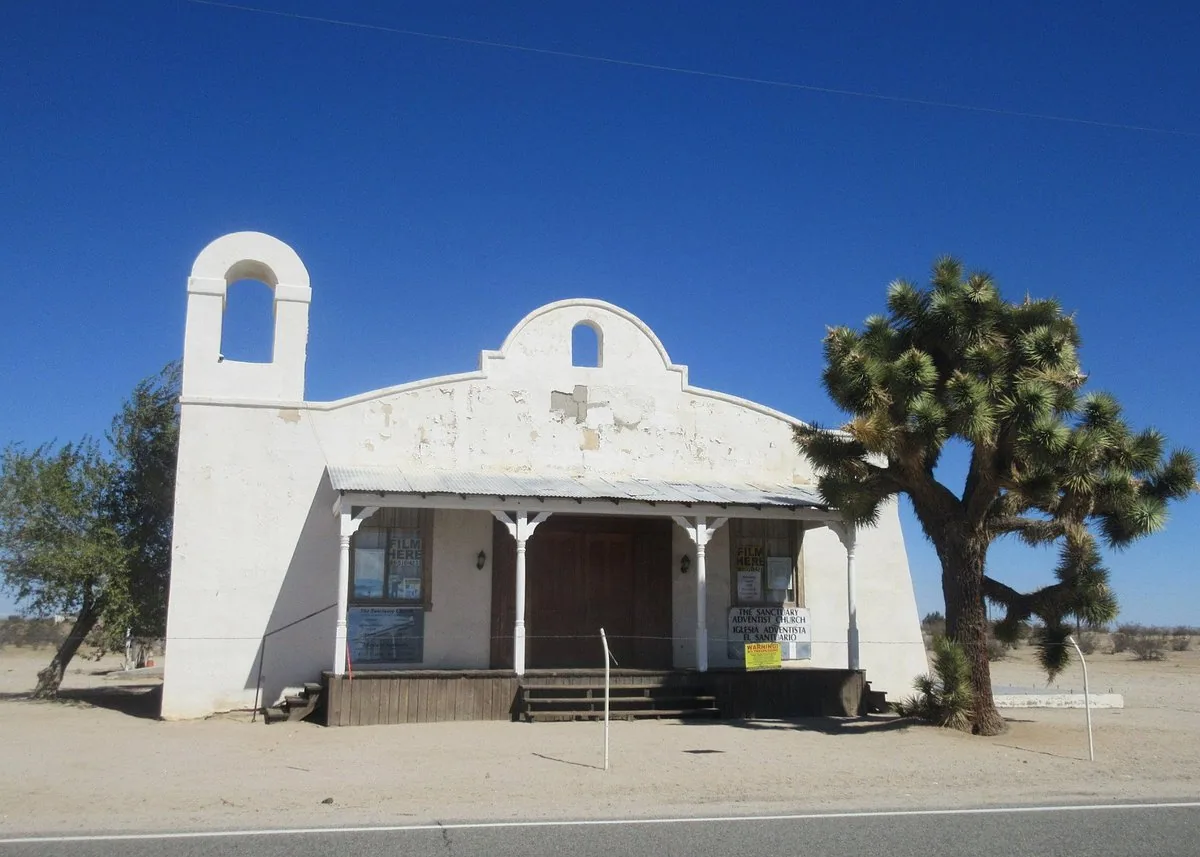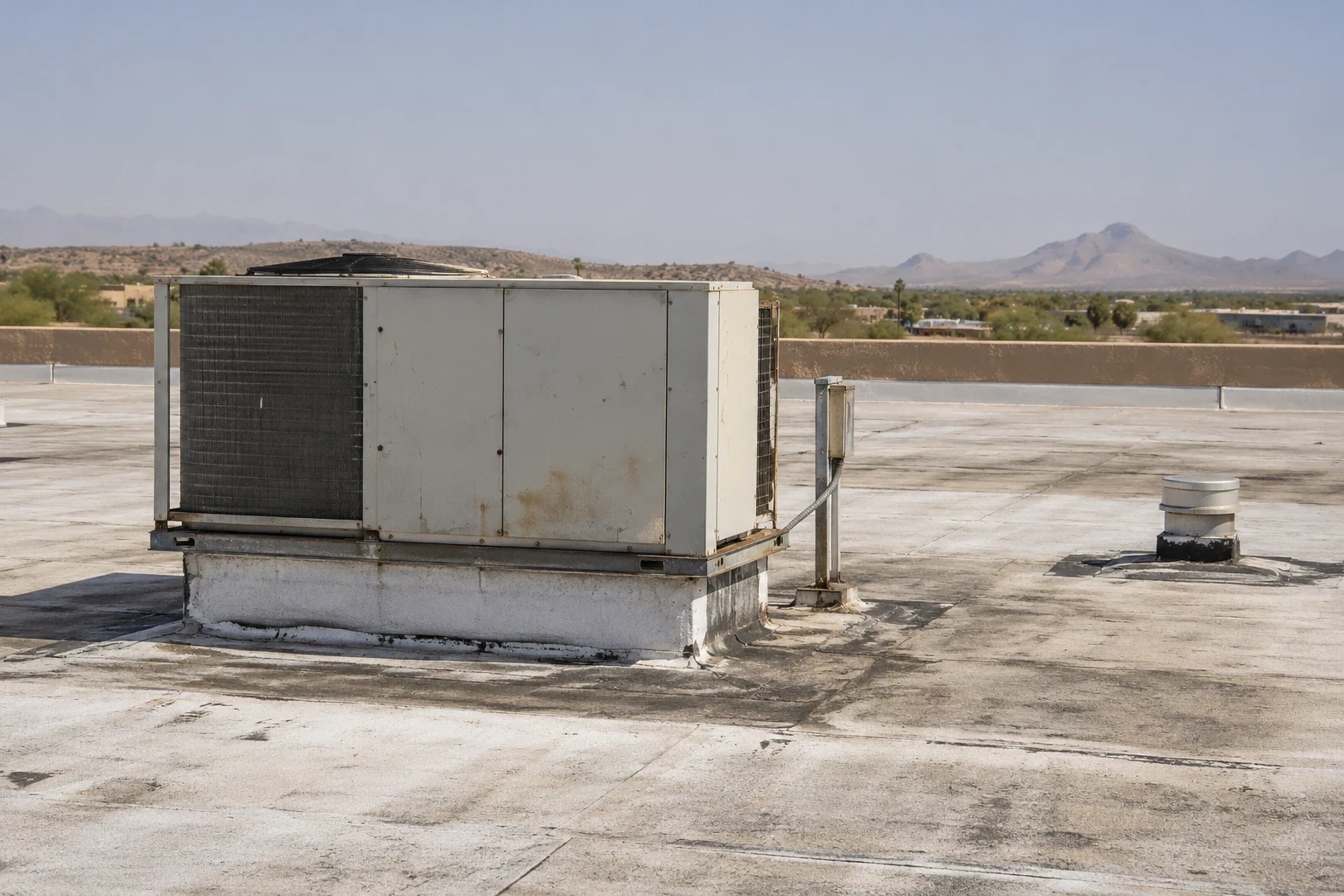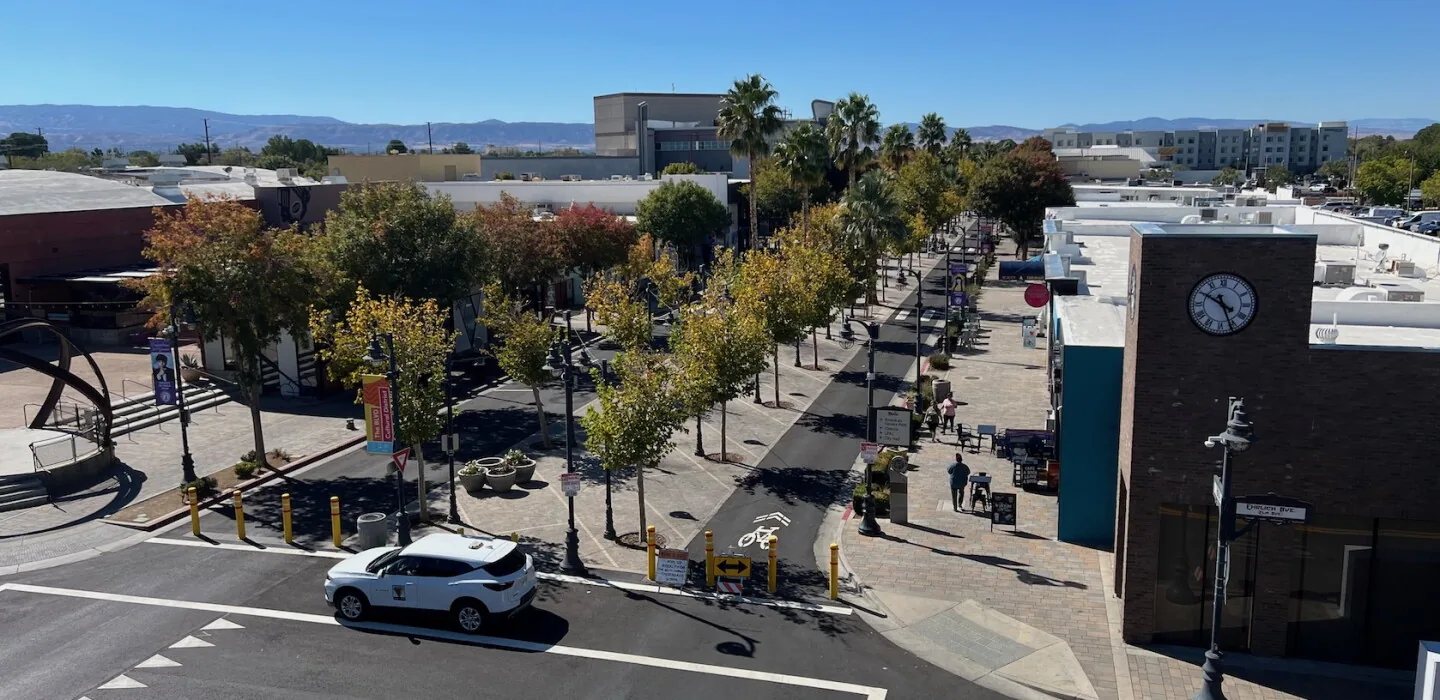
A roof over a local service business has to shed water at the edges, around penetrations, and through a drainage path that may receive little attention during long dry stretches. In Antelope Acres, the County identifies a rural town center along 90th Street West between Avenue E-4 and Avenue E-12, with Rural Commercial uses intended for daily services and local employment. We inspect the actual roof assembly and its transitions before setting a repair boundary, since a land-use designation does not reveal the membrane, substrate, or condition on an individual property.
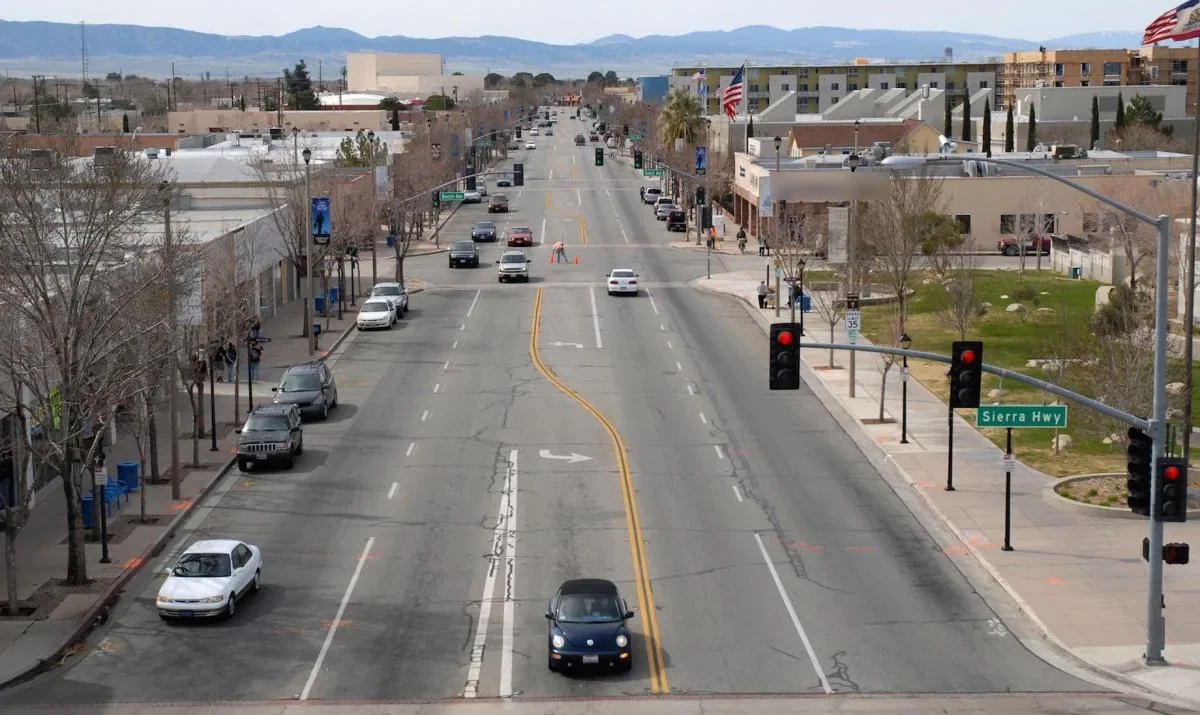
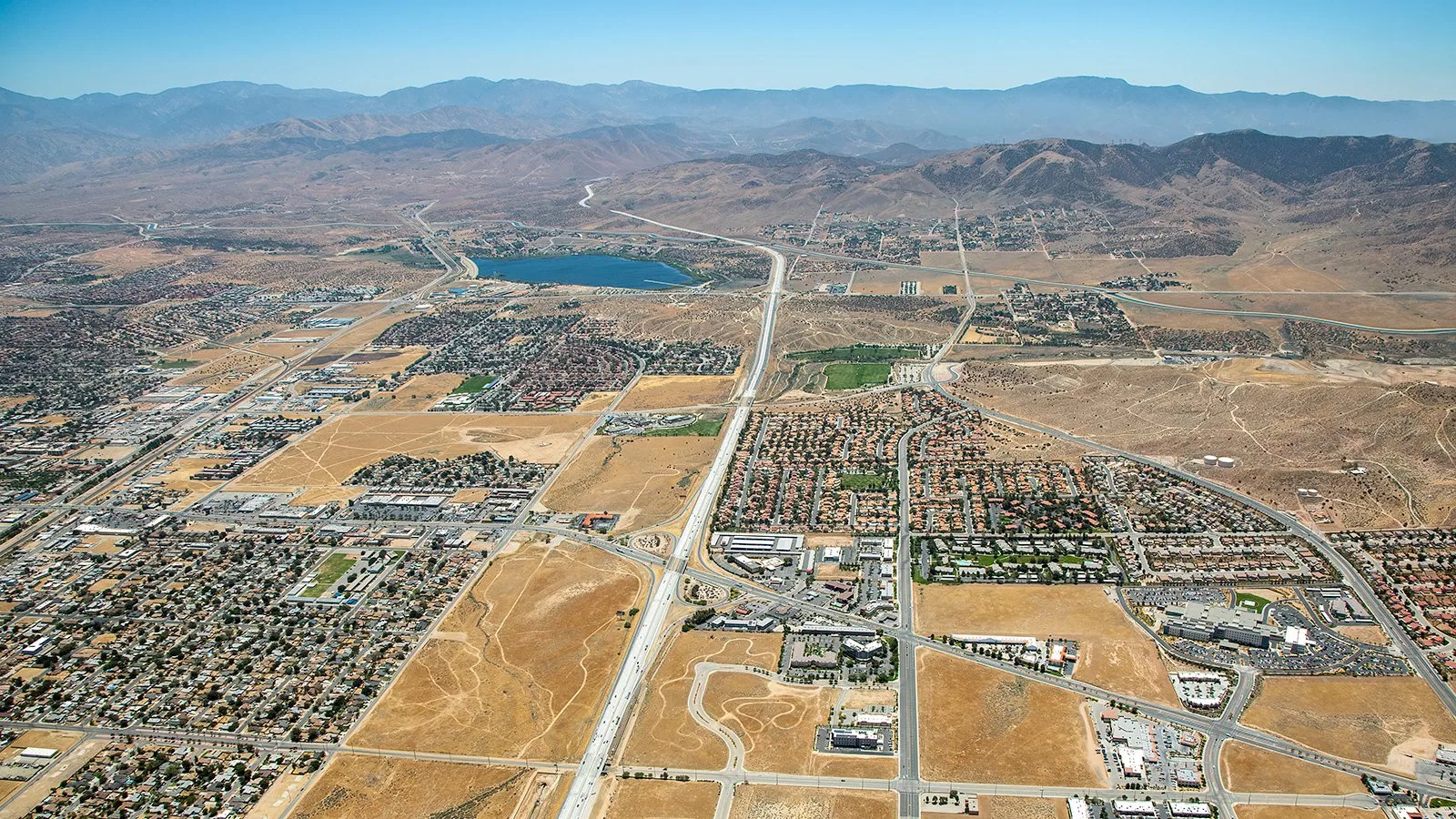
Antelope Acres sits west of Lancaster in the northwestern Antelope Valley. The Lancaster station records a normal August high of 97.8 degrees, a useful regional reference for repeated heat loading on exposed membranes and sealants. We connect that climate context to observed conditions, then give ownership a record of what needs attention now, what can be monitored, and what deserves a separate capital decision. The inspection can also include commercial roofing near Lake Los Angeles when a manager is coordinating properties across the region.
Start with the roof's working boundaries
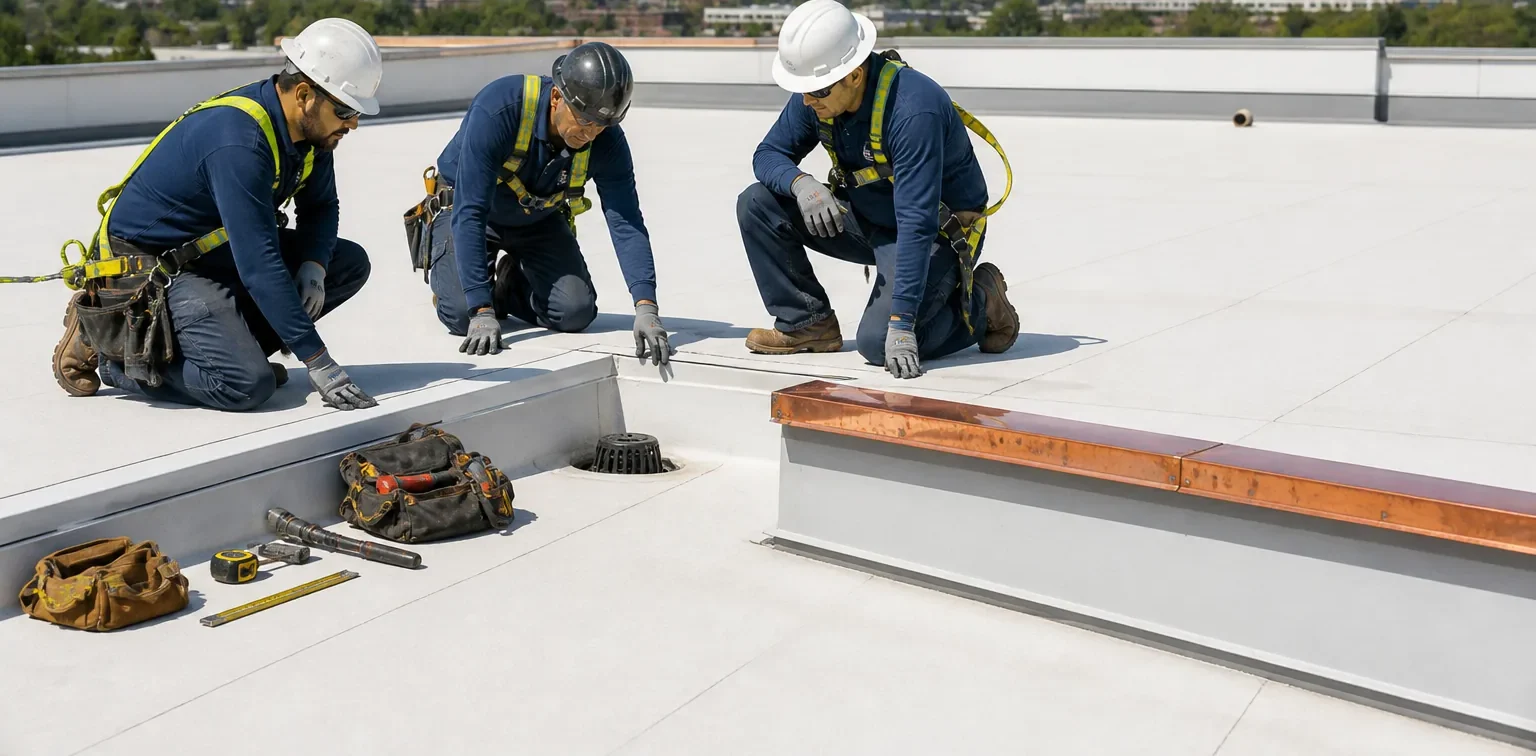
At a first visit, we identify safe access, roof sections, membrane type when field conditions make it identifiable, and the details most likely to interrupt continuity. The walk includes wall flashings, edge metal, seams, penetrations, equipment supports, and any repairs that differ from the surrounding field. A photograph of a defect should show both the close detail and enough roof context to find it again. That record lets a property manager distinguish one active issue from a broader pattern without treating the entire roof as a single condition.
Rural Commercial planning describes the center's intended mix of daily services and employment, not the construction of any particular building. We use that context to keep the inspection practical: note the occupied areas below, delivery routes, business hours, and any access limits supplied by the owner. If a repair requires equipment shutdown or another trade, the written scope identifies that dependency. A separate roof assessment in Littlerock can be scheduled with its own building record rather than folded into the Antelope Acres findings.
Follow water to the failed detail
A ceiling mark is a useful clue, but it does not locate the entry point by itself. Water can move beneath a membrane, along a deck flute, or around insulation before it becomes visible inside. We compare the timing and position of the symptom with roof seams, curbs, wall transitions, drains, and prior patches. Where testing is appropriate, the report states where readings or test cuts were taken and what those methods can establish. This keeps a repair focused on a supported entry point instead of the most visible interior stain.
Before closing a repair, we check whether the substrate is sound, the existing surface can accept a compatible tie-in, and the moisture pattern ends within the proposed boundary. A localized flashing correction may be enough when surrounding materials remain stable. Wet insulation, repeated seam movement, or widespread adhesion loss can change the scope, and the owner should see that evidence before authorizing additional work. The same diagnostic approach supports commercial leak repair and a more complete roof inspection when the entry path remains unclear.
Account for heat and seasonal movement
Exposed roof materials expand in heat and contract as temperatures fall. At seams and terminations, repeated movement can fatigue an adhesive bond, open a lap, or stress a patch that was installed over a changing substrate. At the Lancaster station, July normally brings highs of at least 90 degrees throughout the month, leaving exposed sealants and membranes under sustained heat load. Those measurements belong to the Lancaster station, but they offer a regional climate reference; the roof itself determines whether movement has caused damage.
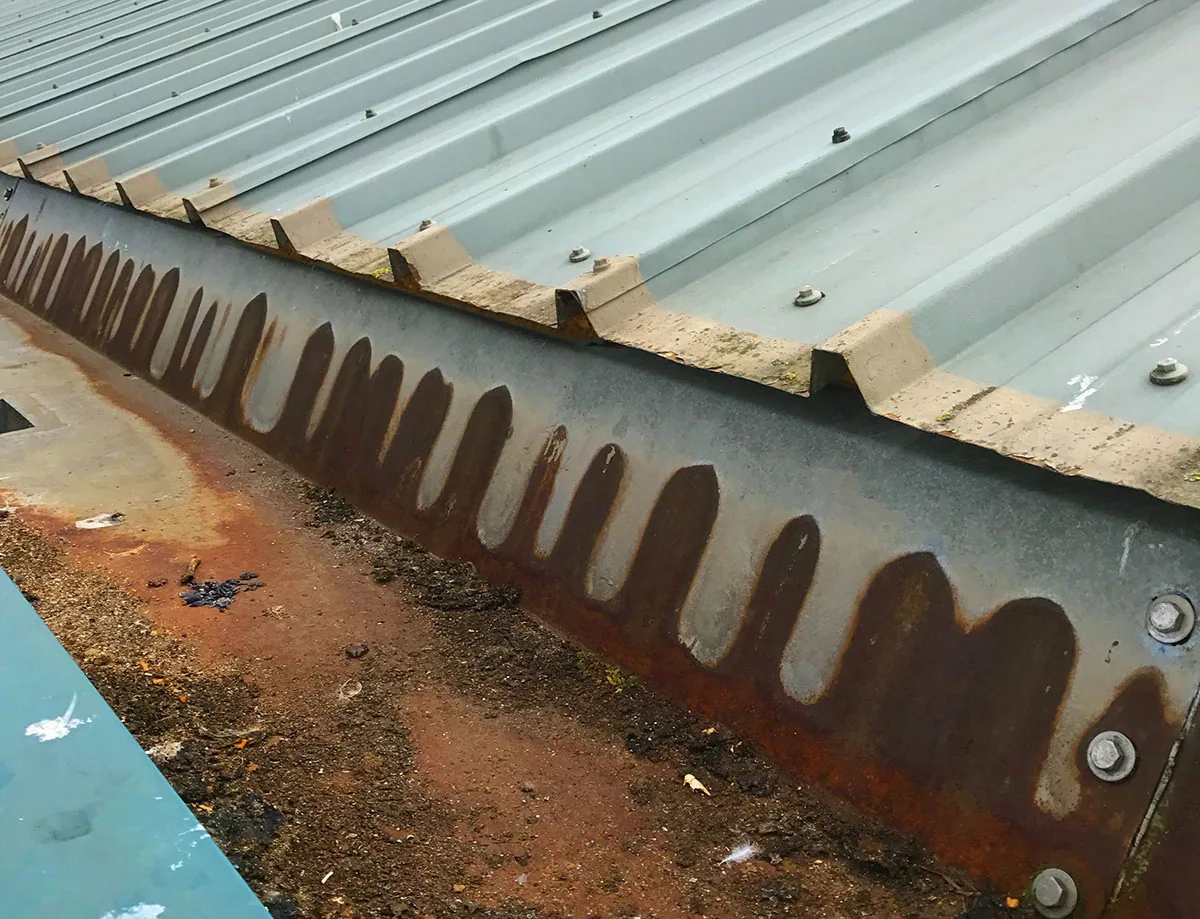
During maintenance, we look for brittle sealant, lifted edges, open laps, loose metal, displaced fasteners, and patched areas that have begun to separate. We also note rooftop components that may transmit vibration or concentrate movement at their supports. A maintenance visit should record a baseline and the next inspection interval based on condition, not assume that a calendar alone fits every assembly. For recurring upkeep, preventive roof maintenance can pair debris removal and detail checks with photographs that show whether the condition is changing.
Choose a repair boundary that can be verified
A useful proposal names the roof zone, the failed detail, the preparation required, and the material used to restore continuity. It should also state what is excluded, such as wet insulation beyond the opened area or equipment work assigned to another trade. We mark the repair boundary on a roof plan or photo set and explain what would prompt a change after opening. That gives ownership a clear approval point when concealed conditions differ from what the inspection could see.
When the roof is otherwise serviceable, focused repair may protect the asset while maintenance addresses adjacent details. If moisture or deterioration extends across several zones, replacement or a recover may deserve comparison. A recover is only considered after checking existing layers, drainage capacity, attachment, deck condition, and applicable code requirements. We can compare the options through commercial roof repair or commercial roof replacement, with the scope tied to what field review supports rather than a preset product choice.
Keep service work manageable for occupants
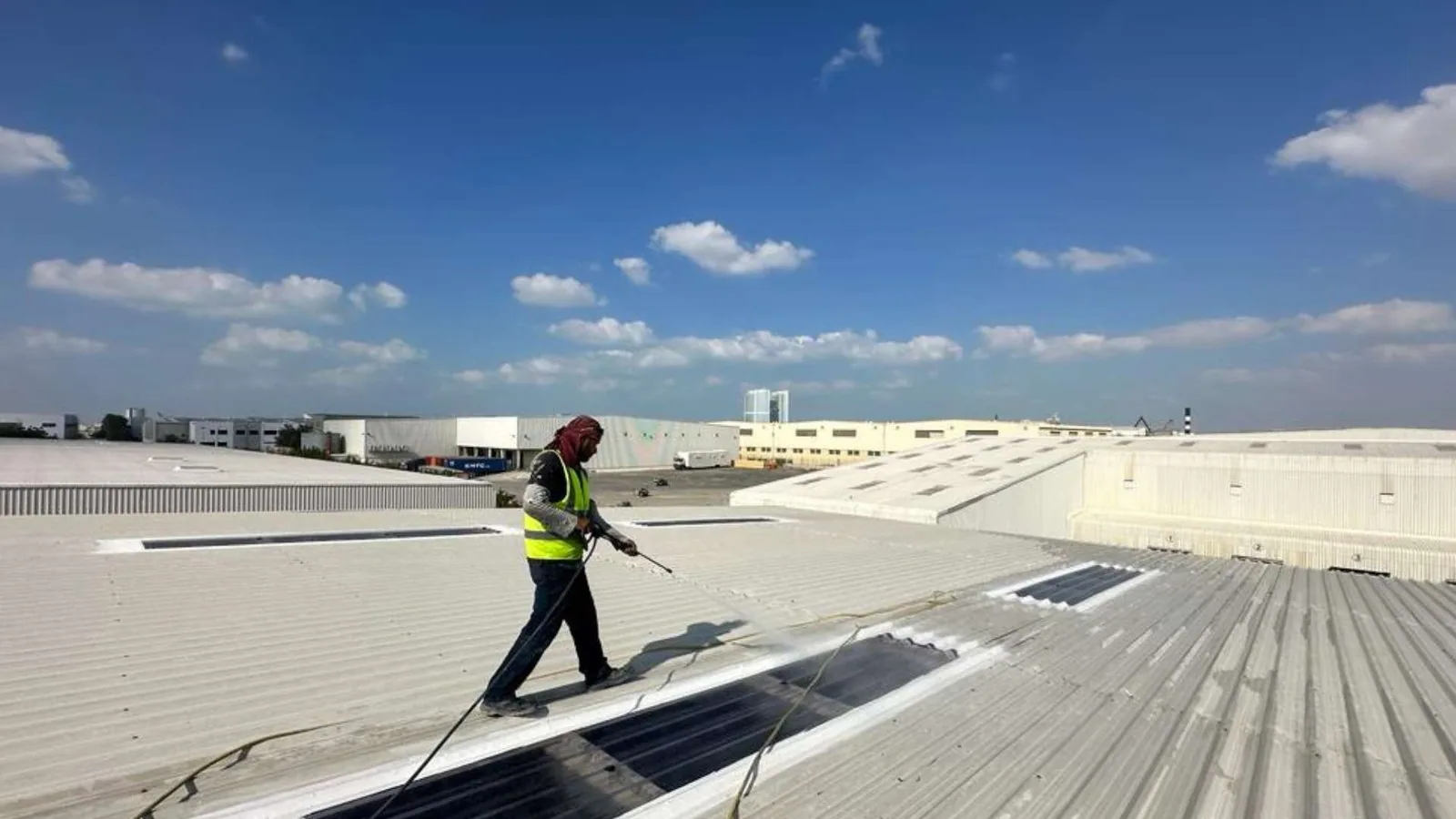
Even a small roof repair can affect the room below, a loading area, or a service entrance. Before mobilization, we confirm roof access, work hours, staging, fall-protection controls, and any interior protection needed where material will be removed. If a portion of the building remains open to customers or staff, the sequence should preserve safe routes and identify when noise or temporary closures may occur. These details belong in the work plan so the property contact can communicate a precise schedule.
After completion, the closeout should make the next decision easier. We provide labeled photographs, the repair location, material notes, and any follow-up item that still needs observation. Keep that record with roof plans, prior leak reports, and maintenance visits so a future manager can see what changed. For a commercial property in Antelope Acres, share the building location, symptoms, and available roof history to arrange an assessment. Our roof condition report can establish a documented starting point for repairs, reserve planning, or a broader portfolio review.
Commercial Roofing Questions
What should we send before scheduling a roof visit in Antelope Acres?
Send any roof plan, prior leak location, repair invoice, warranty document, and access instructions you have. We use those records to prepare the visit, then verify the assembly and reported condition in the field rather than treating an old description as current.
Does the Rural Commercial designation tell you what roof system is installed?
No. It describes the intended use of the town center. We identify the membrane, metal details, drainage, penetrations, and substrate at the property before recommending a repair or larger scope.
How do you handle a leak that appears after a long dry period?
We compare the report date with the roof's seams, flashings, outlets, and earlier repair history. Short concentrated rain can expose a blocked drainage path or a weak transition, so the inspection follows the water route and records the evidence before we set a boundary.
Can you schedule work while the business remains open?
Often, the work can be divided into access windows or smaller roof zones. We confirm safe staging, occupant routes, noise, and any temporary protection with the property contact before the crew mobilizes.
When should a repair become a replacement discussion?
Repeated failures across separate roof zones, widespread moisture, or a substrate that cannot support a reliable tie-in may justify comparing replacement with continued repair. We document the affected areas and explain the evidence behind that decision.