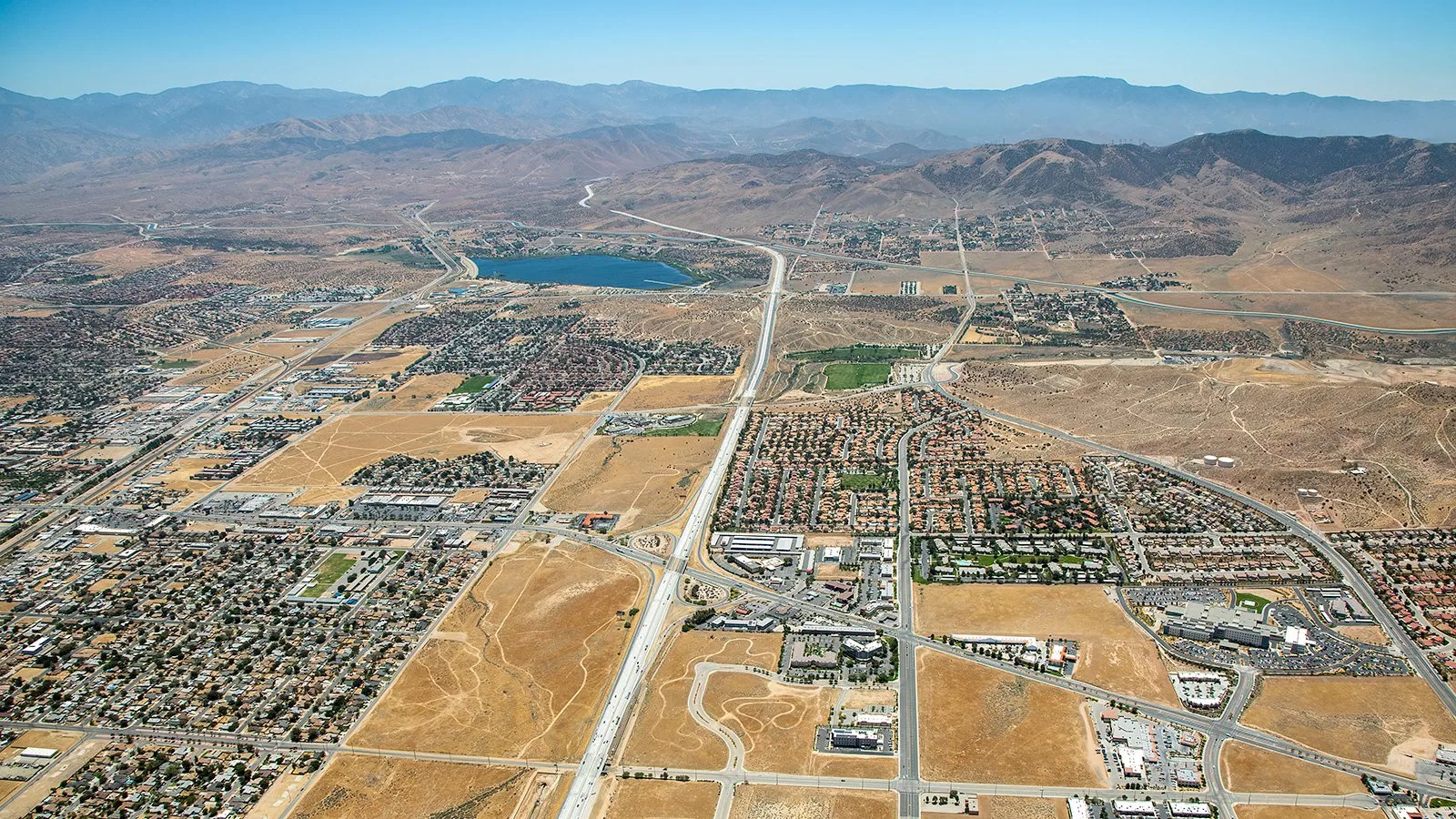
A roof above a service property near a travel route needs reliable drainage and details that can withstand regular temperature movement. Littlerock’s rural town center follows Pearblossom Highway between Little Rock Wash and 90th Street East. The center includes Rural Commercial and Light Industrial uses, including truck storage for residents and travelers. Roof work can therefore involve service traffic, staging, and property-specific access alongside the assembly and repair boundary.
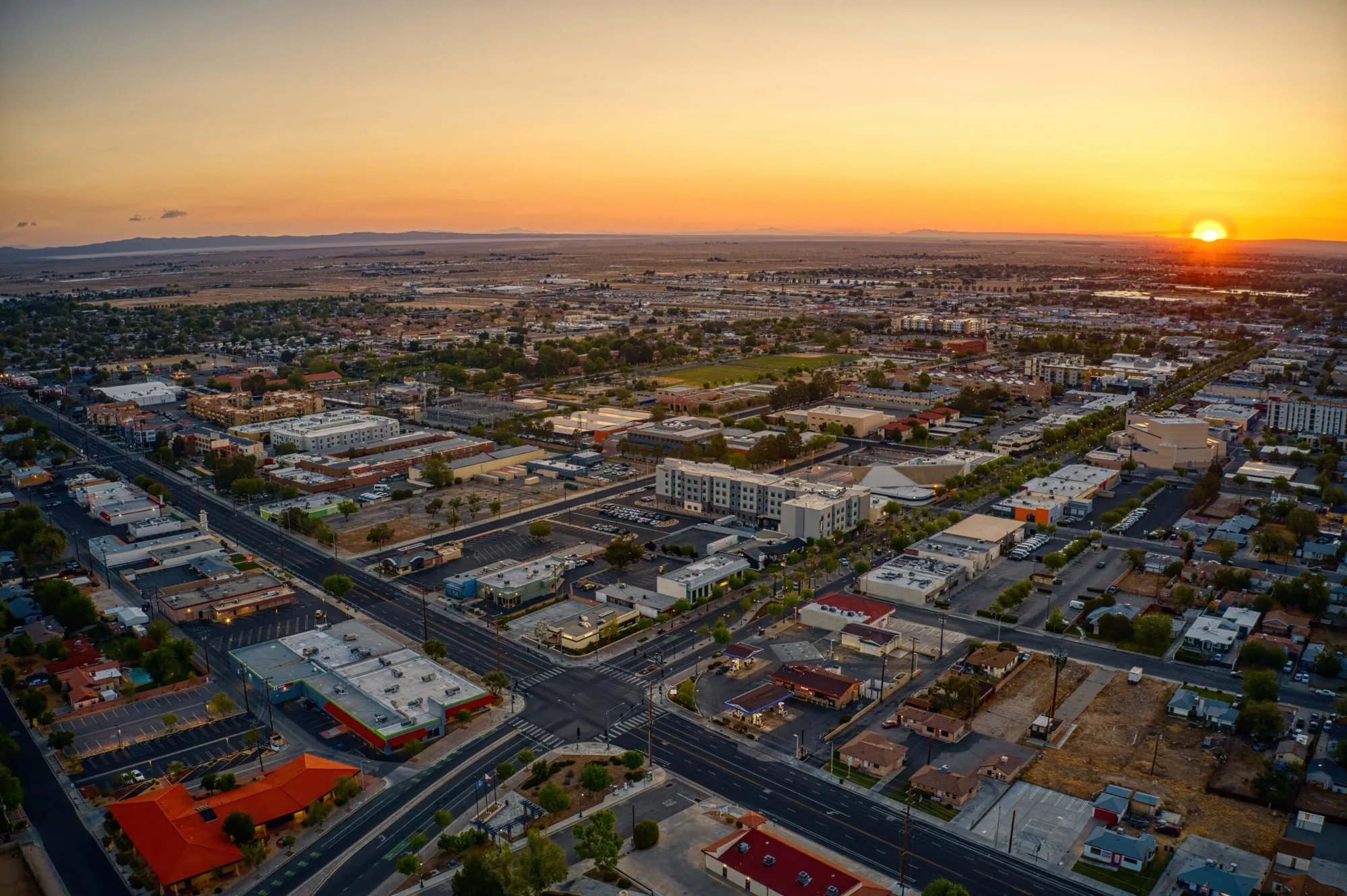
Littlerock lies east of Palmdale in the southeastern Antelope Valley. The station's July normal daily high reaches at least 90°F on all 31 days, a useful reminder to inspect exposed laps and sealants after the hot season. We inspect exposed membranes, sealants, and rooftop equipment for movement and wear. We inspect for movement at laps and penetrations, then map each finding to a roof area so an owner can separate urgent water control from planned maintenance. For portfolios reaching farther west, we can schedule a distinct commercial roof assessment in Palmdale.
Prepare for access before the roof walk
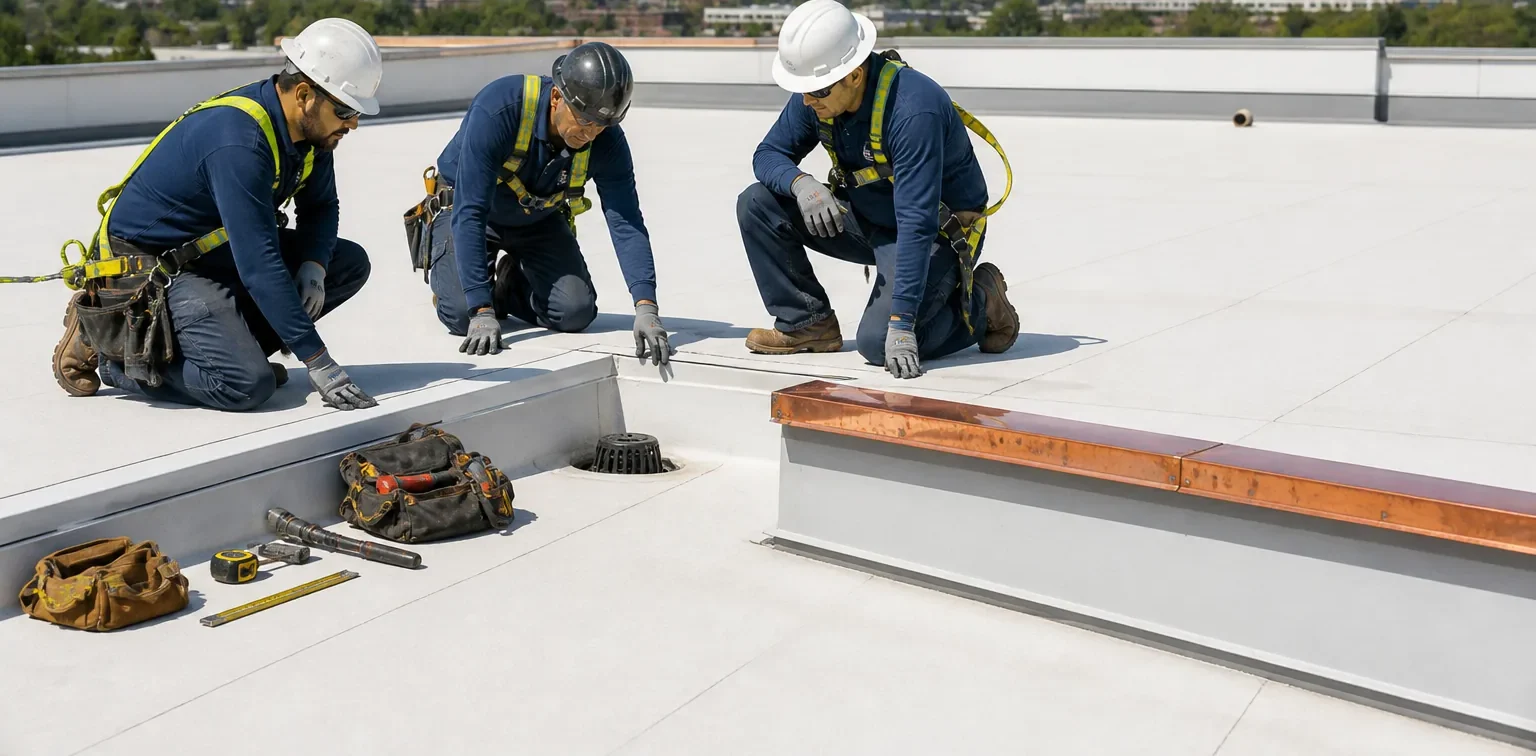
At the first call, we ask where the leak or concern appears, which areas remain occupied, and how roof access is controlled. The inspection identifies the membrane or metal system where visible, records seams and transitions, and checks drains, scuppers, curbs, and edges. If trucks or storage operations are part of a property's use, the owner can identify movement, staging, and safety rules that affect when a crew may work. Those operating details set the staging plan and work window for the selected property.
The visit should leave the manager with more than a collection of close-up photographs. We label each image with a roof zone, note the path taken to reach it, and record whether a condition is active, repaired, or still under observation. A wider reference view helps a later crew locate the same seam or penetration. If the roof plan is outdated, we can mark the visible sections and flag any boundary that needs confirmation. A commercial roof inspection gives ownership a baseline before repair decisions are made.
Connect a leak report to the roof path
Water entering above a storage or work area can follow a deck flute or insulation joint before it appears indoors. We compare the timing of the report with roof conditions along nearby seams, flashing, drains, and equipment curbs. Infrared readings can help identify moisture patterns under suitable conditions, while a test cut may be needed to confirm what is beneath the membrane. Each method answers a specific question; the report describes its limits so the owner can tell what has been established and what remains open.
When evidence supports a localized repair, the estimate names the failed detail and shows where new material will tie into the existing roof. Loose surface material, contaminated membranes, wet insulation, or damaged decking may extend that boundary. We photograph concealed conditions as they appear and pause for approval when they change the authorized work. If water is active, commercial leak repair can first address the path and protect interior operations, followed by a separate permanent scope where needed. No single town-center designation determines the size of that scope.
Inspect the details that carry thermal movement
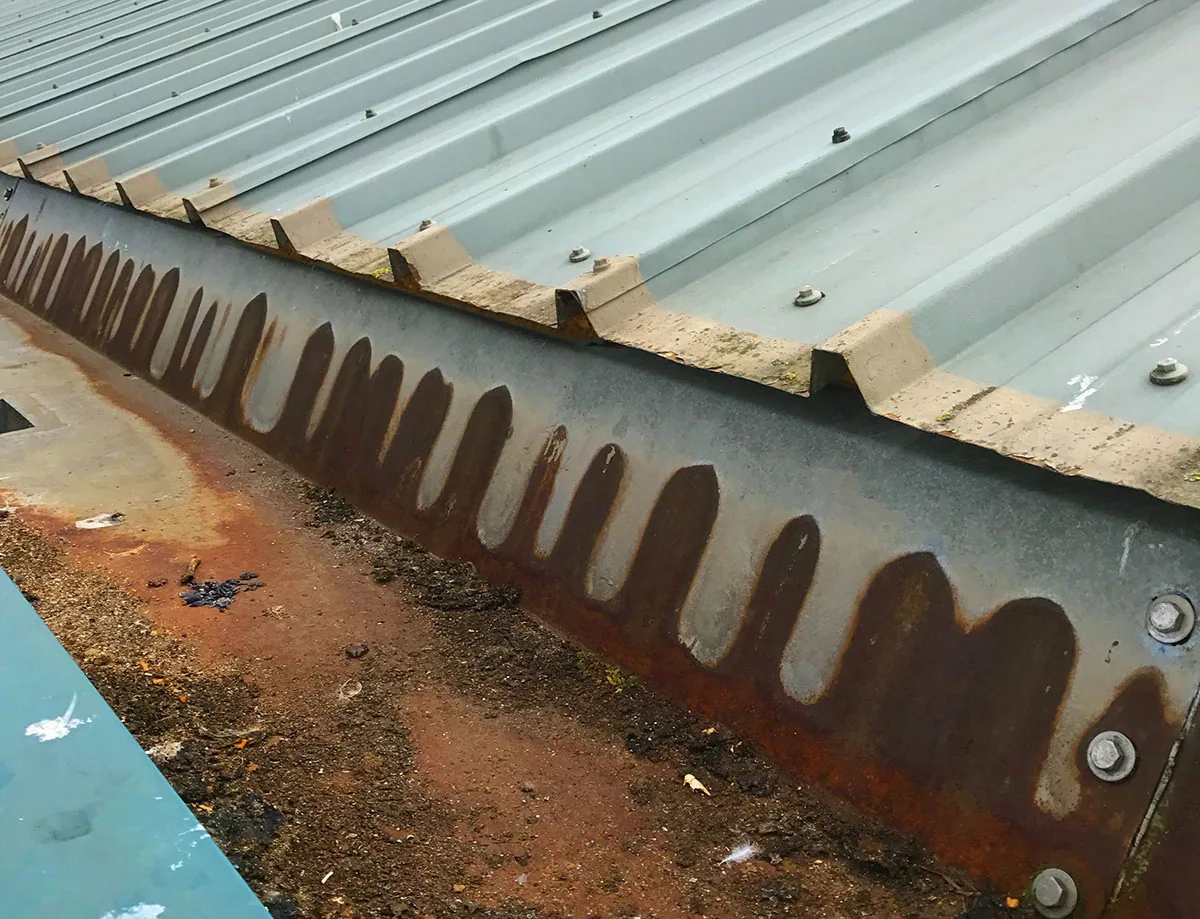
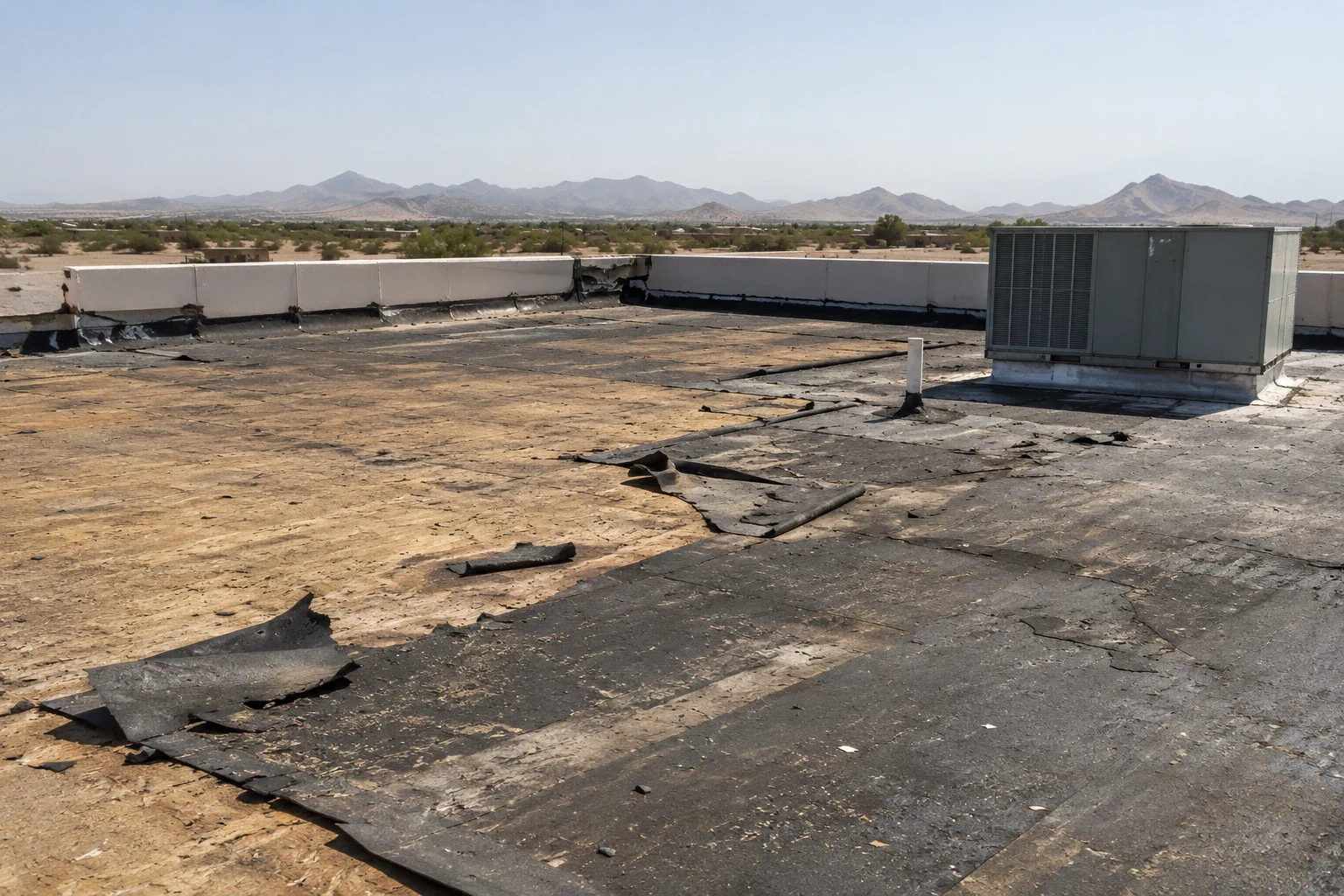
Daily temperature changes load roof seams, metal edges, sealant joints, and penetrations. Across the 1991-2020 record, William J. Fox Field's mean daily low is 31.3°F in January and 67.2°F in July. During maintenance, we look for sealants and patches that have stiffened or pulled away through cooler conditions, especially at roof edges and penetrations. On the roof, we look for the physical evidence: opened laps, brittle sealant, displaced fasteners, loose edge metal, cracked patches, and movement around supports or wall transitions.
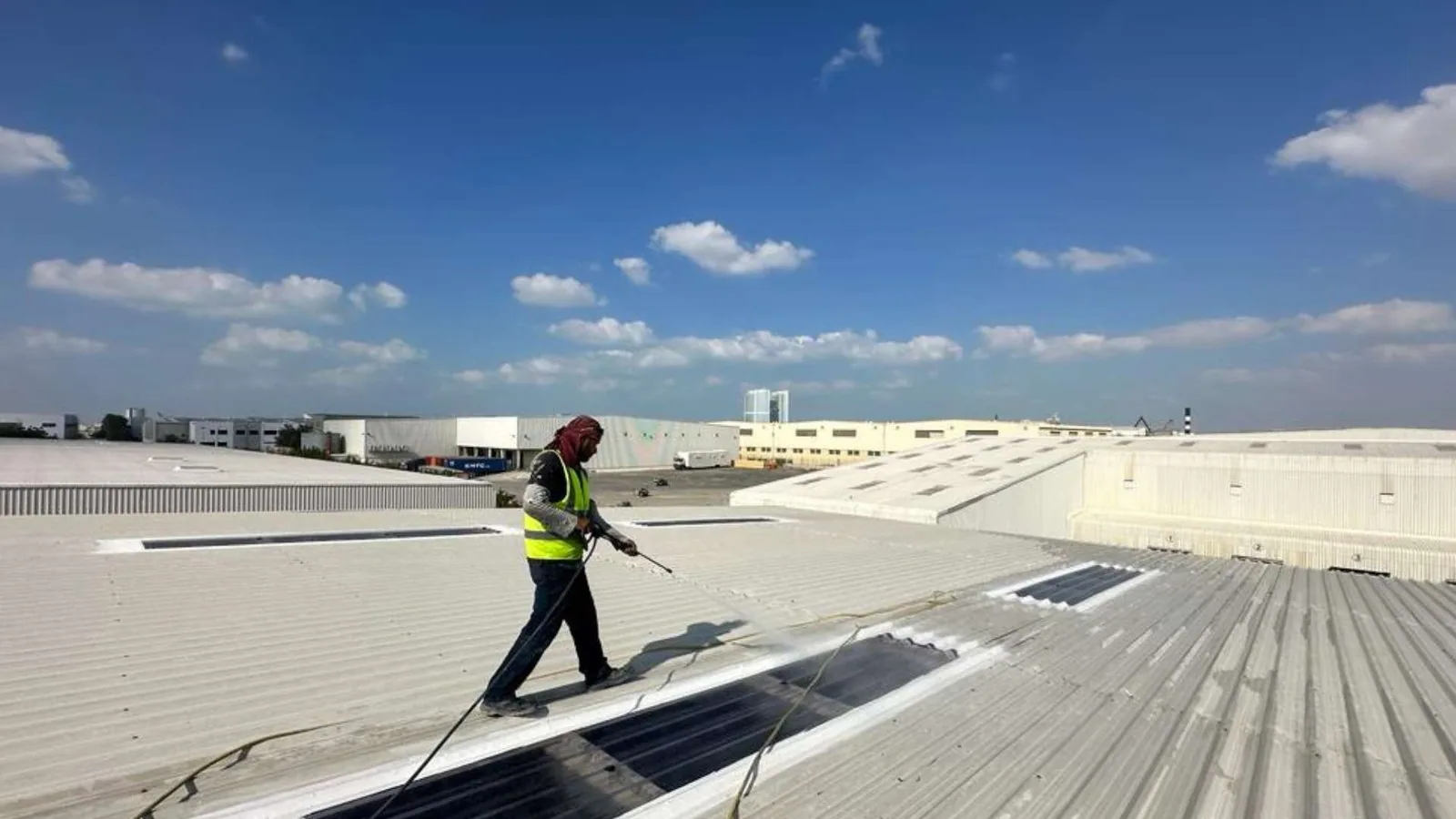
A maintenance visit can also identify where traffic or equipment service may be wearing the membrane. We note pads, walk paths, pipe supports, and locations where a trade has changed a flashing. A repair made around one penetration can fail again if its base or support continues to move. The inspection record should specify whether the detail was stable at the visit and whether follow-up is needed after the next service call. Preventive roof maintenance can combine these checks with outlet clearing, photo updates, and a prioritized list for the next property review.
Choose a scope that matches the failure
Different roof failures need different preparation. A split seam needs compatible material and sound bonding surfaces; damaged flashing requires a continuous tie-in at the wall or curb; a blocked drain calls for a clear flow path and inspection of the surrounding membrane. We describe the repair steps in observable terms, including surface preparation, removal limits, and how the finished area will be checked. That detail gives the owner a way to compare proposals and judge whether a quoted repair addresses the failure or only covers its visible symptom.
If the inspection finds damage in several separate zones, broad moisture, or recurring failures after repair, continued patching may be an inefficient use of the roof reserve. We can compare repair, recover, and replacement after checking the existing layers, deck, drainage, and attachment. A recover must not add weight or cover moisture that needs removal; where removal is indicated, the sequence should include temporary weather protection. For a larger project, commercial roof replacement planning should identify the work areas, access, sequencing, and the decisions that require owner approval.
Keep road-facing operations in view
Where a business serves travelers or handles truck storage, roof work may need to preserve vehicle access, clear sightlines, and safe movement around materials. The site contact can identify approved staging areas and any operating windows that limit lift placement or deliveries. We plan the work zone with those controls in mind and explain when temporary barriers or a partial closure are needed. Before staging material near Pearblossom Highway, the property contact confirms site access, traffic controls, and any required approvals.
Closeout should record the completed repair, its roof-zone location, photos, and remaining observations. Keep the record with any drawings, warranty documents, maintenance notes, and interior leak reports so another manager can follow the history. For Littlerock properties, we can inspect the roof and prepare a clear scope for immediate correction or future budgeting. If ownership includes another property along Pearblossom Highway, a commercial roof assessment in Pearblossom can be scoped to that building. Our roof condition reporting supports that handoff.
Commercial Roofing Questions
Does truck storage mean a building has a particular roof system?
No. Truck storage is among the uses in Littlerock’s town center. We confirm the selected building’s membrane, metal details, deck, drainage, access, and roof condition during inspection.
Can roofing work be staged around deliveries or vehicle activity?
Yes, the plan can reserve access lanes and define staging times with the site contact. We confirm the movement pattern, roof access, and safety controls before pricing the sequence.
What if an interior leak appears well away from the roof defect?
We trace likely water paths through the roof assembly and compare them with the interior report. Moisture can move beneath the surface, so a close-up at the stain alone is not enough to set a reliable repair boundary.
How do heat and cool nights affect commercial roof details?
Materials expand and contract at different rates. Repeated movement can stress a seam, metal edge, patch, or penetration flashing, so we document those details and compare them with the surrounding membrane before choosing a correction.
When is it time to discuss replacement instead of another patch?
Several failed areas, recurring repairs, wet insulation, or compromised deck can shift the decision toward broader work. We document the affected zones and compare repair, recover, and replacement based on the assembly's condition.