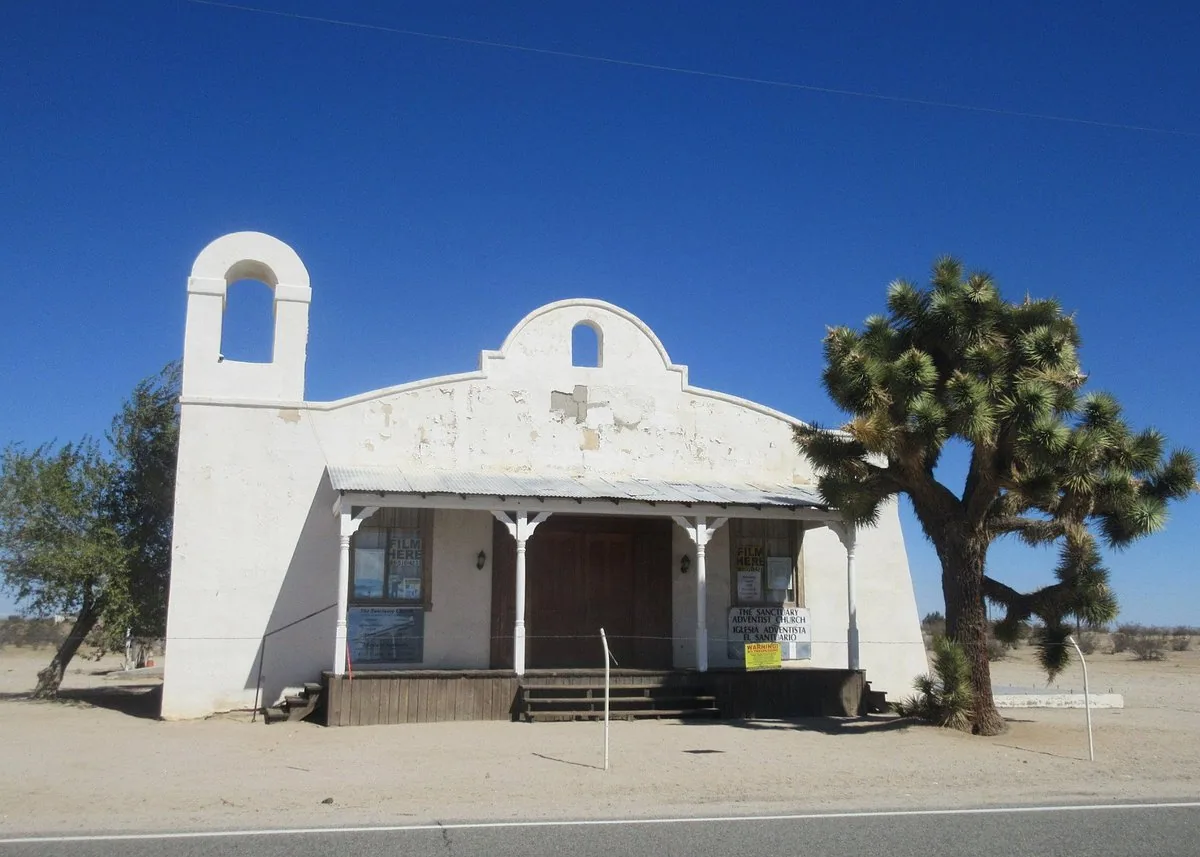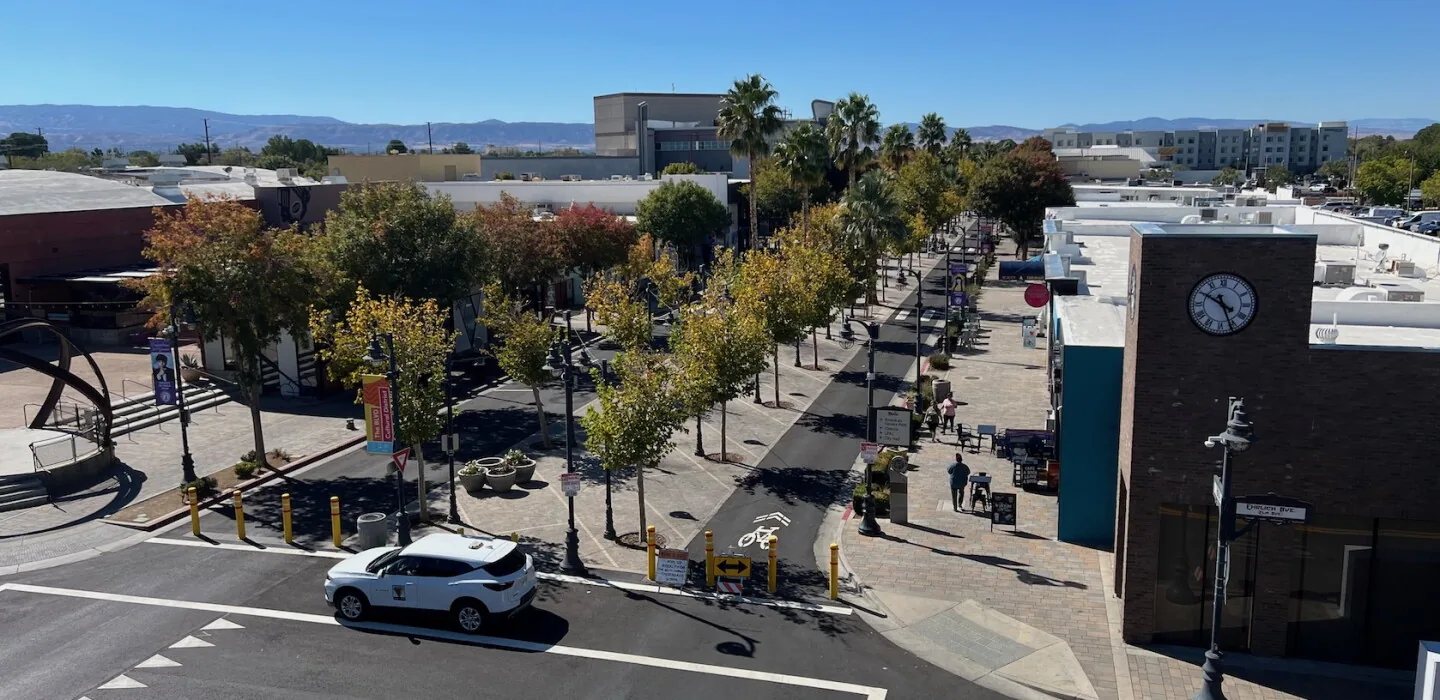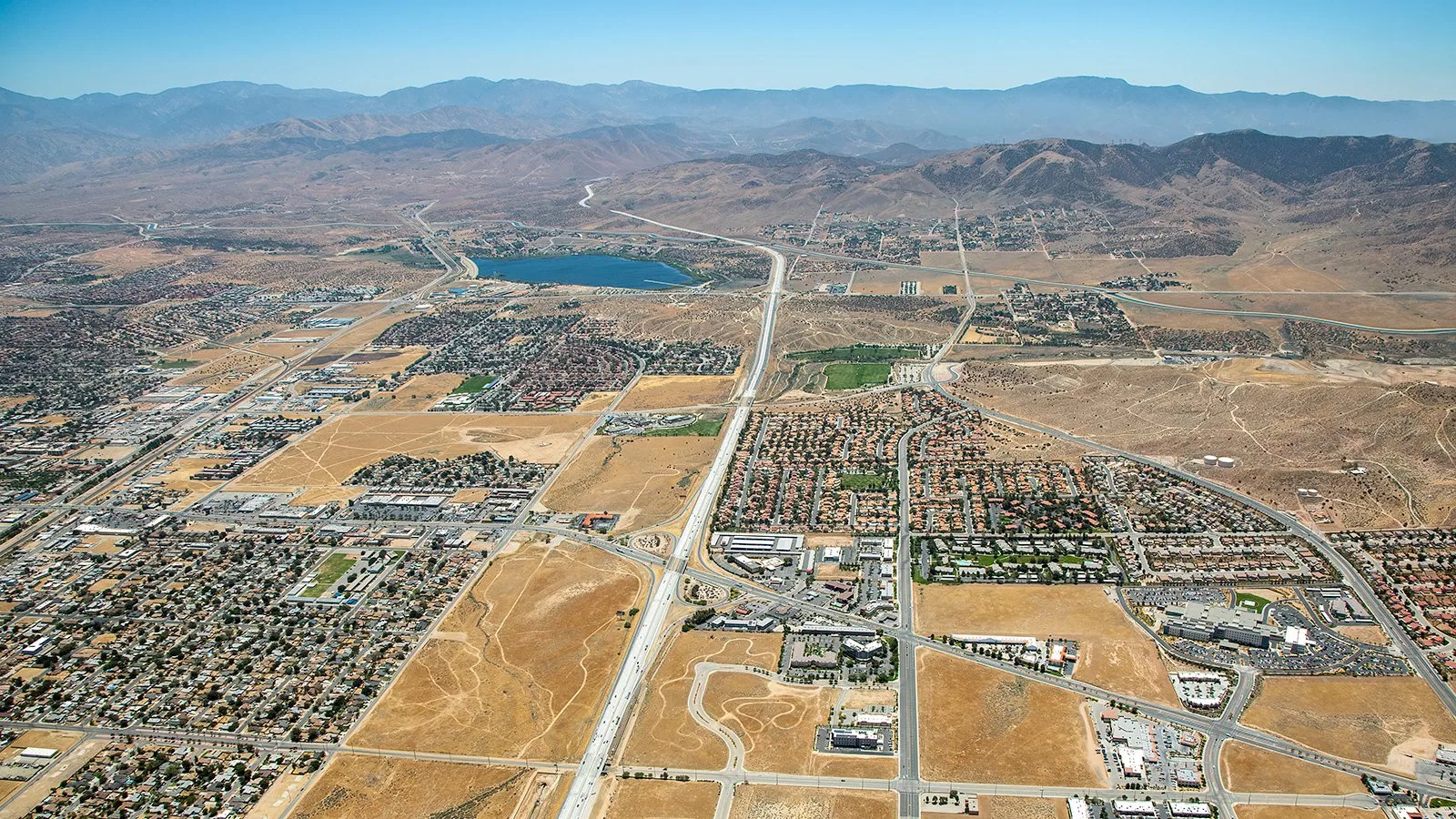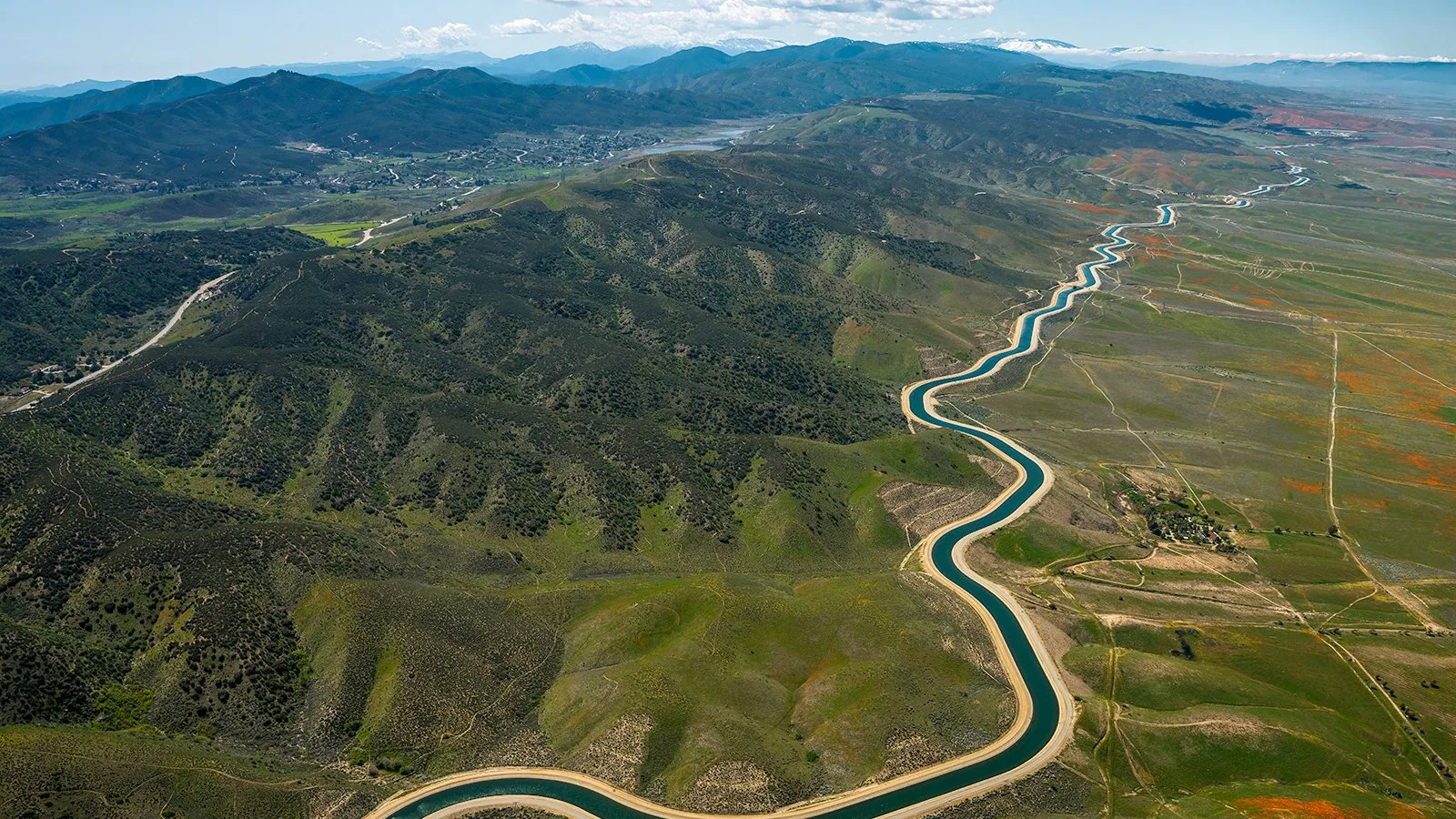
The repair boundary matters most where a roof serves more than one purpose: protect the interior, carry service equipment, and move rain toward an outlet without sending it across a seam. Pearblossom's rural town center lies along Pearblossom Highway between 121st Street East and 133rd Street East. The County designates the center for Rural Commercial or Light Industrial uses serving residents and local employment. That tells an owner about the broader place, while the building's roof assembly and condition still require a field review.
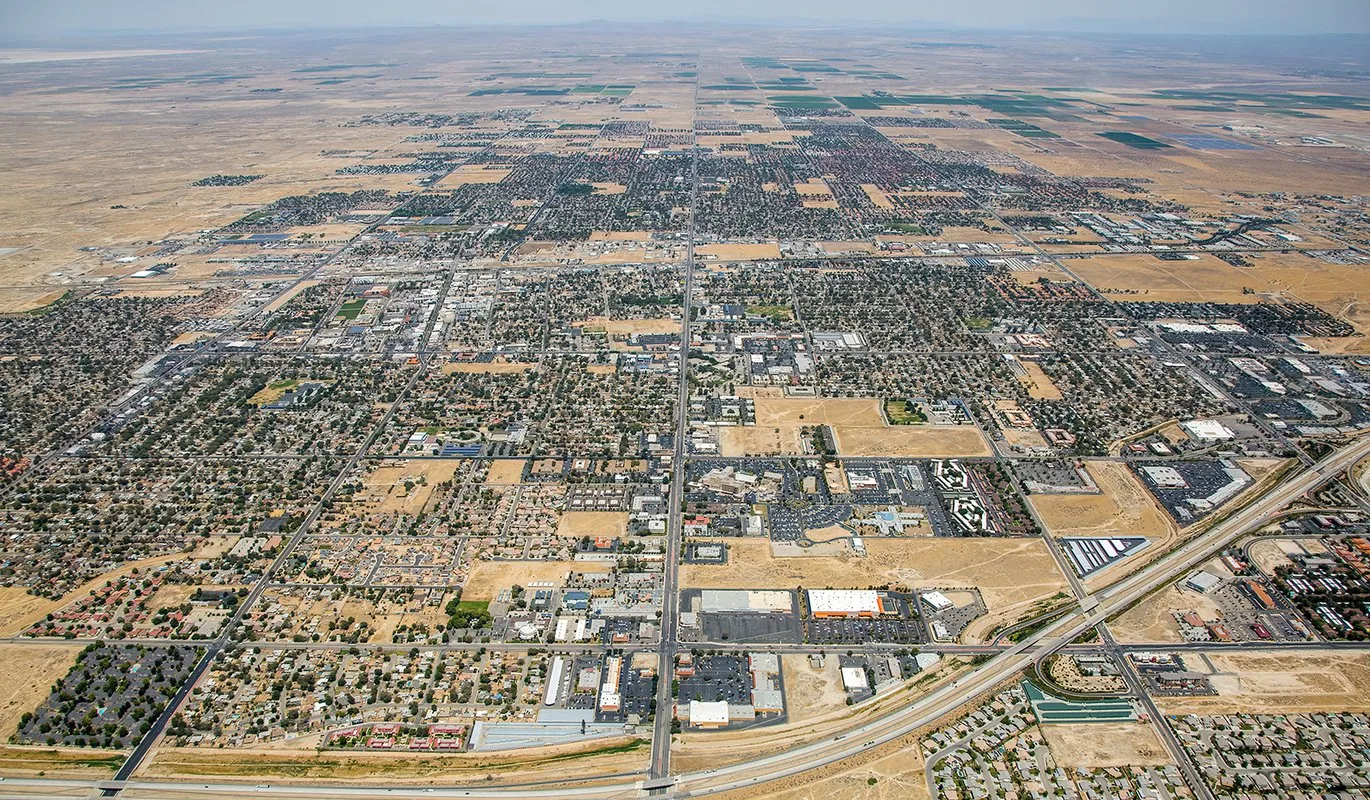
Pearblossom sits on the highway between Littlerock and Llano, giving the town a clear regional context. At the Lancaster station, 6.81 inches is the 1991-2020 normal annual precipitation, with most of that normal falling from November through March. Lancaster's station provides regional climate context for a practical inspection question: does every drain, scupper, and overflow path remain open when rain arrives? We document the roof and can schedule a separate Littlerock commercial roof inspection for another property along the route.
Set a clear baseline for the roof
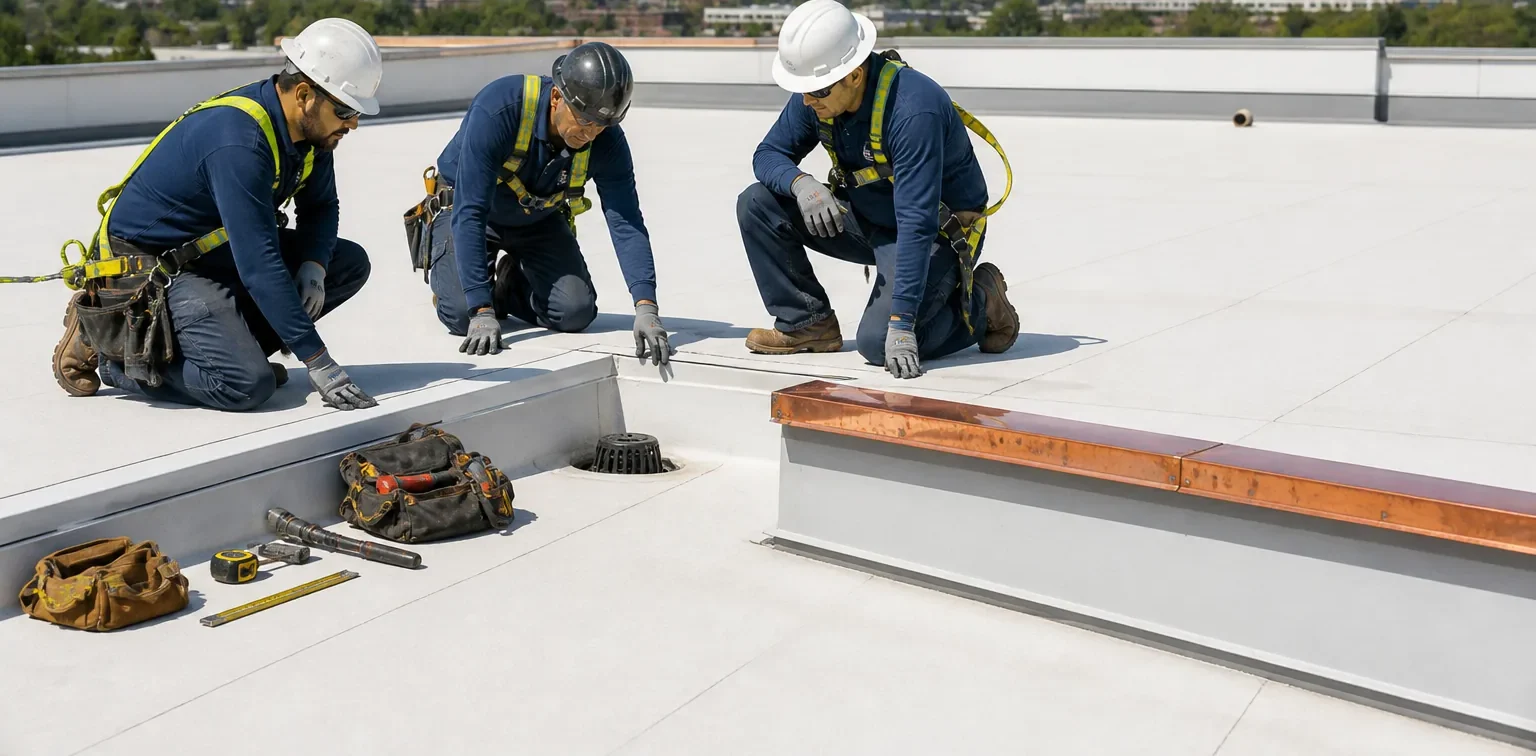
Before recommending work, we identify safe access, visible roof materials, seams, edges, wall lines, penetrations, drains, and prior repairs. The inspection record connects each condition to a named roof zone, with photographs that show both the detail and enough surrounding area to locate it later. If records say a roof was coated or repaired, we compare that description with what remains visible rather than relying on the old entry alone. Missing drawings can be marked up during the visit, with uncertain boundaries called out for confirmation.
The town center's Rural Commercial and Light Industrial designation supports a broad service-area description, not a conclusion about a specific property. A site may be occupied, storage-oriented, or used for local services, but the owner provides the operating details that shape access and scheduling. We confirm which rooms need interior protection, whether equipment vendors must coordinate, and who can authorize a change in scope. For a facility with ongoing use, occupied-building roof work can be planned in zones that preserve safe entry and a predictable sequence.
Trace water across seams and transitions
A stain in one room can result from an opening at a remote curb, seam, or wall transition. Water follows the path offered by the assembly and may travel through insulation before reaching an interior surface. We compare reported timing and location with nearby roof details, inspect the drainage route, and map any observed moisture pattern. Infrared review and test cuts can answer different questions, so we explain where each method was used and what it can establish before naming the repair limit.
When a seam or flashing has failed, preparation is as important as the patch material. Dust, loose coating, incompatible sealant, or movement at the substrate can undermine a repair that looks complete on the day of installation. We identify the condition of adjacent surfaces and specify how the tie-in will be made. If concealed wet insulation or damaged decking appears during opening, we photograph the finding and pause for approval before expanding the work. Commercial roof repair should leave a boundary the owner and crew can both identify.
Protect the path from low point to outlet
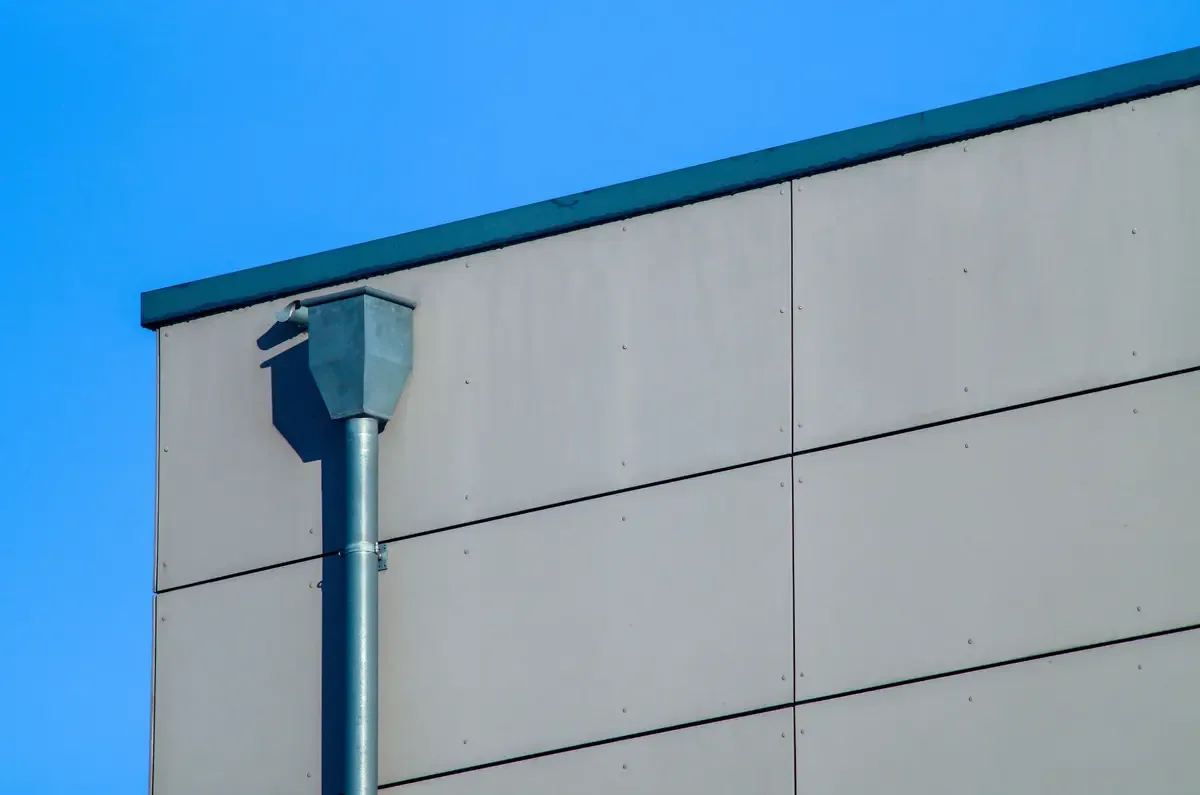
A dry climate can make drainage maintenance feel less urgent, yet debris at an inlet or low point can hold water against a seam when a concentrated storm arrives. We inspect the surface leading to each outlet, clear only approved debris, check strainers and scuppers, and photograph areas where flow appears restricted. If water marks, sediment, or recurring ponding are visible, the record notes their location and the next diagnostic step. Correcting the outlet without checking the membrane around it can leave the entry condition untouched.
During the same visit, we review edge metal, coping joints, parapet flashings, penetrations, and sealant that has hardened or separated. Seasonal heat and temperature change place repeated movement on these transitions. Lancaster's station normal daily minimum is 31.3 degrees in January and 67.2 degrees in July, a broad regional temperature swing; exposed daytime roof surfaces take on additional heat. We use that context to inform the walk but rely on the building evidence to identify actual stress. Drain and scupper repair can be paired with scheduled roof maintenance when the scope supports both.
Compare repair with a larger renewal
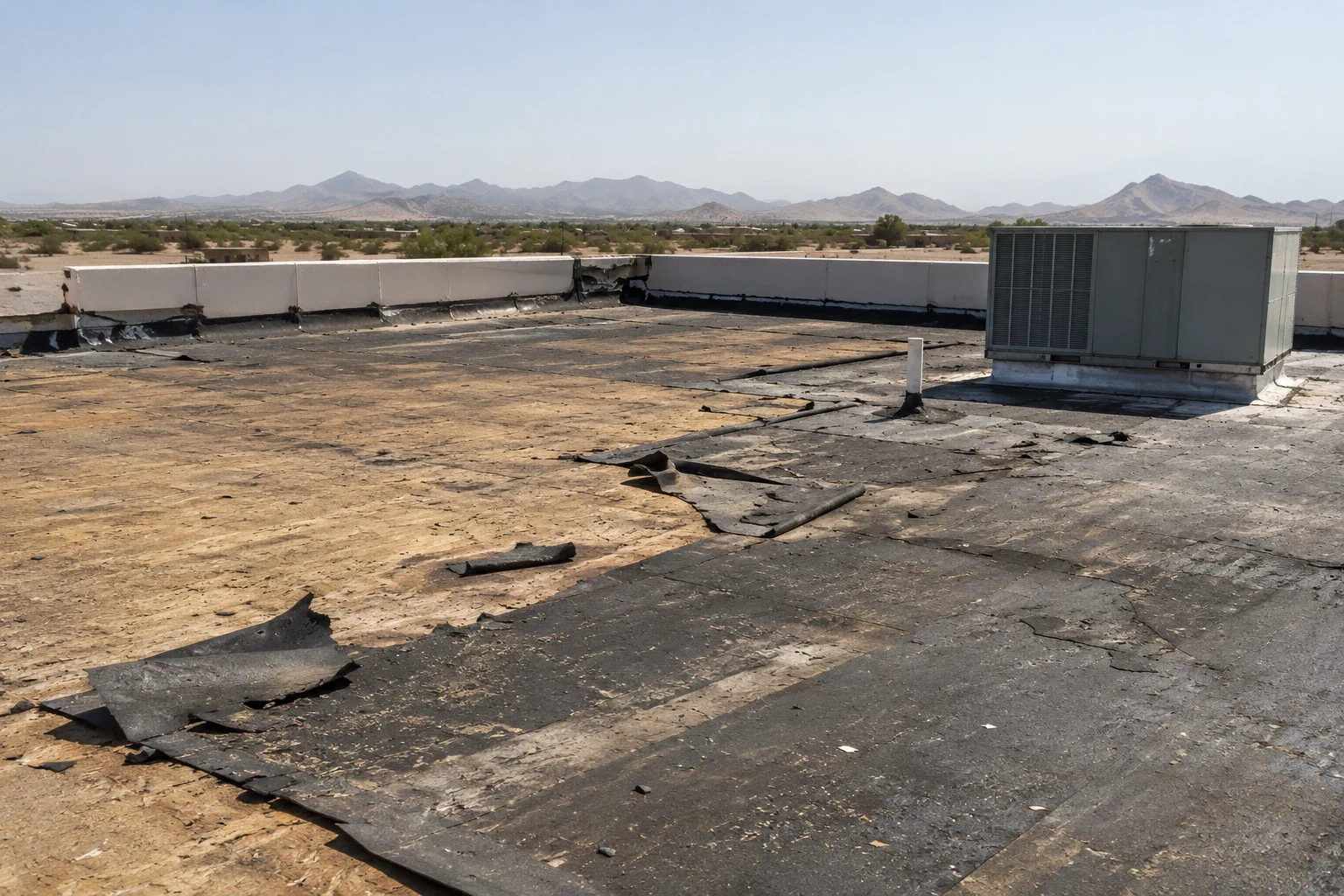
One localized failure with dry, stable materials around it may justify a targeted correction. Several separate leak locations, a recurring seam failure, or moisture across an insulation field can point to a broader problem. We map the affected areas and explain what remains serviceable so ownership can weigh repair against recover or replacement. The proposal should identify the conditions that would change the recommendation, such as a test cut finding wet insulation or a substrate that cannot support a dependable tie-in.
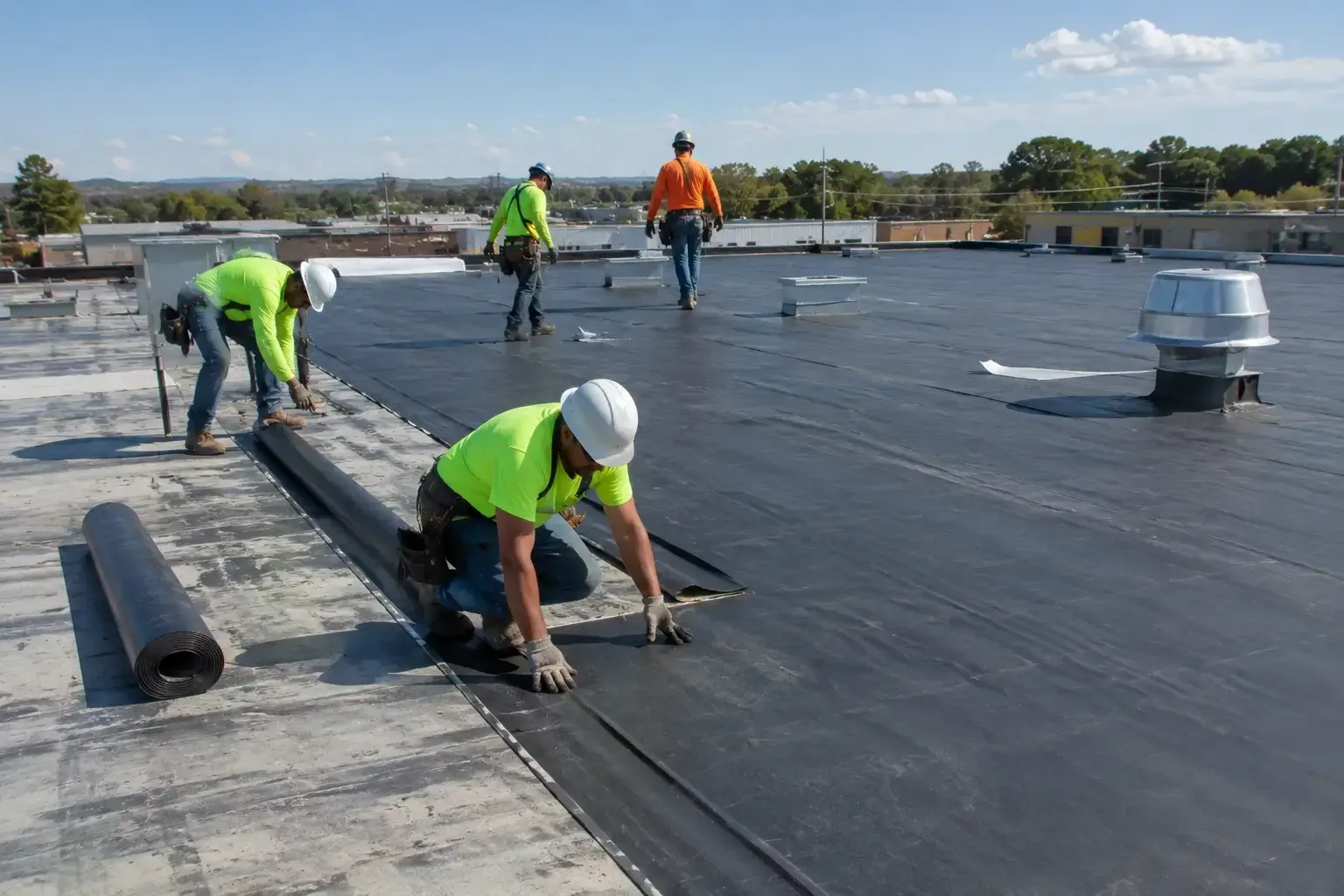
Before a recover, we check the existing layers, attachment, drainage, deck, and code requirements. A new surface is not a remedy for trapped moisture or inadequate drainage. If replacement is better supported, we sequence removal, temporary weather protection, equipment coordination, and safe access by roof zone. When removal is part of the scope, we identify temporary dry-in areas and the sequence for exposing and closing each roof section. We can prepare commercial roof replacement options after the inspection establishes which work is necessary.
Plan work around the building's daily use
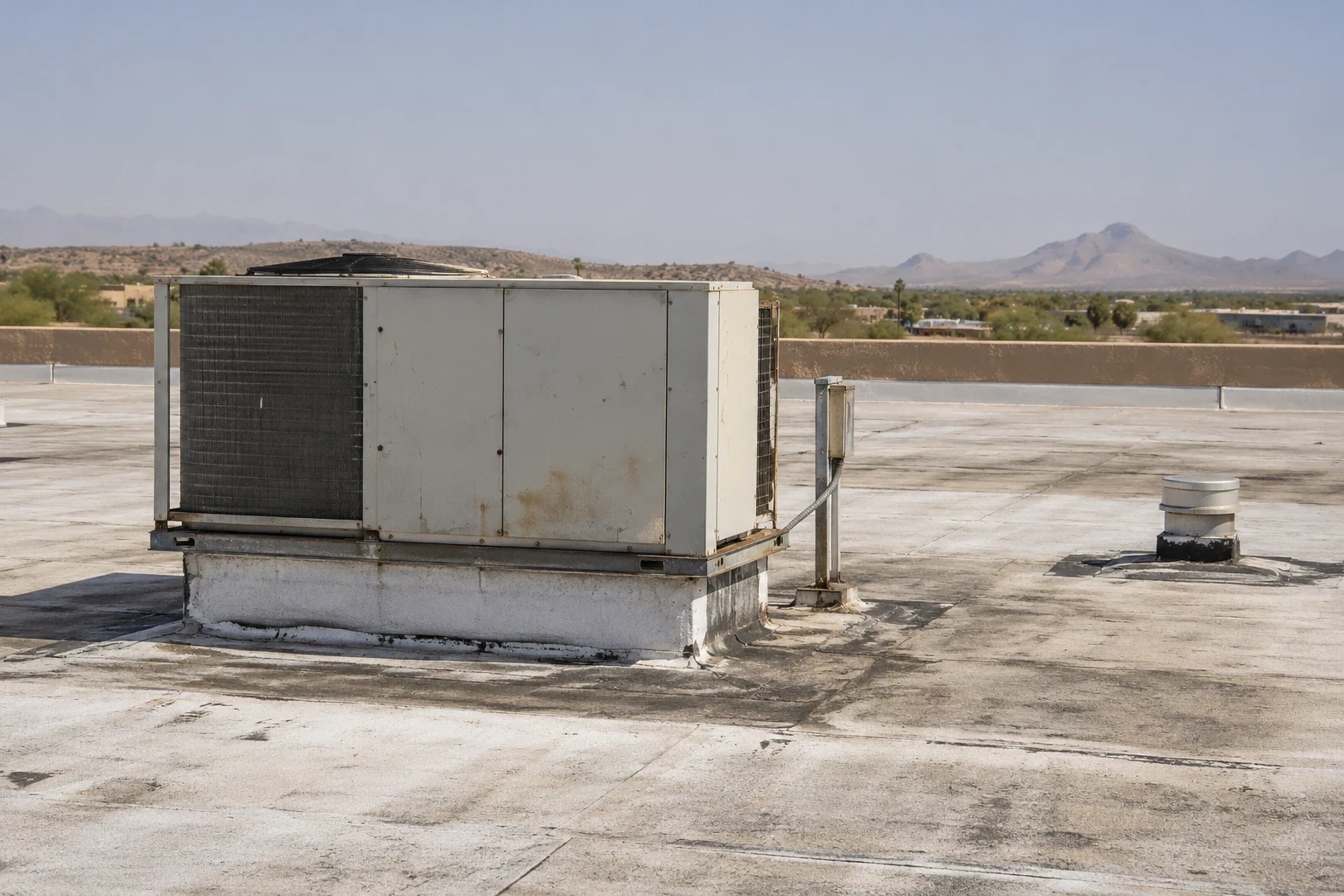
A small repair still requires a schedule, a safe material route, and a plan for the space below. We confirm whether customers, employees, or deliveries use the affected entrance, when roof access is available, and whether noise or temporary barriers will interrupt operations. If another trade must move a unit or protect wiring, we name that dependency before mobilization. The work plan can then sequence access, removal, installation, and end-of-day weather protection in a way the property contact can communicate.
At completion, the record should show what was repaired, where the work starts and stops, the materials used, and any observation that needs follow-up. Keep those photographs with leak reports, plans, and maintenance history to make future comparisons useful. Pearblossom properties receive their own findings even when an owner manages a nearby building in Littlerock or Llano. A Llano roof assessment can be scheduled separately, while a roof condition report helps ownership carry the Pearblossom decision into budgeting and maintenance.
Commercial Roofing Questions
What part of Pearblossom does the service-area name cover?
It refers to the Pearblossom community and its broader commercial service area, not one business or building. We confirm the property location and access needs before arranging an inspection.
Can roof drainage fail even when annual rainfall is modest?
Yes. A blocked drain or poor overflow path can hold water during a short storm. We check the outlet and surrounding membrane together so the correction addresses the path, not only the visible debris.
How do you distinguish a patchable seam from a wider roof issue?
We examine the seam, substrate, adjacent membrane, and moisture conditions. A localized defect can be repaired when the materials around it are sound; multiple failures or wet layers may require a larger scope.
Does the Rural Commercial or Light Industrial label affect roof selection?
It does not specify the assembly on a particular property. Roof selection depends on the actual deck, existing layers, drainage, building use, and requirements confirmed for the project.
Can work proceed without interrupting the business?
We plan around the access and operating limits supplied by the property contact. Some repairs can be phased, while work involving a roof opening, equipment shutdown, or protected entrance needs a more specific sequence.