A roof claim file needs clear observations and a repair scope the property team can trace back to the building. We inspect the affected areas, photograph conditions, and identify temporary protection separately from permanent work. The owner can use that documentation in discussions with an insurer or adjuster. Coverage depends on the policy and the carrier’s review; our role is to describe roof conditions and the work supported by those findings.
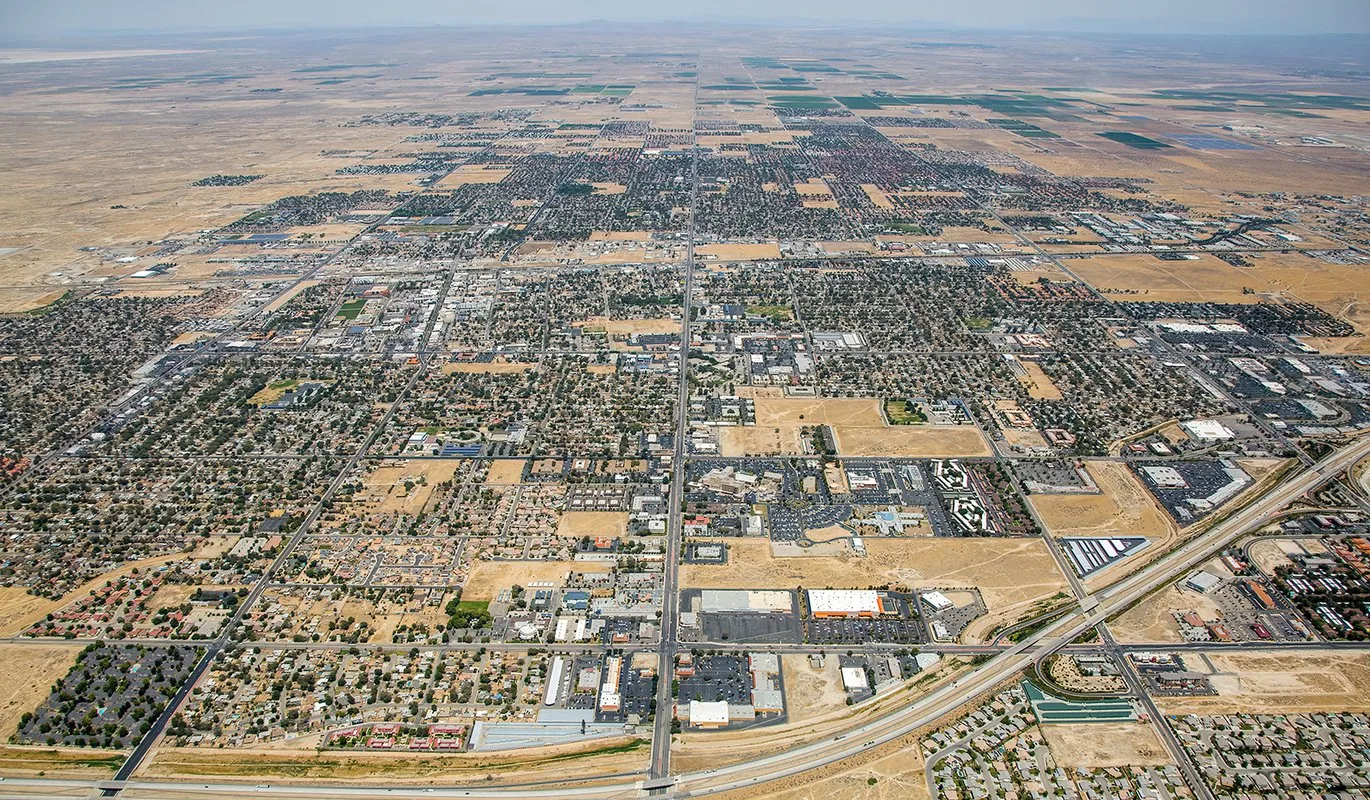
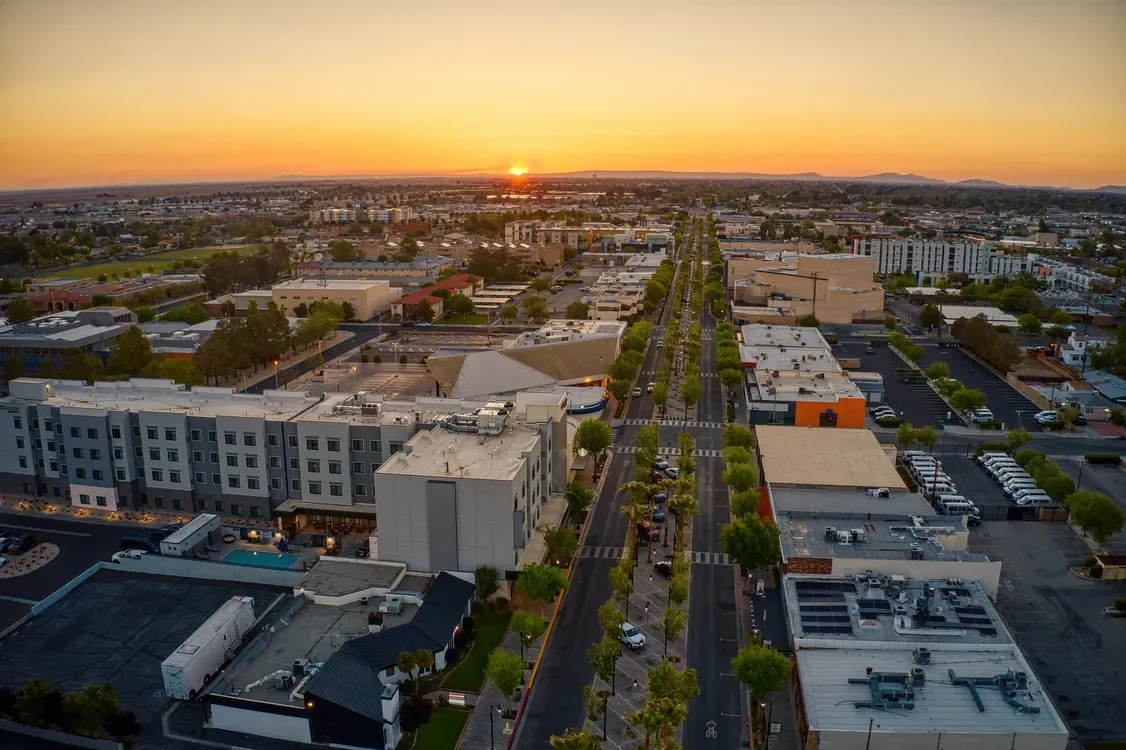
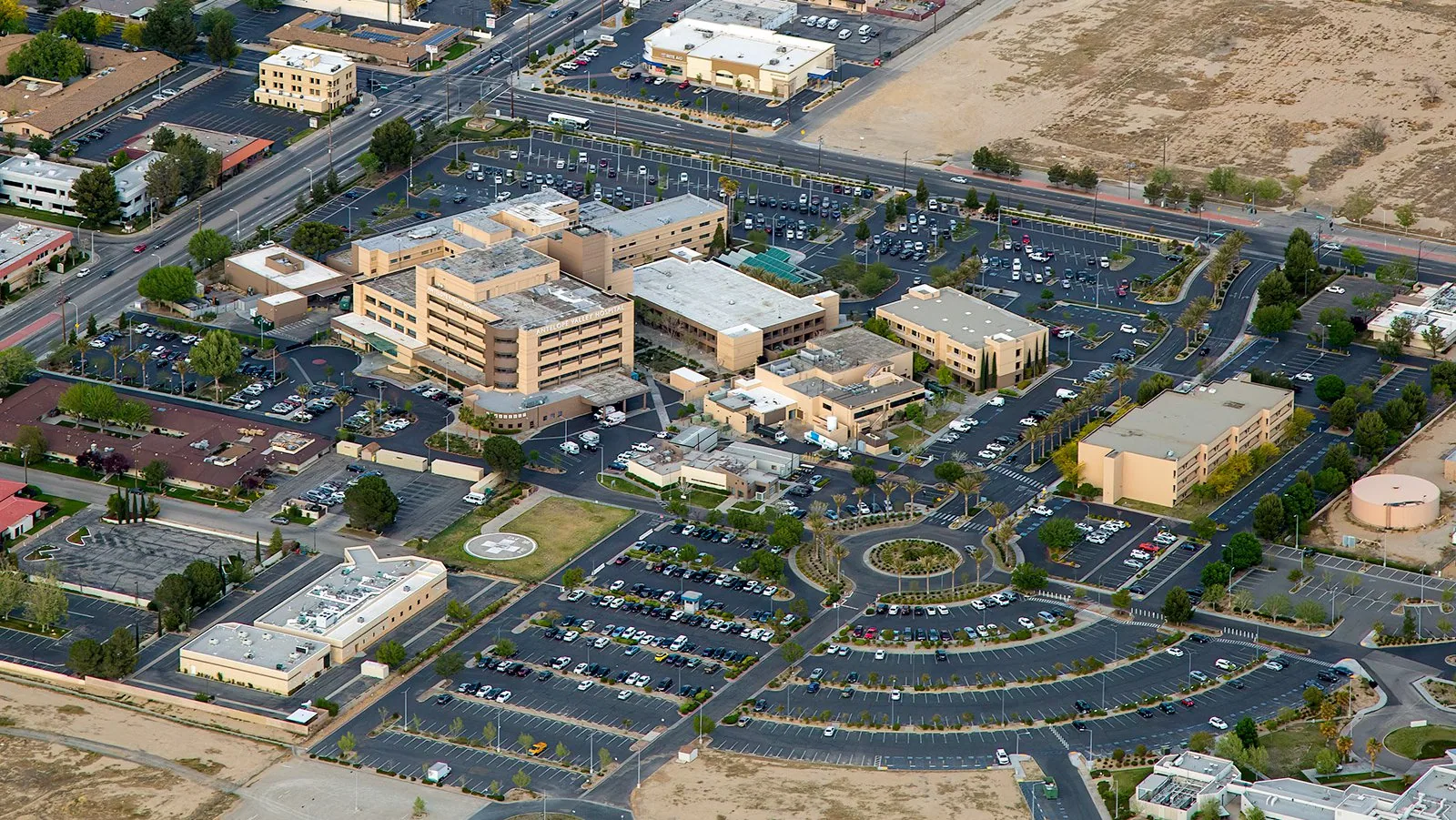
Lancaster properties include industrial areas such as the Fox Field industrial corridor and mixed commercial uses around Enterprise Business Park. Roof type, prior maintenance, and building operations shape what needs to be documented. We organize photos by roof section, describe the observed condition, and explain what remains uncertain so an owner can keep a usable record through the repair decision.
Build the File from the Roof Condition
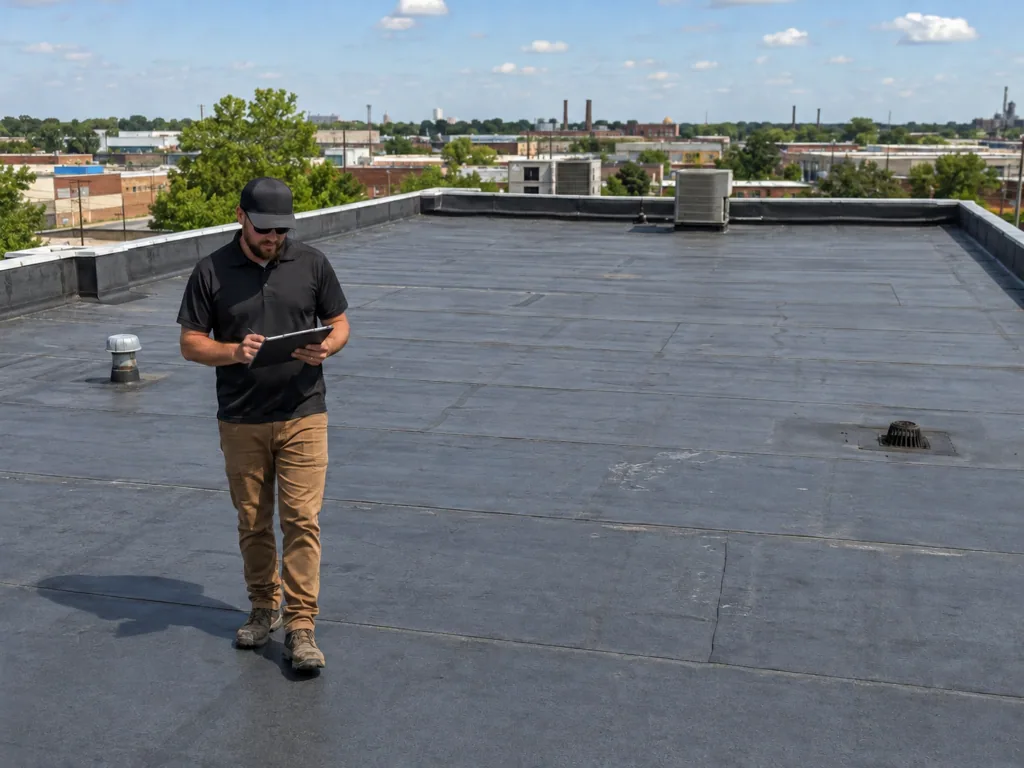
We begin with the reported date, affected interior areas, roof access, and available maintenance history. Prior leak calls, repair invoices, assembly records, and dated photographs can help establish what was present before the current condition. We compare those records with the roof walk and mark the areas inspected. If earlier documentation is missing, we state what the current inspection can establish and which questions remain open.
Photographs should show context and detail. A wide image locates the roof section; a closer frame records the split seam, displaced edge, puncture, or damaged flashing. We label each image with a roof-area reference and explain why it matters to the scope. An unlabeled photo of a surface mark is hard to compare with an estimate or later repair. We can include an annotated roof plan where several areas or buildings are involved.
The file separates observed conditions from likely cause. A roof defect noticed after a storm is not automatically proof that the storm caused it. We compare prior repairs, visible aging, work by other trades, and interior reports. Where timing or cause is unclear, we write that plainly rather than turning an assumption into a conclusion. The insurer and policy determine coverage; a roofing inspection documents the building evidence.
Keep Emergency Work Distinct from the Repair
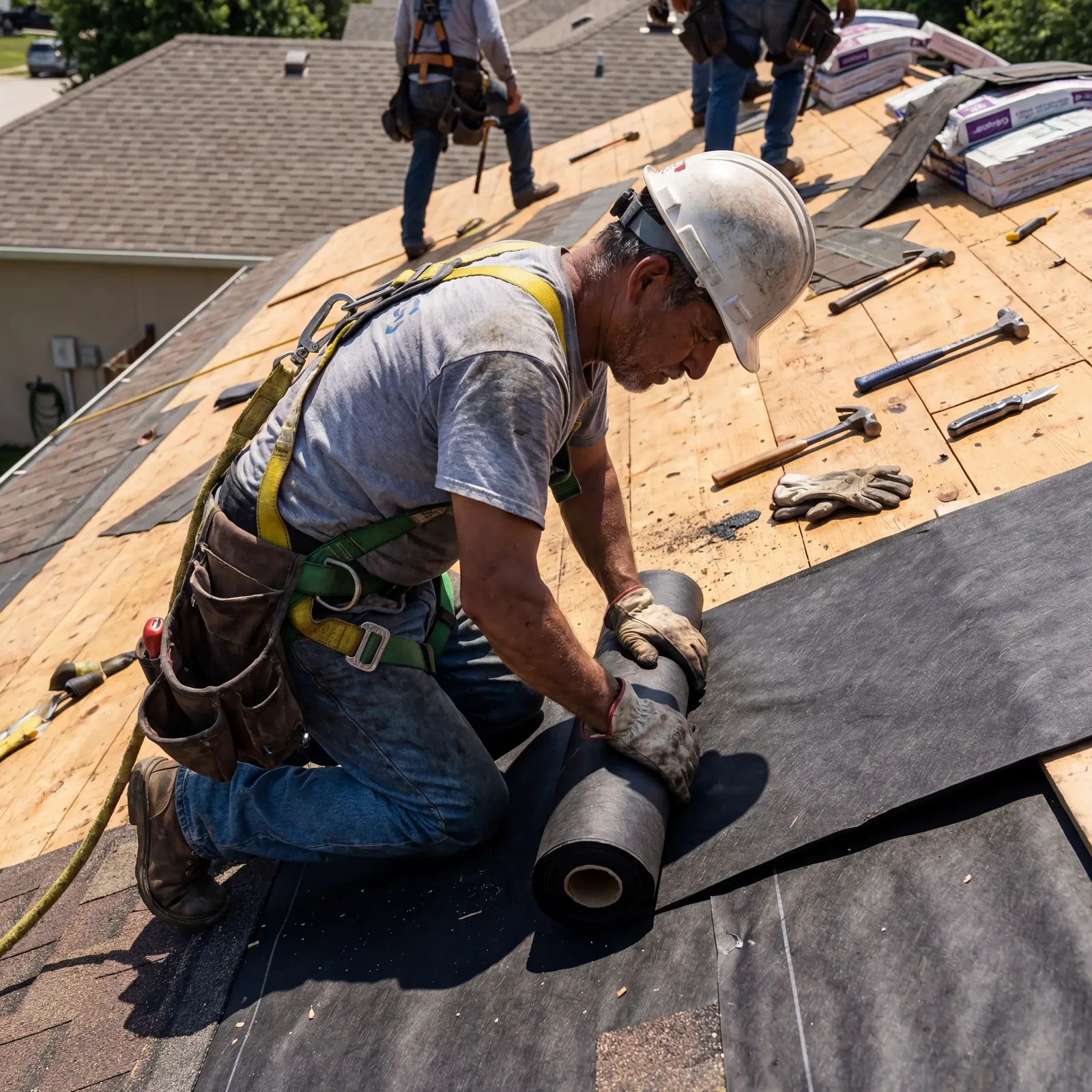
If water is active, the immediate task is to protect the building. We can place a temporary cover or dry-in when access and weather permit, photograph the opening first, and record what remains exposed. The temporary measure can reduce further interior damage, but it is not the permanent repair. The claim file should show the date, location, materials used for stabilization, and the planned next inspection.
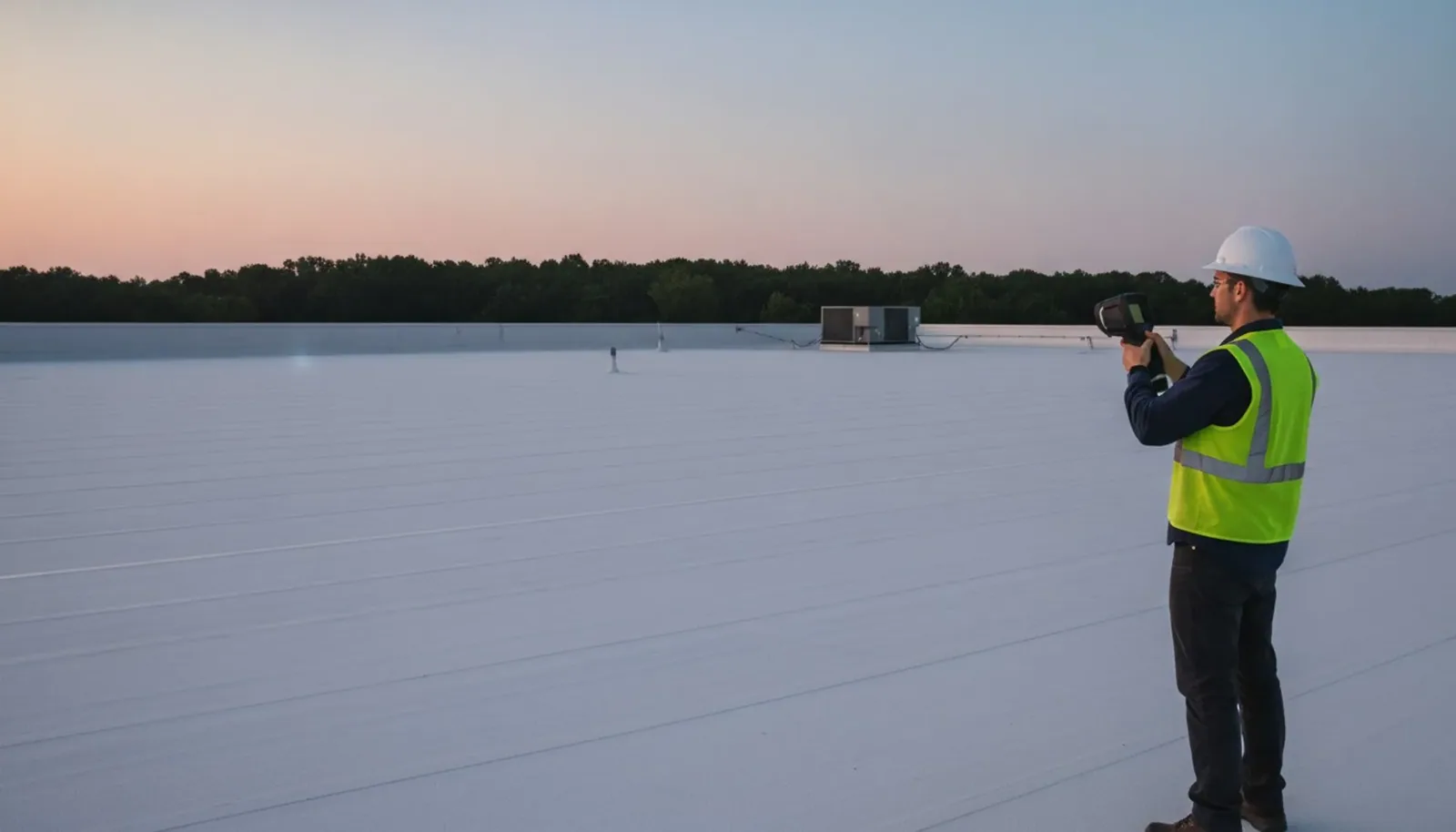
Once safe, we remove temporary protection and inspect the underlying area. Wet insulation, damaged cover board, or a wider membrane separation may change the repair boundary. A targeted infrared moisture survey and confirmation testing can help locate concealed wet material. We record which test points were opened and how they were restored. This creates a clearer basis for the permanent scope than pricing from a tarp or a ceiling stain alone.
For urgent leaks, emergency roof response can stabilize the roof while the assessment continues. The later proposal identifies work that restores the assembly and any conditions that may change after materials are removed. Separating those steps helps the owner compare the cost of temporary protection with the permanent correction without treating them as duplicate work.
Make the Repair Scope Easy to Review
A useful estimate defines the roof sections, materials, preparation, access, and repair limits. It states whether work includes membrane removal, insulation replacement, flashing, edge metal, drains, or interior protection. If concealed conditions could change the price after opening, the proposal identifies how that condition will be documented and approved. A scope should also separate urgent water control from optional work that addresses unrelated maintenance.
Existing assembly affects the repair. TPO, PVC, EPDM, modified bitumen, built-up roofing, and metal each require different details and compatible materials. We identify the roof system, note prior patches, and explain how the repair ties into sound material. If the roof has multiple layers or uncertain substrate conditions, we describe what must be confirmed before final quantities are known.
Industrial properties in Lancaster may have equipment, loading, or production schedules that affect roof access. The city identifies manufacturing, wholesaling, professional services, research and development, and trade schools within the Lancaster Business Park Specific Plan. We note the access requirements and any planned equipment interruption so the estimate reflects a workable sequence for the property. That context helps the owner review scope and timing with the facility team.
Coordinate Roof Access and Follow-Up
When an adjuster or consultant needs roof access, the property owner can coordinate a visit with the roofing team. We can point out the documented areas, explain visible conditions, and answer questions about the proposed repair. The policyholder remains responsible for claim communications and decisions. We do not interpret coverage language, negotiate a settlement, or promise that an insurer will approve a scope.
Some questions require additional access or testing. A review from the roof may not show moisture beneath the membrane; a core cut or infrared survey can provide evidence at selected points. We can explain what those checks involve, secure permission before opening the roof, and document the finished patch. If work must proceed before a claim review is complete, the owner should retain photographs and invoices for the work performed.
In a district with medical and commercial operations, such as the Lancaster Health District, inspection timing may need to account for interior access, mechanical schedules, and sensitive areas. A clear contact and roof map help keep the visit focused. We document whether an area could be reached and identify any part of the report that remains incomplete due to access limits.
Retain the Repair Record after the Claim
After the repair, we photograph completed details and record materials, locations, and any remaining maintenance item. The owner can add the estimate, invoices, test results, and correspondence to the property file. Roof condition reports keep those records connected to future inspections; warranty management can track documents and repair requirements for covered work.
A retained record is useful even when no claim is filed. It shows which roof area was repaired, what material was used, and whether the water path changed afterward. If a later leak appears nearby, the facility team can compare photographs before deciding whether it is the same detail or a separate concern. This avoids relying on memory or a short work-order label.
Request an assessment when a commercial roof condition needs documentation for a repair or insurance file. We will inspect the affected sections, prepare photographs and findings, and define the permanent work supported by the roof evidence. The owner can then provide that record to the insurer and decide how to proceed under the policy.
Commercial Roofing Questions
Does your report decide whether the insurer covers the roof repair?
We document roof conditions and the repair scope supported by inspection. The insurer reviews the policy and claim materials and makes the coverage decision.
What records should we gather before the inspection?
Prior repair invoices, roof plans, warranty documents, maintenance notes, dated leak reports, and photographs can help establish the roof history. We will note when records are missing and what the current inspection can still show.
Can the roof be protected before an adjuster visits?
If water is active and access is safe, temporary protection may be needed to limit further exposure. We photograph the condition before covering it and document the stabilization work for the property file.
Can you meet the adjuster on the roof?
The owner can coordinate a site visit, and we can identify the inspected areas and explain our observations. Claim communications and policy decisions remain with the property owner and insurer.
What if the full repair scope is not visible until tear-off?
The proposal should state how concealed conditions will be documented, priced, and presented for approval. We photograph conditions as the roof is opened and separate confirmed work from any additional scope.