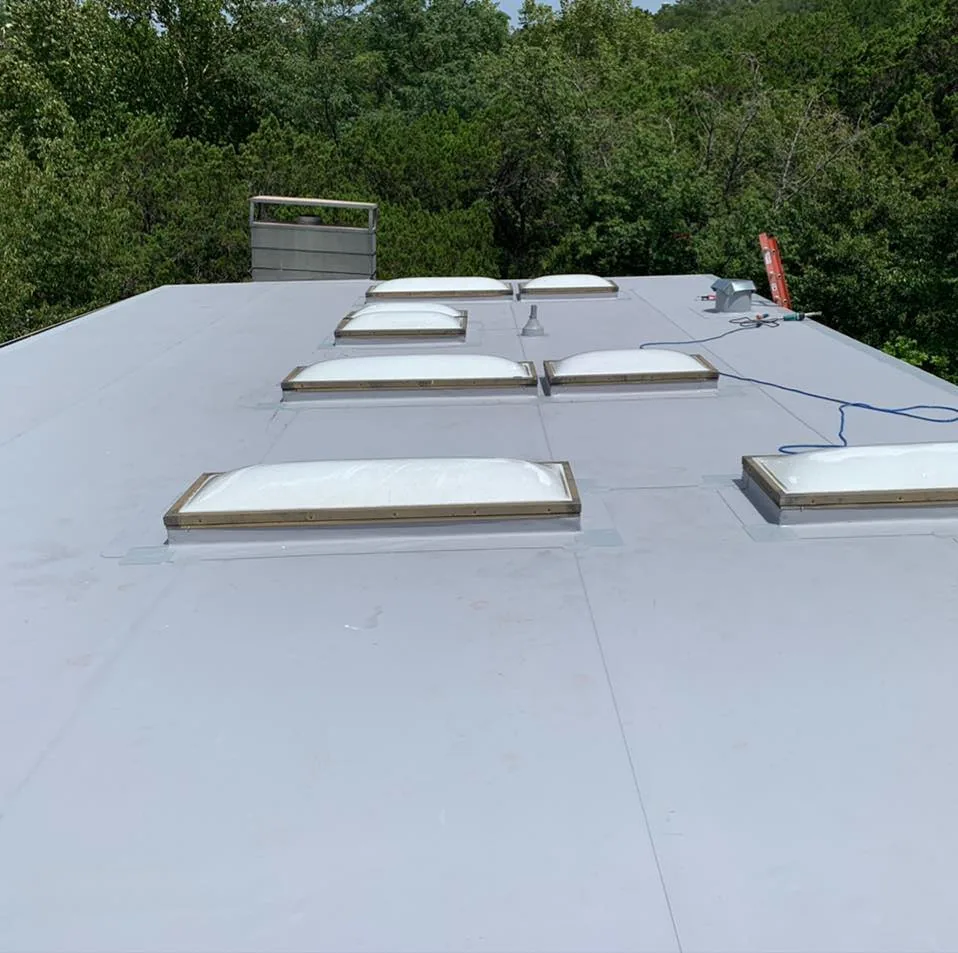
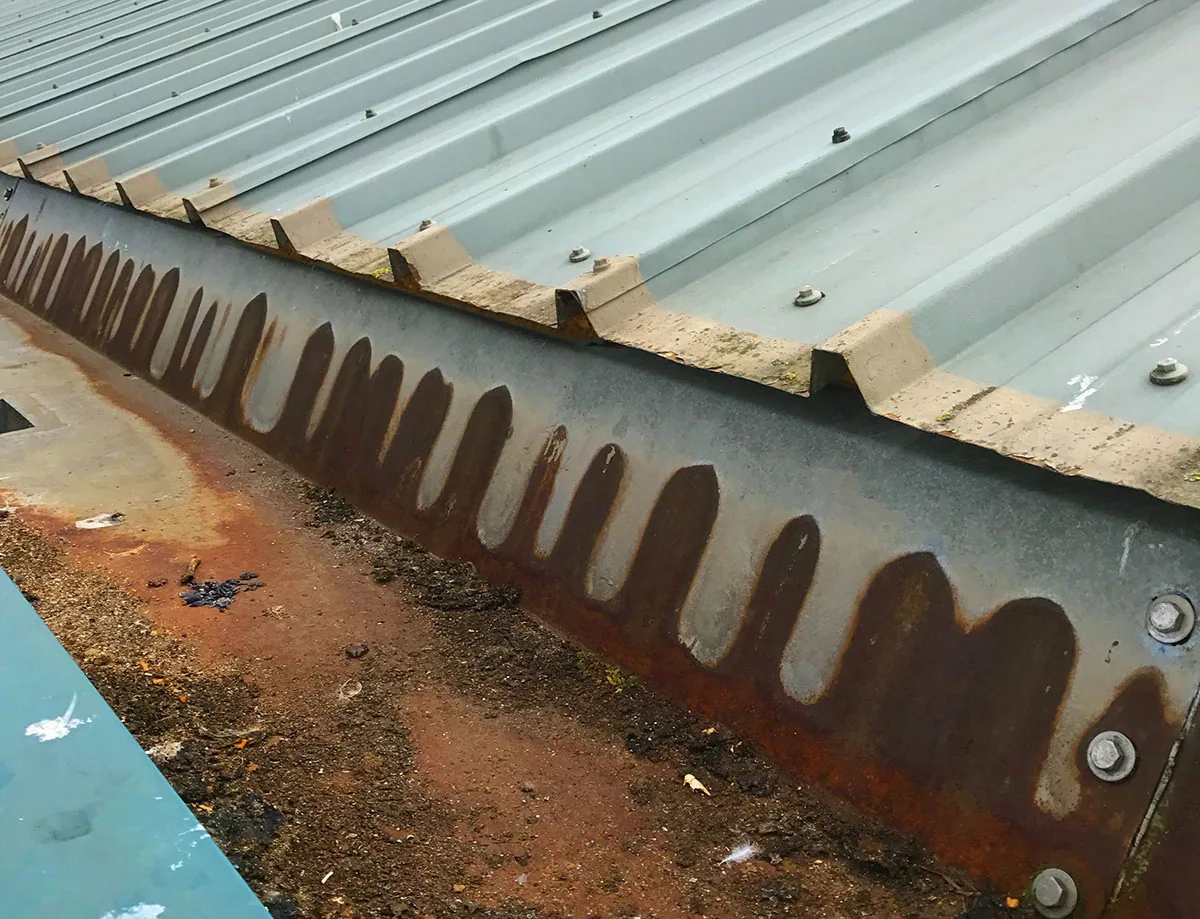
A bright roof surface can reflect more sunlight, but color alone does not tell an owner whether a cool-roof project belongs on the building. The existing membrane, insulation, drainage, attachment, and remaining service life set the practical options. We inspect those conditions, identify compatible reflective assemblies, and explain whether a coating, recover, or replacement can deliver a maintainable surface without hiding defects.
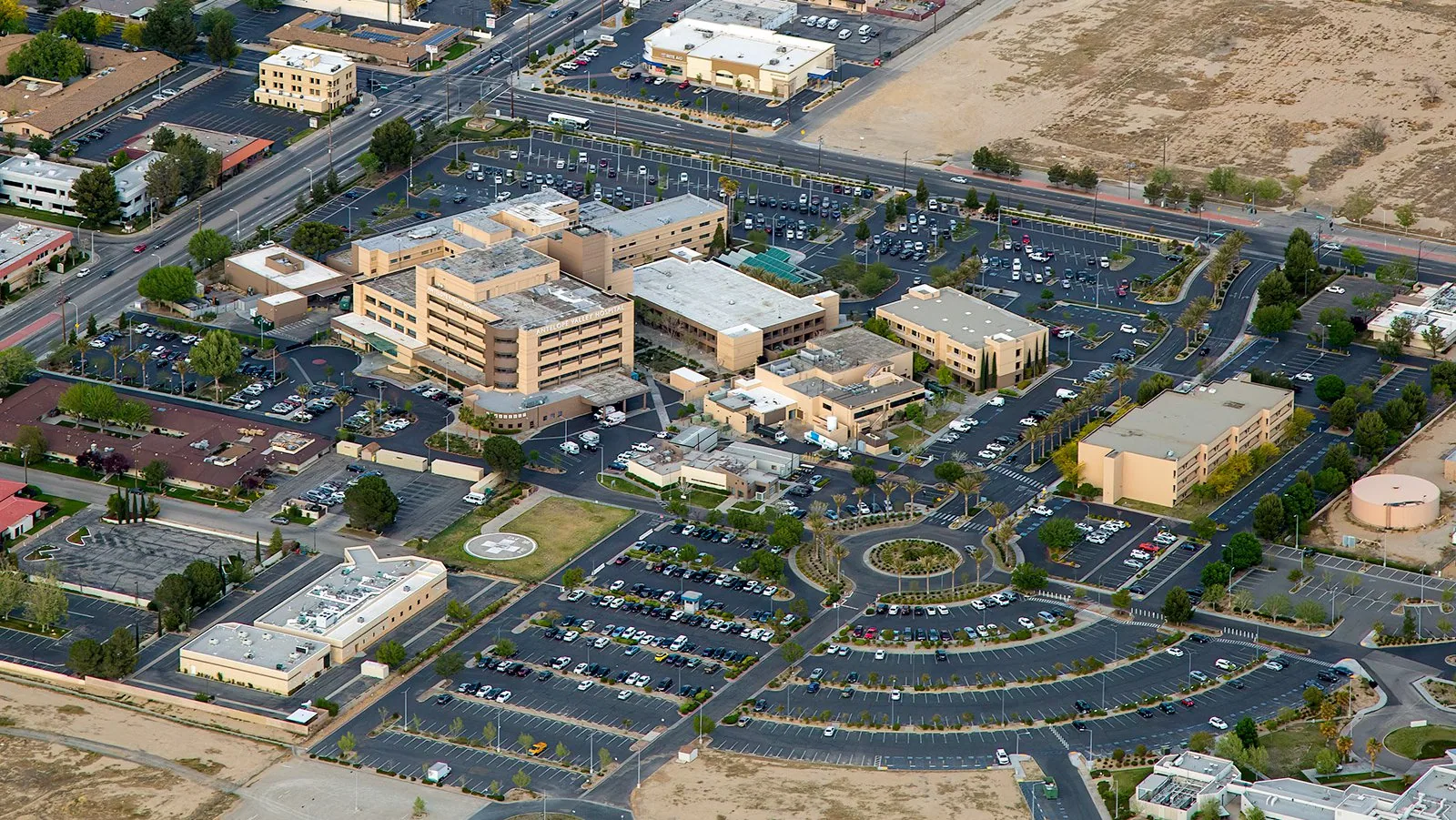
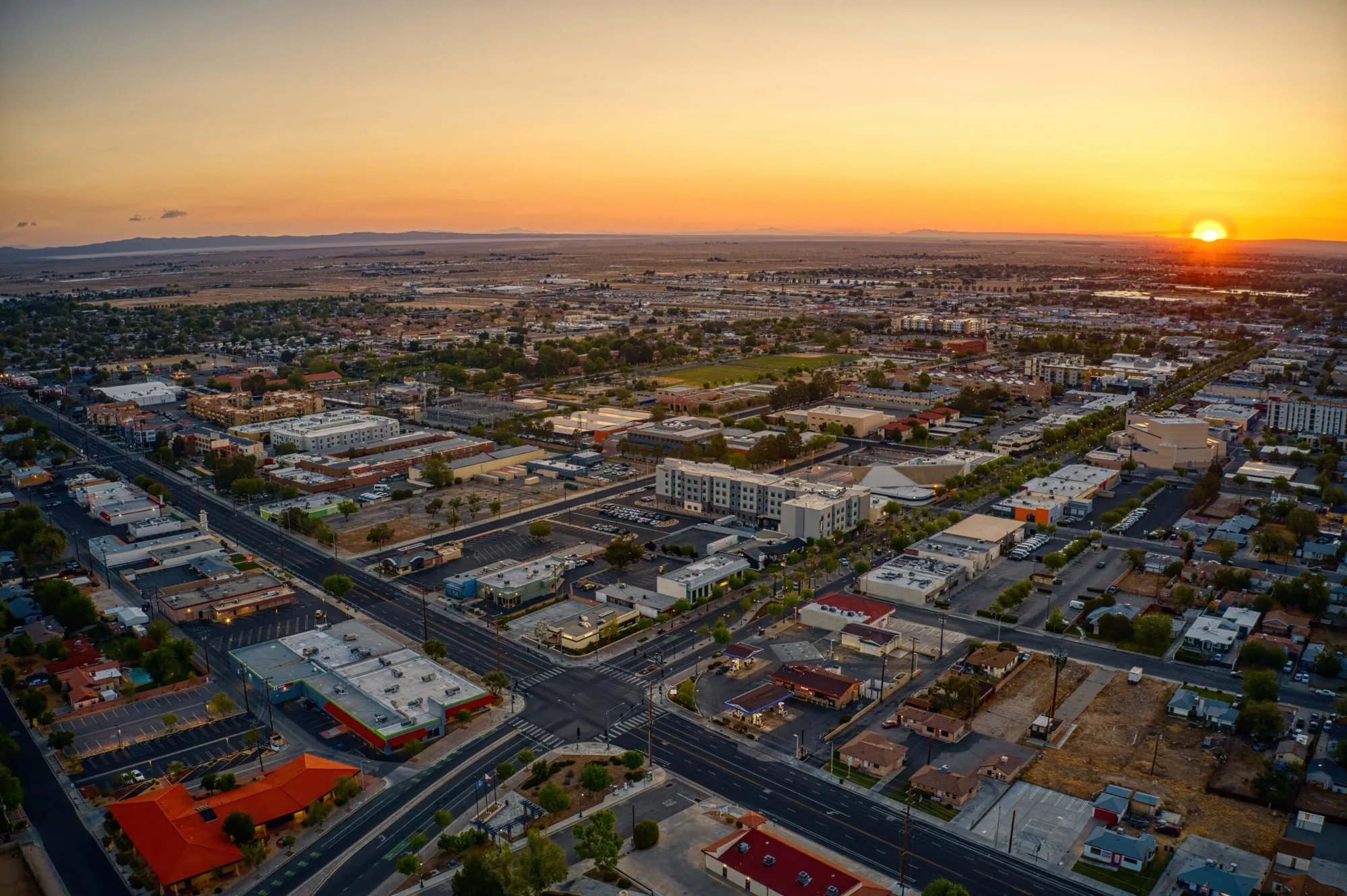
At William J. Fox Field, Lancaster’s normal August high reaches 97.8 degrees, and July averages a high above 90 degrees on every day. That exposure makes roof-surface temperature a real operating consideration, especially across broad commercial and industrial roofs. Near the North Lancaster Industrial Center, the roof decision also needs to account for equipment access, penetrations, and the condition beneath the membrane.
Separate Surface Reflectance From Assembly Condition
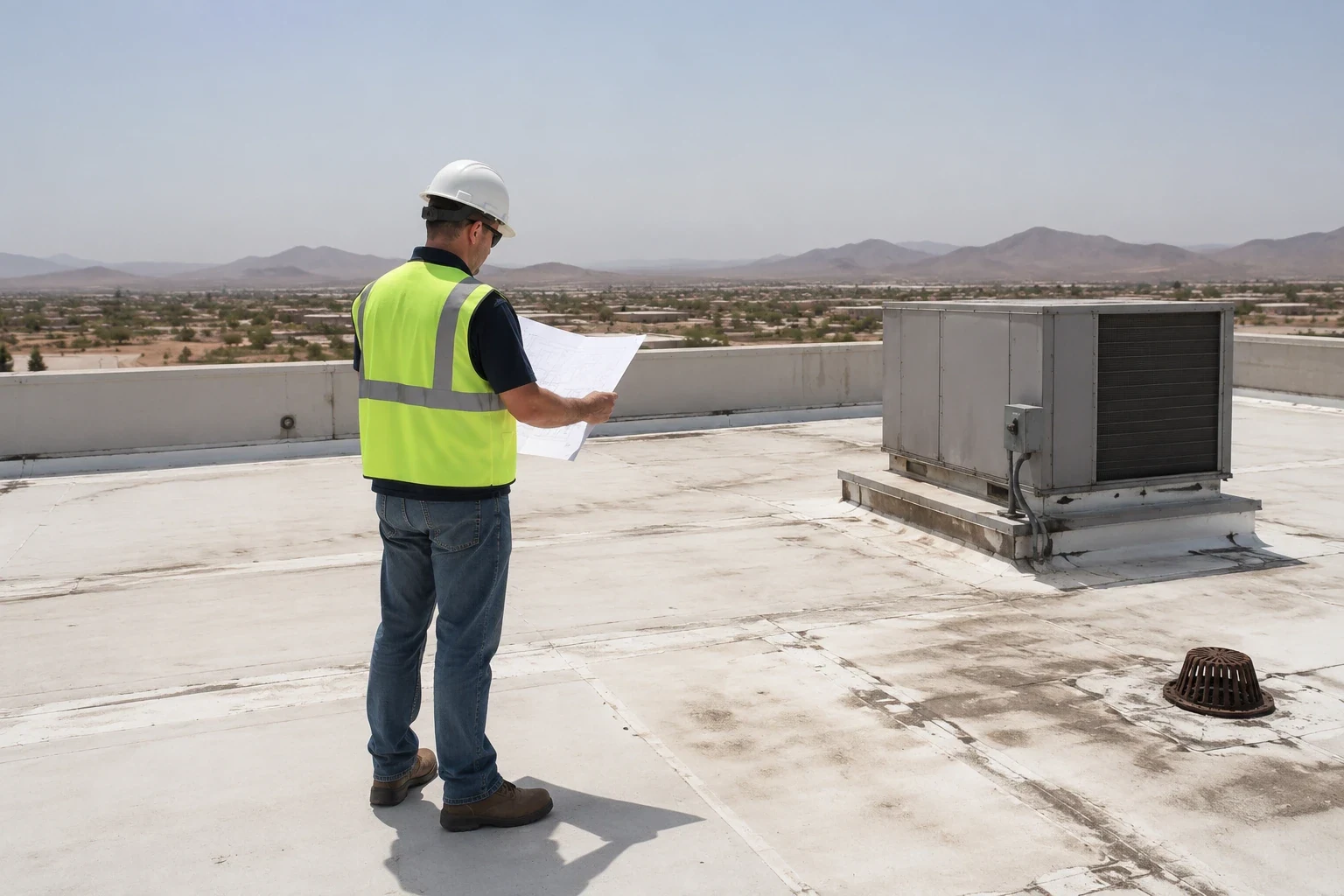
A reflective finish changes how much solar energy the surface absorbs, but it does not dry wet insulation or correct a low drain. Before comparing products, we inspect seams, repairs, edge details, penetrations, and the roof field. We check whether an existing coating is chalking, peeling, or separating, and whether the membrane beneath it is sound enough to accept another layer. A cool surface over a failing assembly may postpone the decision without correcting the source of trouble.
We also identify the roof type and note what is known about its original installation. A coating designed for one membrane or substrate may not bond to another without the right preparation and primer. We review manufacturer requirements, conduct adhesion testing where needed, and confirm that existing sealants or patch compounds will not interfere.
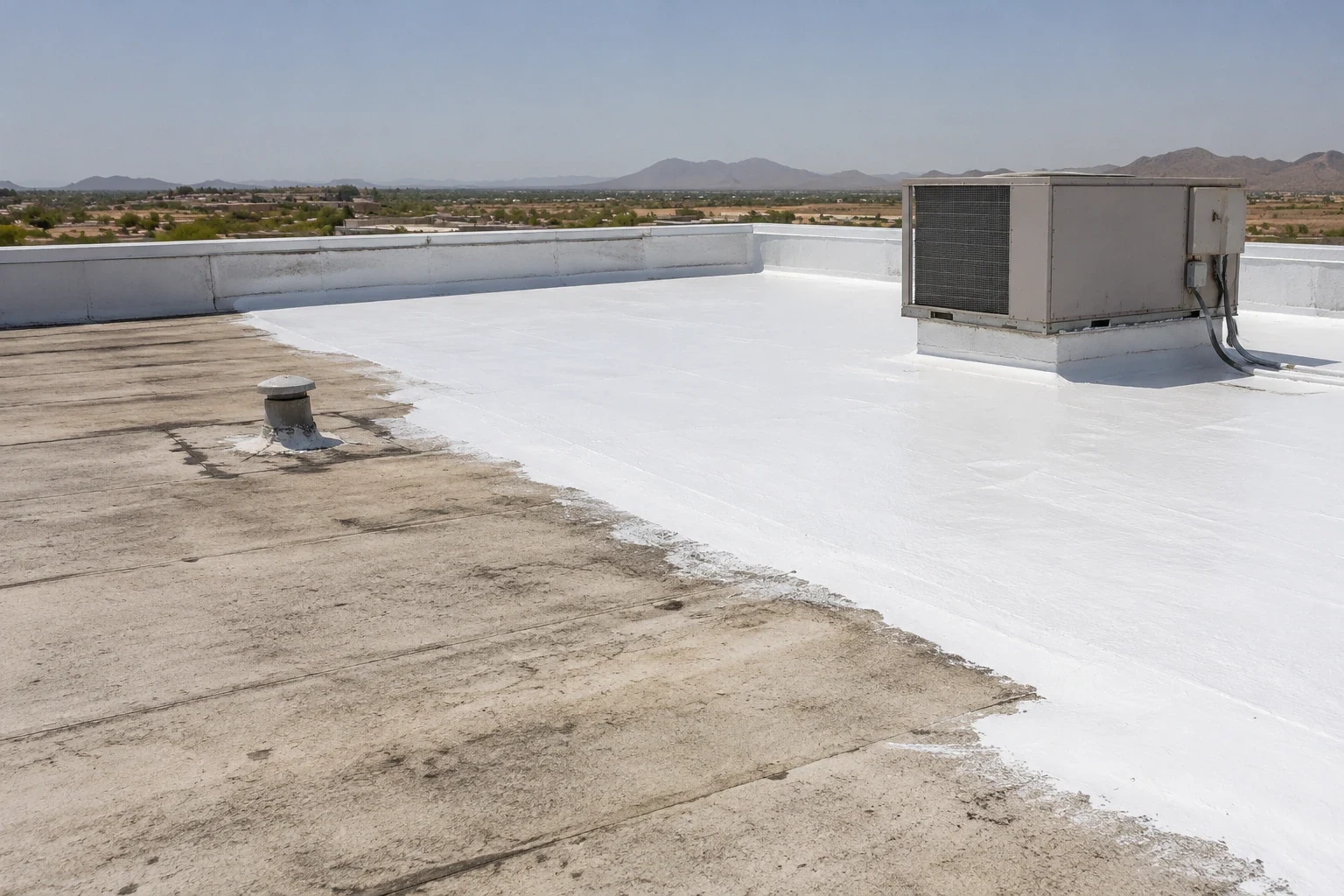
For thermoplastic membranes, reflective color may already be part of the system. On metal or modified bitumen, a restoration layer has different surface preparation and edge transitions. We may compare silicone or acrylic coating when the existing assembly is a suitable candidate. Product choice follows drainage, exposure, compatibility, and maintenance needs.
Set the Goal Before Selecting a System
Owners may be trying to reduce solar heat gain, restore a worn but serviceable membrane, meet a project requirement, or coordinate roofing with a facility improvement. A reflective surface can alter the roof’s solar response. Any bill effect also reflects insulation, HVAC efficiency, occupancy, controls, and operating schedules. We describe the roof work and its limits so the owner can compare proposals on the same basis.
In Lancaster, adopted plans include the business, medical, and industrial uses around the city. A reflective surface can be relevant for an office or production building, but its feasibility turns on the roof’s current condition and the operation below it. Near Fox Field, city inventory identifies medium and light industrial planning uses. We account for mechanical equipment, exhaust, walk paths, and future service access before specifying a coating or membrane.
If the project includes new insulation, we coordinate reflectance with the full assembly and energy-code review. Roof capital planning can carry those assumptions into a longer-term comparison of repair, restoration, and replacement.
Check Edges, Drains, and Walk Paths
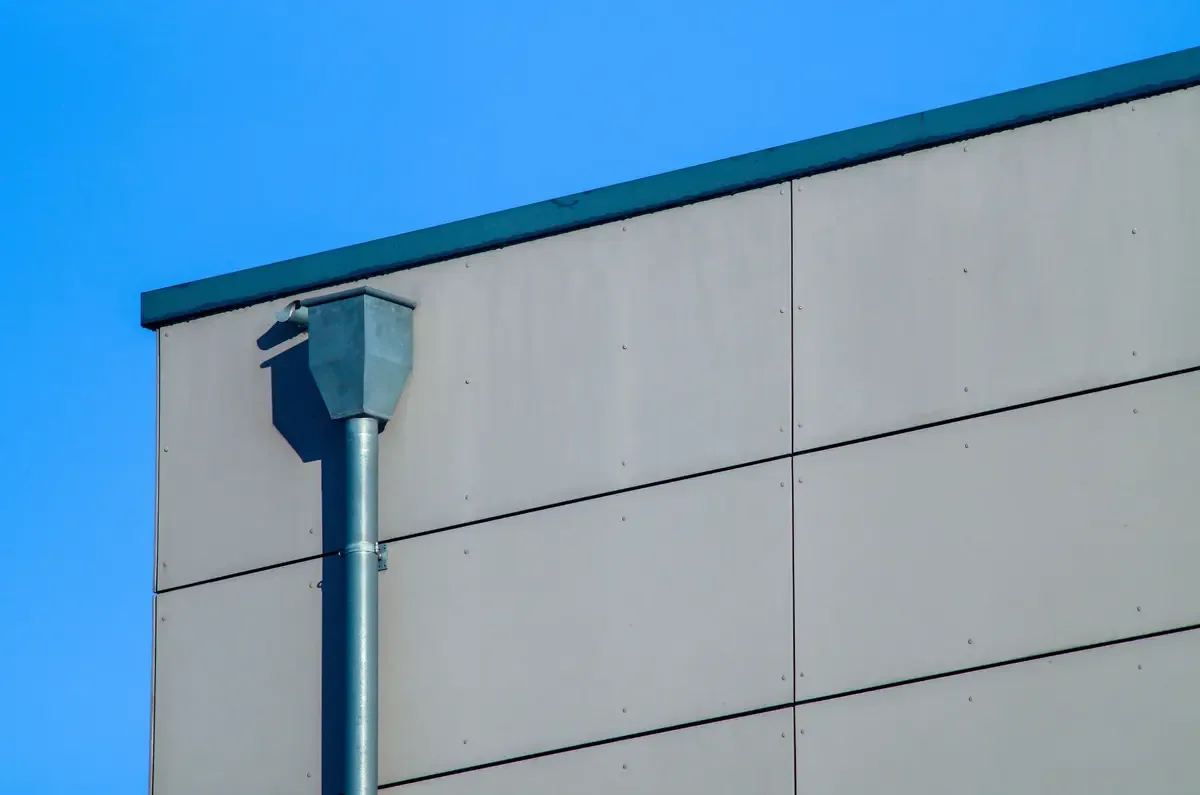
Reflective coating does not change roof geometry. We map ponding areas, drain bowls, scuppers, overflow points, and low transitions, then identify any correction needed before application. A coating that bridges a crack or collects at a drain can interfere with discharge or hide movement. We confirm the surface can shed water and that details can be restored without blocking a termination or reducing access to an overflow.
Walk paths and service areas need their own review. Foot traffic around HVAC units can wear a coating faster than protected roof field, while grease, exhaust, and repeated cleaning can affect adhesion. At an industrial property, a maintenance route may cross multiple roof sections, so the plan identifies where technicians should travel after the work.
Where open seams or loose metal already affect the edge, we correct them before applying a surface layer. A coating restoration scope can include preparation, reinforcement, and dry-film checks where appropriate. If drainage hardware needs repair, we coordinate with drain and scupper work before the finish is installed.
Prepare the Surface for a Durable Bond
Surface preparation is part of the roof system. We remove dirt, loose coating, biological growth, and incompatible residue using methods that fit the membrane and site conditions. Repairs at seams, penetrations, and metal transitions need to cure before the finish coat goes on. We document the preparation area and identify any condition that changes the approved product or application sequence.
Application timing depends on the product’s temperature range, surface moisture, wind, and cure requirements. Lancaster’s hot periods can affect worker exposure and how quickly a coating skins over, so the crew follows the specified rate and maintains wet-film checks. We do not assume that a warmer afternoon means every layer is ready for recoating.
For a membrane replacement with a reflective finish, TPO or another suitable assembly may be considered after reviewing the deck, insulation, and edge details. We compare that path with recover and restoration options, stating what the roof condition supports rather than treating each system as interchangeable.
Compare Coating, Recover, and Replacement
A coating may be appropriate when the membrane remains stable, the surface can be prepared, and isolated defects can be repaired without trapping moisture. A recover can add a new membrane over a suitable existing roof if the assembly, attachment, and drainage permit it. Replacement becomes more relevant when deterioration is widespread, insulation is wet, the deck requires work, or repeated repairs no longer give a clear boundary.
We scope each alternative against the same roof areas. The proposal identifies cleaning, repairs, primer, reinforcing fabric, coating passes, membrane work, insulation, metal details, and any access or shutdown needs. It also notes exclusions and concealed conditions that could change the estimate after opening. If records are limited, an inspection and targeted moisture checks can clarify what can remain.
Reflective roofing should be maintained like any other assembly. The condition record tracks coating wear, repairs, ponding, and traffic paths, so future work can be planned before the surface becomes a larger project. If the roof cannot support a restoration, a replacement assessment compares a new membrane and insulation package against the remaining condition.
Document the Finished Roof Surface
At closeout, we record the system installed, areas repaired, preparation completed, and any surface that could not be coated. Photos show edges, drains, equipment transitions, and the finished field. We document the product information and application checks required by the project specifications, then identify maintenance steps the owner should schedule.
In areas with heavy equipment traffic, the facility team should know where footpaths and service access cross the roof. An inspection can compare those locations with the initial closeout photographs and locate early wear. A planned maintenance visit can include drains, seams, terminations, and the reflective surface in one roof record.
Send roof plans, past coating records, and recent leak history when requesting an assessment. We will review the assembly, test compatibility when needed, and show which reflective-roof options are supported by the condition of the building.
Commercial Roofing Questions
Will a reflective roof lower this building’s energy bill?
A reflective surface can change solar heat absorption, while energy bills also reflect insulation, HVAC equipment, controls, occupancy, and operating hours. We document the roof scope; an energy professional can evaluate whole-building use if the owner needs a savings estimate.
Can a cool-roof coating go over any commercial membrane?
Compatibility follows the membrane, prior repairs, surface condition, and coating chemistry. We inspect and test the proposed system before specifying primer or application, and identify areas that need repair or removal first.
Does reflective coating fix ponding water?
Coating changes the surface finish, not the slope. We map ponding and inspect drains before application, then address the drainage condition separately when it prevents water from leaving the roof.
How do you choose between coating and replacement?
The decision follows membrane stability, moisture in the insulation, deck condition, edge details, and remaining service life. We compare a defined restoration with a replacement option when the existing assembly supports both scopes.
Can coating work be scheduled in Lancaster’s summer heat?
The product specification sets surface and air temperature limits, cure time, and moisture requirements. We plan the work window around those conditions and check each application rather than rely on the forecast alone.