Refrigeration lines, rooftop units, and frequent service visits put a grocery roof under steady use. A leak above a cooler or sales aisle can disrupt food handling even when the opening is small. We inspect the roof field, trace water around drains and equipment curbs, and identify what needs repair or testing. The scope ties each work area to the affected store space and the protection needed before the assembly is opened.
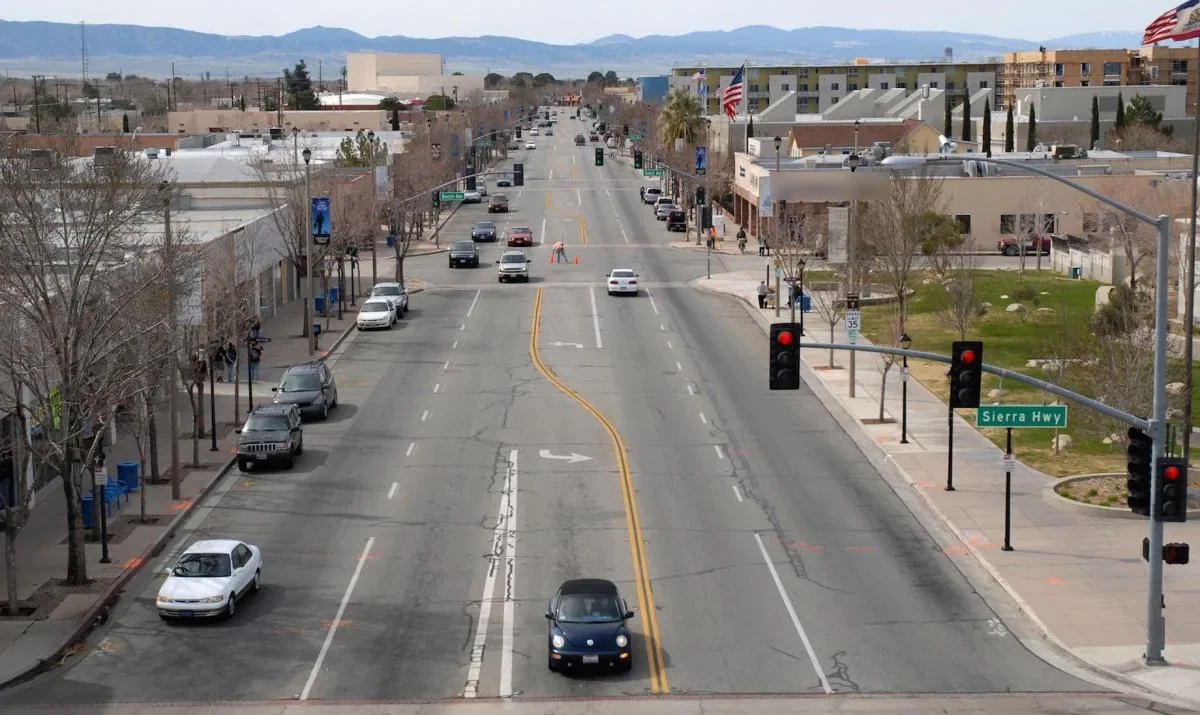
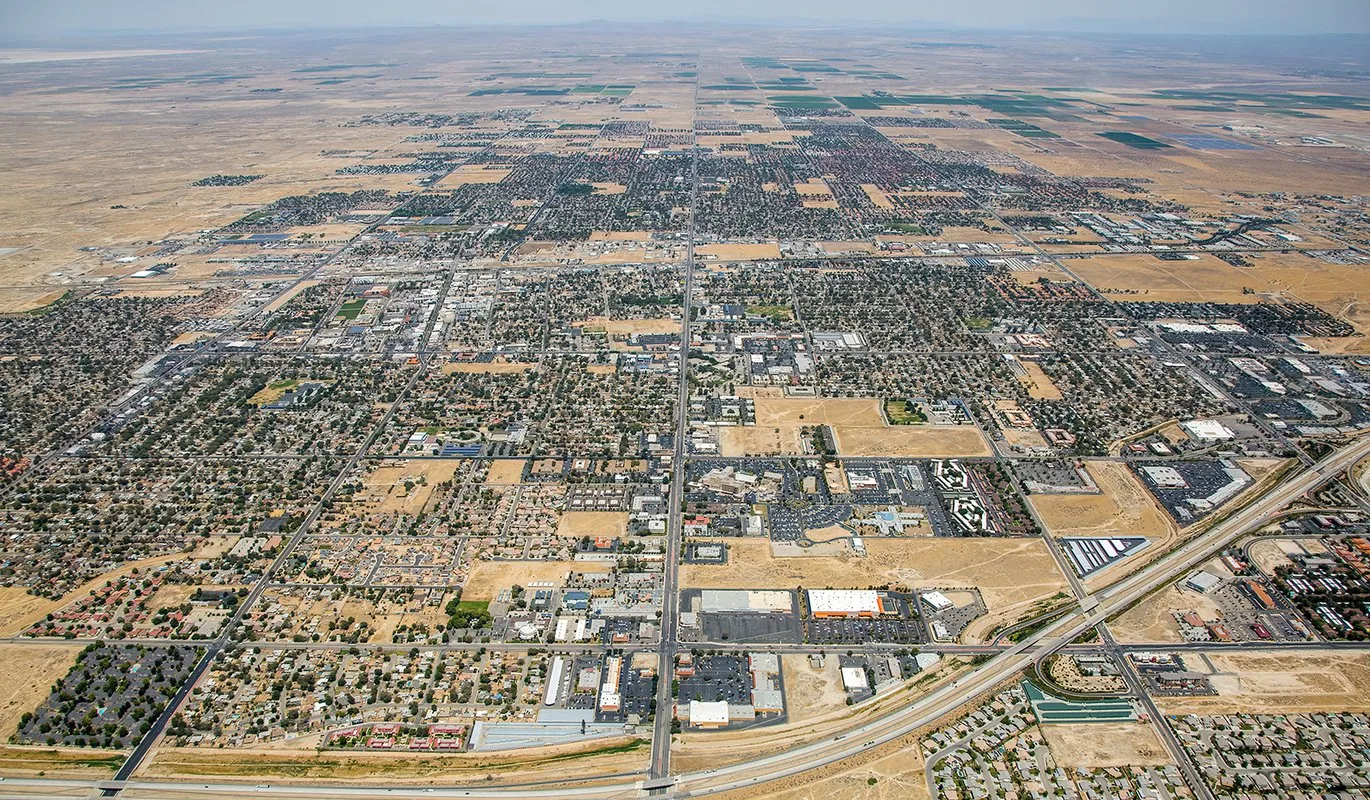
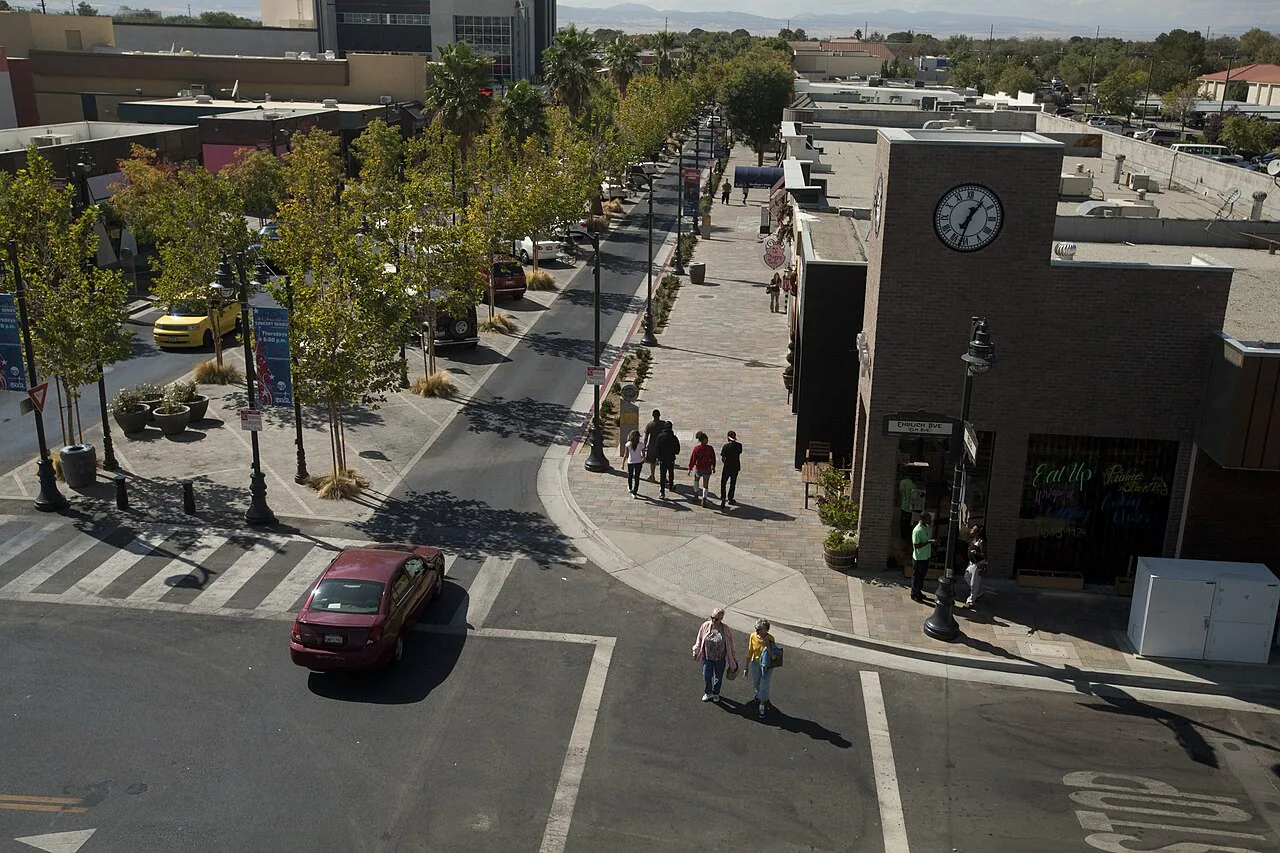
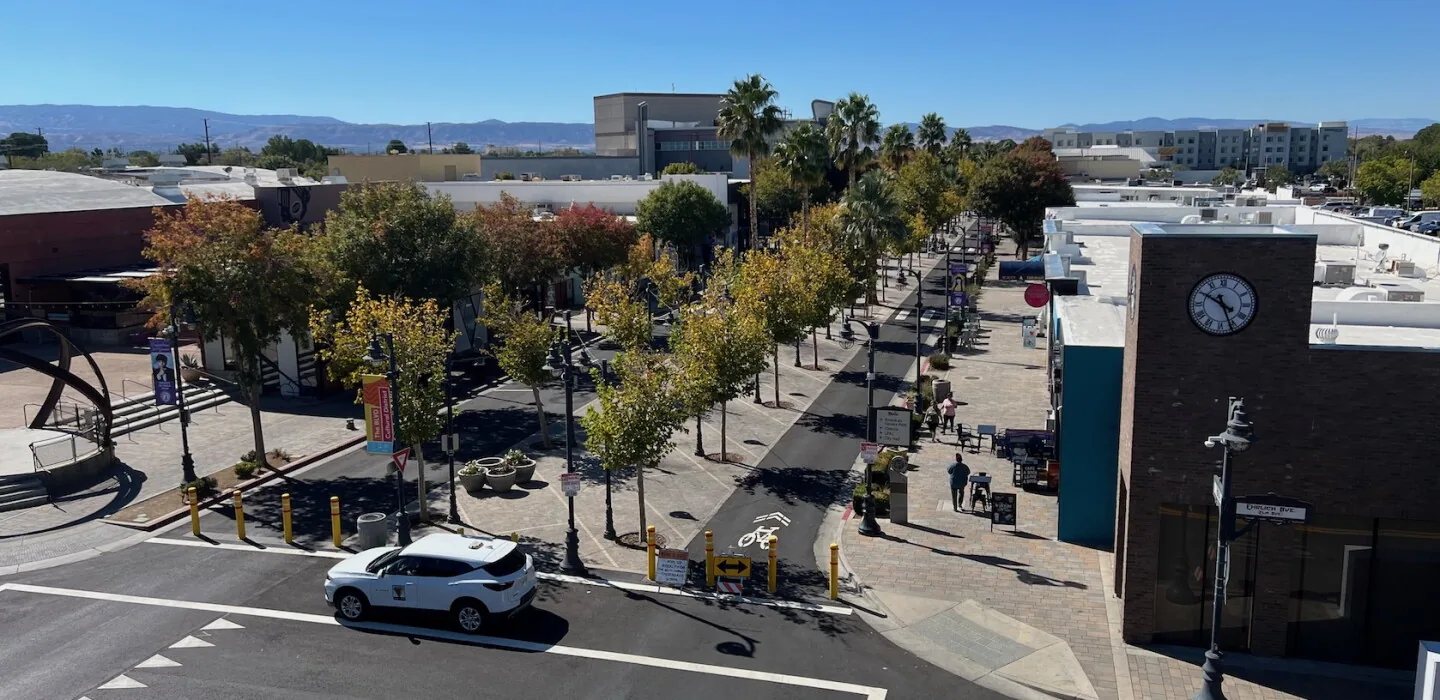
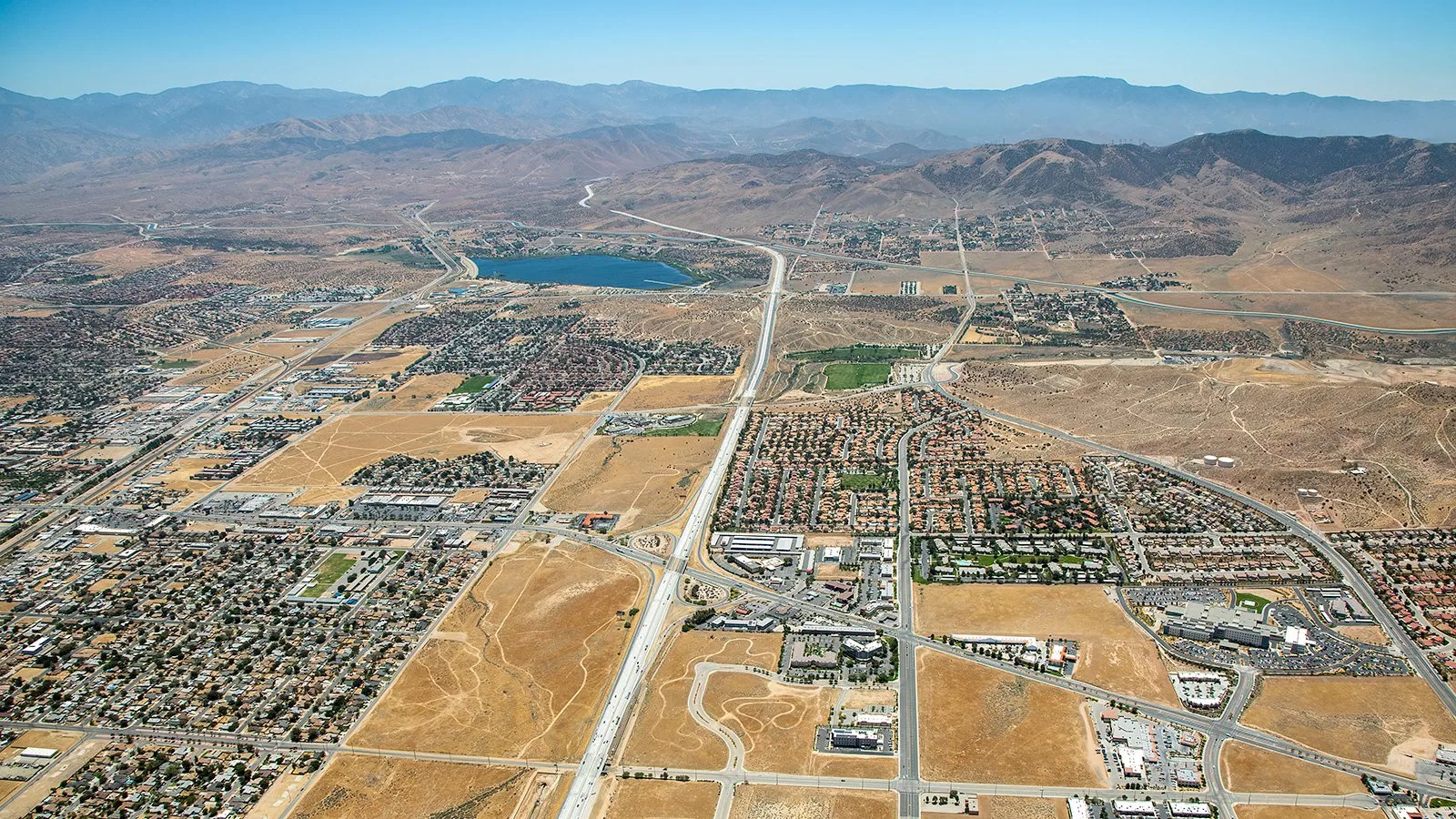
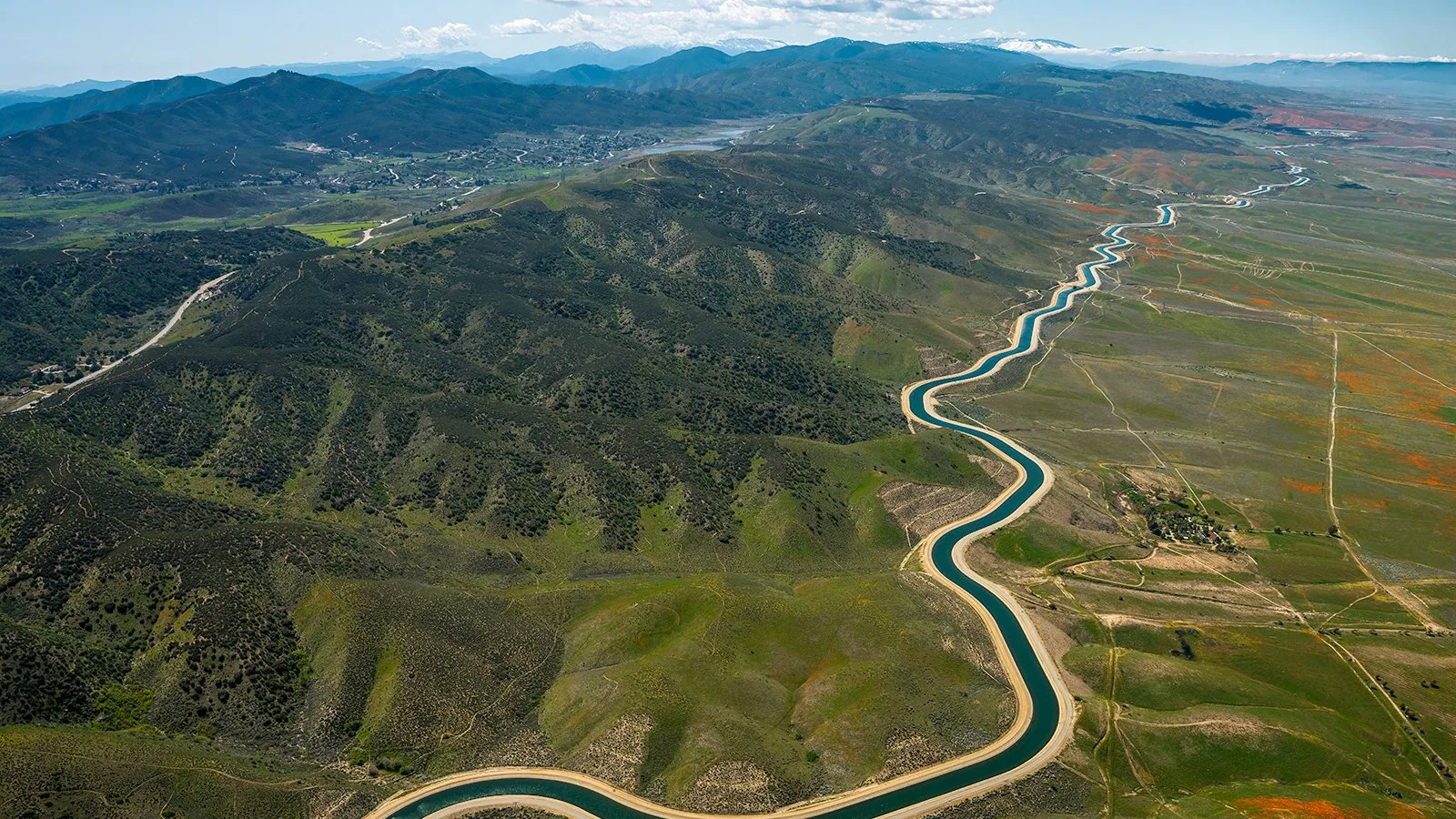
Lancaster's planning inventory includes the Amargosa Creek planning area, with retail alongside medical and office uses, and the broader Downtown Lancaster Commerce District. These business areas provide local context without assigning service to one store or tenant. We inspect each grocery property's roof type, refrigeration layout, loading access, and customer routes before setting the repair plan.
Trace Water Around Refrigeration Equipment
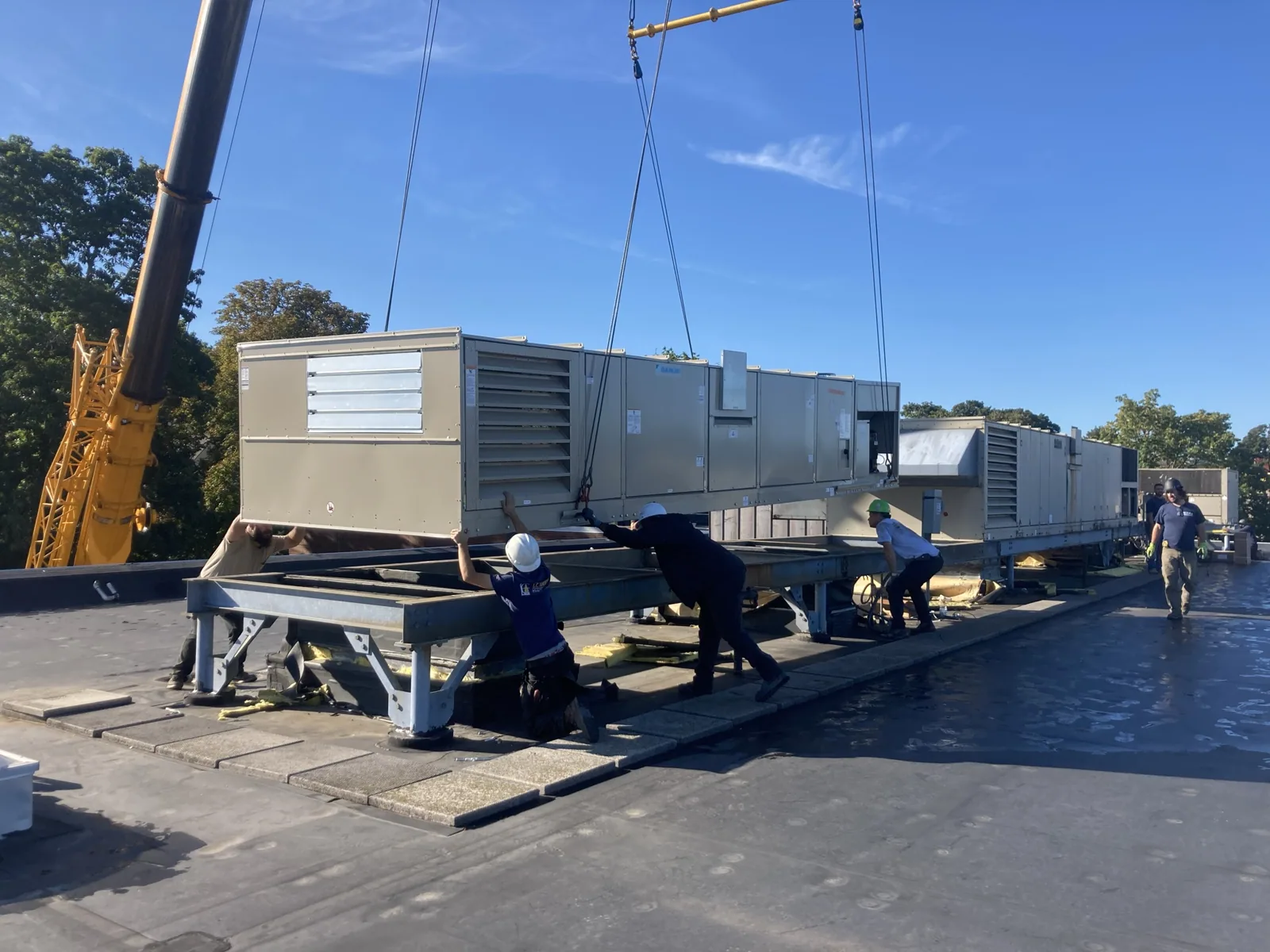
Coolers, freezers, condensers, and refrigerant piping create roof openings and temperature differences that can complicate a leak diagnosis. We inspect curb flashing, pipe boots, supports, abandoned penetrations, and the membrane around each service path. A drip inside a cold room may come from roof entry or condensation; we compare weather timing, equipment cycles, ceiling conditions, and the roof-side evidence before deciding whether to open the assembly.
Where an equipment change is planned, the roofing detail should be coordinated before a curb is removed or enlarged. We identify which trade will close the opening, how temporary protection will be maintained, and whether the new unit leaves a flashing gap. Rooftop curb inspection can document those interfaces, while a roof inspection records adjacent drains and seams that might affect the same area.
Protect Food Areas and Keep Routes Clear
A roof opening above refrigerated inventory needs a plan for interior protection and food-safety coordination. We identify the room below, check whether water is active, and coordinate coverings or temporary closures with the store contact. If a repair requires work over a prepared-food or receiving area, the sequence can avoid delivery windows and high-volume customer periods. We tell the manager what needs access, how long the area may be affected, and what must be cleared.
Loading docks, receiving doors, public entries, and roof hatches can compete for the same space. We agree on lift placement, material staging, and pedestrian barriers before arriving. Emergency response is available around the clock, including holidays, when active water threatens refrigeration, electrical equipment, or product. A shopping center roof plan may cover shared access and tenant notice, while a grocery scope also accounts for cold rooms and food handling operations inside the store.
Check Drains, Loading Canopies, and Low Points
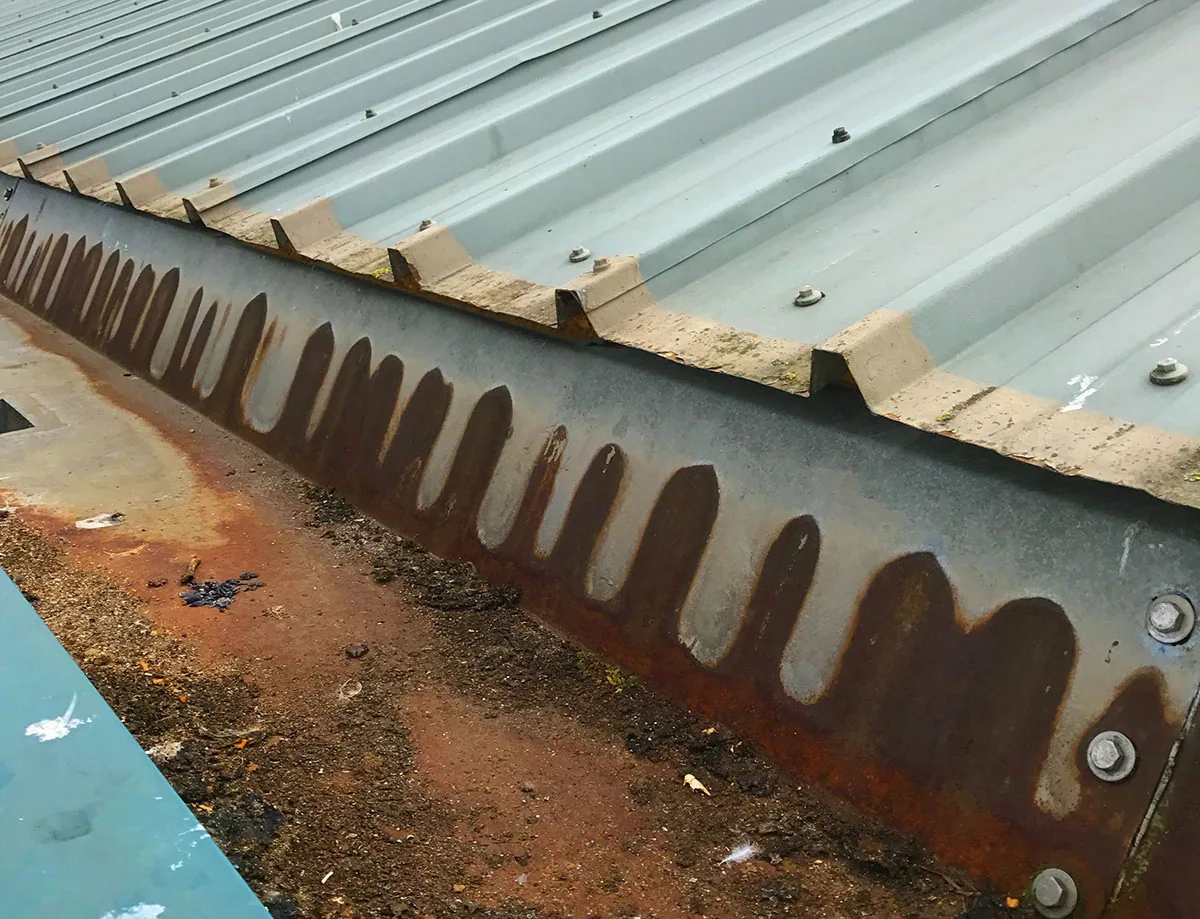
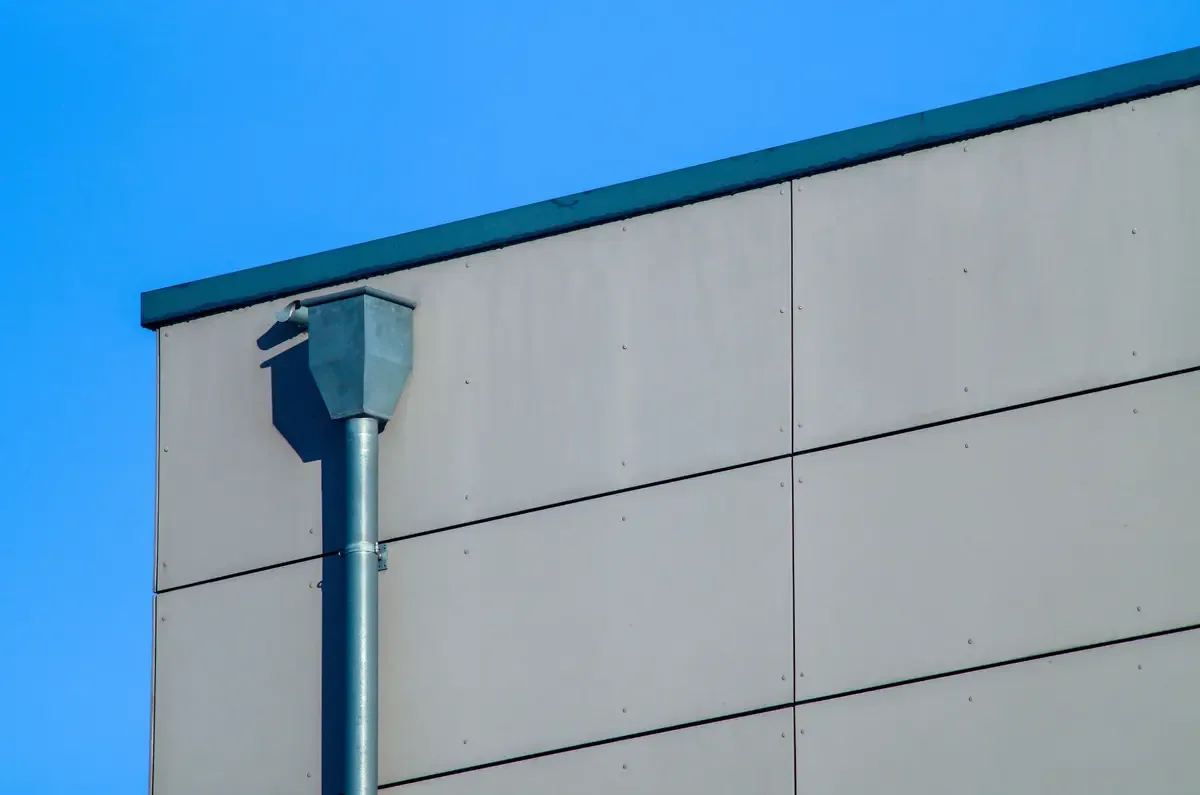
Water can travel from the roof field toward a dock canopy or wall before entering the building. We trace slope, drains, scuppers, overflow routes, canopy seams, and the membrane around mechanical curbs. A clogged strainer calls for clearing, but a cracked bowl or reverse slope needs a different repair. We photograph the route and note whether loading-door protection or a temporary barrier will be needed while work proceeds.
At William J. Fox Field, Lancaster's annual precipitation normal is 6.81 inches, with most rainfall between November and March. A concentrated storm can still reveal debris around drains or separation at a canopy transition. Drain and scupper repair can restore an outlet, while gutter and edge work can address the perimeter. The closeout notes where runoff should travel after the correction.
Test the Roof Before Replacing Ceiling Panels
A stained tile above an aisle does not measure how far moisture has spread through the insulation. We compare the ceiling report with seams, drains, and equipment details, then select locations for testing if surface conditions point to concealed wet material. Infrared readings may help direct sampling when the roof and weather allow useful results. Test cuts expose the layers and deck at the chosen locations, and the report records what was confirmed.
For a grocery property, we identify whether a test opening sits over merchandise, electrical equipment, a cooler, or a customer path. The store contact can arrange protection or an alternate route before the roof is opened. If the insulation is dry near the defect, a localized repair may be enough. If water has moved beyond the curb or drain into several bays, the scope should follow verified moisture rather than the ceiling stain alone. We mark any zone that was not physically tested.
Match the Repair to the Store Roof Assembly
We compare repair, recover, and replacement using the same roof map. A compatible repair may fit a single failed seam with sound insulation beneath it. Recover work can be considered where existing layers are dry and securely attached. Replacement becomes more relevant when wet material, repeated failures, or deck deterioration crosses multiple areas. The proposal identifies preparation, drain corrections, flashing, protection, and conditions that need a decision after the roof is opened.
Grocery stores may have a sales roof joined to a lower receiving area, office, or restaurant tenant. Restaurant roof repairs can include exhaust and grease-related service routes, while the grocery roof needs separate review of refrigeration and cold-room details. A replacement assessment can stage work by zone, and planned maintenance can revisit drains and curbs between capital projects.
Keep Store Maintenance Records Current
After the repair, we provide photos, roof-zone references, materials, drain conditions, and any area that needs follow-up. A store manager can match a later ceiling report with the prior work and see which parts of the roof were tested. We note whether refrigeration vendors or other trades need to use a protected path to avoid damaging the restored membrane.
Lancaster's retail areas vary in layout and neighboring uses, from Amargosa Creek's mixed commercial planning to the downtown business district. The roof file should remain specific to each property, with current curb, seam, and drain changes recorded. That gives the next inspection a useful starting point and helps the owner separate recurring maintenance from capital work that requires broader planning.
Before the crew demobilizes, the closeout can confirm that temporary coverings are removed, drains are open, and the loading route is clear. The manager receives a concise list of any roof areas that were not included in the repair, along with the condition that should trigger another inspection. That record supports a practical handoff between store operations, facilities staff, and the next roofing visit.
Commercial Roofing Questions
Can grocery operations continue during a roof repair?
Many repairs can be isolated, but food areas, refrigeration, deliveries, and customer paths affect the plan. We identify the rooms below the roof zone and coordinate protection and access with the store contact before opening the assembly.
How can you tell whether a cooler-room leak is condensation or roof water?
We compare the moisture timing with refrigeration cycles and weather, then inspect curbs, piping, seams, and drains above the room. Testing can confirm whether water is inside the roof layers or collecting at an interior surface.
What should be protected before a grocery roof test cut?
The work area below the sample needs a covering or temporary closure that fits the goods and activities in that space. We identify the room, coordinate a time with store staff, and restore the roof opening before the area returns to normal use.
Do grocery roof drains need attention before winter?
Lancaster receives most normal rainfall from November through March. We check strainers, bowls, overflows, and the membrane around outlets so a blocked route or loose connection can be addressed before a storm exposes it.
When does a grocery store need a full reroof?
Repeated leaks across roof zones, wet insulation at multiple test points, or deck damage can support a broader project. We inspect and sample the assembly, then compare localized work with recover and replacement options.