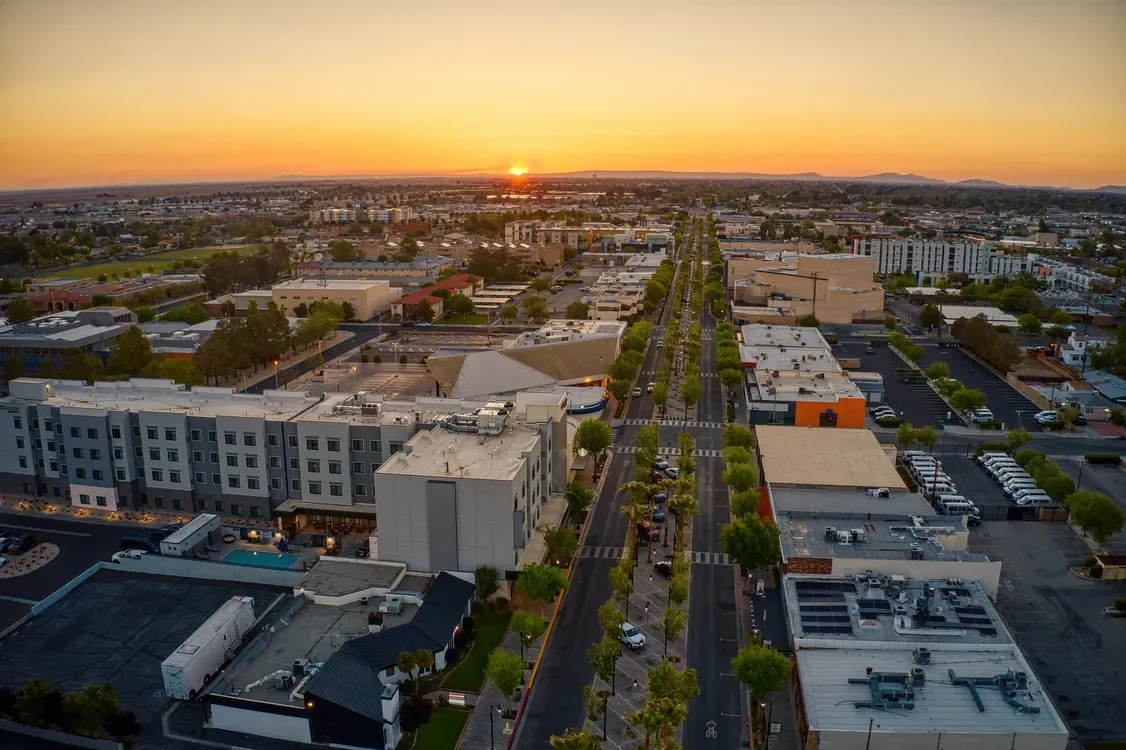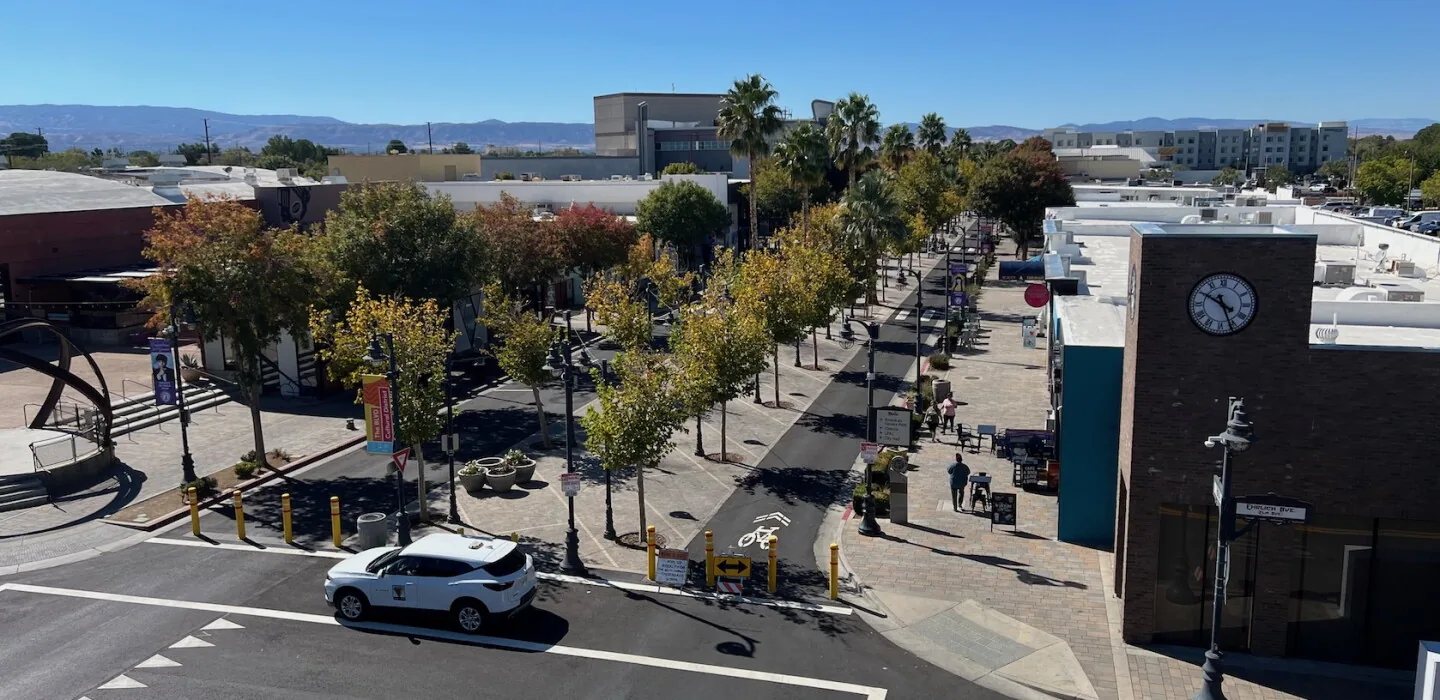
Downtown's Commerce District brings office buildings, banks, financial and professional services, retail, and residential uses into one planned area. A roof problem can affect a client appointment, a suite, or a storefront before the cause is clear. Office buildings, storefronts, and mixed-use properties share this district, but roof access and protection needs vary from building to building. Work planning starts with the building's access route, roof-zone map, and protection needs for occupied space below.
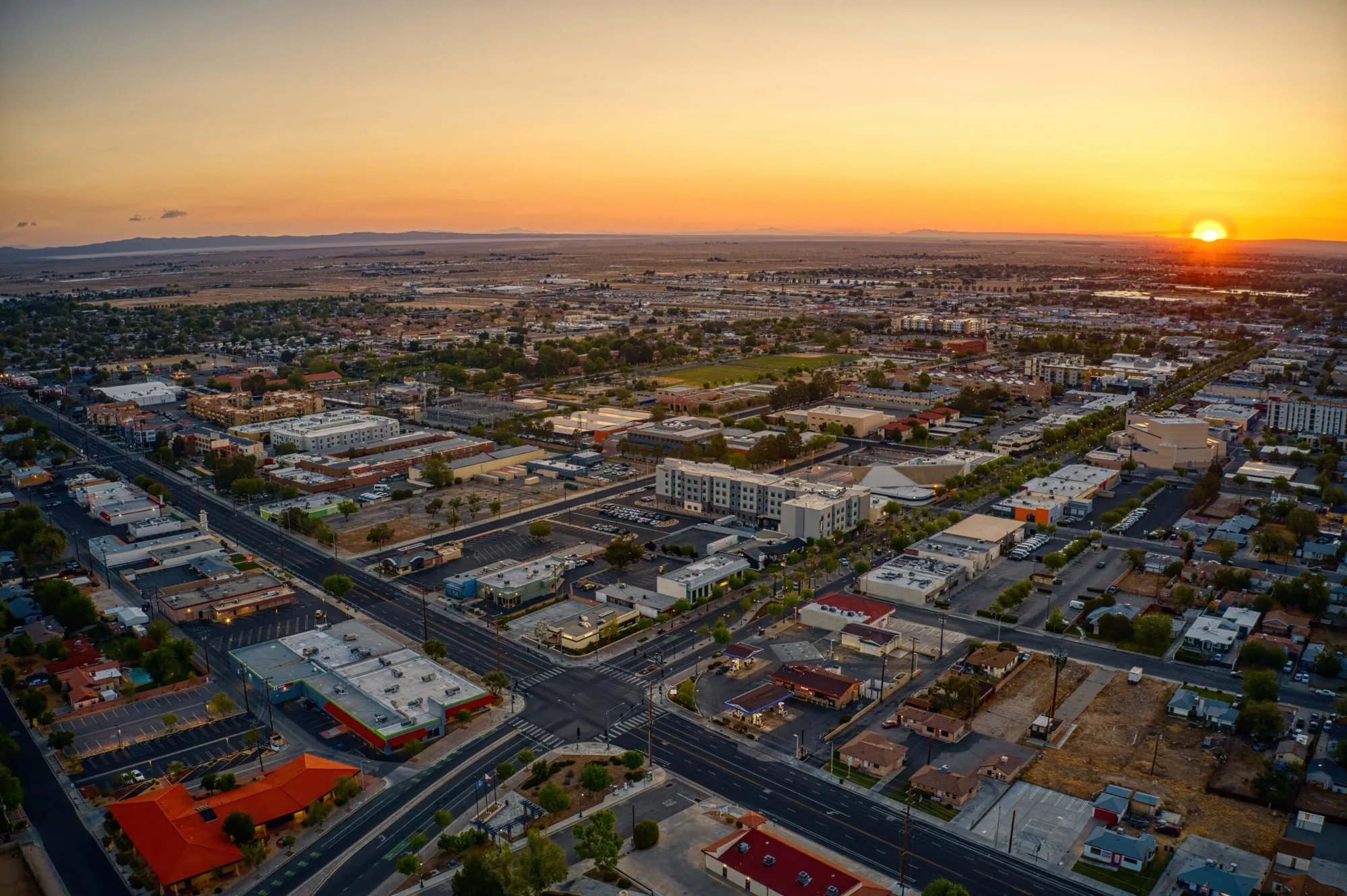
We compare the reported symptom with roof-level details and document the condition by zone. The assessment record helps an owner choose between a defined repair, additional testing, and a longer-term capital review without carrying one building's conclusions over to another.
Connect the report to a roof zone
Ask where water appeared, when it was first noticed, and whether it followed rain, cleaning, or recent rooftop work. An interior stain can help direct the inspection, but water may travel along insulation or a deck before reaching the ceiling. We compare the report with nearby seams, wall transitions, curbs, drains, and prior repairs. Photos need a close view of the detail and a wider reference to show its position. The written condition should distinguish what was observed from what needs a test opening.
Office and professional-service properties may have scheduled client traffic, equipment, and shared access points to coordinate. Confirm which rooms remain in use and whether the roof hatch or service route requires an escort. A commercial roof inspection establishes the roof assembly, records visible conditions, and marks where testing could answer a specific question. An occupied-building work plan should define staging, notice, and protection before material arrives. Owners comparing downtown properties with Enterprise Business Park should keep each building’s access notes and repair history separate.
Inspect edges, curbs, and drainage together
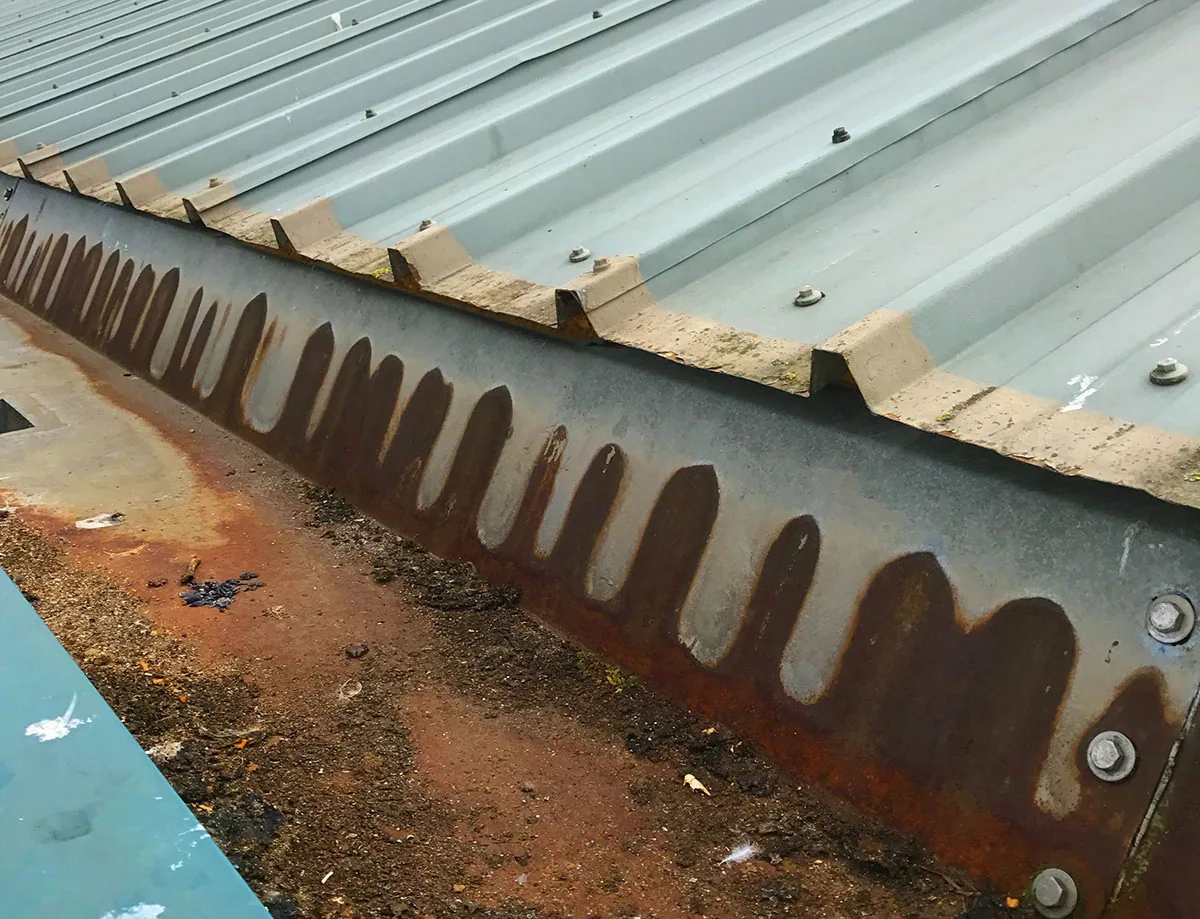
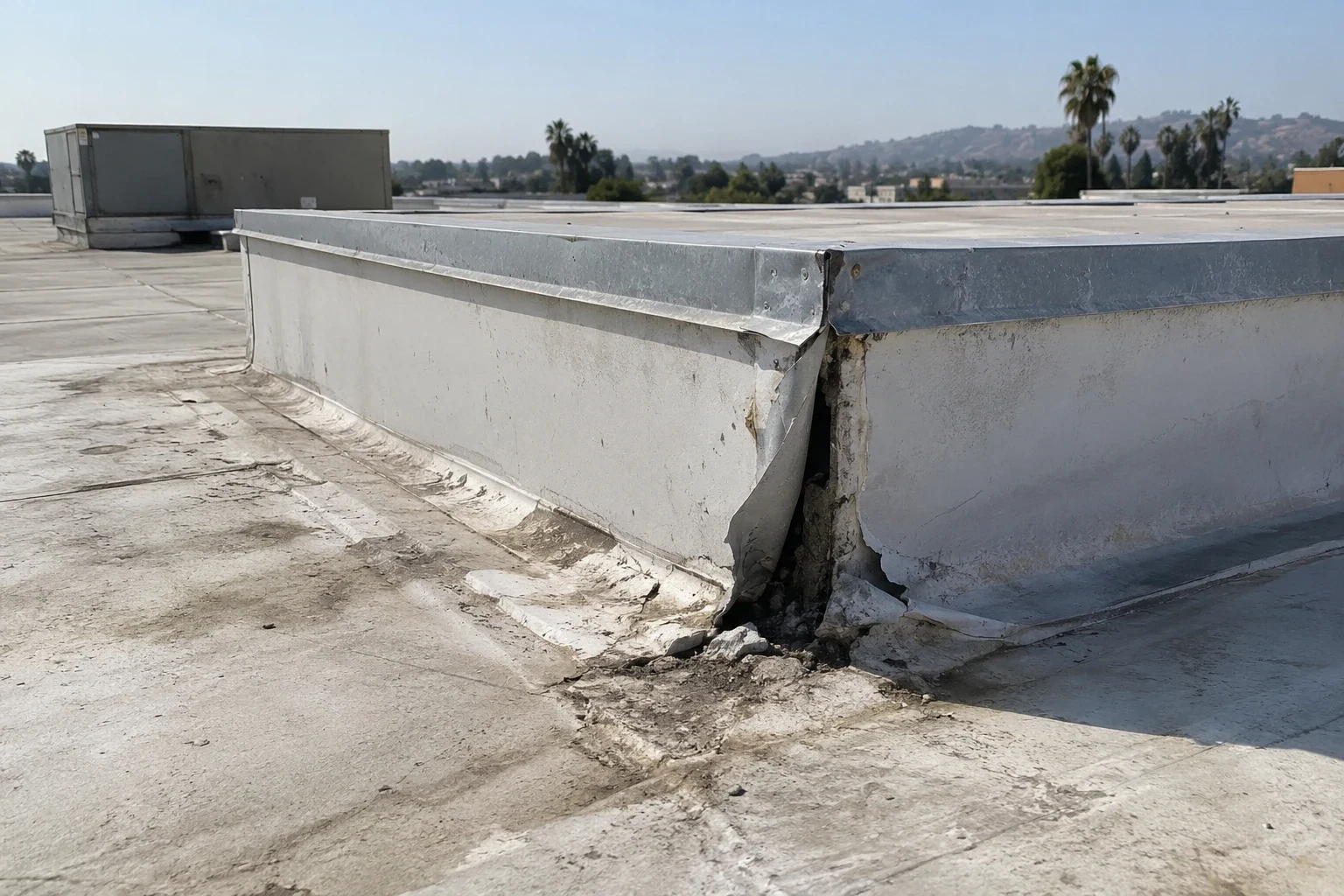
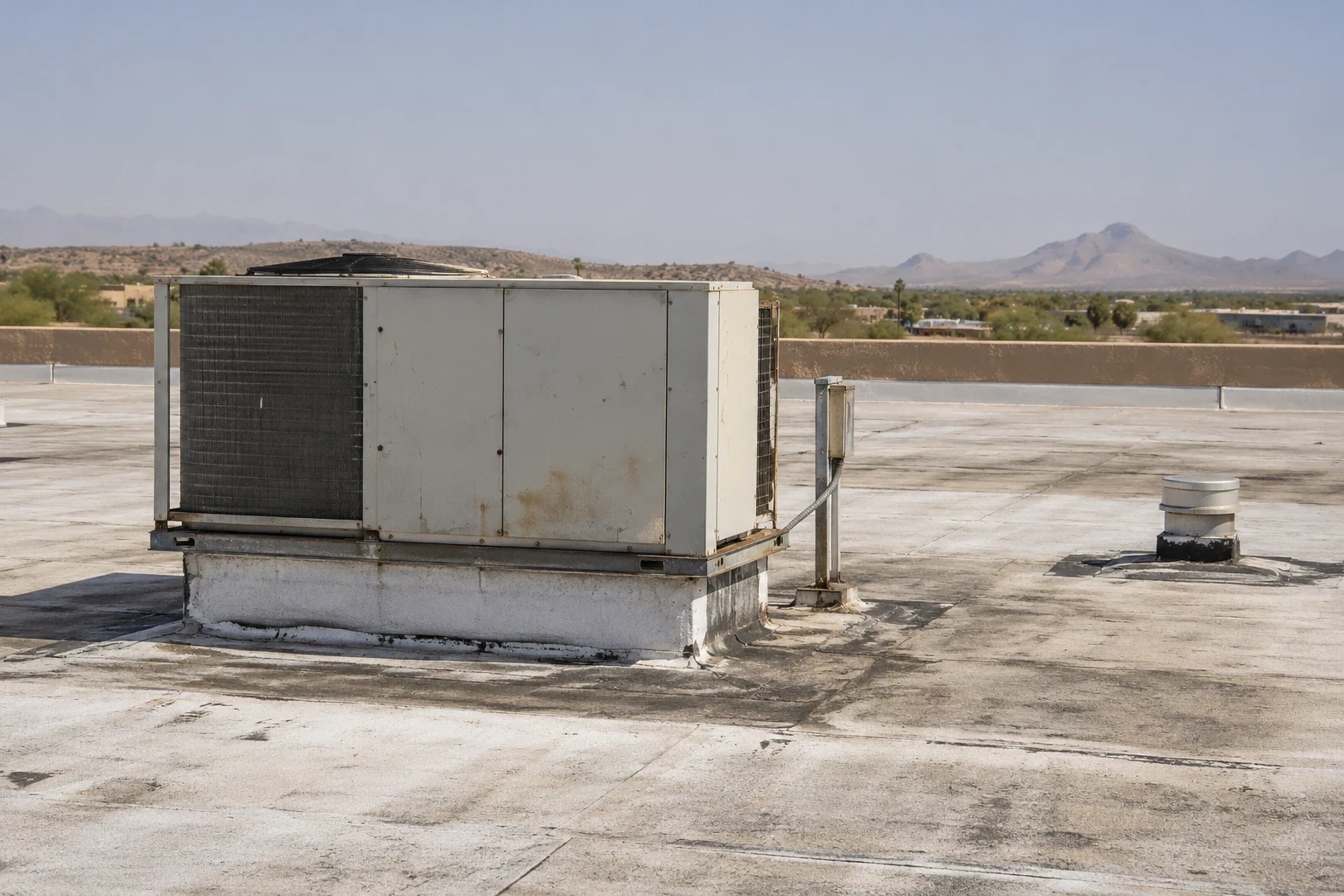
Water at a parapet may begin at the cap, counterflashing, membrane turn-up, or a corner where two details meet. A leak near equipment can involve the curb, pipe supports, or a patch left by another trade. We inspect those interfaces with the field membrane and follow the drainage path toward the nearest outlet. If a drain is restricted, clearing it may address retained water, but the adjacent lap or flashing still needs review for damage. The scope should name every detail being corrected and the material prepared for the tie-in.
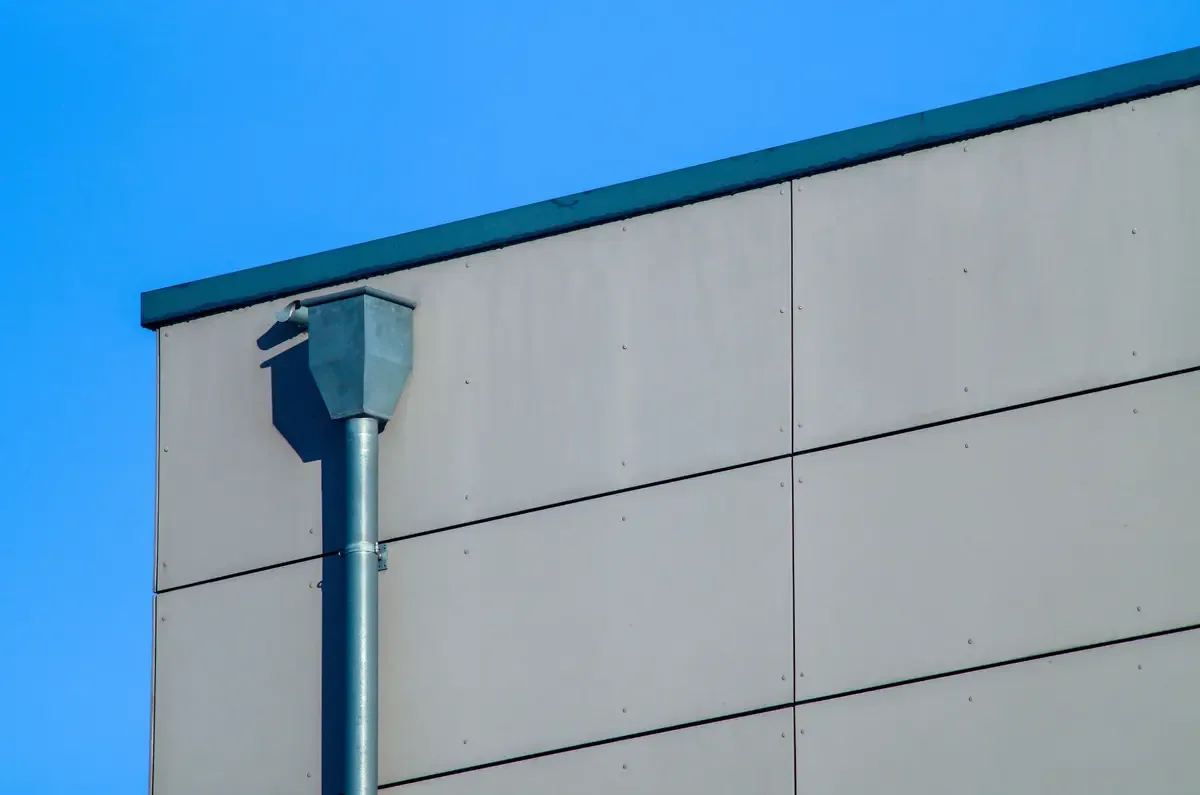
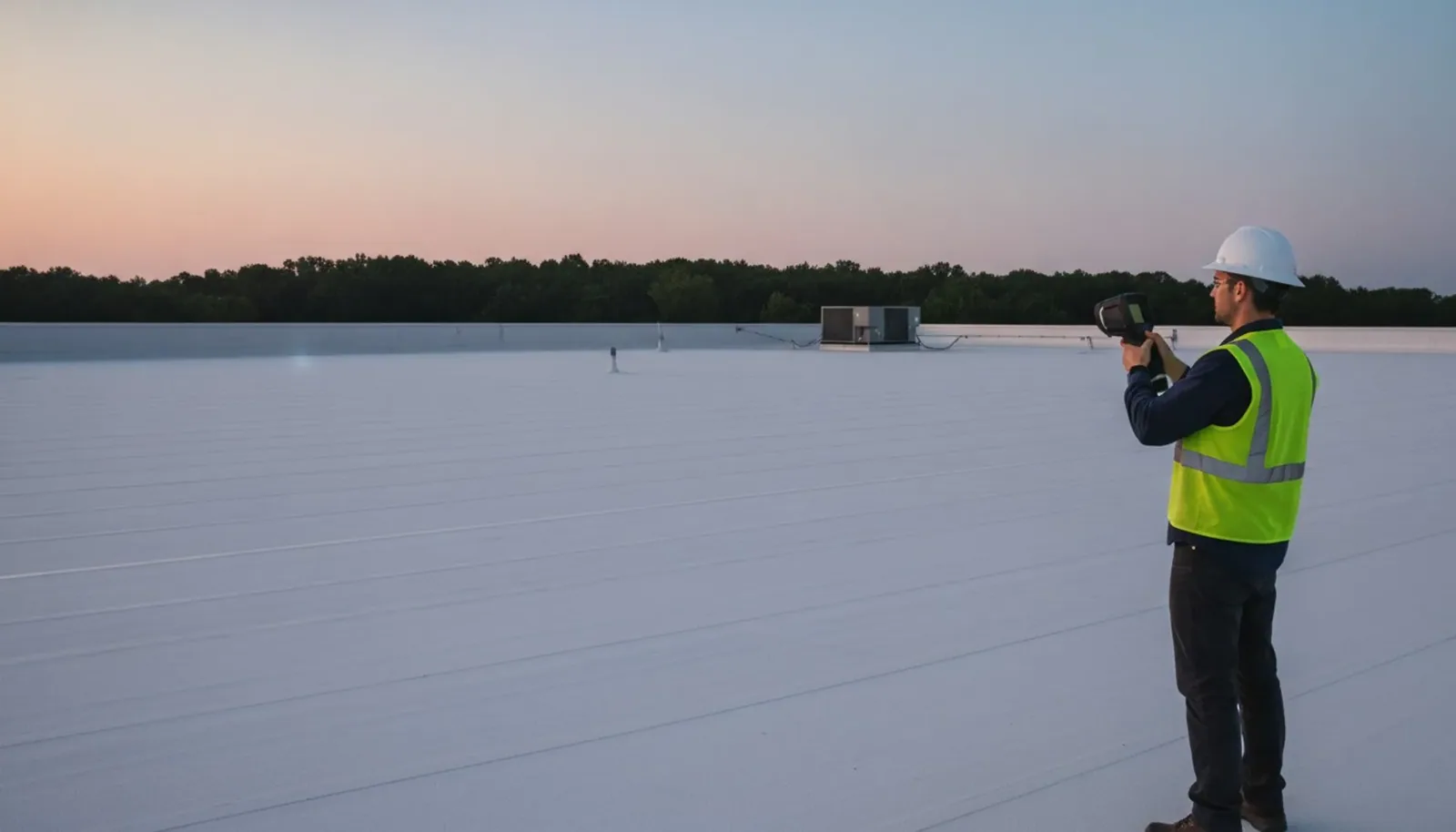
For a low-slope assembly, check the drain bowl, outlet, overflow route, seams, and low areas after debris is removed. A drain and scupper service can correct an outlet concern; a separate flashing repair can rebuild a transition when its membrane connection has opened. Where moisture may extend below the visible surface, an infrared survey can help select a test location. The condition of the exposed material then determines whether repair or broader removal is justified.
Compare a contained repair with broader work
A repair can be a sound choice when the defect is localized, the receiving surface is dry and attached, and the surrounding assembly can accept a compatible tie-in. Restoration requires enough sound surface to prepare and a drainage system that still functions. Replacement merits review when failures recur across several zones, wet insulation is widespread, or existing layers make the repair boundary unreliable. We describe the findings, limits, and next step in writing so an owner can separate immediate leak control from longer-term roof planning.
Cost and schedule depend on access, the number of transitions, material compatibility, interior protection, and what removal reveals. For a financial office or retail property, include the hours when customer access must remain open and how noisy work will be communicated. A roof repair scope can state the preparation, materials, and stop point. Keep related work in Downtown Lancaster in its own record, and use capital planning to compare documented needs rather than assumed roof conditions.
For a property with several suites, the assessment record should identify the roof zone above each affected area without implying that a stain maps directly to the defect. Note the tenant report, weather conditions, date, and any work performed by other trades. If a ceiling tile or finish was removed, record whether the cavity was dry at the time of inspection. Those details help a manager distinguish a new report from water that followed an earlier path and reduce repeated exploratory work.
Use the dry months to prepare for winter rain
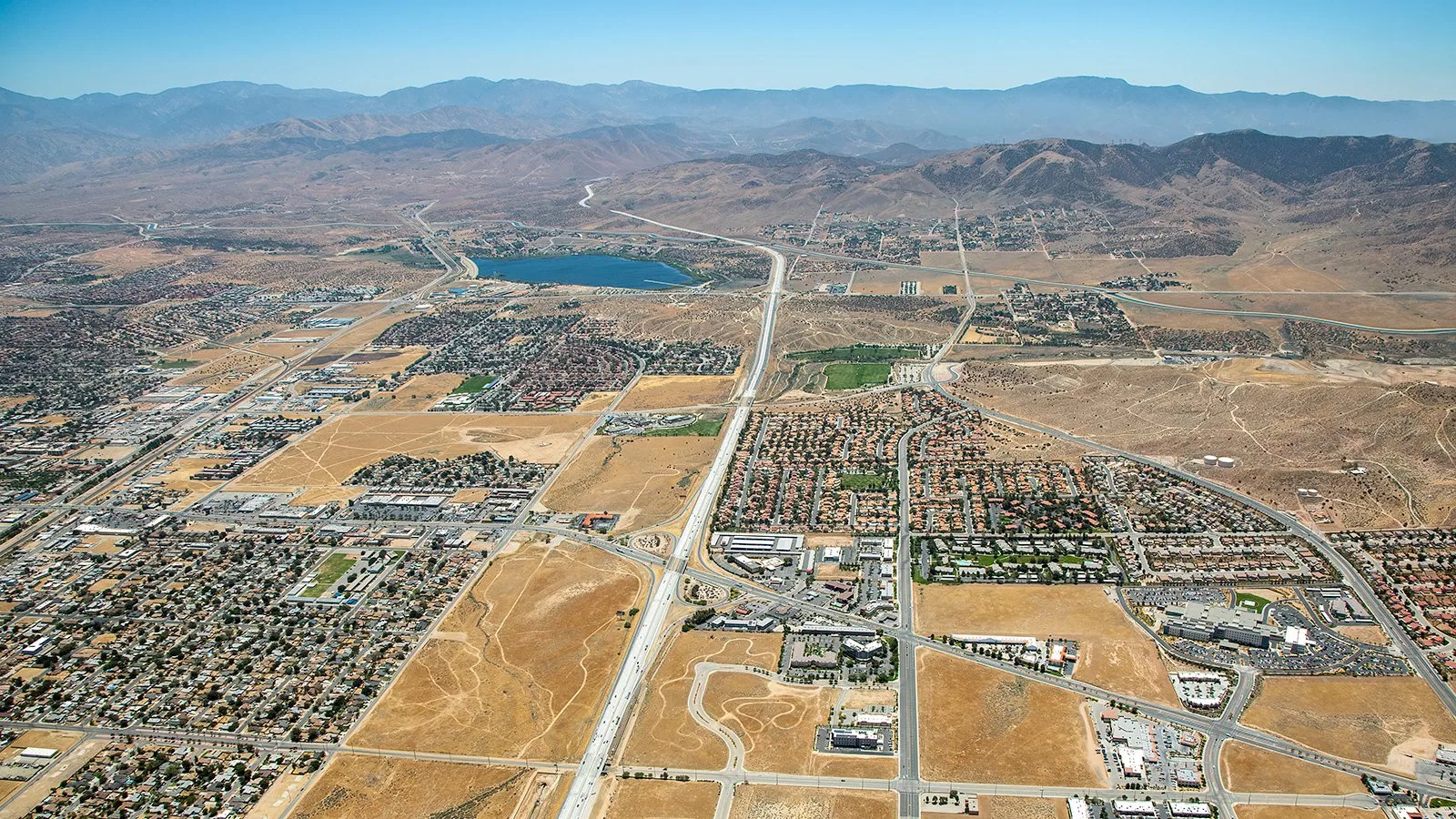
The hottest normal month at Lancaster’s William J. Fox Field is August, at 97.8°F. During that period, check lap edges, metal terminations, sealants, and exposed patches for separation or loss of bond. Mark each observation on the roof-zone plan so a later visit can compare the same point. Seasonal temperature changes can move joints and penetrations; photograph the same termination at each visit to separate ordinary movement from a repair edge that is losing bond.
Although yearly precipitation averages 6.81 inches, the normal wet season spans November through March. Before it begins, clear drains and scuppers, verify overflow routes, and secure temporary covers. A preventive maintenance visit can record the outlet condition and any repair still to be completed. Keep dated photos and material information with the zone label so the next inspection can locate the exact transition.
Where a repair requires a return visit, document the temporary protection and the condition that will trigger permanent work. Confirm who can approve access, how tenants should report a new leak, and where the manager wants photos and closeout notes delivered. A consistent record is especially useful when professional offices, financial services, retail, and residential uses share a district but have different operating hours. It keeps a roof decision tied to the inspected building rather than to a general assumption about downtown properties. When the work affects several suites, note which entrance or interior area needs advance notice and who will confirm that protection is in place. A roof map with numbered zones can connect field photographs to work orders without exposing tenant details in a public-facing summary. At closeout, record what was completed, what remains, and whether a follow-up inspection is recommended after the next rain. Clear handoff notes help a new manager continue the same maintenance plan instead of starting the investigation over. Keep tenant contact details in the property record, while the roof report describes only the affected zone and agreed work window.
Commercial Roofing Questions
Which properties are part of the Commerce District?
The district is a named part of Downtown Lancaster planned for offices, banks, financial and professional services, retail, and residential use. We verify the current property and roof conditions before setting a scope.
How do you locate a leak above an office?
We start with the affected room, timing, and any recent rooftop work, then inspect the roof zone above and uphill from that point. Seams, curbs, drains, and wall transitions help define the next check.
Can a storefront stay accessible during roof repairs?
The sequence should identify entrances, customer routes, staging, and any short access restriction before work begins. We coordinate those details with the property contact and secure the active roof section at each shift close.
What should an owner compare before approving replacement?
Review the repair history, moisture findings, condition of the receiving surface, drainage, edges, and any concealed layers. A written condition record lets the owner compare repair, restoration, and replacement against the actual assembly.
What is useful to retain after a repair?
Keep the repair boundary, materials, preparation, date, and photographs labeled by roof zone. Note any inaccessible area or remaining work so a later manager can distinguish a repeat condition from a new report.