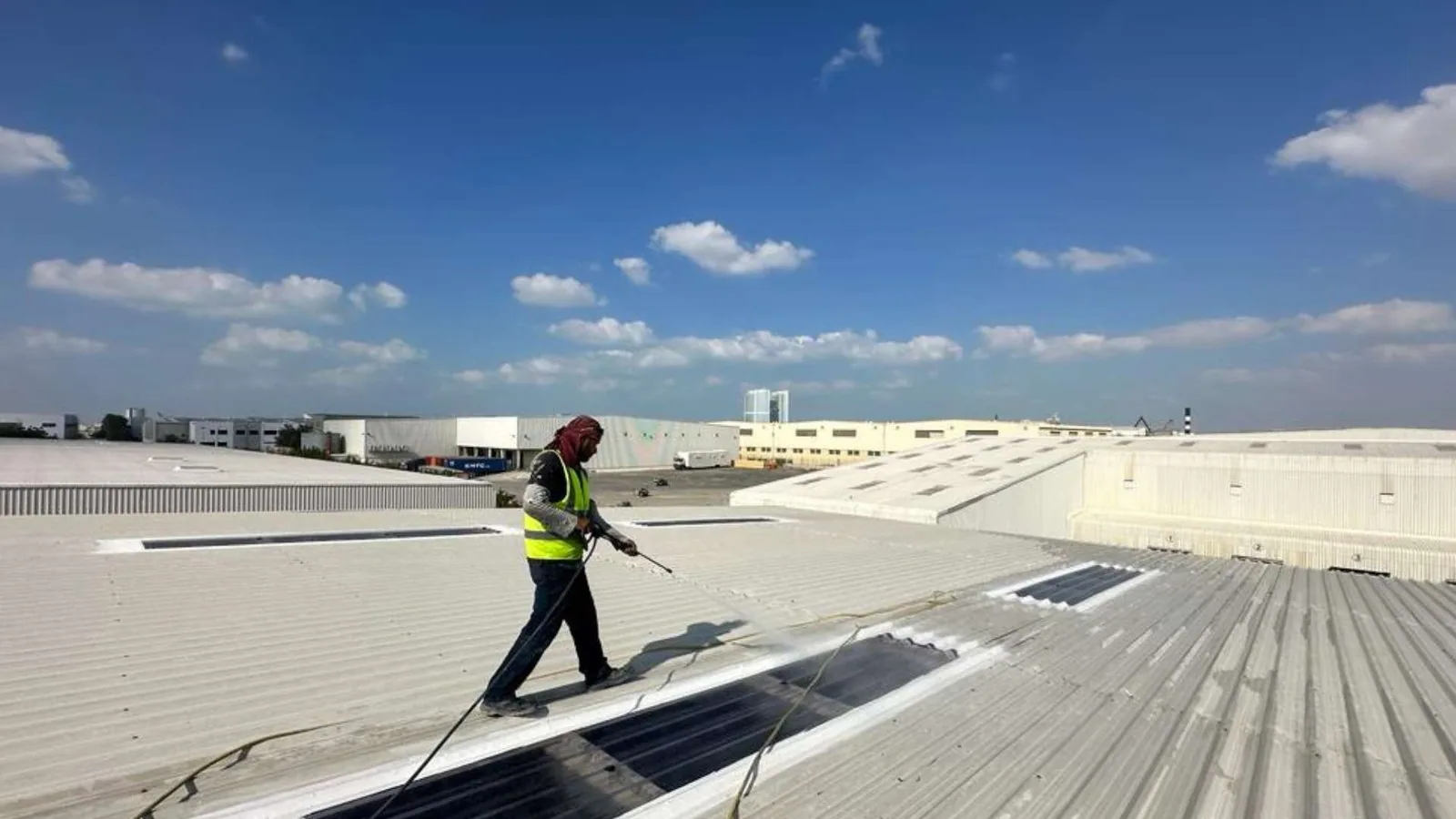
A grease-laden exhaust fan, a loose curb corner, and a stained dining-room ceiling can point to different roof conditions. Restaurant roofing needs inspection around the equipment that runs daily, the penetrations added during kitchen changes, and the routes used by staff and deliveries below. We trace the reported leak to the membrane field, flashing, drain, or transition before choosing a repair. The work record connects the roof finding to the affected interior area and tells the operator what access or protection is needed.
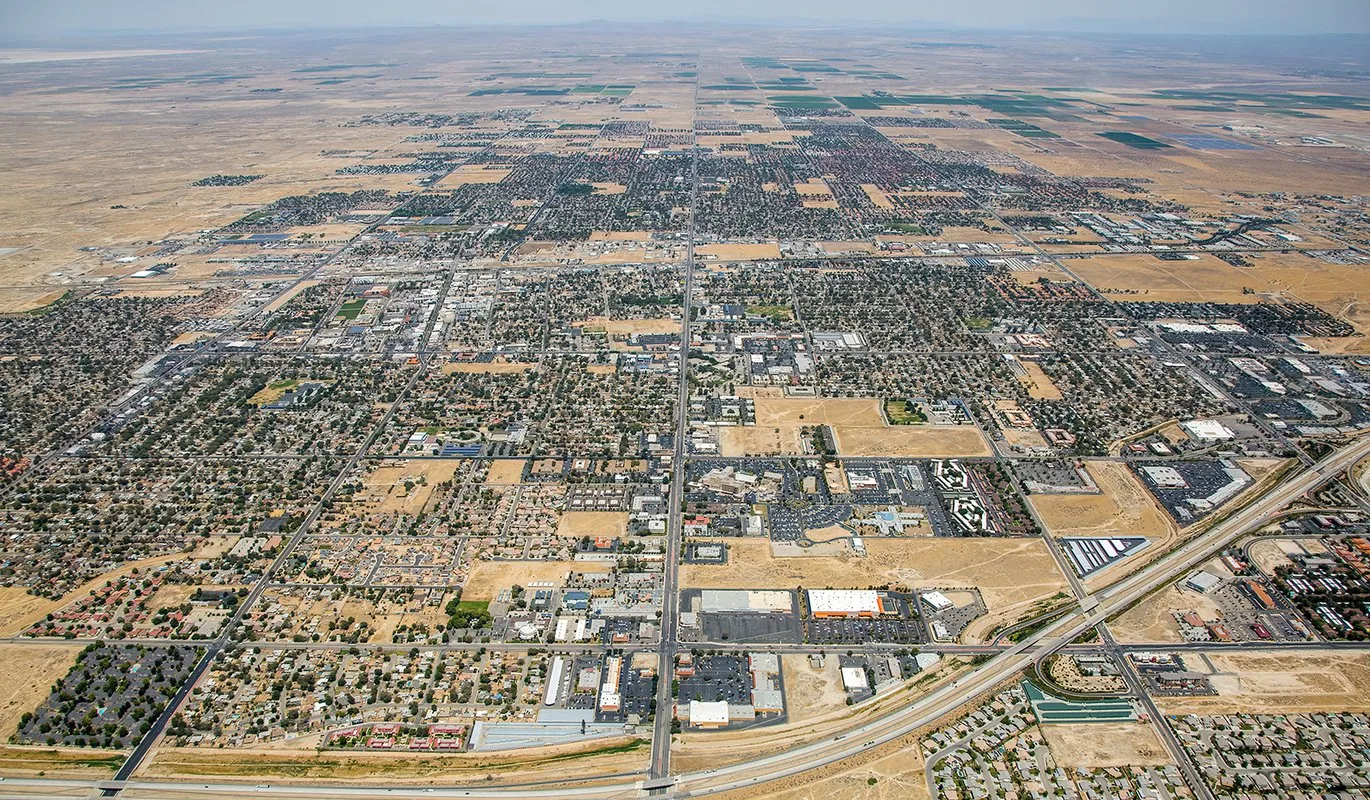
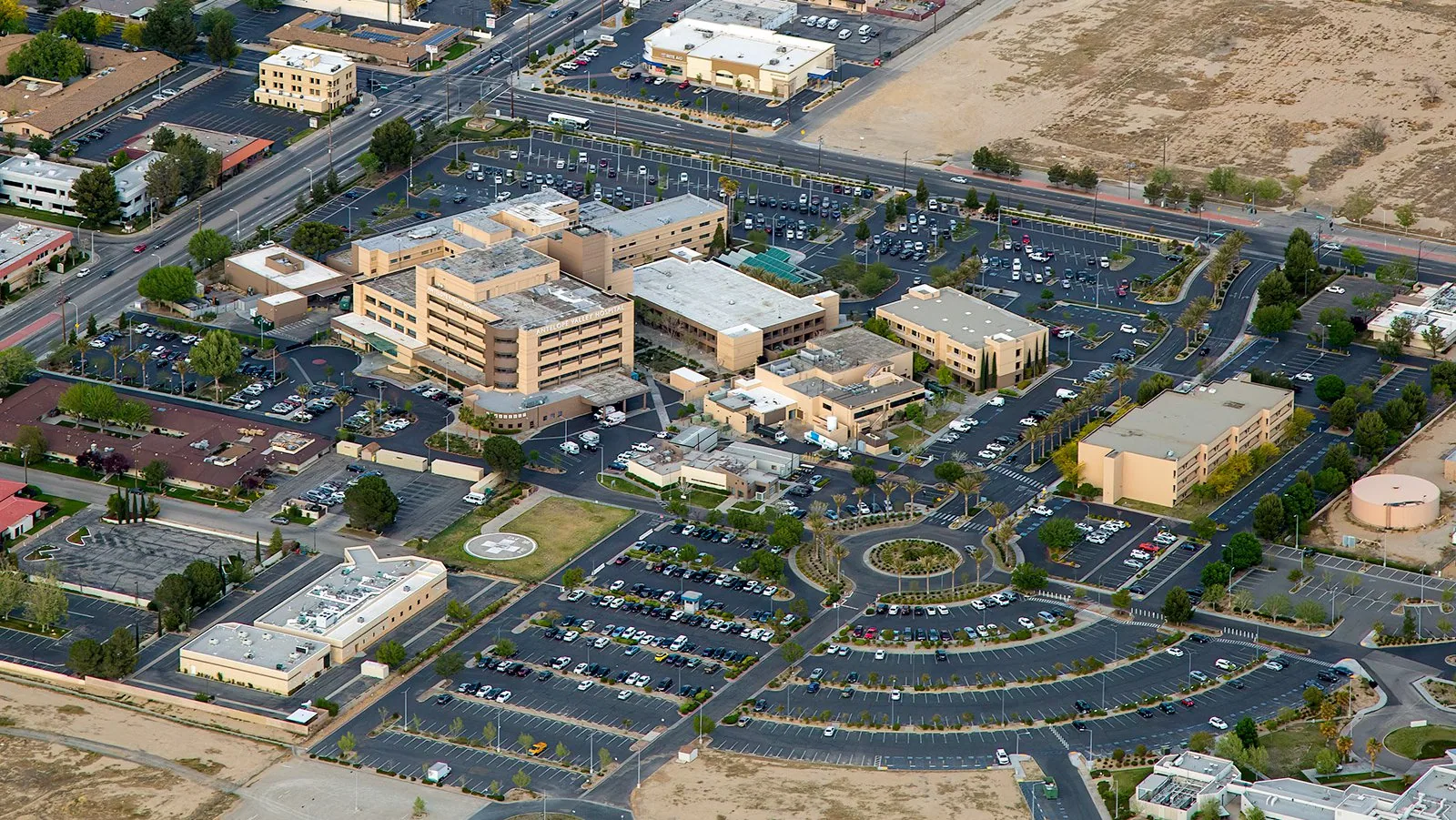
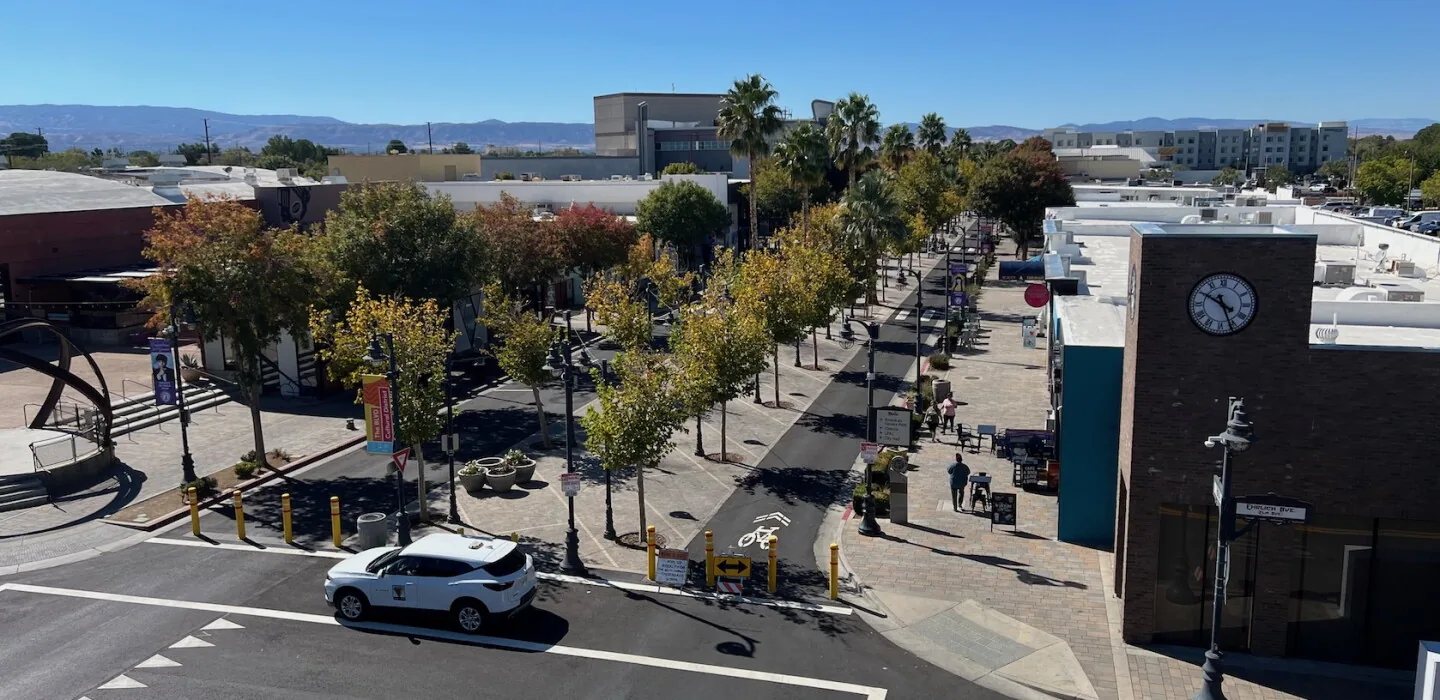
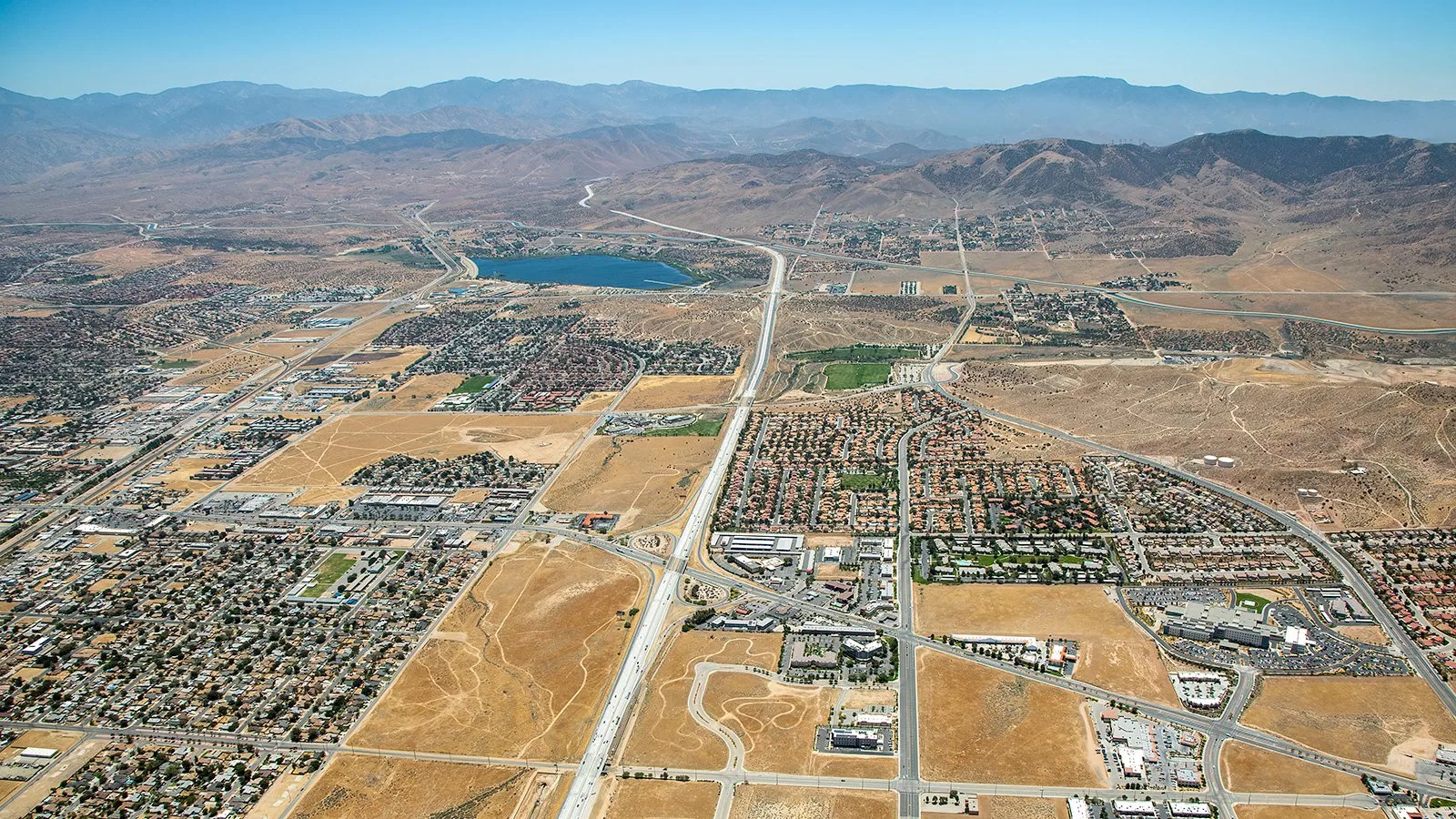
Lancaster's commercial inventory includes the Amargosa Creek planning area and the Lancaster Health District, where retail and service uses sit among office and medical properties. Each restaurant still needs its own roof map and operating plan. We check the assembly, equipment layout, loading conditions, and hours before setting a work sequence.
Trace Water Back from the Dining Area
A ceiling stain over a table is a report point, not a roof diagnosis. Water can move along a deck, joist, conduit, or insulation joint before becoming visible indoors. We compare the timing of the leak with rainfall, kitchen operations, and equipment cycles, then inspect nearby seams, curbs, penetrations, drains, and edge transitions. When more than one route is plausible, a controlled test or selected opening can narrow the source before the repair boundary is set.
The inspection record identifies the roof zone, interior location, observed condition, and any area that remains untested. That distinction helps the operator decide whether a temporary measure is enough for the shift or whether a larger repair should be scheduled. A commercial roof inspection can also document adjacent conditions, while leak repair addresses a confirmed water path.
Check Exhaust, Grease, and New Penetrations
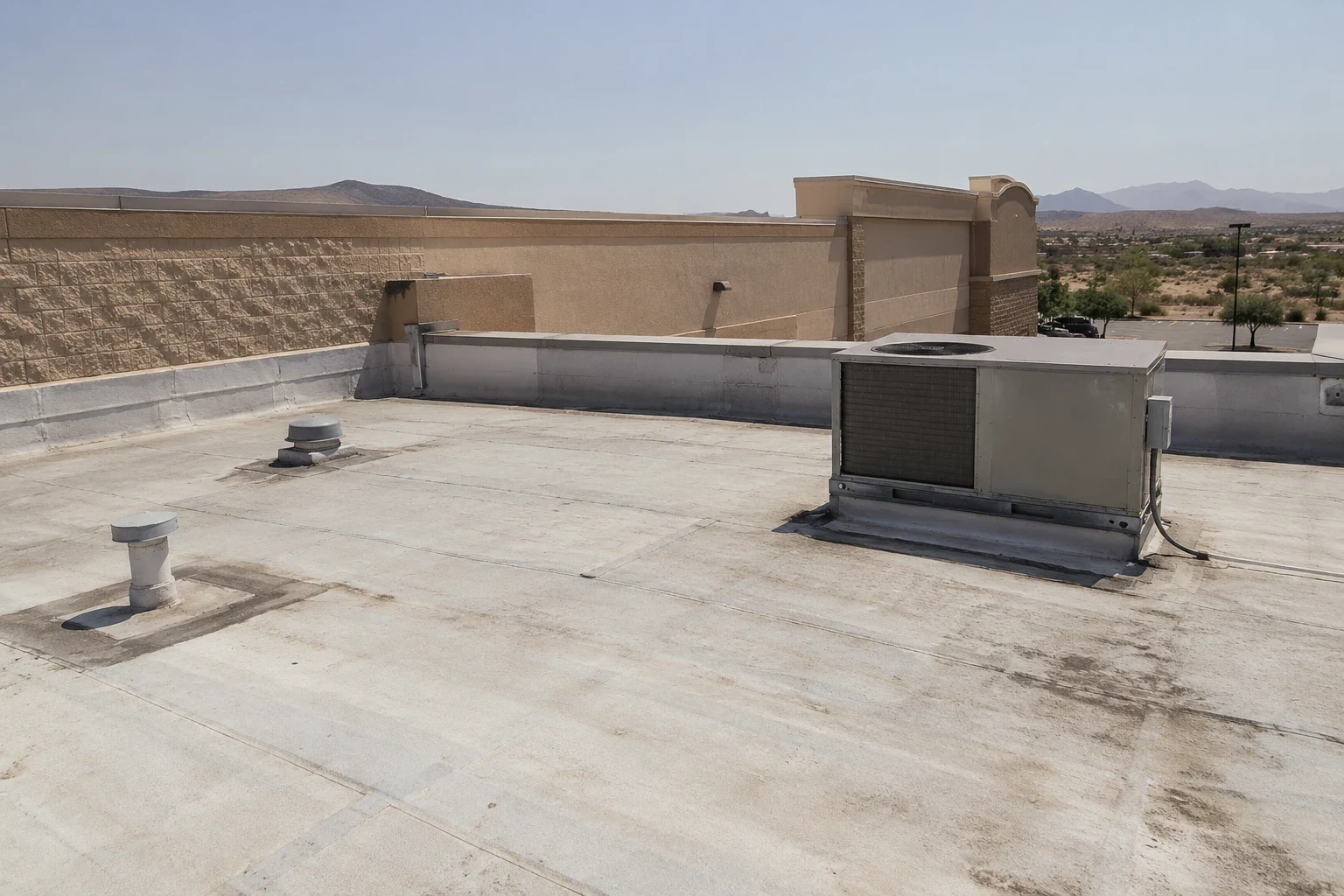
Kitchen exhaust changes the roof environment at a small number of high-use points. Fan vibration can work on its supports; grease residue can collect near discharge equipment; and a replaced fan may not match the original curb dimensions. We inspect the curb, counterflashing, fasteners, nearby membrane, and signs that service work has disturbed a patch or seam. The review follows the actual detail rather than assuming that the leak must be under the fan.
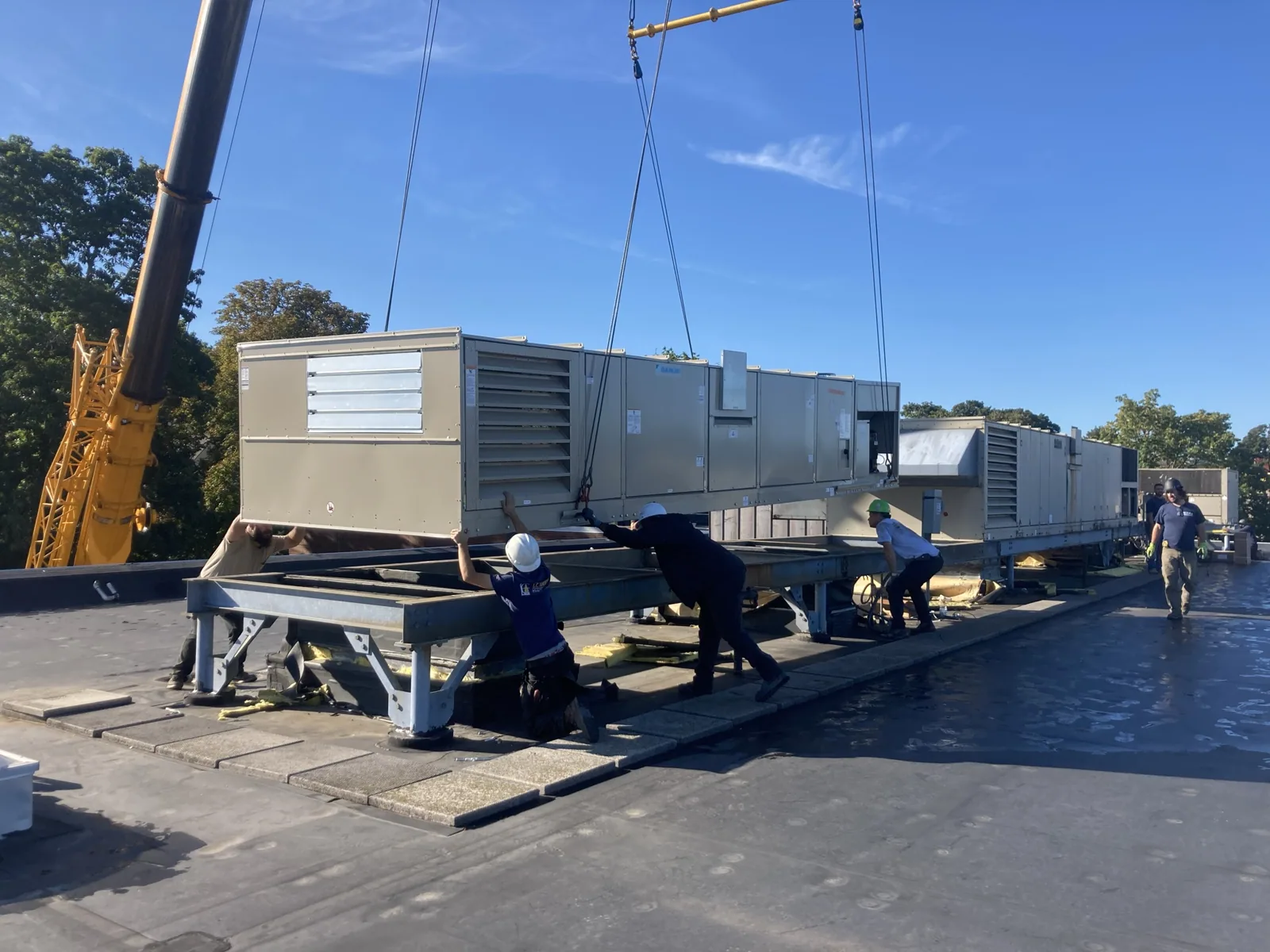
Before another trade moves equipment or cuts a new opening, the roofing scope should identify who restores the flashing and how the roof stays protected while the work is underway. Curb and support inspection documents these interfaces. We note any grease or heat condition that calls for coordination with the kitchen contractor and avoid assigning a roof repair to a source that has not been confirmed.
Plan Work Around Service and Deliveries
Restaurant work often shares a constrained site with customer entrances, receiving doors, outdoor seating, and neighboring tenants. We agree on lift placement, material staging, roof access, and any temporary barrier before mobilizing. If a repair sits over a dining area or food-preparation room, the manager can arrange interior protection and tell staff which space may be affected. The schedule should also account for deliveries and peak service periods rather than relying on an assumed quiet window.
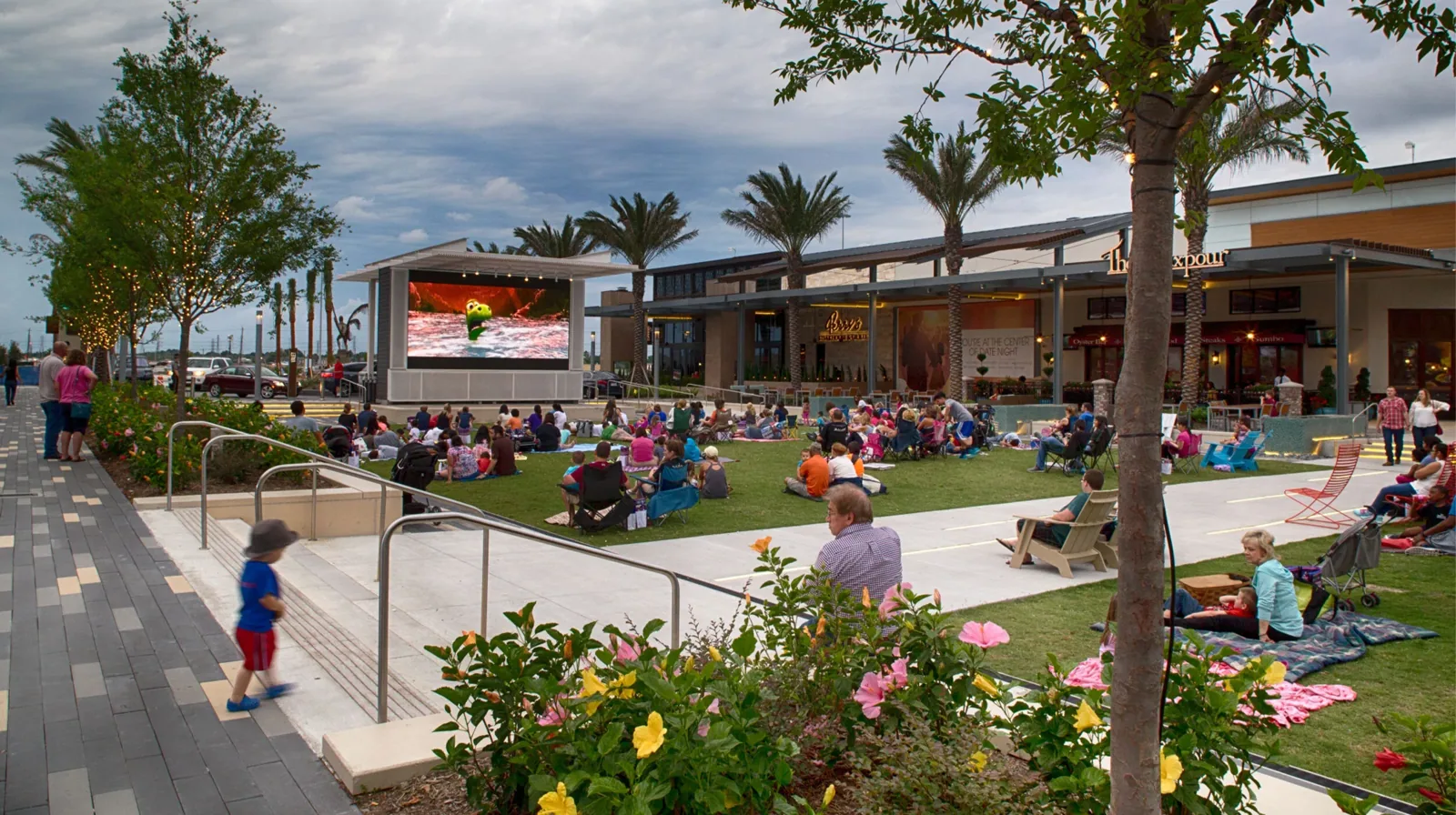
Where a restaurant is part of a larger retail property, the operator may need to coordinate access and notices with the property manager. A shopping-center roof plan can address shared areas; a restaurant scope adds exhaust, grease, and kitchen-service details. In a grocery property with prepared food, the roof interfaces differ again, so grocery roof conditions deserve their own inspection rather than a copied repair plan.
Separate Drainage Trouble from Flashing Failure
Standing water at a low point, a blocked outlet, and a failed penetration flashing can create similar interior reports but call for different corrections. We follow the drainage path from the field toward the outlet and inspect strainers, bowls, scuppers, and nearby seams. If water is entering at a curb, clearing a drain will not repair that detail. The scope should state which condition was observed and what evidence supports the proposed work.
The local annual precipitation normal is 6.81 inches, with most rain falling from November through March. Between winter systems, outlets still need to stay clear of leaves, roof debris, and material left by maintenance work before runoff arrives. Drain and scupper repair can address an outlet defect; the proposal records whether nearby sheet metal or membrane also needs work. We identify any follow-up inspection needed after the next rain.
Choose Repair, Recover, or Replacement from the Evidence
A localized membrane or flashing failure can support a repair when the surrounding material and substrate remain sound. A recover may be considered when the existing assembly is dry, attached, and suitable for another roof layer under applicable requirements. Replacement deserves review when verified wet insulation, repeated movement, deck concerns, or widespread failure crosses the repair boundary. We compare options using the same roof map and list the assumptions that could change after an opening is made.
Restaurants can include a dining room, kitchen, storage area, and lower canopy with different roof conditions. The scope should distinguish those sections and show where phasing can reduce disruption. A replacement assessment helps frame a capital project; planned maintenance can keep drains, curbs, and exposed transitions under observation between larger decisions.
Keep a Useful Roof Record
After repair, the closeout should identify materials used, the work zone, photos, drain status, and limits of the completed scope. That information lets a facilities contact compare a later stain with the prior repair without treating every new report as the same leak. We also note equipment changes or roof areas where another contractor should use a protected service path. If a condition needs monitoring, the record should say what visible change warrants a return visit.
In Lancaster, recurring summer heat places repeated expansion and contraction on exposed roof details. The 1991-2020 record puts William J. Fox Field's January low normal at 31.3°F and July's at 67.2°F, a seasonal shift worth tracking at exposed joints. The condition file can connect a future movement issue to its location and prior work. A scheduled assessment gives the operator a current basis for the next repair or reserve decision, with the affected roof zones and limits clearly recorded.
Commercial Roofing Questions
Can roof repairs be scheduled outside restaurant service hours?
Often, the work window can be set around service, deliveries, and access restrictions, provided weather and repair conditions allow it. We identify the roof entry, affected interior space, staging area, and any noise before confirming a schedule.
Does a kitchen exhaust leak always come from the fan curb?
No. Water may enter at a nearby seam, pipe penetration, drain, or patch and travel before appearing below. We inspect the fan detail and surrounding roof area, then define the repair from the evidence.
What should a restaurant do when a ceiling leak appears during service?
Protect the affected interior area, alert the manager, and record where and when water appeared. If water is active near electrical equipment or food preparation, follow the property's safety procedures while arranging a roof assessment.
Can a roofer work above an operating kitchen?
That depends on the roof opening, interior protection, access, and conditions below. The scope should identify whether operations can continue in the affected area or whether temporary restrictions are needed.
When does a restaurant roof need replacement instead of repair?
Review how far confirmed moisture or material failure extends, the condition of the substrate, and whether the existing layers can support the proposed assembly. A mapped inspection and selected testing can separate a repair area from a broader capital need.