A big-box store may have a broad roof field, but leak sources usually cluster around drains, curbs, loading areas, or perimeter details. We map those points, compare ceiling reports with the roof-side water path, and identify the smallest repair boundary supported by inspection. When several departments report water, that map helps distinguish one traveling leak from separate defects before work is priced.
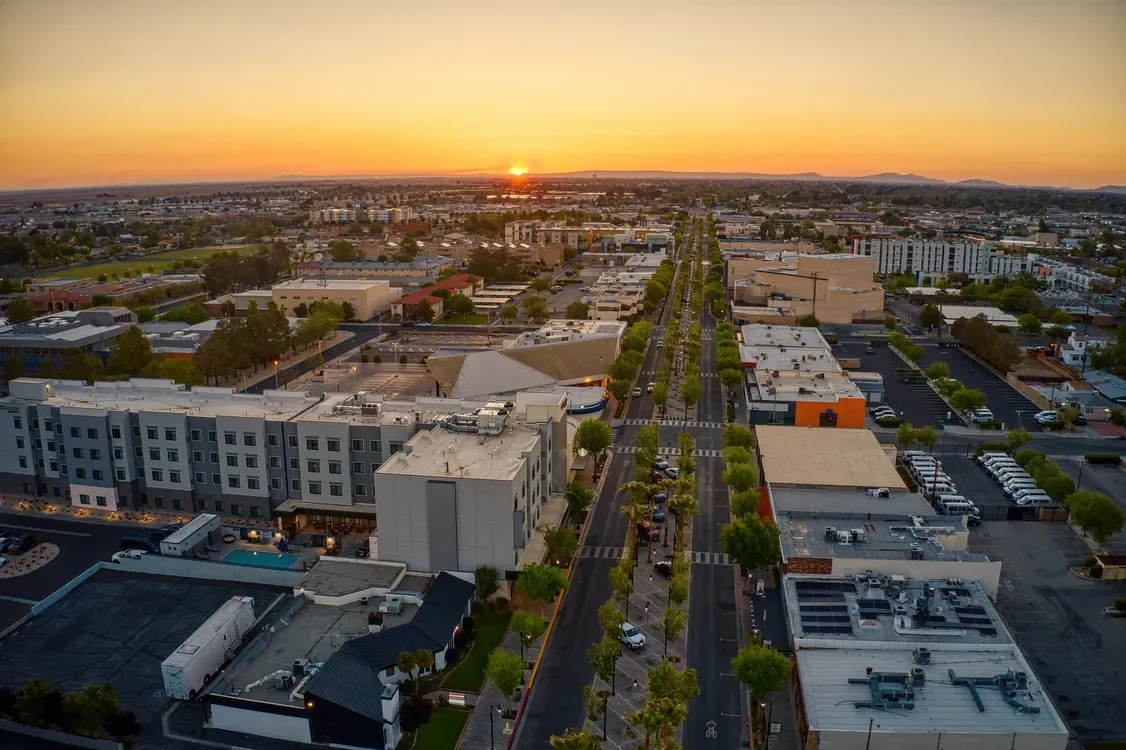
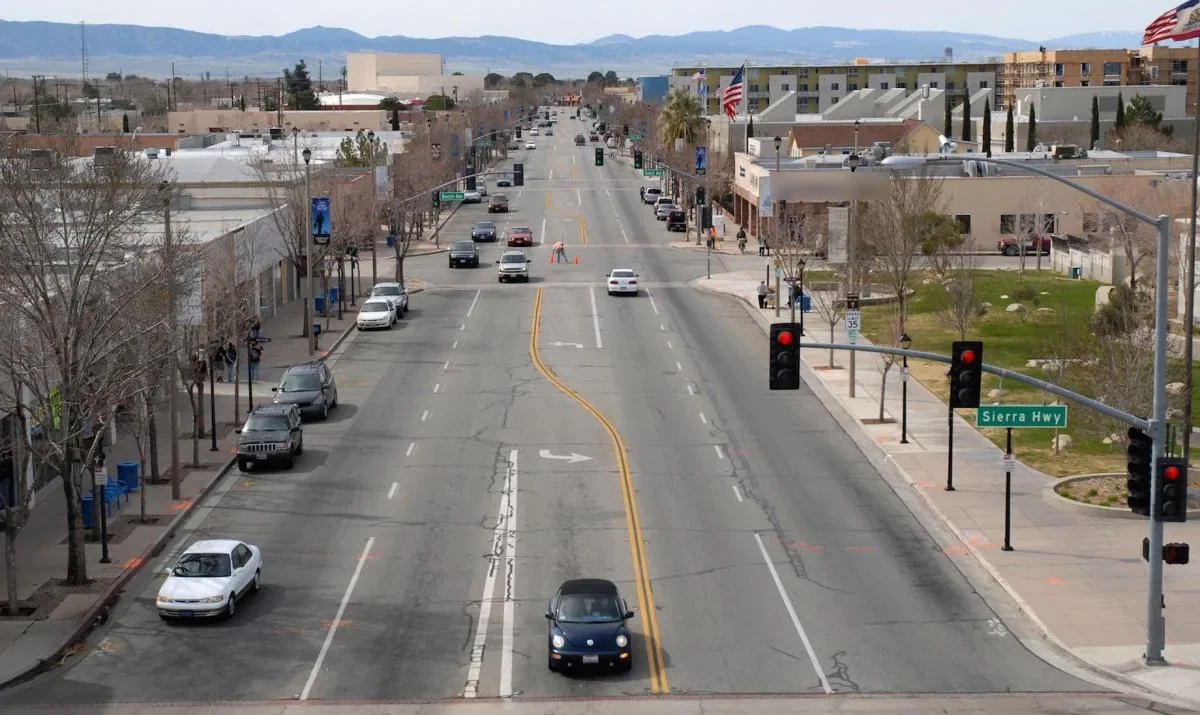
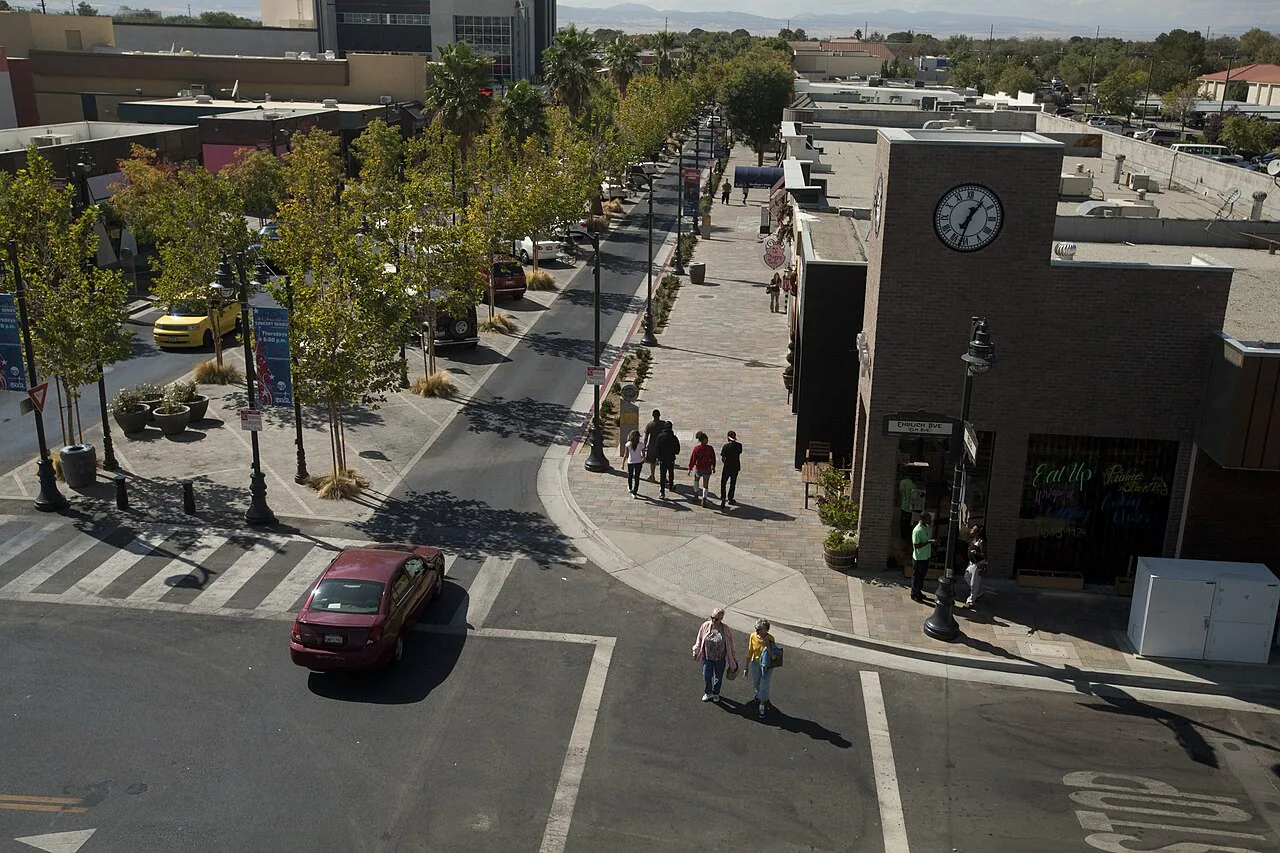
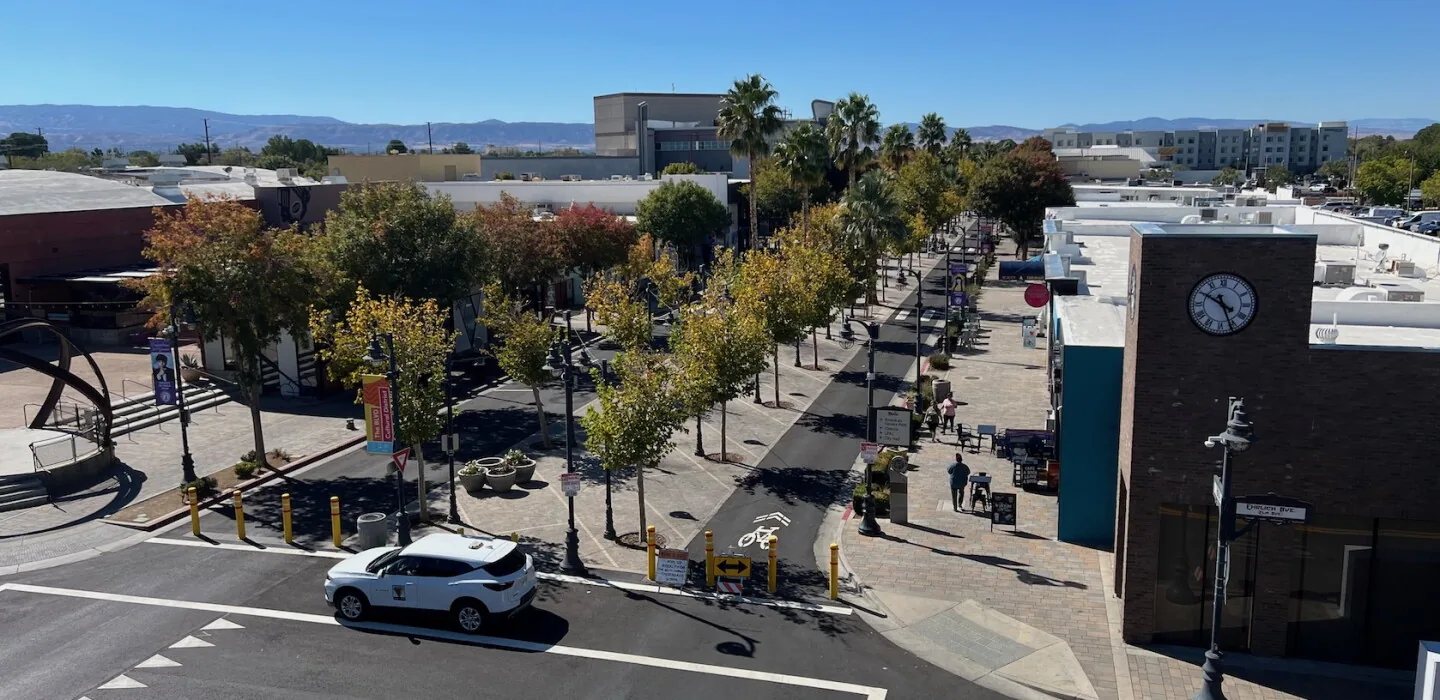
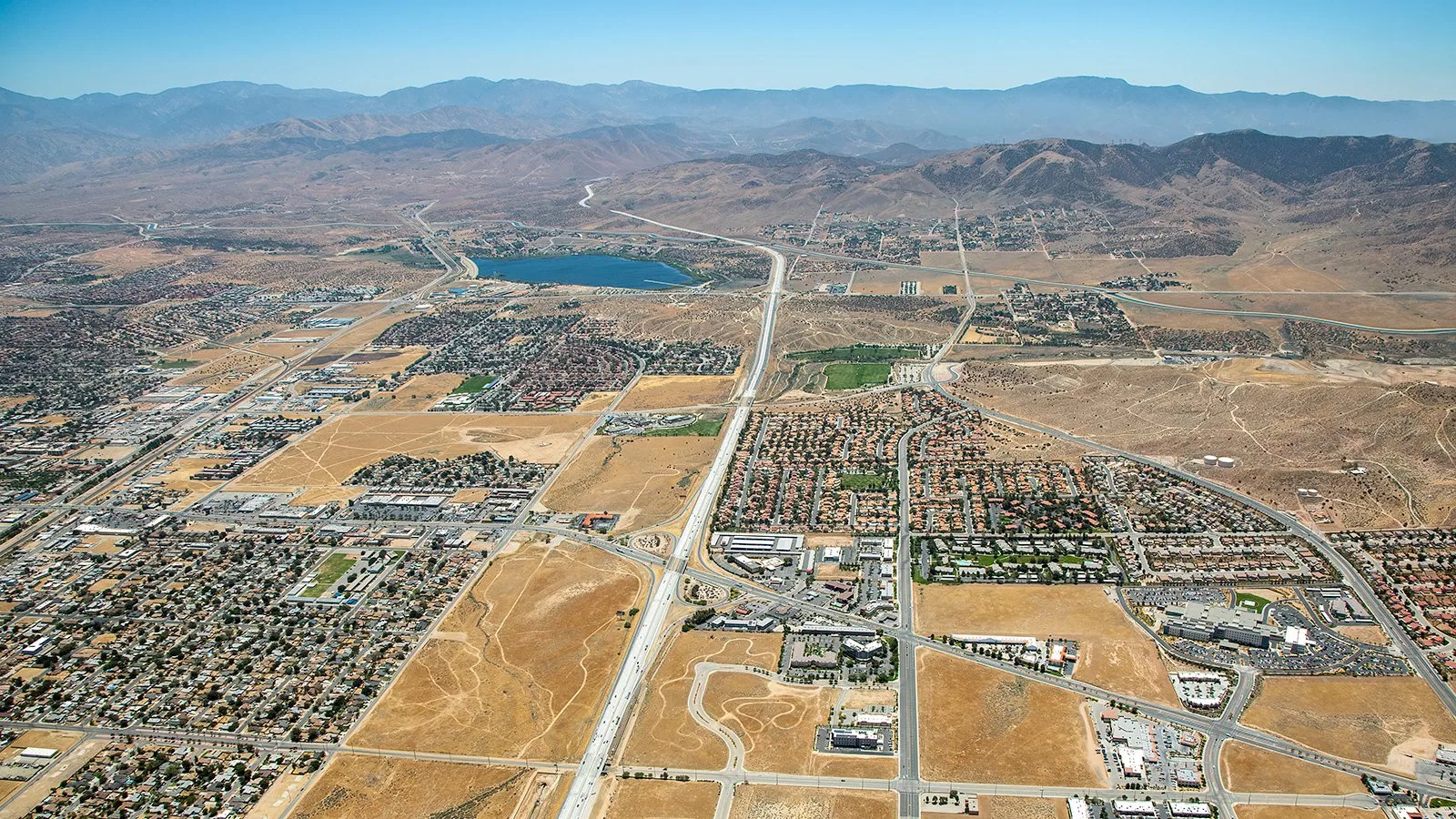
Lancaster's commercial planning includes Lancaster Business Park and the broader Downtown Lancaster Commerce District. Those areas support a varied retail and business context without making one store the service-area target. We assess the specific store's sales floor, receiving dock, equipment layout, and access rules before setting the repair sequence.
Protect Customers, Inventory, and Store Access
Work over an active sales floor needs clear separation between the crew, customers, and merchandise. We identify aisles below the roof zone, receiving doors, emergency exits, and any shelving that needs a cover or temporary move. The property team can set barriers and schedule lifts before deliveries or peak shopping periods. If an interior opening is needed, we coordinate its timing so the affected department can be cleaned and returned to use after the assembly is restored.
A roof repair may fit around store hours when access and noise permit, while moisture removal or replacement may need a staged area. We explain which sections are affected, where materials will be staged, and whether a route across the sales floor is required. A department lead can identify high-value stock, fragile displays, or merchandise that should be covered before drilling or lifting begins. These details become part of the daily work plan, not a surprise after a ceiling panel has been removed. Occupied retail roofing can include those protections, and shopping center roof plans can address shared canopy and tenant arrangements.
Inspect Receiving Docks and Rooftop Units
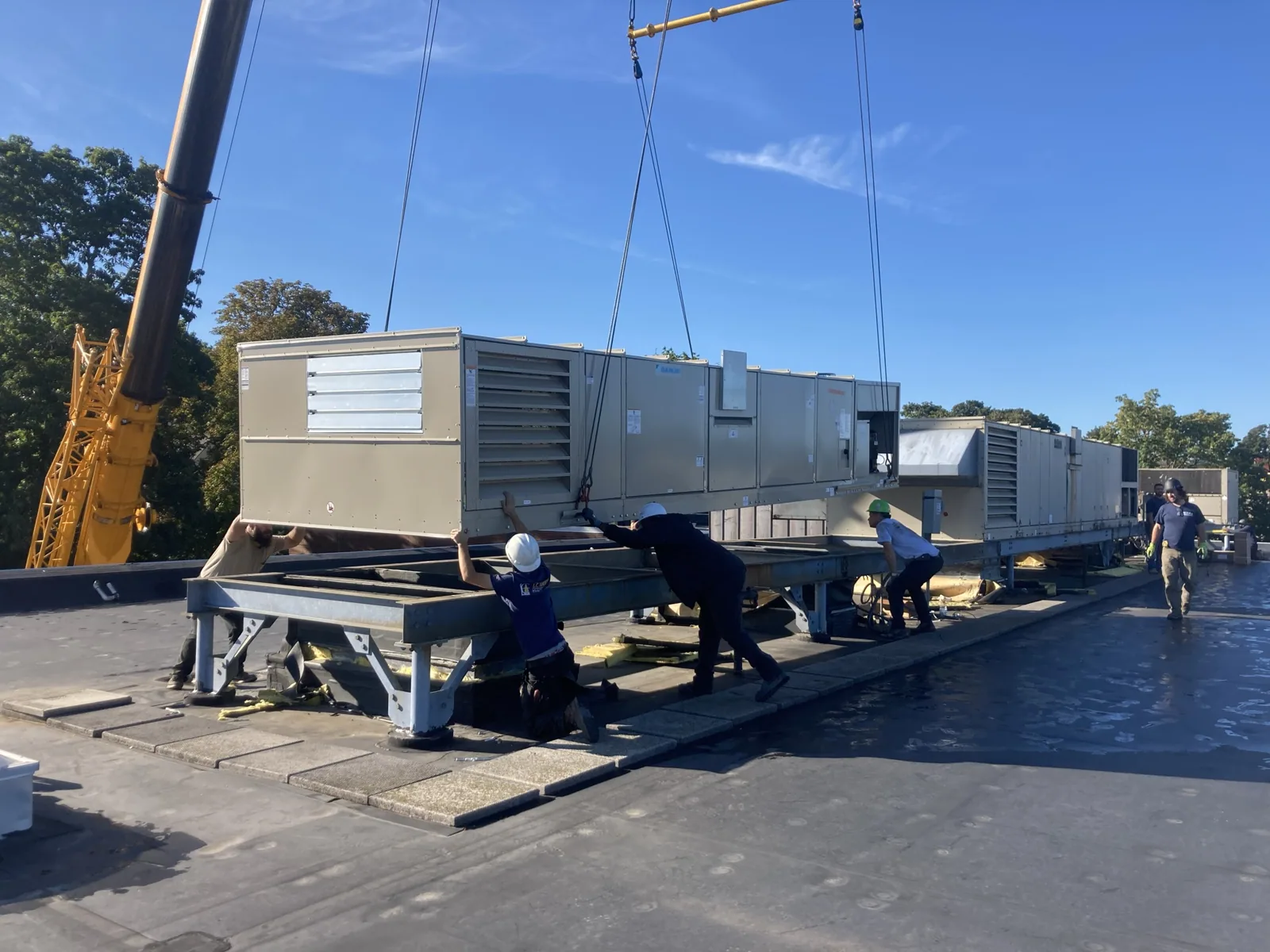
Receiving areas often combine dock canopies, overhead doors, exhaust, and rooftop mechanical equipment. We inspect the membrane where a canopy meets a wall, along with curbs, pipe boots, and support pads above. A water mark near the dock can come from a roof joint or a failed canopy transition, so we trace both before selecting a repair. New equipment or lighting work also needs a complete flashing detail when a trade leaves the roof.
Maintenance routes can wear the membrane around units and service platforms. We check walkway protection, loose fasteners, and sealant that has pulled away from fixed equipment. A curb and support repair can address those details, while edge metal work can secure perimeter transitions and dock-side gutters. Closeout notes which unit or loading zone is next to the repaired area.
Keep Roof Outlets Clear Before the Rainy Season
Lancaster's normal annual precipitation at William J. Fox Field is 6.81 inches, with most falling between November and March. The amount is limited, but stormwater still needs a clear route across a large retail roof. We check drain strainers, overflow scuppers, low points, and the membrane around each bowl. If a drain backs up, we determine whether the cause is debris, a broken connection, or a roof plane that holds water.
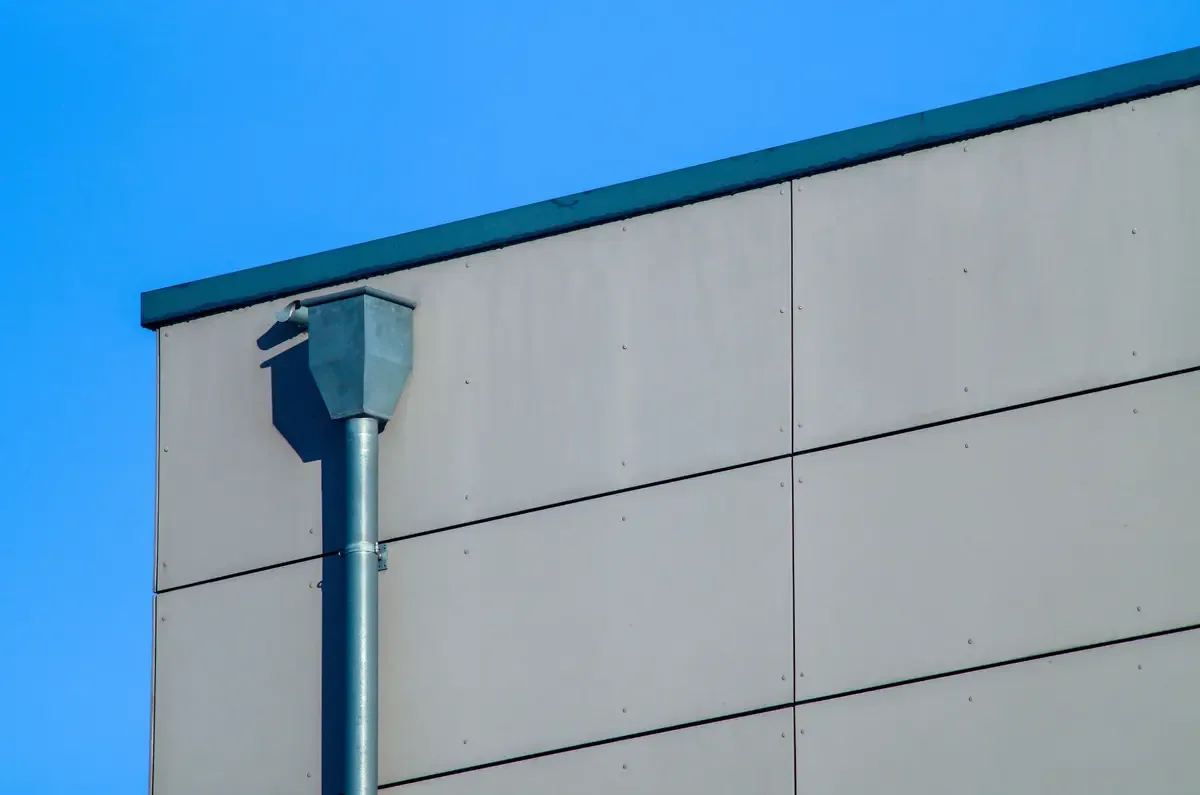
Large roof areas can hide shallow ponding away from the outlet. We mark those locations and check seams or patches exposed to standing water. A drain and scupper service can correct an outlet defect, while a roof inspection records the adjacent surface and edge details. The repair estimate separates cleaning from work on the slope or drain body, so the proposed fix addresses the actual source.
Test Hidden Moisture Before Closing a Section
A surface patch can stop a small breach but leave wet insulation beneath it. We inspect the membrane, seams, prior repairs, and interior signs before deciding whether physical testing is needed. An infrared moisture survey may guide sample points when weather and roof conditions support useful readings. Test cuts confirm the layer condition and show whether water reached the deck at each selected location.
If the affected area is near merchandise, refrigeration, or electrical equipment, we coordinate protection with store operations before opening the assembly. The report keeps verified wet material separate from areas that have not been sampled. When moisture crosses several bays or a deck has deteriorated, the repair boundary may expand; an isolated leak with dry surrounding layers can remain localized. That distinction helps the owner set repair timing without relying on a ceiling stain alone.
Choose Between Repair, Recover, and Replacement
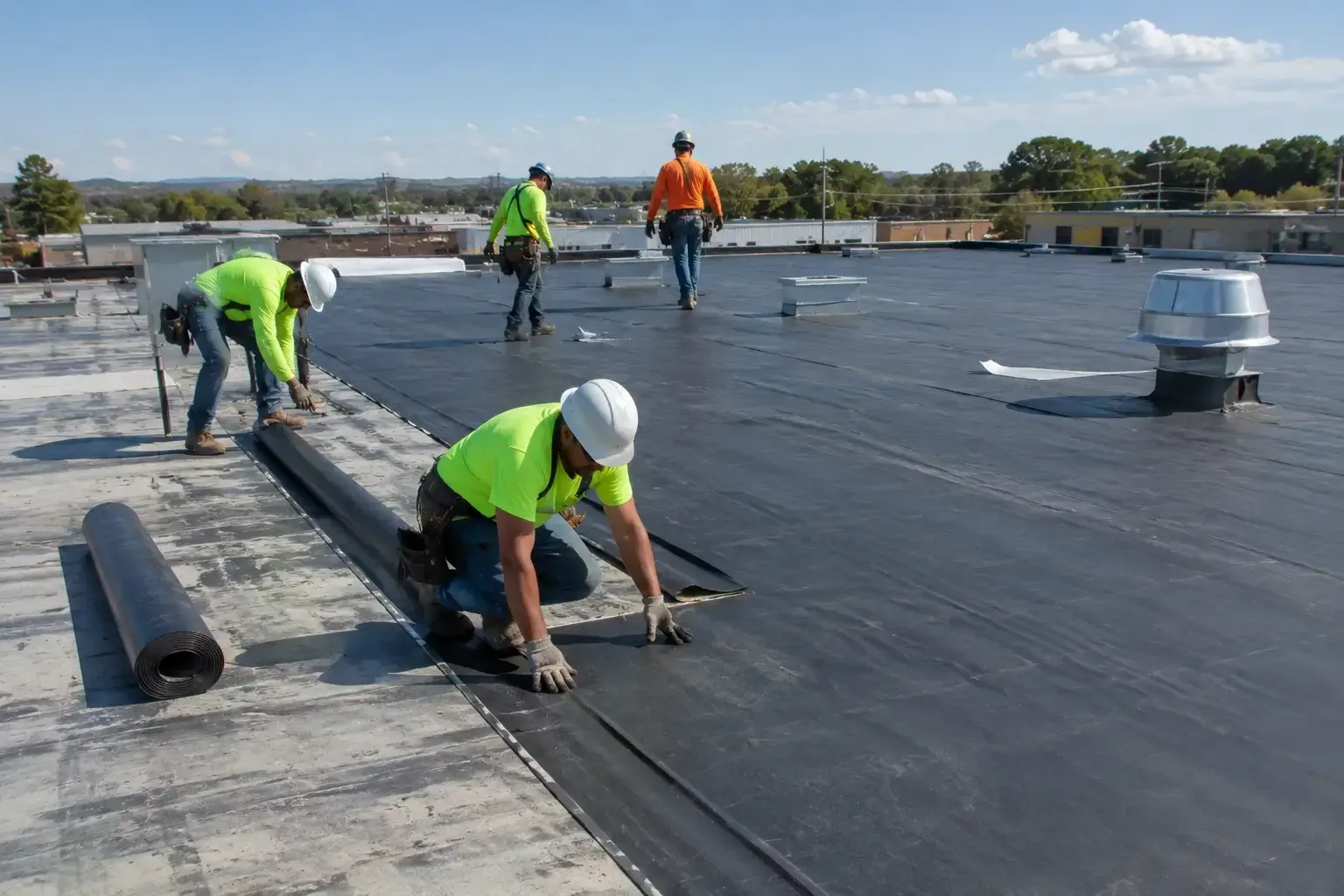
We compare options using the same roof map. A repair may fit a sound membrane with one failed seam or curb; a recover may work where existing layers are dry and attachment remains suitable. Replacement becomes more relevant when leaks repeat, insulation is wet across multiple areas, or the roof has reached a broader condition limit. The scope lists areas, preparation, flashing, drainage work, protection, and any conditions that need review after opening.
Retail centers can combine a big sales floor with grocery, food service, or shared tenant zones. Grocery roof work may add refrigeration lines and cold-room details, while the specific store needs a roof-type and moisture review. A replacement evaluation can sequence work by section and access window. Emergency response is available at any hour, including holidays, if active water threatens customers, inventory, or operations.
Keep Store Operations and Roof Records Aligned
After work, we provide photos, roof-zone references, repair details, and any remaining test or maintenance item. Store managers can use the record to identify which aisle or dock sits below a repair and who to contact if conditions change. A maintenance program can revisit drains, curbs, and high-traffic routes between larger projects, especially after equipment service or storm activity.
A portfolio may include several retail buildings with different roof systems and access patterns. We record each building separately and note whether the same crew route, staging location, or material protection applies across the site. If an equipment contractor opens a curb later, the roof file should show the membrane detail and how it was closed. This keeps a new service call tied to the roof's actual repair history. The record can also show which tenant contact received the completed-work notice and whether follow-up access must be arranged.
Commercial Roofing Questions
Can big-box roof work happen while the store is open?
Many repairs can be contained by roof zone, but the work below and route to the roof matter. We coordinate barriers, deliveries, noise, and interior protection with store operations before setting the schedule.
Why might a leak show up in a different aisle from its source?
Water can move beneath the membrane, follow a deck flute, or travel from a curb toward a low point. We compare interior reports with roof slope and details, then test where needed to determine the repair boundary.
How should a store prepare for roof work above inventory?
The affected department, shelving, and receiving route should be identified before an opening or material drop. We state what needs covering or temporary movement and coordinate the plan with store staff.
What does a big-box roof inspection cover?
We review seams, membrane condition, roof drains, edges, loading canopies, mechanical units, prior repairs, and suspected moisture. The findings are organized by roof area so the owner can see where each option applies.
When is a full retail reroof preferable to recurring patch work?
A broader project may fit when failures recur across zones, moisture is widespread, or the substrate cannot support a reliable repair. We verify the assembly and compare the limits of replacement with the remaining repair options.