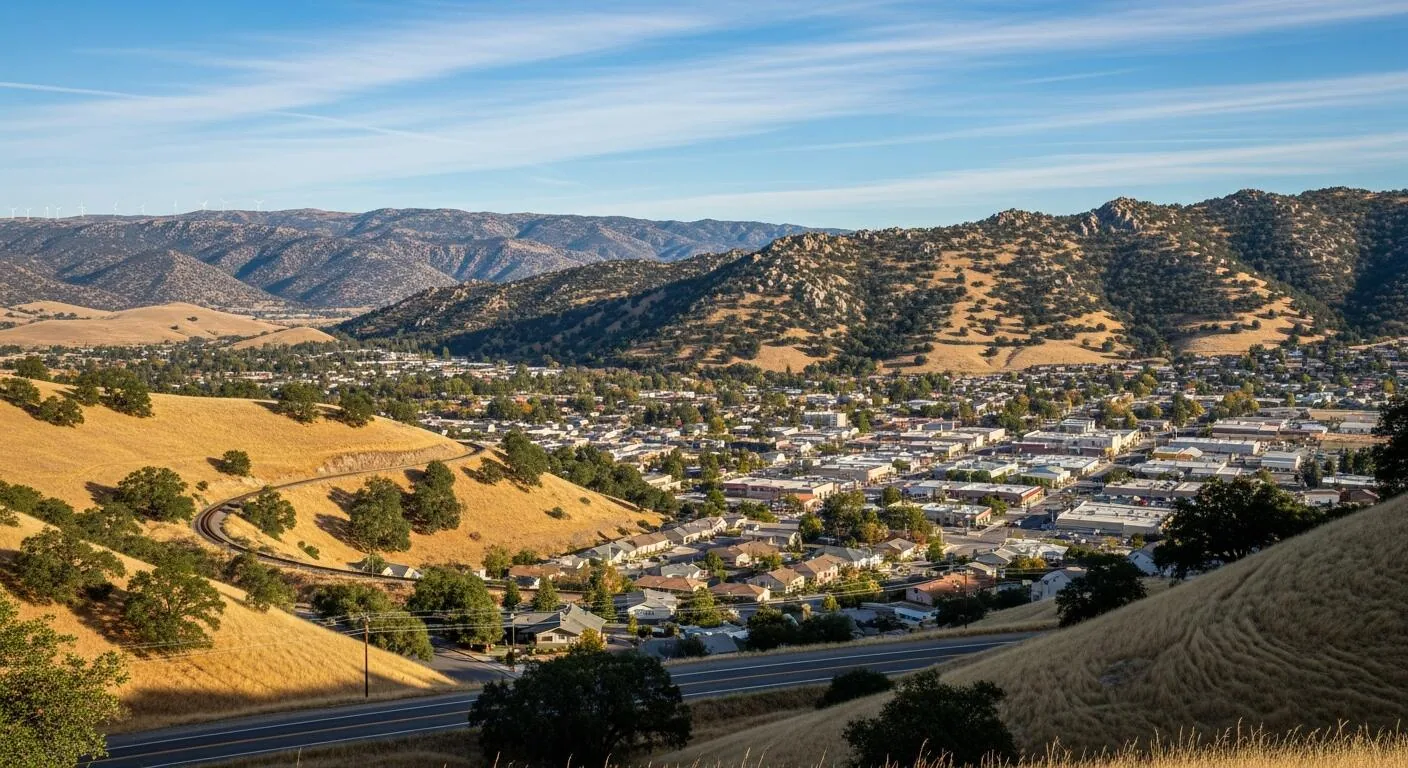
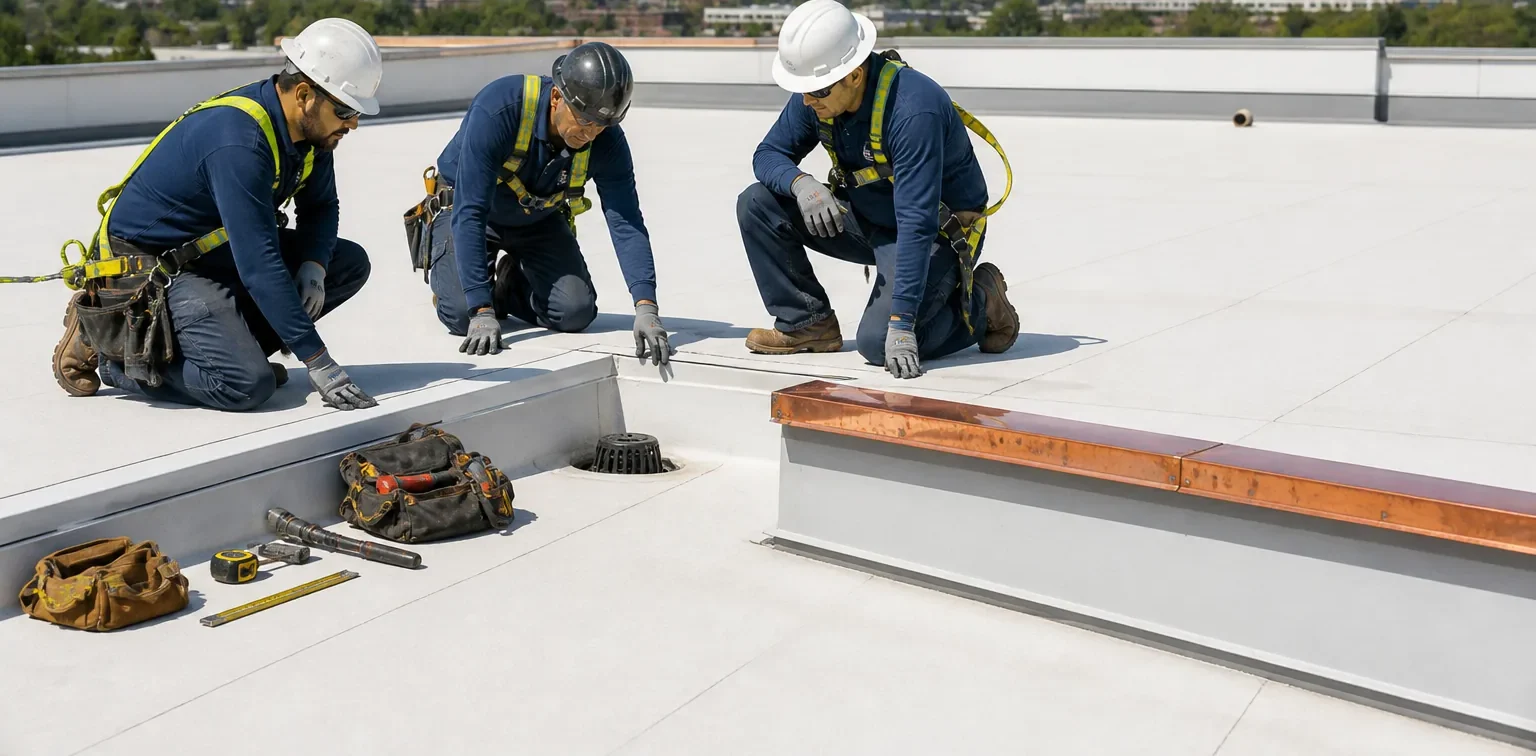
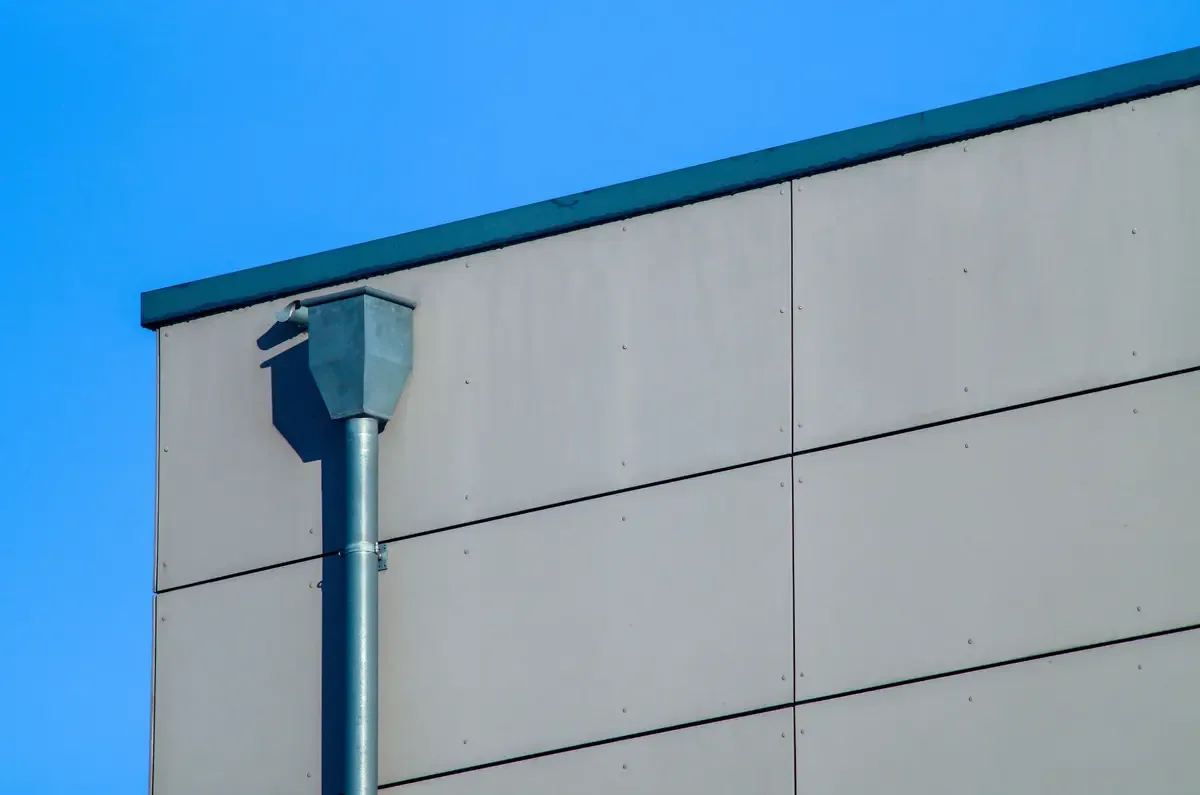
A drain, curb, and roof edge can each fail in a different way, even when they sit on one continuous membrane. We inspect those transitions separately, then map any leak or maintenance item to the roof zone that needs attention. Green Valley lies south of Elizabeth Lake in the southwestern Antelope Valley. Parts of Green Valley have existing homes and commercial uses, while other areas remain largely undeveloped. Two Spunky Canyon Road intersections have Rural Commercial designations for uses serving residents and local employment.
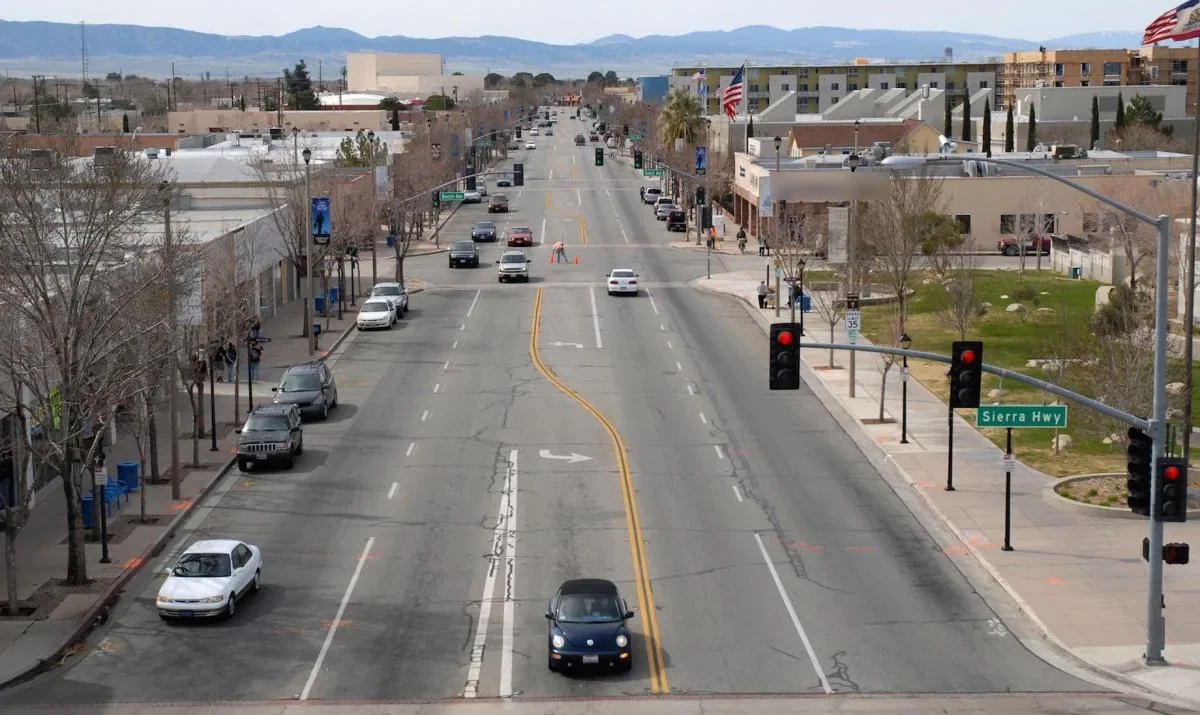
Green Valley’s land-use mix varies across the community, so the selected building’s membrane, deck, access, and operating needs shape the work plan. The community spans developed pockets and open land, so access and material staging should be planned for the selected property rather than assumed from a neighboring parcel. We inspect seams, patches, and sealant, then connect the findings to repair, maintenance, or capital decisions. For multi-property owners, keep each roof map and maintenance record tied to its own building. An owner managing nearby Elizabeth Lake property can schedule a separate The Lakes roof evaluation.
Inspect the property, not the map label
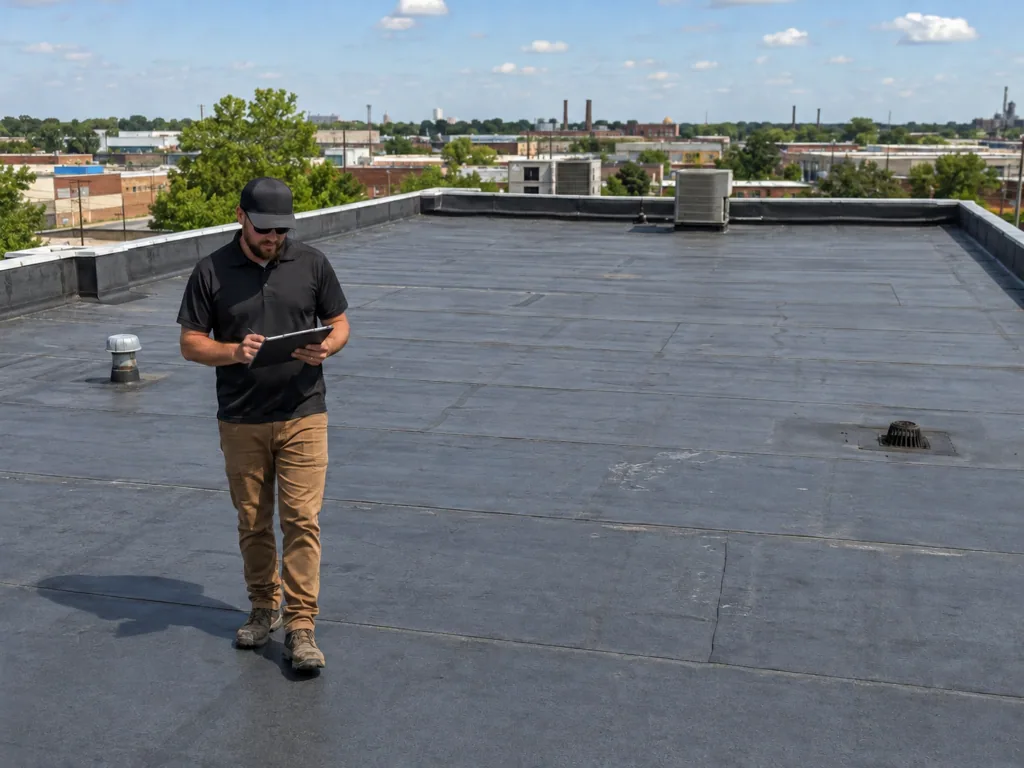
At the visit, we identify safe access, visible roof zones, and the areas tied to reported water or repair history. The inspection checks the membrane field, edge metal, flashings, curbs, penetrations, drains, and signs of prior patching. We label photographs with a roof-zone reference and include a wider view that lets a manager orient the detail. If an area cannot be reached or a layer is hidden, the report marks that limit for review instead of treating it as a known condition. The roof map can also note hatch locations, access restrictions, and sections obscured by equipment, giving the next visit a clear route to the areas left open.
A building’s current use, access route, and roof assembly set the work plan. We ask the owner to identify current use, occupant schedule, delivery requirements, roof access, and any trade that maintains equipment. That information shapes staging and work hours without implying a uniform building stock across the community. A commercial roof inspection turns those observations into a record that can support repair authorization or maintenance planning.
Locate the active water path
An interior stain may show where water became visible rather than where it entered. We compare its timing and position with rooftop details along a likely route, including seams, penetrations, wall transitions, low points, and nearby repairs. A moisture survey can help map a pattern under suitable conditions, while a test cut can show whether insulation is wet. We identify which methods were used and relate the results to the repair decision so an owner knows why a boundary begins or ends where it does.
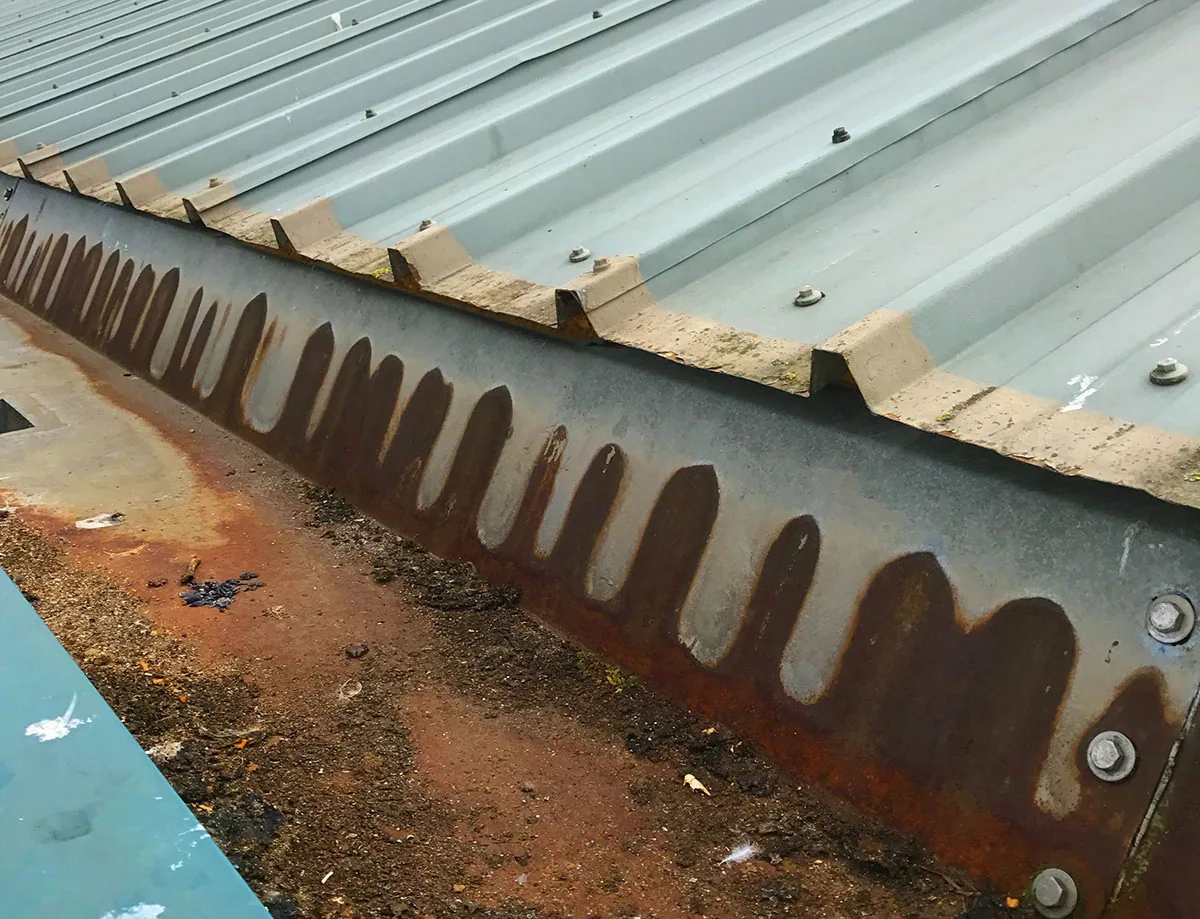
When the membrane has separated at a curb, the correction may require new flashing and a stable tie-in around the base. If moisture extends beyond that point or the substrate is soft, a larger opening may be necessary to reach sound material. We document any concealed condition and confirm added work before proceeding. For a contained opening, commercial roof leak repair can restore water control while the owner considers longer-term work. The written condition record keeps the repair history tied to the correct building.
Check drainage before the wet season
Before winter rain, walk roof low points toward their outlets and document debris, sediment, overflow marks, or patches that may redirect runoff. We inspect the route from low areas to outlets, remove approved debris, and note ponding, sediment, or overflow marks. A drain opening can look clear while a nearby patch or surface buildup still redirects flow away from the inlet.
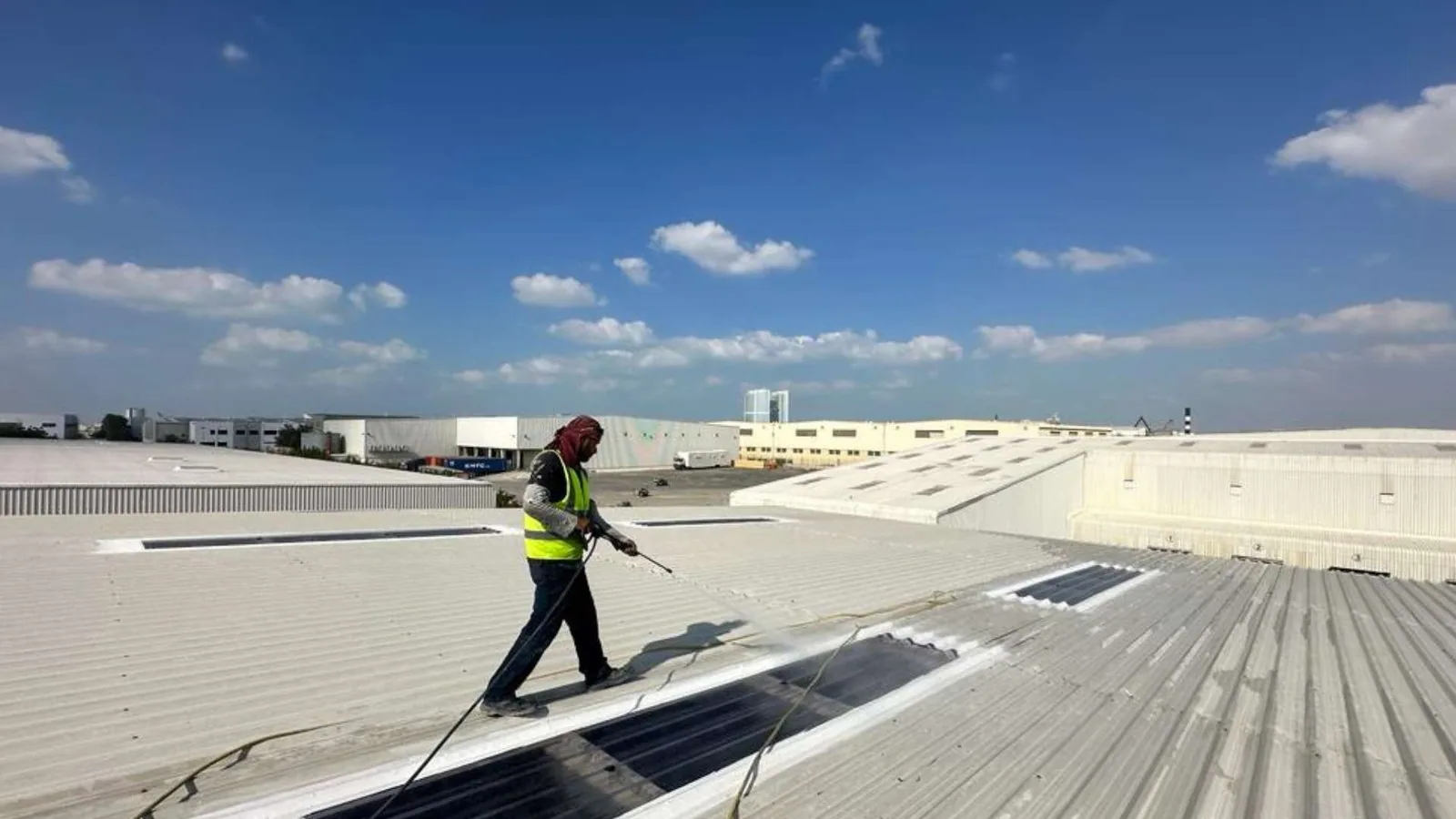
Routine maintenance also examines laps, metal terminations, sealant, supports, and wall flashings. A small crack that appears stable in dry weather can admit water during a later storm or widen through heat movement. We photograph vulnerable details, list the repair needed, and set an observation point where a second visit would help. Preventive roof maintenance can include the outlets and membrane transitions in one work plan; drain and scupper repairs address a specific flow restriction or failed connection.
Choose a repair area the owner can track
A useful scope names the failed component, surface preparation, replacement or repair materials, and where the new work meets the existing assembly. It also notes exclusions such as wet insulation beyond an approved test area or equipment work assigned to another contractor. When a repair will be opened, we explain what finding would require a revised approval. Clear limits help ownership compare bids and give the crew a defined stopping point that can be checked at closeout. We mark the approved boundary on the photo set and estimate so the property contact can confirm which areas were completed.
If several leak areas recur, moisture spans roof zones, or the substrate cannot support a lasting tie-in, replacement may be more appropriate than another isolated patch. A recover is considered only after reviewing existing layers, attachment, drainage, and deck condition. We compare those options with the roof's use and the work needed to protect the building during installation. For a larger renewal, commercial roof replacement planning documents the removal sequence, temporary weather protection, and equipment coordination before the owner sets a schedule.
Coordinate work at occupied properties
Before mobilization, we confirm access hours, approved staging, occupant routes, safety controls, and any interior area that needs protection. If a mechanical vendor must disconnect or move equipment, the roofing scope identifies that dependency and names the point at which the assembly will be covered. Work can be divided into zones when operations or weather protection call for it. The property contact should know which entrance, service area, or room may be affected on each day.
Closeout includes labeled photos, the repair boundary, material notes, and any item requiring follow-up. Keep the file with roof plans, warranties, leak reports, and future inspections. To request service in Green Valley, share the building location, its operating schedule, and what prompted the assessment. For an additional property to the east, Acton roof service can be scoped separately. Roof capital planning can use those distinct records to compare repair priorities over time.
Commercial Roofing Questions
Does Green Valley have commercial roof locations at both Spunky Canyon Road intersections?
Two Spunky Canyon Road intersections have Rural Commercial designations for uses serving residents and local employment. We plan the work around the property’s current use, access, and roof condition.
How do you handle a property where part of the roof cannot be reached?
We mark the access limit in the report, photograph the surrounding area, and explain whether a lift, escort, or other safe method could resolve it. Findings from an inaccessible zone are not treated as a confirmed condition.
Can a maintenance visit find a leak before water enters the building?
It can identify exposed weaknesses such as open laps, failed sealant, blocked drainage, or loose terminations. We rank those observations by condition and recommend repair or monitoring based on the roof evidence.
What changes a small leak repair into a larger project?
Moisture under the membrane, weak substrate, repeated failures in separate zones, or inadequate drainage can change the scope. We document what is found and ask for approval before work extends beyond the authorized limit.
How can owners compare a repair with replacement?
We identify which areas remain serviceable, which need immediate correction, and what conditions affect a recover or tear-off. A written comparison can then account for access, equipment coordination, and temporary weather protection.