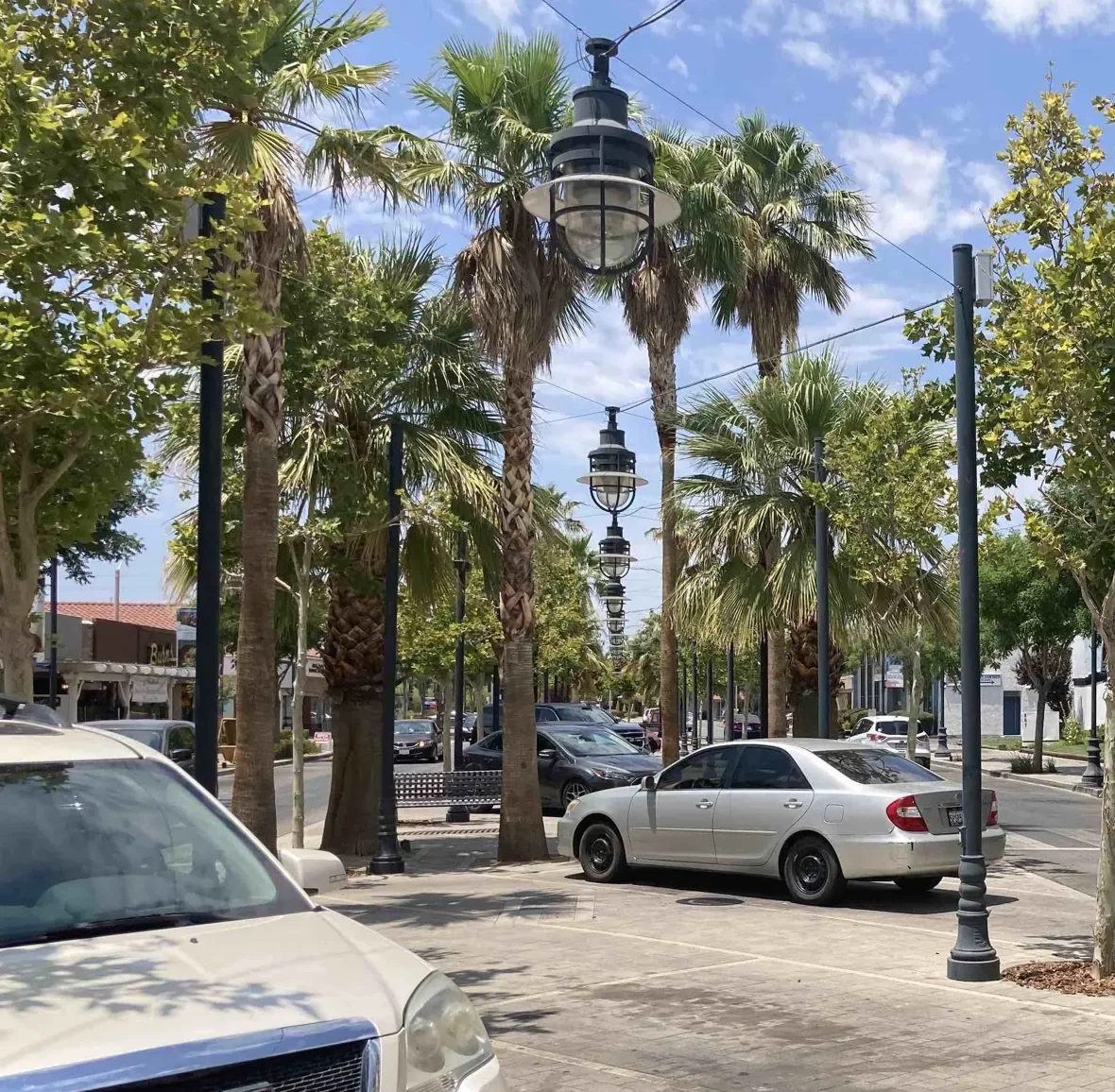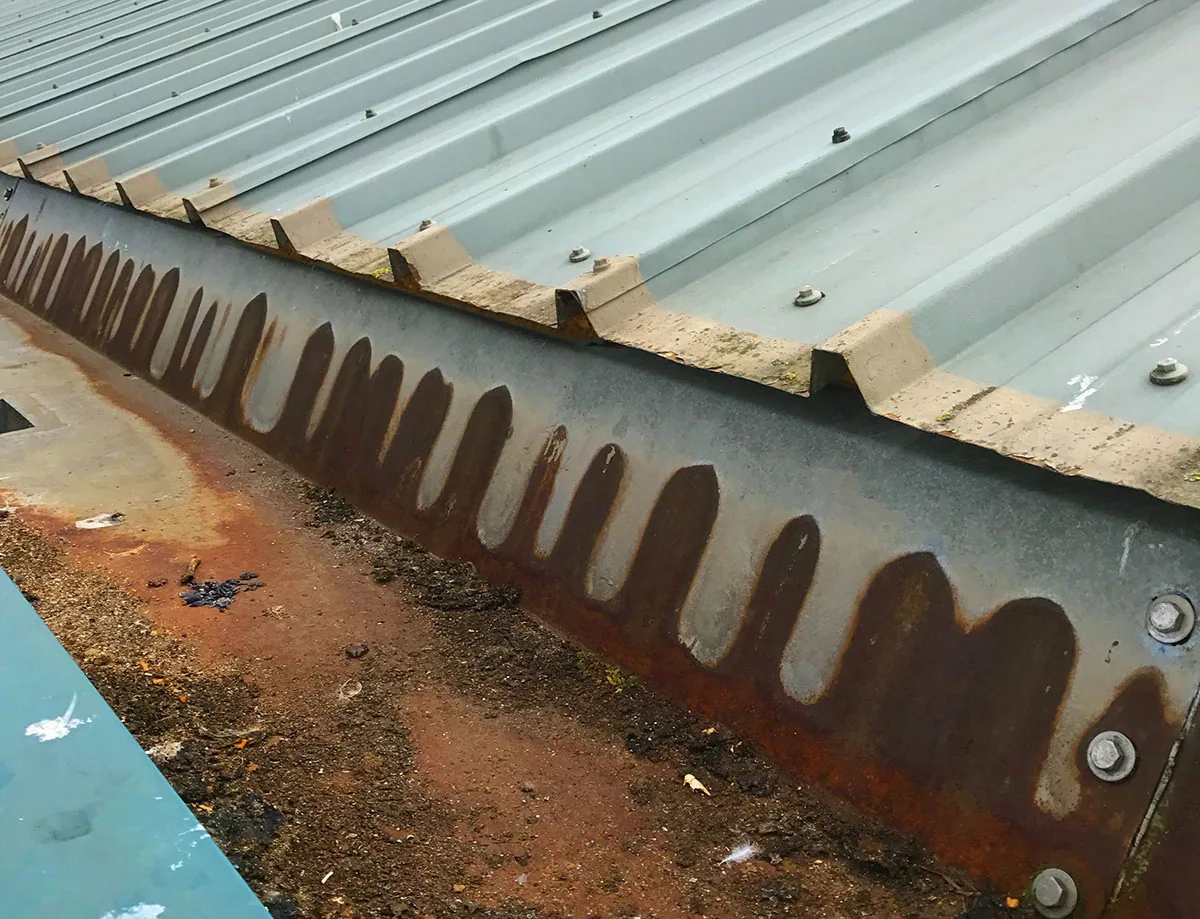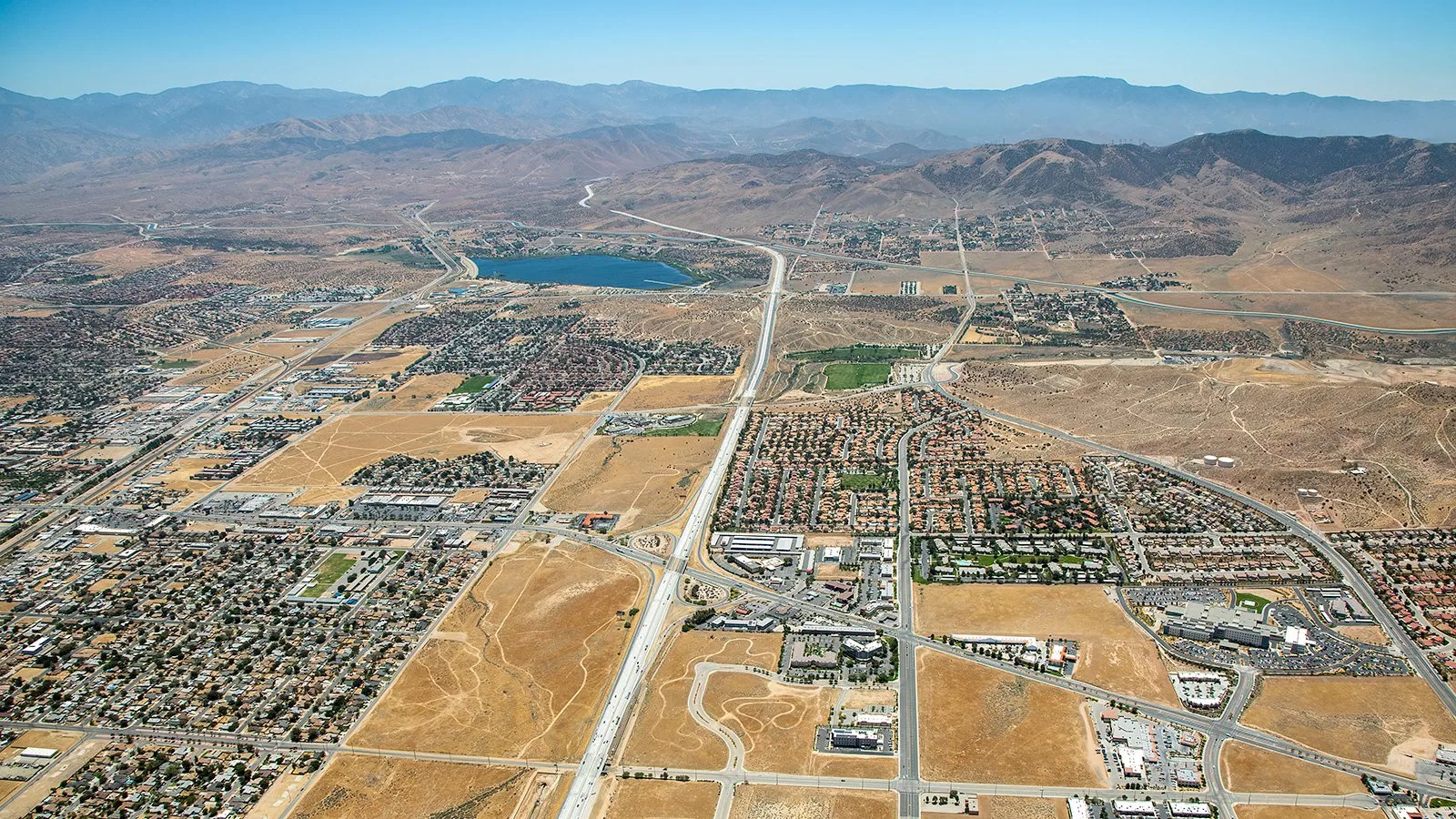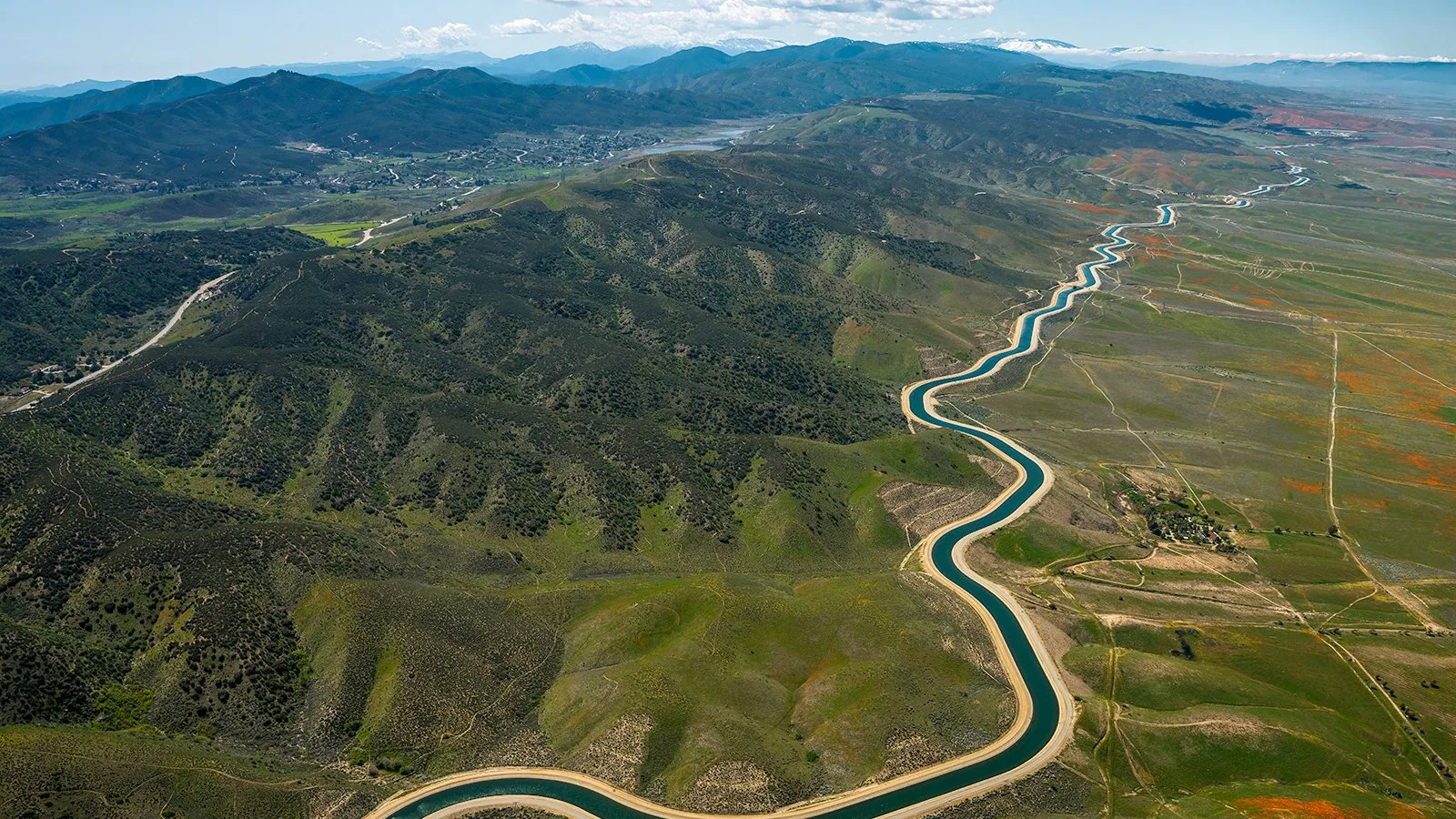
A commercial roof inspection should explain how a leak reached the occupied space, not only where someone first noticed it. We trace the reported symptom across the roof assembly, check the details that interrupt the membrane, and mark the condition against a roof zone. Acton lies south of Palmdale along State Route 14, next to the National Forest and separated from Palmdale by hillsides and ridgelines. Acton has a community-specific land-use concept, and each assessment starts with the selected building’s actual assembly and use.
William J. Fox Field's 1991-2020 August normal daily maximum is 97.8°F. We inspect exposed sealants, seams, metal, and rooftop penetrations for movement and wear, then base the repair recommendation on the selected building’s roof. A separate Lakeview roof assessment can be planned with its own notes when ownership manages more than one community property.
Document access before opening the assembly
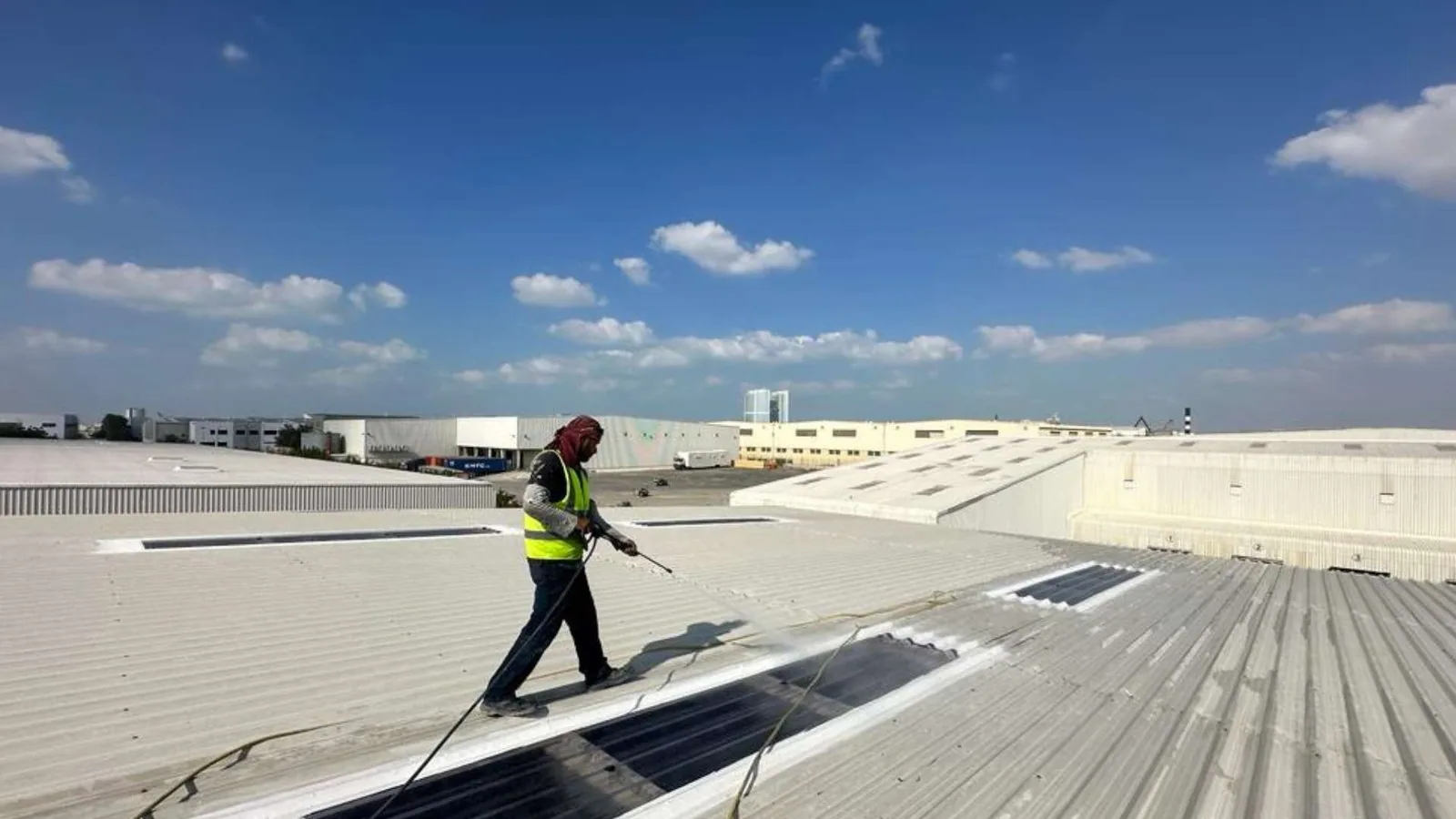
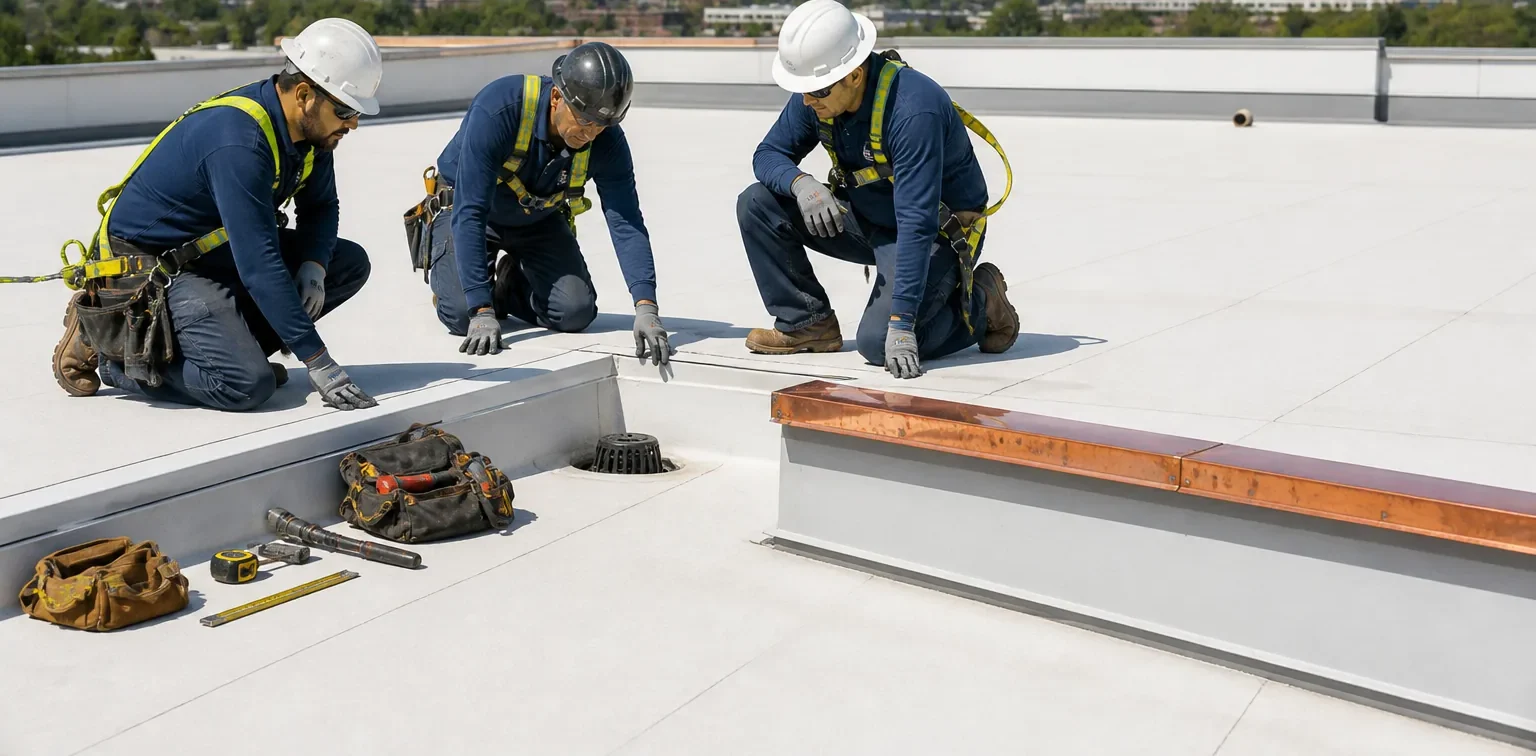
We confirm safe roof access, site contacts, work hours, and any restrictions before beginning a walk. The inspection records visible roof materials, seams, wall flashings, curbs, edge metal, drains, and prior repair areas. Photographs show both the close condition and a reference point on the roof, with each finding assigned to a zone. If a surface is covered by equipment or cannot be reached safely, the report identifies the limit and explains whether another access method would change the recommendation.
Acton’s community-specific land-use concept and hillside setting shape a distinct local context. The assessment begins with the selected building’s actual use, assembly, and access. We ask the owner or property contact for those details, then compare any available roof plan, warranty file, and repair history with the field observations. If drawings are incomplete, we mark what can be seen and note what needs confirmation. A commercial roof inspection can then deliver an asset-level record rather than a general description of the area.
Follow the likely water route
Water can run below the membrane or along the deck before appearing inside. We use the leak date, room location, roof slope, nearby transitions, and past repair notes to develop a path worth checking. An infrared survey may help show a moisture pattern; a test cut can confirm conditions in the layers beneath the roof surface. The report states which approach was used, the roof areas sampled, and how the result affects a repair or investigation decision.
A flashing repair needs sound material at its edge and a preparation method compatible with the existing system. If opening a detail reveals wet insulation or a weak substrate, we show the owner the finding before extending the work. This keeps an estimate from treating hidden conditions as a settled quantity. When water entry needs immediate control, emergency roof repair can stabilize the area before the permanent scope is finalized. For follow-up, commercial leak repair can address the documented path with a defined boundary.
Review outlets before concentrated rain
The field station's annual precipitation normal is 6.81 inches; its wettest stretch typically runs from November into March. Before that season, a service visit checks drains, scuppers, strainers, and overflow routes. The field check follows water from roof low points through those details. We look for debris, old patch material, sediment, and marks that indicate water has moved beyond the intended path. If a drain is clear but the membrane leading toward it has a low spot, the report records both observations so the repair addresses flow as well as the outlet.
Maintenance also includes the edges and penetrations where materials meet. We inspect parapet caps, wall flashing, pipe supports, curbs, metal joints, and sealant for looseness or separation. A repeated maintenance log can distinguish a stable detail from one that is changing after each service visit. We note what should be corrected now and what can be checked at the next walk. Drain and scupper repairs can address a constrained outlet, while preventive maintenance can track adjacent details and document their condition.
Choose between localized work and renewal
A localized correction may be appropriate when one seam or flashing has failed and the adjacent membrane, substrate, and insulation remain sound. We identify the preparation, replacement material, tie-in, and closeout check for that repair. Repeated leaks in several areas, moisture extending below the surface, or weak attachment can indicate a larger assembly issue. We show the affected roof zones and explain which portions remain serviceable so the owner can compare immediate repair with a longer-term project.
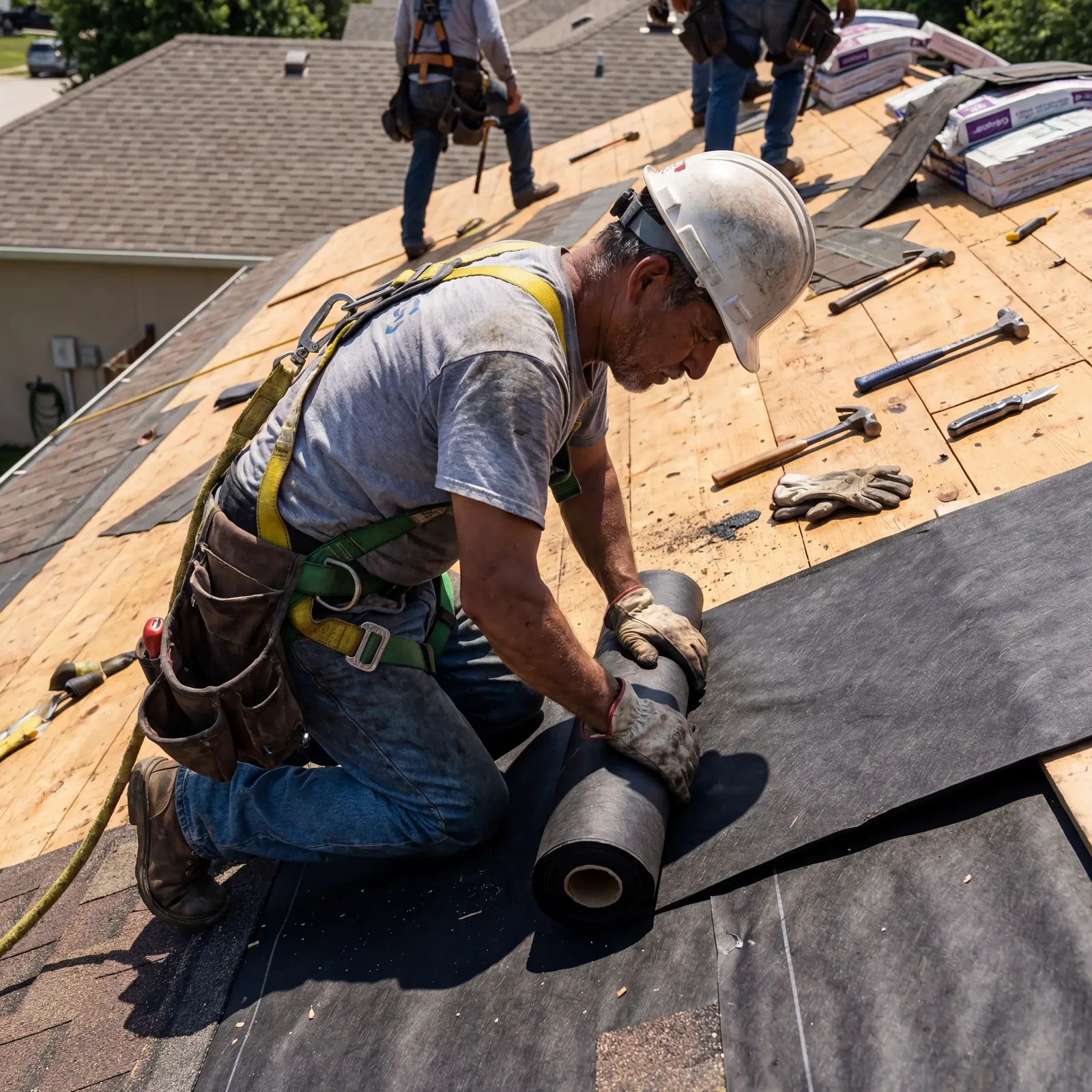
Before coating or adding a recover layer, we inspect the existing surface, attachment, drainage, deck, and layers below. Covering trapped moisture can leave the original failure in place. If removal is needed, the plan describes temporary dry-in, equipment coordination, and how sections will be closed each day. Before pricing work in Acton, confirm the permitting jurisdiction and code edition that apply to the property. A commercial roof replacement scope can make the decisions and schedule visible before work begins.
Set a sequence that protects the building
For an occupied property, confirm where the crew will stage material, which entries must remain available, and what interior areas need protection. We identify equipment or service lines that another trade must handle and coordinate those steps before roof removal begins. Work can be divided into smaller areas when that reduces exposure or helps the owner review findings between phases. The plan should state who receives a change request if concealed damage, weather, or access conditions alter the sequence. When an opening remains between shifts, we identify its temporary cover, how it will be secured, and the inspection needed before work resumes. Before the crew leaves, the site contact receives the roof-zone reference, completed work, and any condition that still needs a follow-up visit.
Closeout includes the completed repair locations, labeled photographs, material descriptions, and any follow-up observation. Keep these with roof plans, prior leak reports, and maintenance records so a later inspection can compare the same detail. To schedule a review in Acton, provide the property location, concern, and any access constraints. A roof condition report gives ownership a record for approval and budgeting. If the portfolio includes a site in The Lakes communities, we will preserve a separate set of findings for that building.
Commercial Roofing Questions
Does State Route 14 determine how a roof repair is priced?
No. The property's roof condition, assembly, access, staging, and work sequence drive the scope. We confirm those items with the site contact before preparing a proposal.
What if a leak shows up far from the opening in the roof?
We compare the interior symptom with seams, penetrations, and roof transitions along a likely water route. Moisture can travel below the surface, so testing may be useful before repair limits are set.
Can a report separate urgent work from planned maintenance?
Yes. Findings can be ranked by active water entry, risk of further damage, and condition of the surrounding assembly. The report distinguishes repairs from observations that can be revisited during maintenance.
How do you work around equipment on the roof?
We record equipment locations, access limits, and any vendor work needed to disconnect or move a unit. The roofing scope identifies those dependencies and the weather protection needed while they are addressed.
When might a recover be ruled out?
Wet insulation, poor attachment, inadequate drainage, or a deck that needs repair can make another layer unsuitable. We inspect those conditions and describe what needs removal or correction before comparing options.