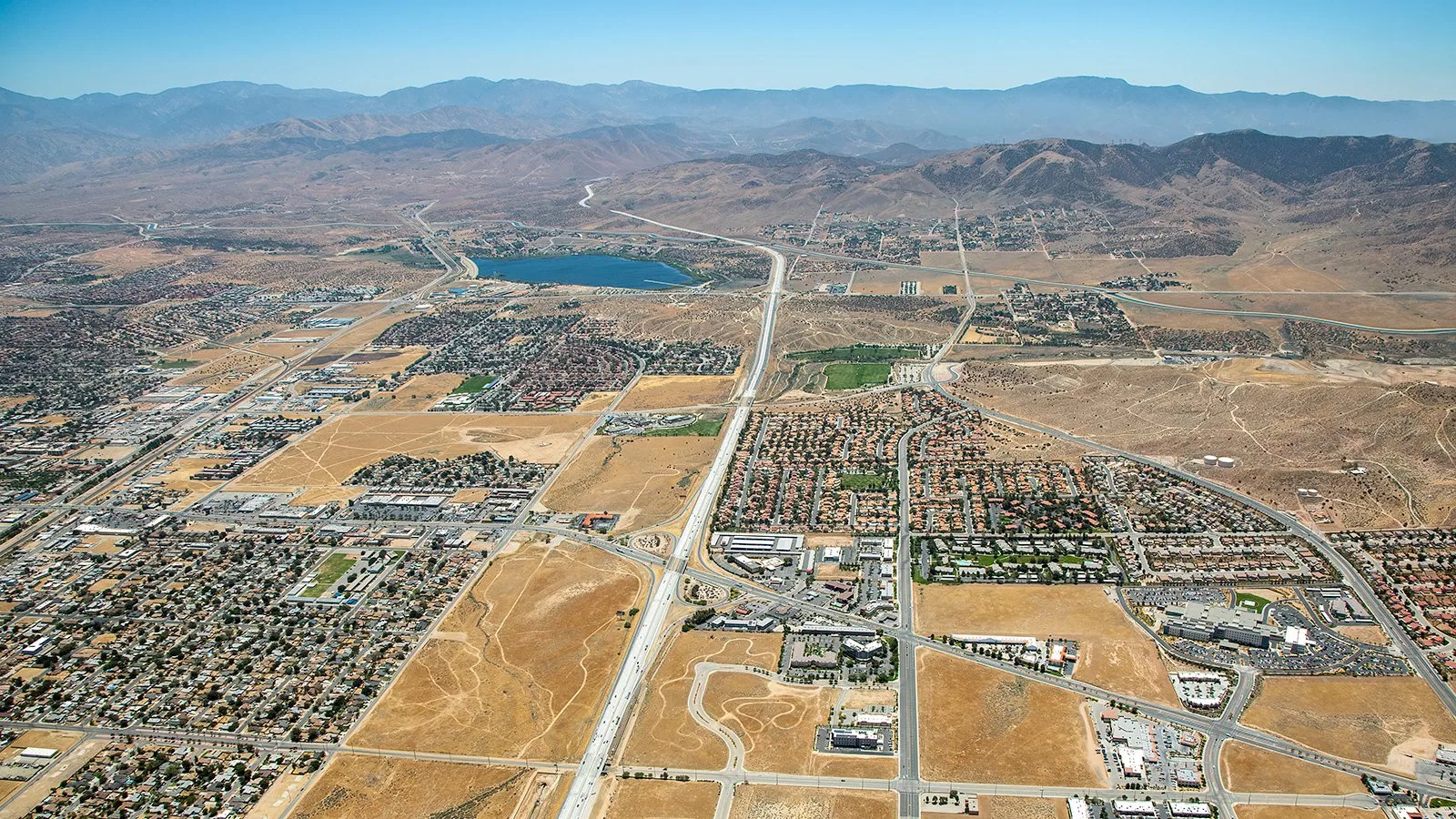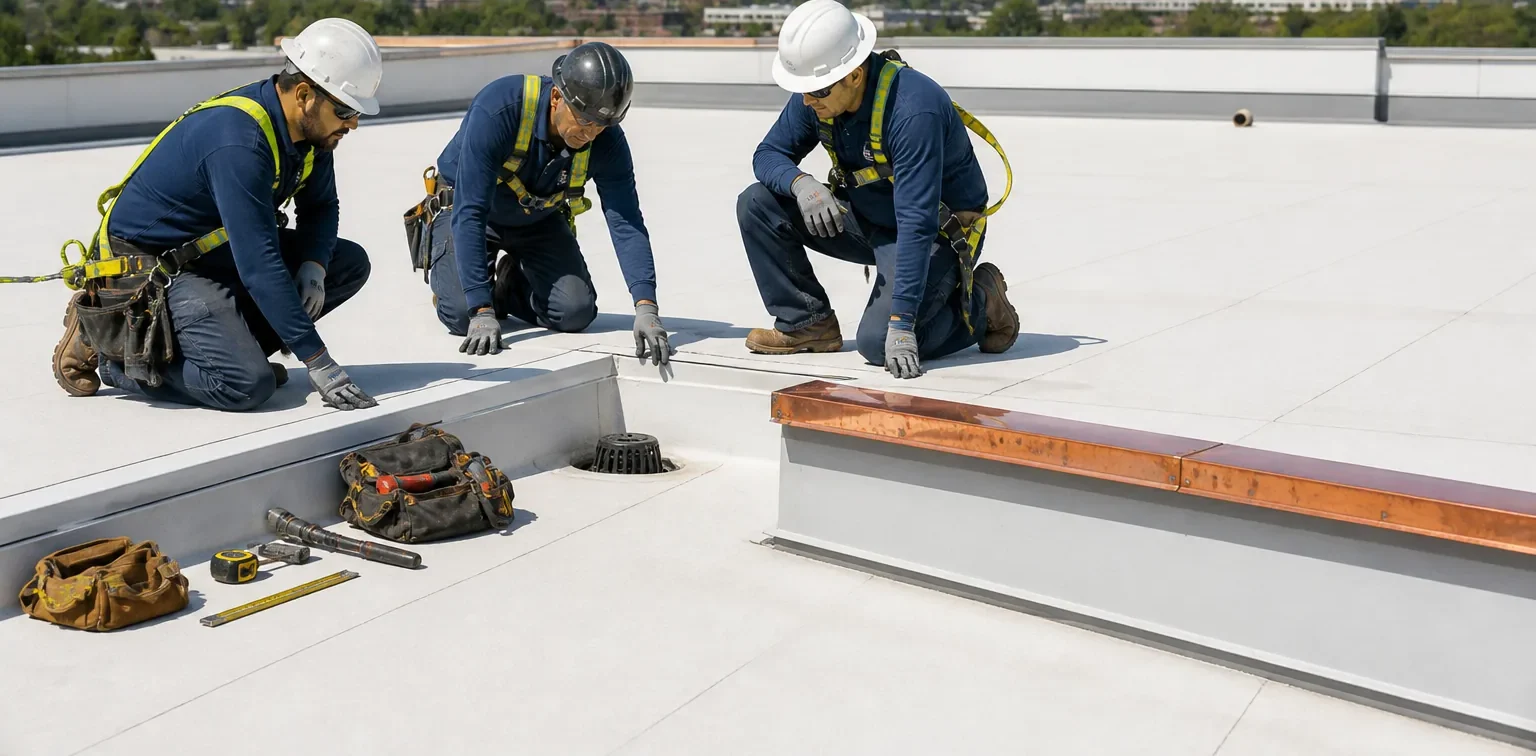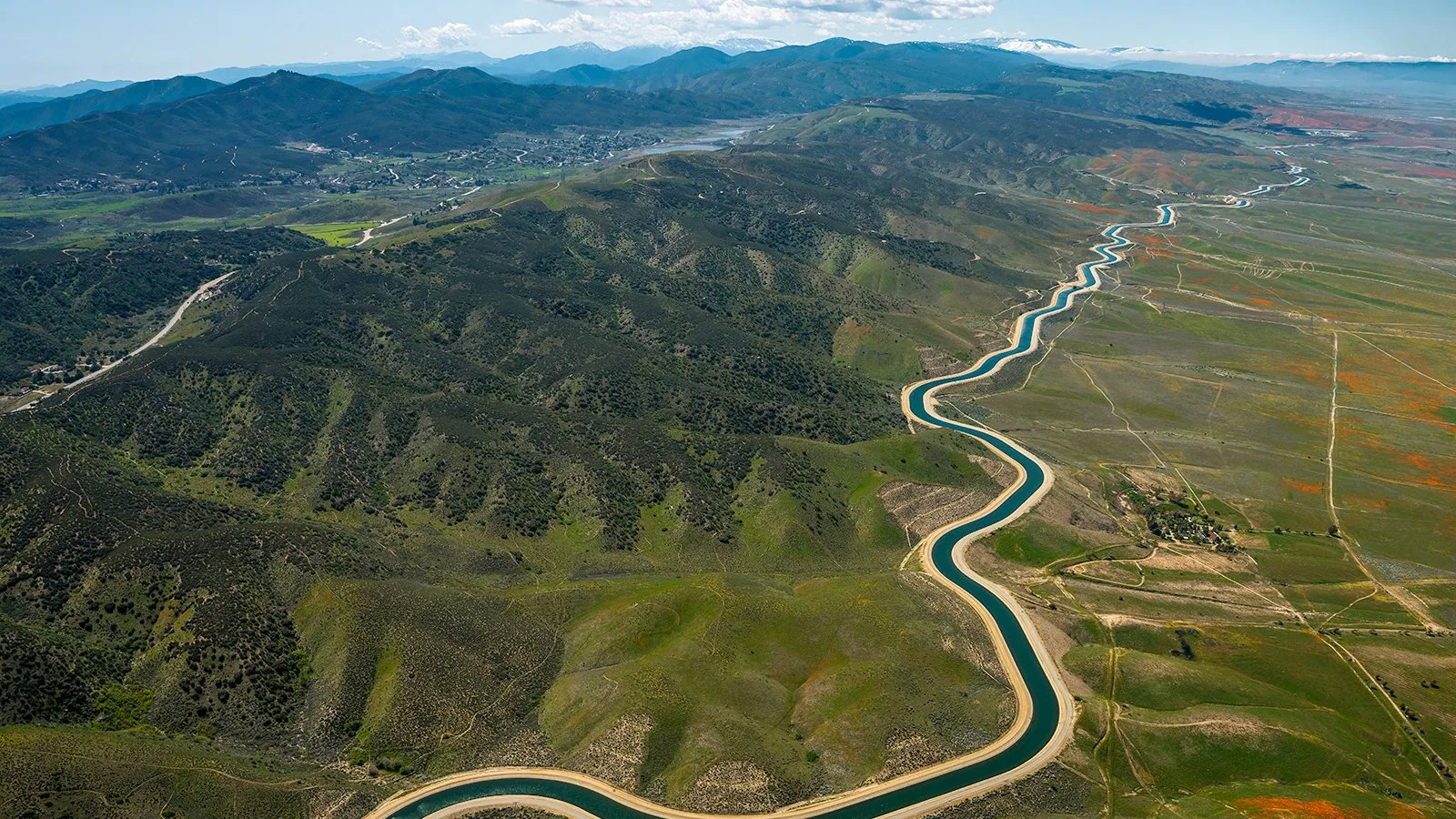
A roof can look dry at the time of a visit and still carry a moisture pattern below the membrane. We connect interior reports with the roof's seams, curbs, wall transitions, and drainage before defining a repair boundary. Lakeview sits in the southern-central Antelope Valley, adjoining Palmdale to the north and east. The County's plan identifies Lake Palmdale within the community and gives Lakeview its own land-use concept. Those facts locate the service area; they do not establish the use or roof construction of an individual property.
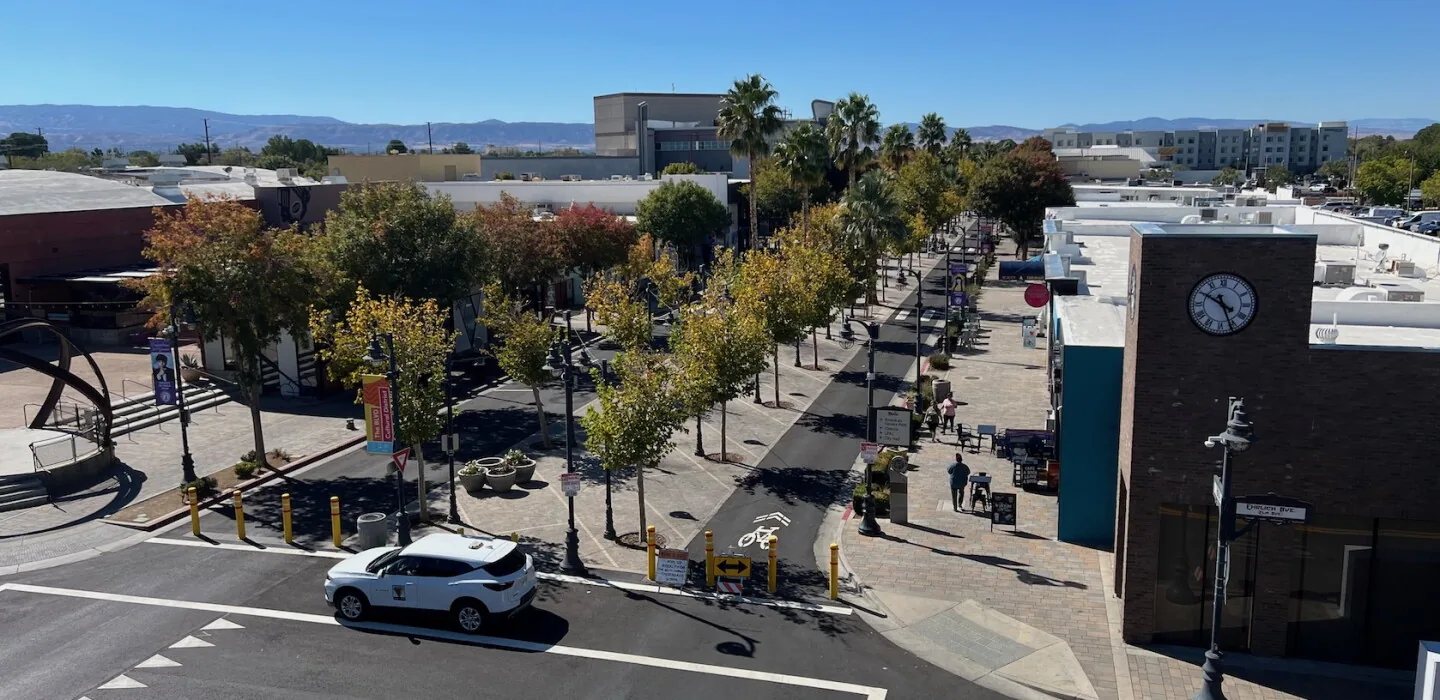
For each building, we identify the assembly where visible, inspect vulnerable details, and note what testing would change the decision. At the Lancaster station, the normal July daily minimum is 67.2 degrees, while the January normal is 31.3 degrees; we attribute those figures to Lancaster and use them as a regional reference for seasonal roof movement. The inspection looks for physical effects, including open laps, separated flashing, and stressed sealant. A property in neighboring Palmdale receives a distinct condition record even when one owner coordinates both visits.
Identify the roof system and access limits
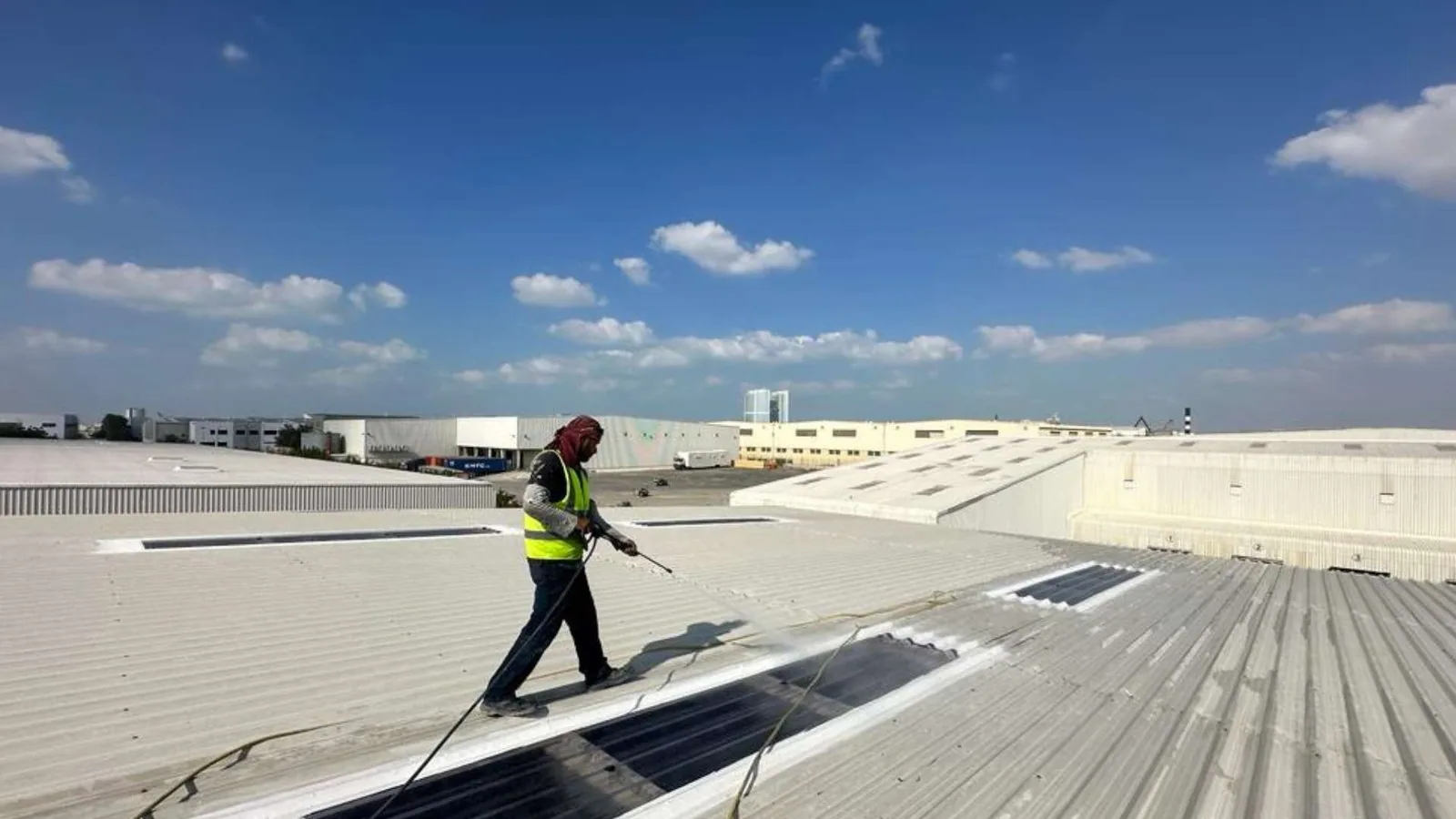
We begin by confirming who can authorize roof access, how the crew reaches the surface, and whether equipment or occupied areas require protection. The field review notes membrane or metal type when identifiable, roof elevations, seams, edges, penetrations, curbs, drains, and earlier repairs. Each photograph is paired with a wider reference so another manager can locate the detail. If a roof plan omits a later addition or an area cannot be reached safely, the inspection records that boundary instead of treating it as inspected. We also note access points and height changes that affect safe traversal or material staging.
Lakeview's separate land-use concept is useful for placing the community in the County plan, but it does not describe a particular facility. The owner supplies current use, tenant schedule, equipment history, and any operating restrictions that affect the work. We compare those facts with site observations and keep open questions visible. A service call for one property does not stand in for the entire community. Commercial roof inspection provides the baseline for repairs, maintenance priorities, or a wider capital review.
Resolve the leak location before patching
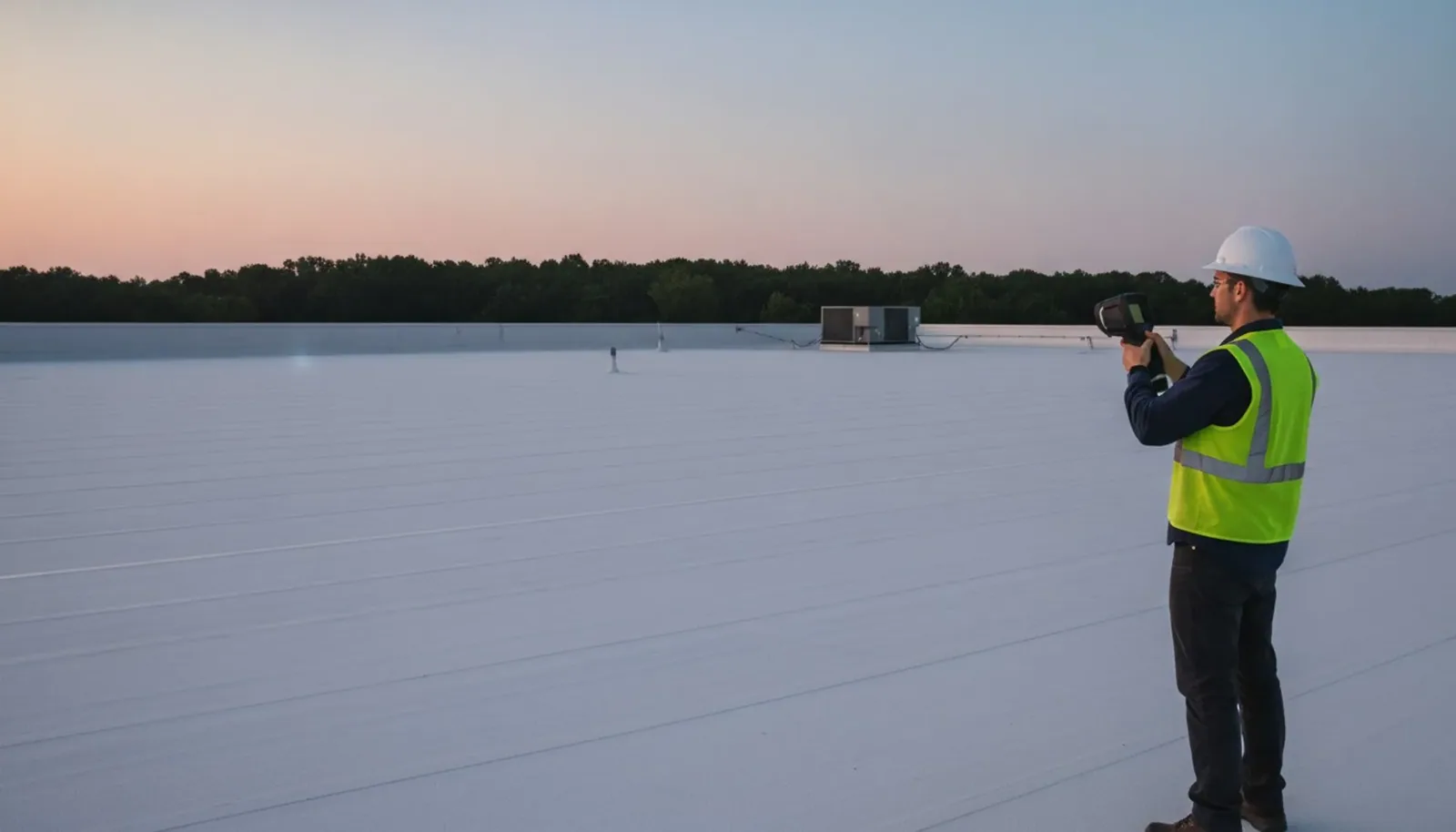
Water can migrate along a deck or insulation joint and show itself indoors away from the roof opening. We document the date and room where a leak appeared, then compare that report with the nearest transitions and the surface above. An infrared moisture survey can help map temperature differences when conditions support it. A test cut answers a separate question about concealed layers. The report explains which observations are direct, where sampling occurred, and what remains uncertain before recommending a repair.
A patch should meet clean, stable material and include enough of the surrounding detail to restore water control. If an opening reveals wet insulation, damaged deck, or a prior repair that separated again, we photograph it and confirm the expanded boundary with ownership. That approval step keeps a small service scope from silently becoming a replacement project. Commercial leak repair can address an active entry point; a moisture survey can help determine whether adjacent zones need further examination.
Keep roof details ready for changing conditions
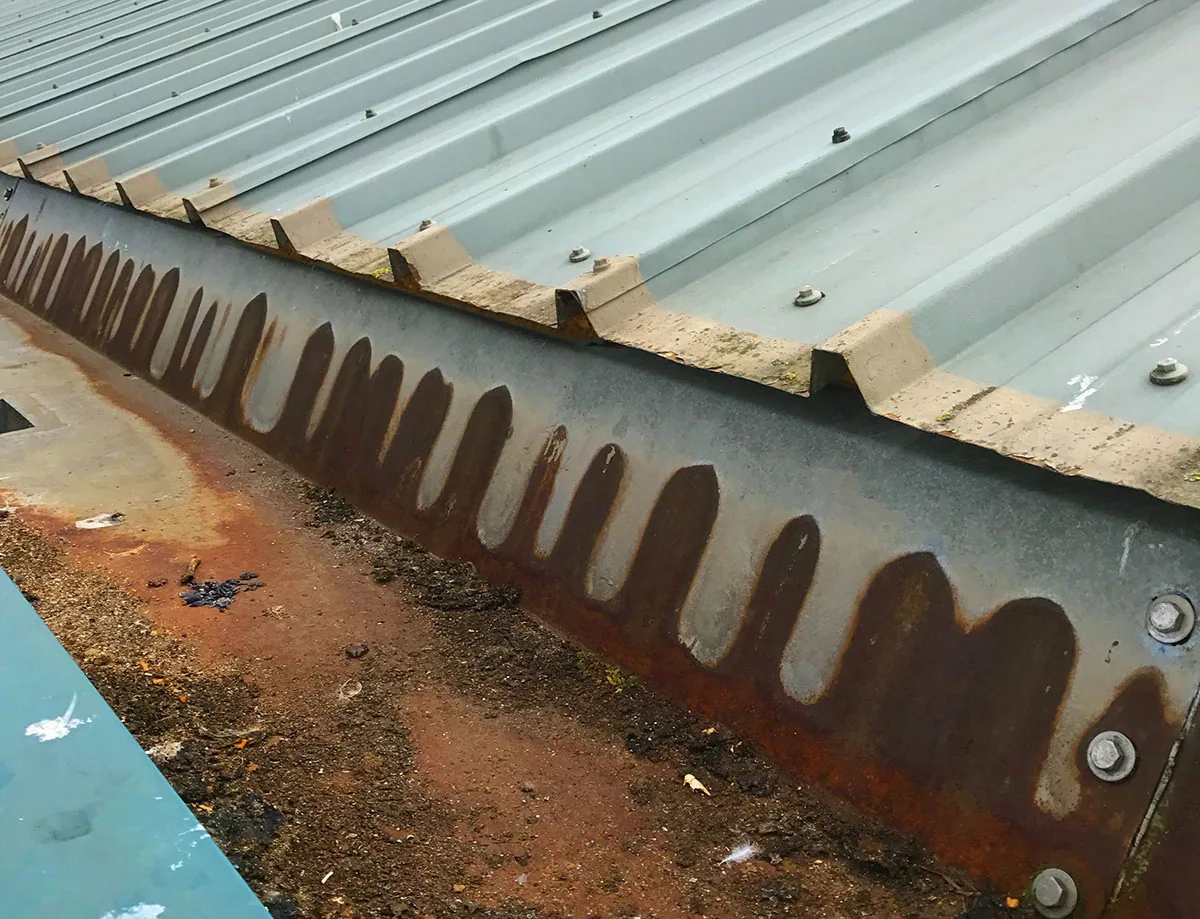
Movement at membrane seams, metal edges, and rooftop supports can develop gradually. We inspect laps, fasteners, sealant, counterflashing, coping joints, and penetrations for separation, corrosion, or a patch that no longer bonds to its substrate. The finding is useful only when its location is clear: a labeled photograph and marked roof plan let the next crew compare the same detail. Where equipment service repeatedly crosses a vulnerable area, we can note whether a walkway or other protection should be considered.
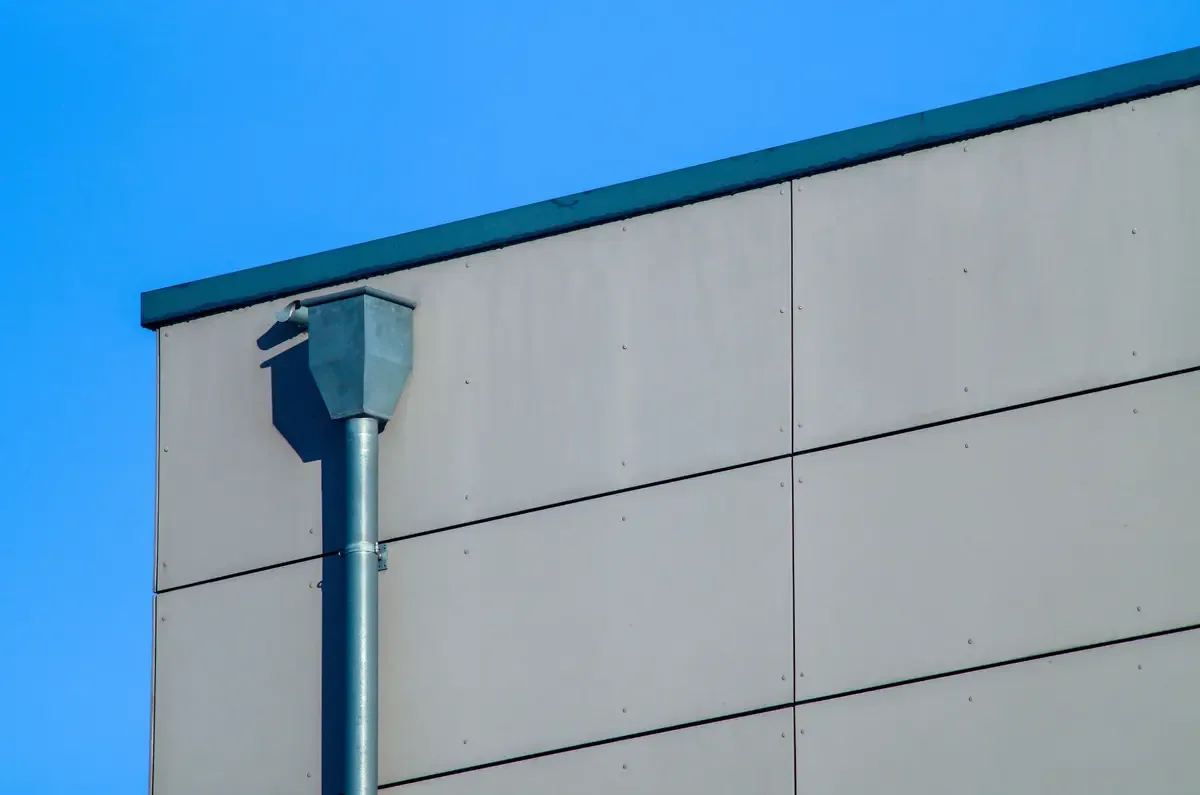
Lancaster's station records a normal annual precipitation of 6.81 inches, most of it from November through March. That city measure helps frame regional service timing. We inspect outlets before the wetter portion of the year, following the flow path from roof low points to drains, scuppers, and overflow routes. Sediment or a patch can redirect water even when the drain opening looks clear. We note which outlets were serviced and whether flow was observed after debris removal. If obstruction returns, that history helps separate repeated accumulation from a repair need. Preventive roof maintenance can track that drainage route and the adjacent flashings, while drain and scupper work addresses a defined restriction.
Choose a work limit with clear approval points
A proposal needs to describe the failed detail, preparation, compatible material, tie-in, and closeout check. We show the affected roof zone and note any assumptions about hidden layers. If a test cut or removal uncovers more damage, the photographs establish the reason for a revised scope. The owner can then decide whether to proceed with the new work, protect the opening temporarily, or schedule another inspection before making a larger commitment.
Where deterioration spans several zones, moisture appears widespread, or a deck cannot support a reliable repair, we compare continued repair with recover or replacement. A recover requires a review of existing layers, attachment, drainage, and substrate; wet material may need removal. If replacement is supported, the schedule should account for equipment, access, temporary weather protection, and occupants below. Commercial roof replacement planning can set those decisions out before a start date, and can compare the project with other asset needs.
Leave a useful record after the crew leaves
Before work begins, we confirm staging, access hours, safety requirements, tenant notices, and any room where dust, noise, or vibration could be disruptive. If a mechanical or electrical vendor has to isolate a unit, the schedule names that dependency and the point when roofing can continue. Where the repair opens the roof, we identify temporary protection for each shift and how the area will be checked before the crew leaves.
After closeout, the owner should have photos, a repair-zone mark, material information, and any recommended observation date. File those with warranty documents, roof plans, maintenance history, and reports from tenants or staff. That record helps distinguish a new leak from a recurring detail. To arrange service in Lakeview, share the property location and the issue that prompted the call. A roof condition report can support an approval or reserve decision. For another County-plan community, Acton roof service can be scoped independently.
Commercial Roofing Questions
Does Lake Palmdale describe the roof conditions in Lakeview?
No. The County's reference to Lake Palmdale identifies a feature within the community, not the roof assembly at a nearby property. We inspect the building and document its own system, drainage, and repair history.
Can one inspection cover a portfolio across Lakeview and Palmdale?
We can coordinate visits, then keep findings separate by property. That allows ownership to compare priority and budget while preserving each roof's photos, assembly details, and repair limits.
What if a ceiling stain appears after an earlier patch?
We review the repair location and materials, then compare them with the current water path and the nearby membrane. If the tie-in has separated or moisture extends beyond it, we document the condition before expanding the scope.
Do you need roof plans to inspect a Lakeview property?
Plans help, but an inspection can proceed without them. We record visible zones, access points, and key details, then mark any area that needs a drawing or additional field check.
Can roof maintenance include drains and flashings in one visit?
Yes, when access and scope allow. We inspect the drain path and adjacent membrane along with flashings, edges, and penetrations, then list any repair that needs a separate approval.