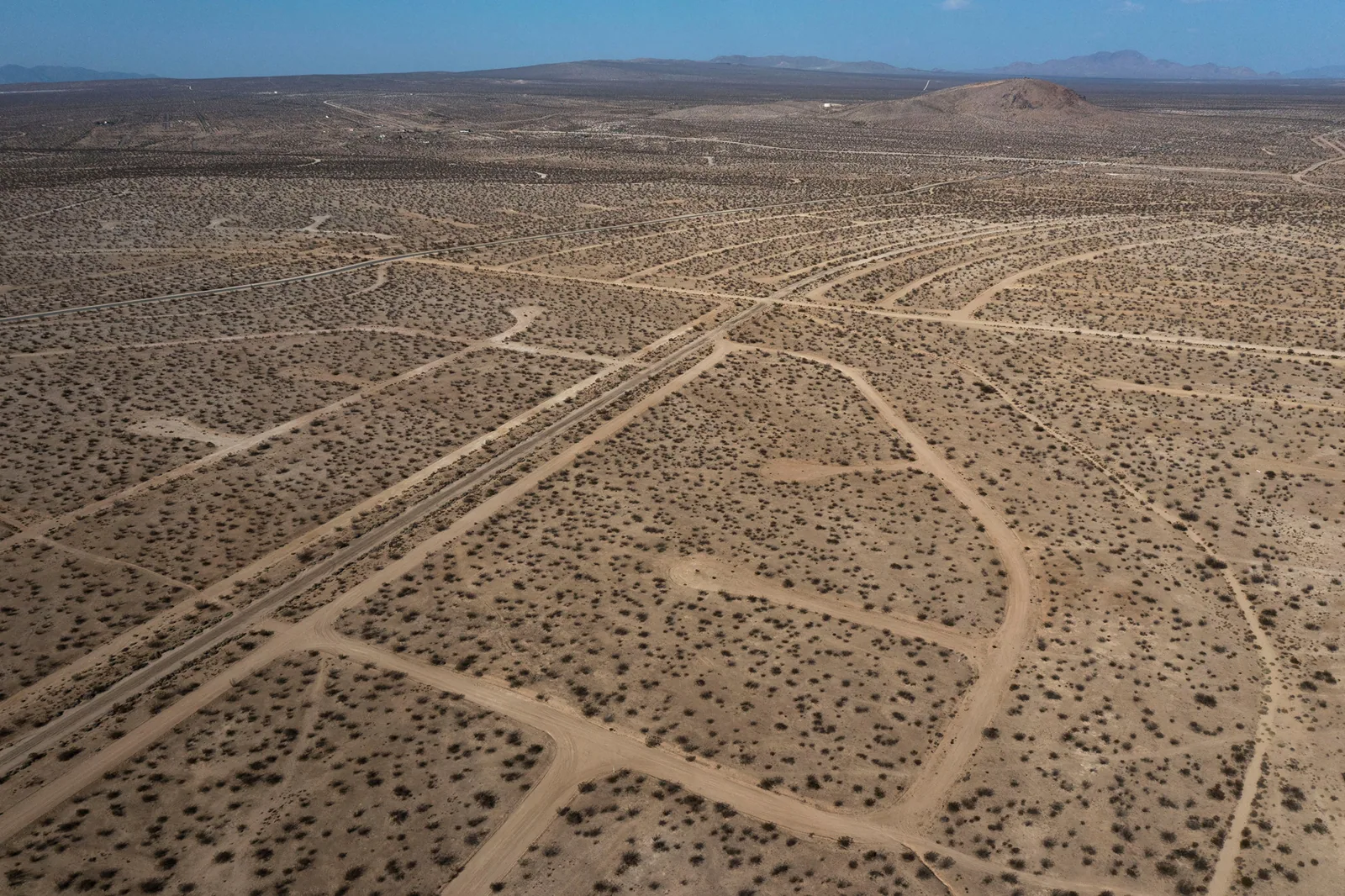
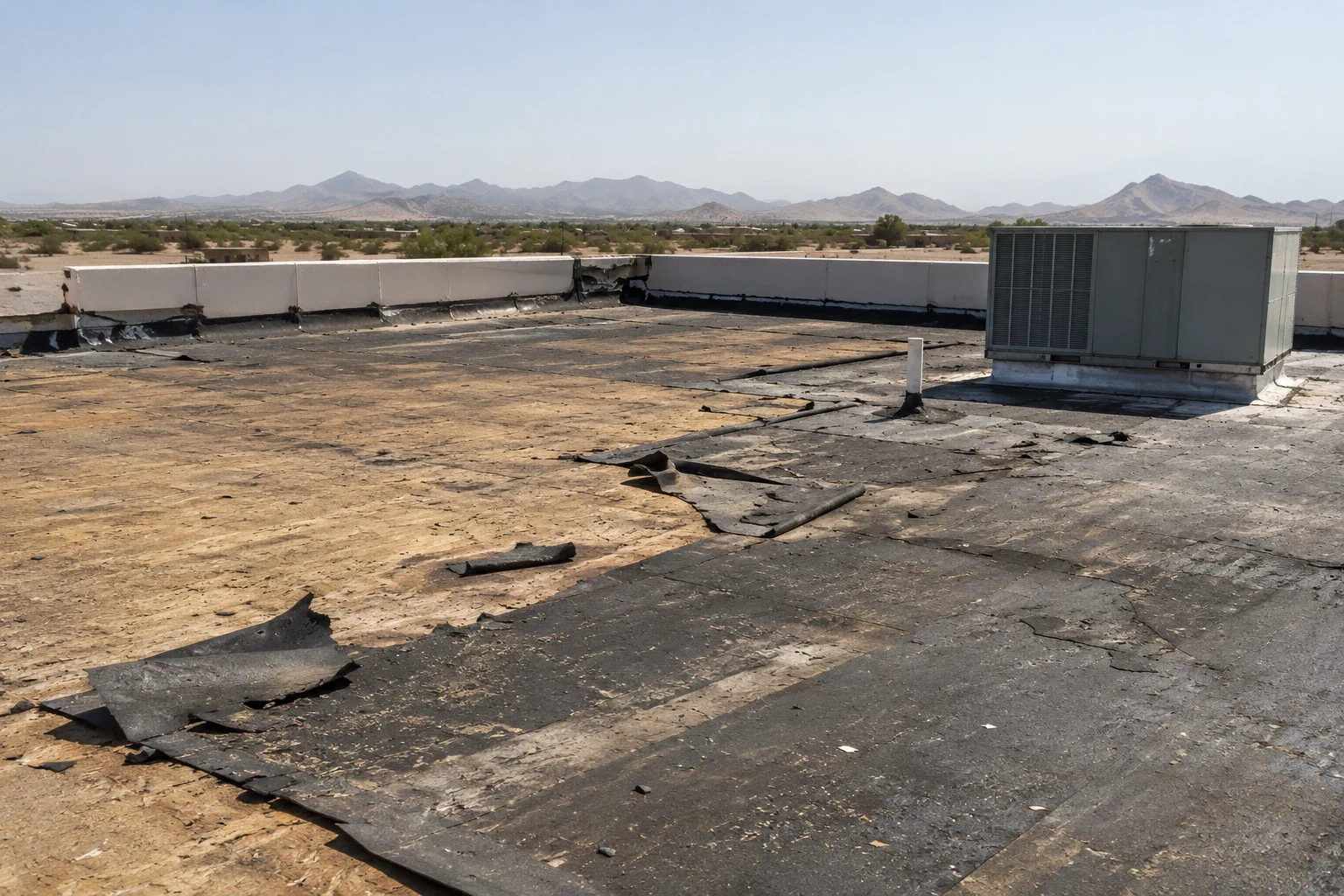
Moisture trapped beneath a roof surface can change a small repair into a larger decision, so we inspect the layers before setting a boundary. Los Angeles County groups Elizabeth Lake and Lake Hughes as The Lakes, with rural town-center and rural-town areas in both communities. The combined service area is a distinct part of the southwestern Antelope Valley near the National Forest. This community context helps define where a property sits; the membrane, deck, and drainage on that building must be assessed directly.
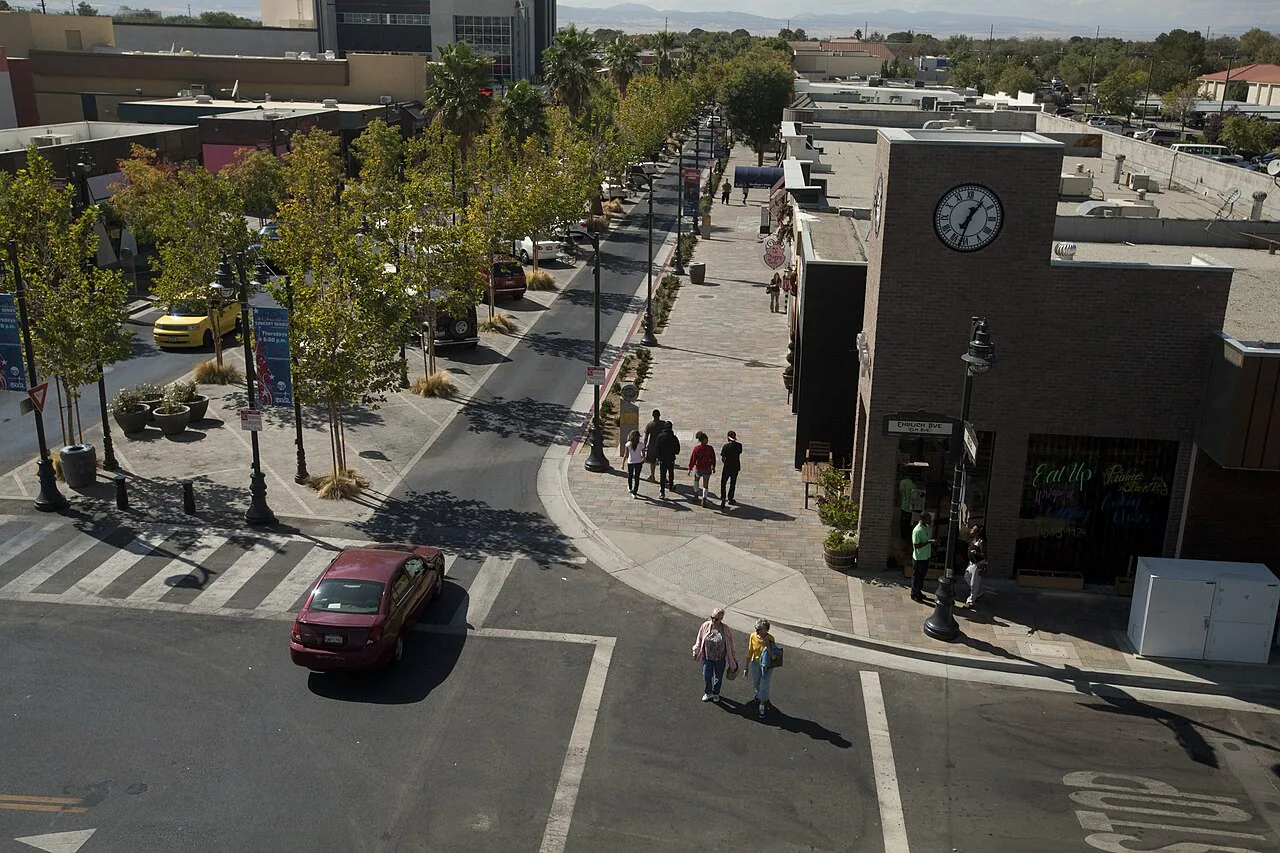
Our review starts with the reported leak, the accessible roof areas, and any records the owner can provide. Lancaster's summer climate puts exposed seams and flashings under repeated thermal load. The inspection checks those locations for loosened laps and sealant, then ties each observation to the building's own record. For another nearby community, a Leona Valley roof assessment receives its own inspection and findings.
Trace a moisture pattern before opening the roof
A ceiling mark can appear beyond the location where water entered. We compare the interior report with the nearest roof transitions, seams, penetrations, drains, and changes in elevation, then note the likely path through the assembly. Infrared readings can help map temperature differences under suitable conditions; a test cut may establish whether insulation beneath the membrane is wet. The condition record names the locations examined and explains how each test affects the repair choice.
When evidence points to one failed flashing or seam, a focused repair may restore continuity without disturbing sound roof areas. If the underlying substrate is wet, loose, or deteriorated, the work needs to extend far enough to reach a stable tie-in. We photograph concealed conditions during an opening and confirm any added work with the owner before proceeding. A written commercial roof leak repair scope identifies the cause we observed, the repair limit, and any remaining investigation.
Keep two communities in one service region distinct
Because The Lakes combines Elizabeth Lake and Lake Hughes, an owner may use one service request for separate buildings in both communities. We can coordinate the visits, but each roof receives its own system description, photo index, and condition log. When a request includes both towns, we agree on visit order and record each property's access contact before the crew moves to the next roof. That distinction matters when the roofs have different installation histories or when separate building contacts control access. We confirm the property location before scheduling and record the actual access route, safety requirements, and areas that could not be reached.
The County identifies rural town-center and rural-town areas in both communities, but that land-use framework does not establish the number or type of commercial roofs. We do not infer roof construction from the map. The owner or facilities contact can identify building use, active occupants, delivery needs, and timing limits. If documents are incomplete, we mark what can be seen and list the check needed to resolve a question. For properties in the Antelope Valley's more central market, a separate Antelope Acres inspection is documented under its own address and asset record.
Prepare drains and flashings for seasonal rain
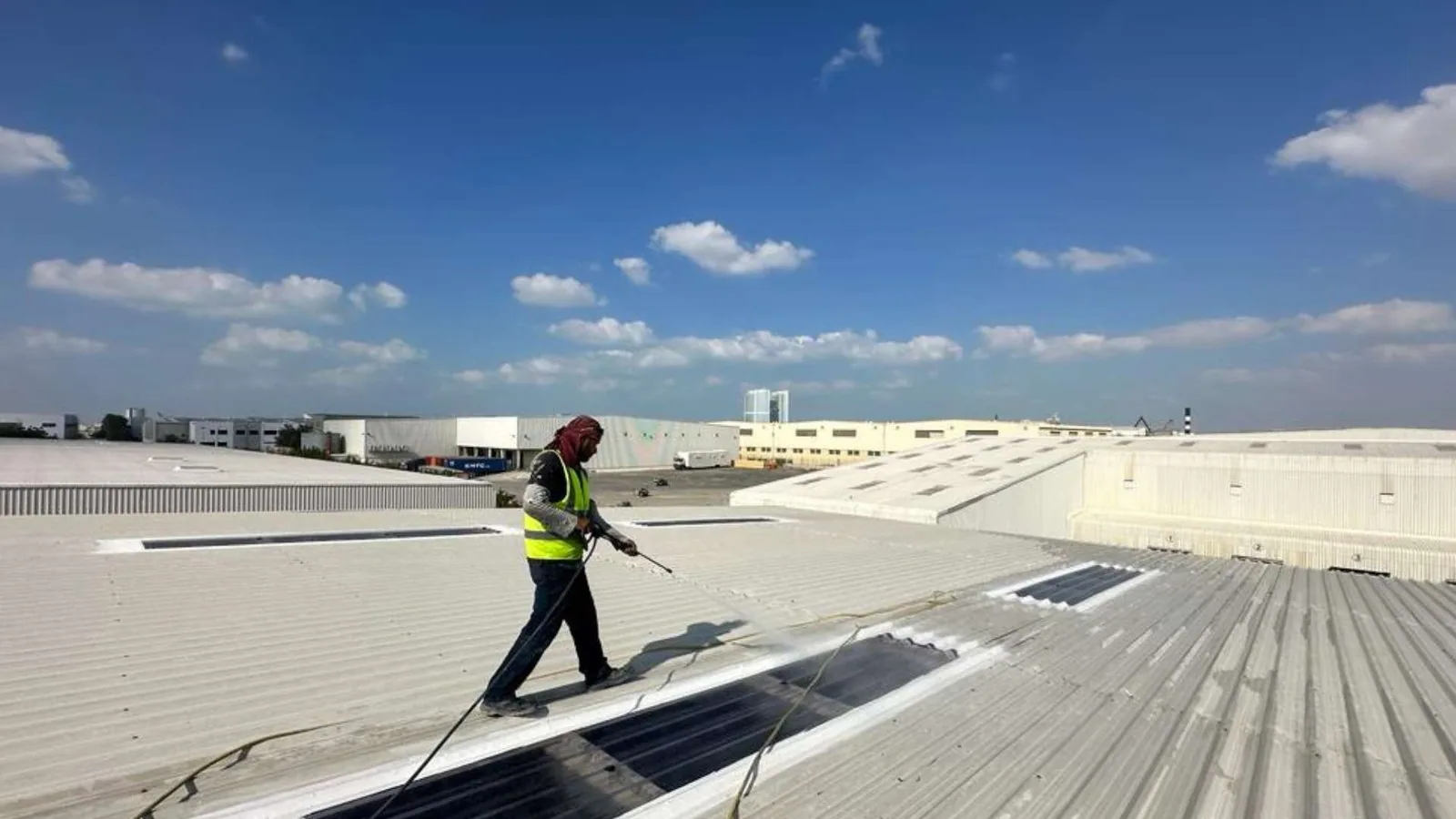
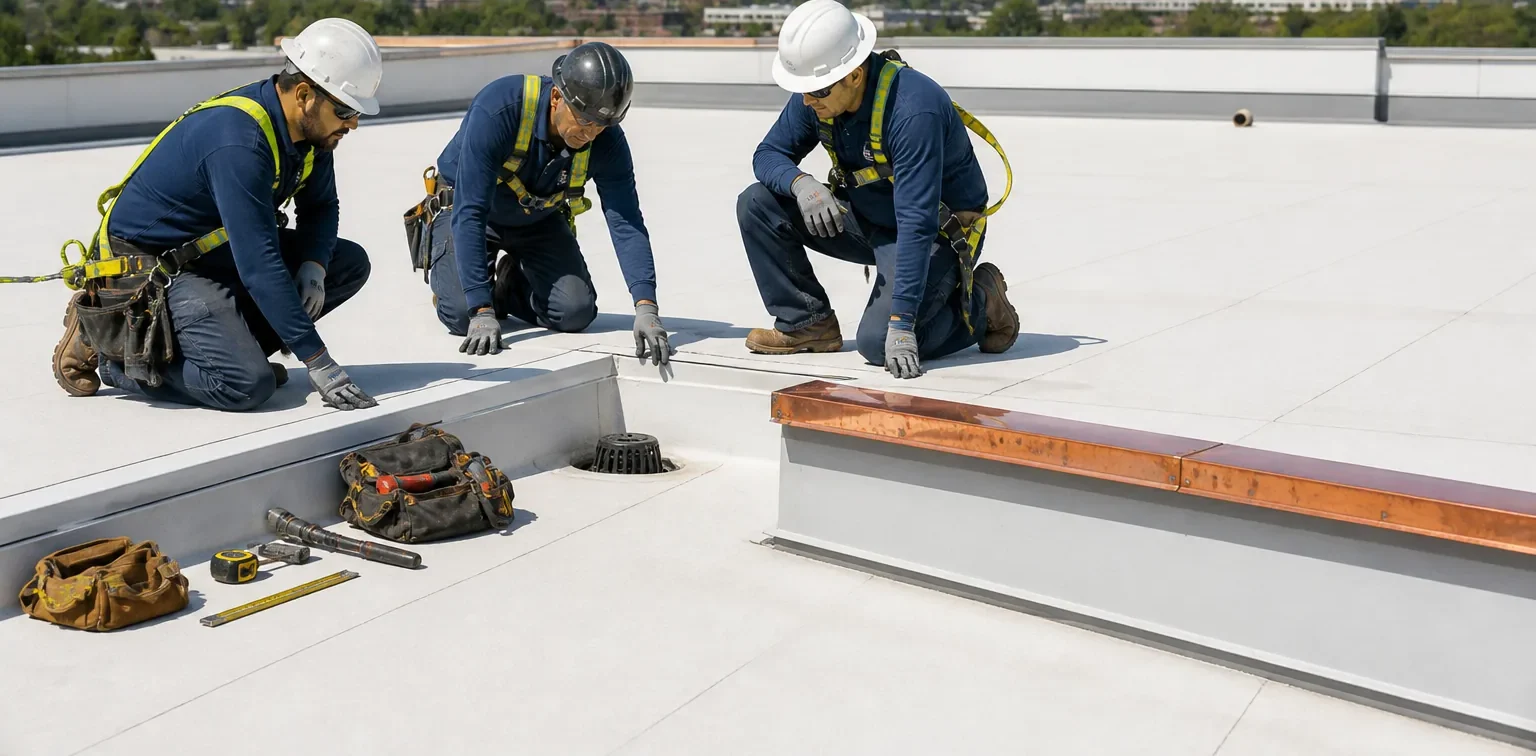
Lancaster climate normals concentrate typical rainfall in November through March. Before that stretch, we inspect each property's outlets and trace the low-point path toward the drain or overflow. We check the drain opening, strainer, sump, scupper, overflow route, and membrane leading to each low point. Leaves, sediment, or a prior patch can obstruct flow even when an outlet looks clear from above. We photograph water marks and describe whether the issue appears to involve debris, slope, or a detail failure.
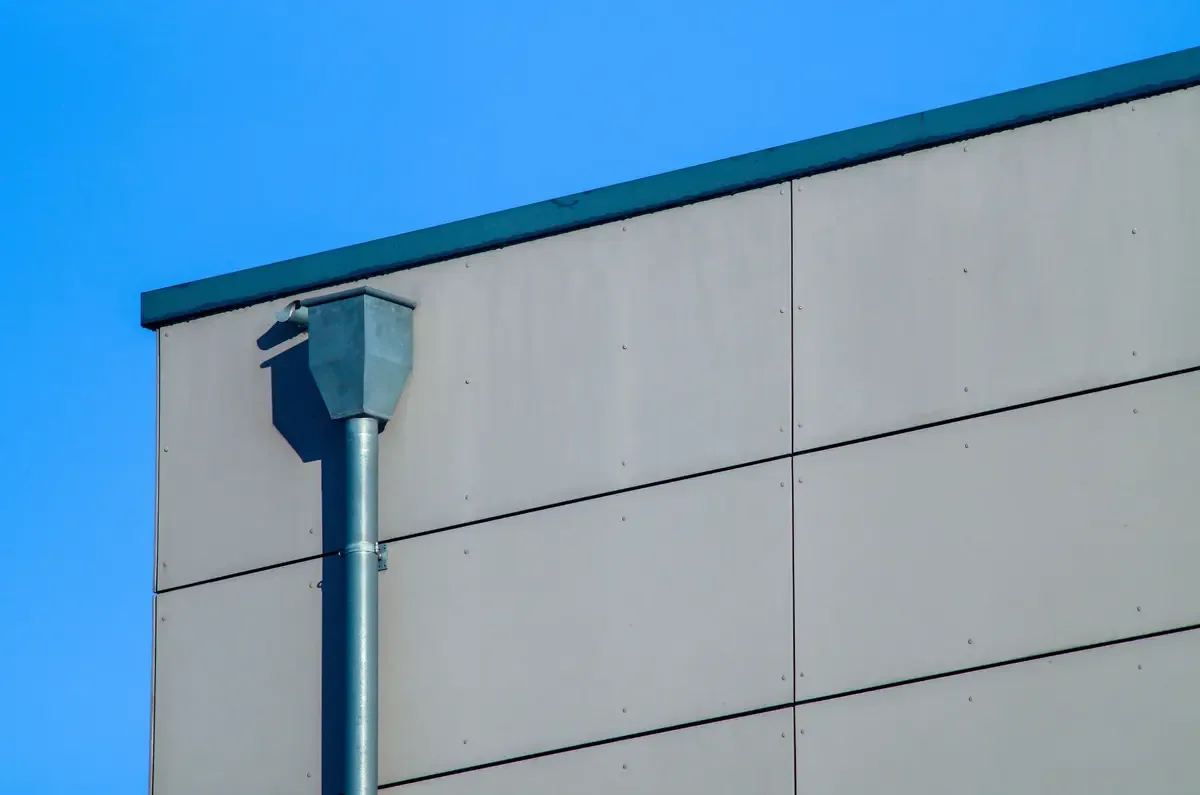
At the same visit, we review wall transitions, parapet caps, curbs, and sealant around penetrations. Seasonal expansion and contraction can open a lap or pull a flashing away from a vertical surface, especially when a previous repair bridges a moving joint. The maintenance record identifies the exact detail and compares it with earlier photos when available. For corrective work, roof drain and scupper repairs can address the flow path; preventive roof maintenance can set the next inspection around the roof's observed condition.
Make the repair limit understandable
The repair scope should describe the roof zone, failed detail, surface preparation, compatible materials, and the tie-in that restores the water barrier. A patch installed over dust or a soft substrate may not stay bonded, while a repair that stops short of the movement joint can leave the entry path active. We document both the correction and its edge conditions. If additional deterioration appears after removal, photographs and a short Diligence Notes give the owner a clear point to approve or decline a change.
Repeated failures, widespread moisture, or a deck that will not support a sound tie-in may warrant a comparison with recover or replacement. Before adding a layer, we check existing roof layers, drainage capacity, attachment, deck condition, and applicable project requirements. Lancaster's 2025 California Building Codes apply to new city submittals beginning January 1, 2026, with local amendments; projects in unincorporated areas need confirmation from the proper permitting authority. Commercial roof replacement planning can outline the removal, weather protection, equipment coordination, and sequencing needed for a larger project.
Coordinate access for a controlled workday
Before materials arrive, confirm the roof entrance, work hours, staging area, fall-protection controls, and whether any occupied room needs protection from dust or noise. If another trade must disconnect an exhaust fan or move a service line, we identify that responsibility before the roofing crew opens the assembly. The written sequence should show which areas are active, how temporary weather protection will be maintained at shift end, and whom the site contact should reach if conditions change.
At closeout, we provide photographs, a marked repair boundary, material notes, and any item that needs follow-up. Keep these with leak reports, roof plans, warranty documents, and the next maintenance date. That record helps a future manager understand the work even when the original contact has changed. To arrange service for Elizabeth Lake or Lake Hughes, share the property's location and operating needs. A roof condition report gives ownership a documented basis for repair approval, maintenance, or capital planning. For a separate district-level evaluation closer to Lancaster, consider the Southeast Antelope Valley service area.
Commercial Roofing Questions
Does The Lakes include both Elizabeth Lake and Lake Hughes?
Yes. Los Angeles County groups the two communities under The Lakes and identifies rural town-center and rural-town areas in both. We still confirm each property separately when scheduling work.
Can one roof inspection cover properties in both communities?
The visits can be coordinated, but each building needs its own photos, assembly notes, and repair record. Separate documentation keeps one roof's findings from being assigned to another.
How do you find a leak when the room below is far from the roof defect?
We compare the interior report with the roof geometry, seams, flashings, and drainage path. Water may travel through the assembly before it appears, so the repair boundary follows field evidence rather than the ceiling mark alone.
What if the building has no current roof drawings?
We note visible zones and accessible details during the inspection, then mark any boundary that needs confirmation. Prior photos, repair records, and maintenance notes can help establish a useful history.
Can a roof repair be completed while the property operates?
We plan access, material handling, noise, and protection for occupied areas with the property contact. The sequence depends on the repair opening, weather, and any equipment or trade coordination needed.