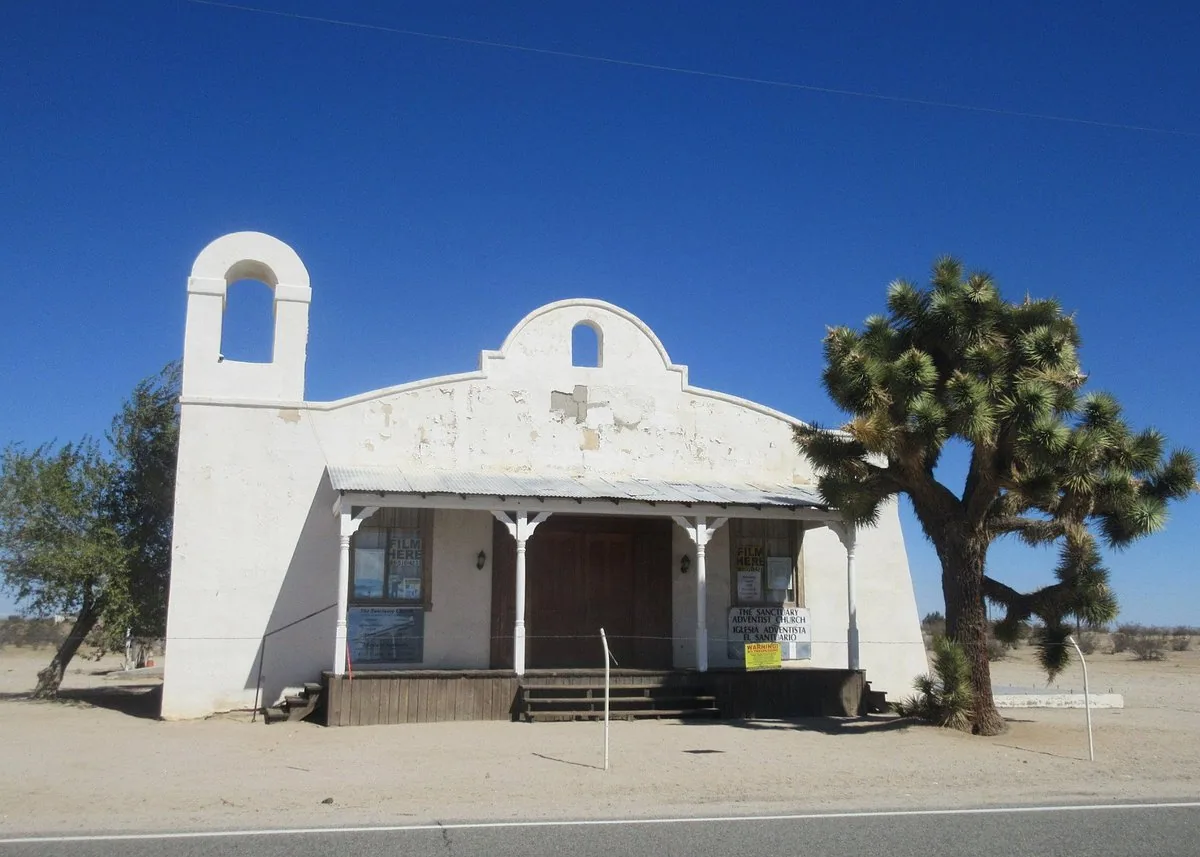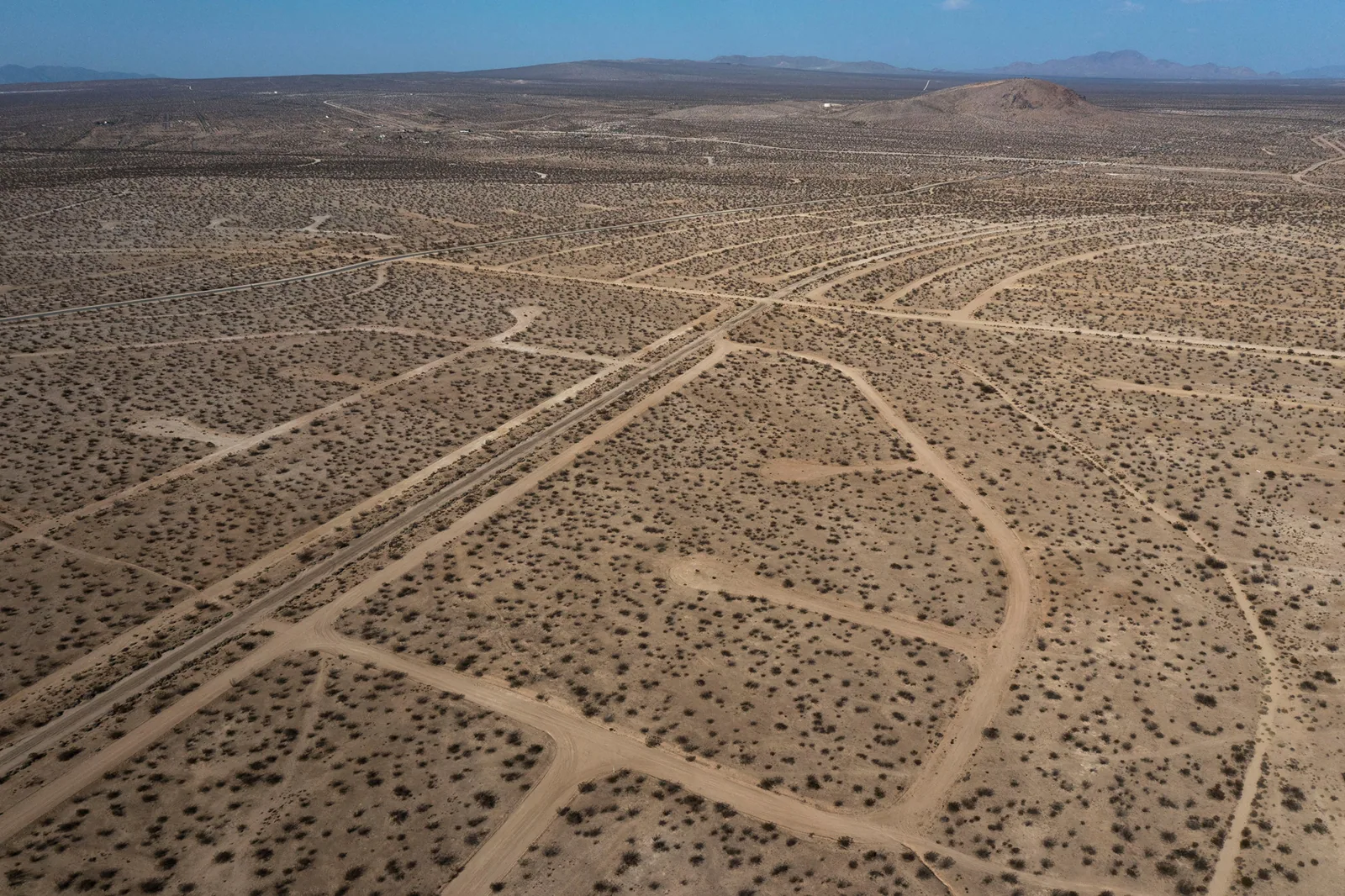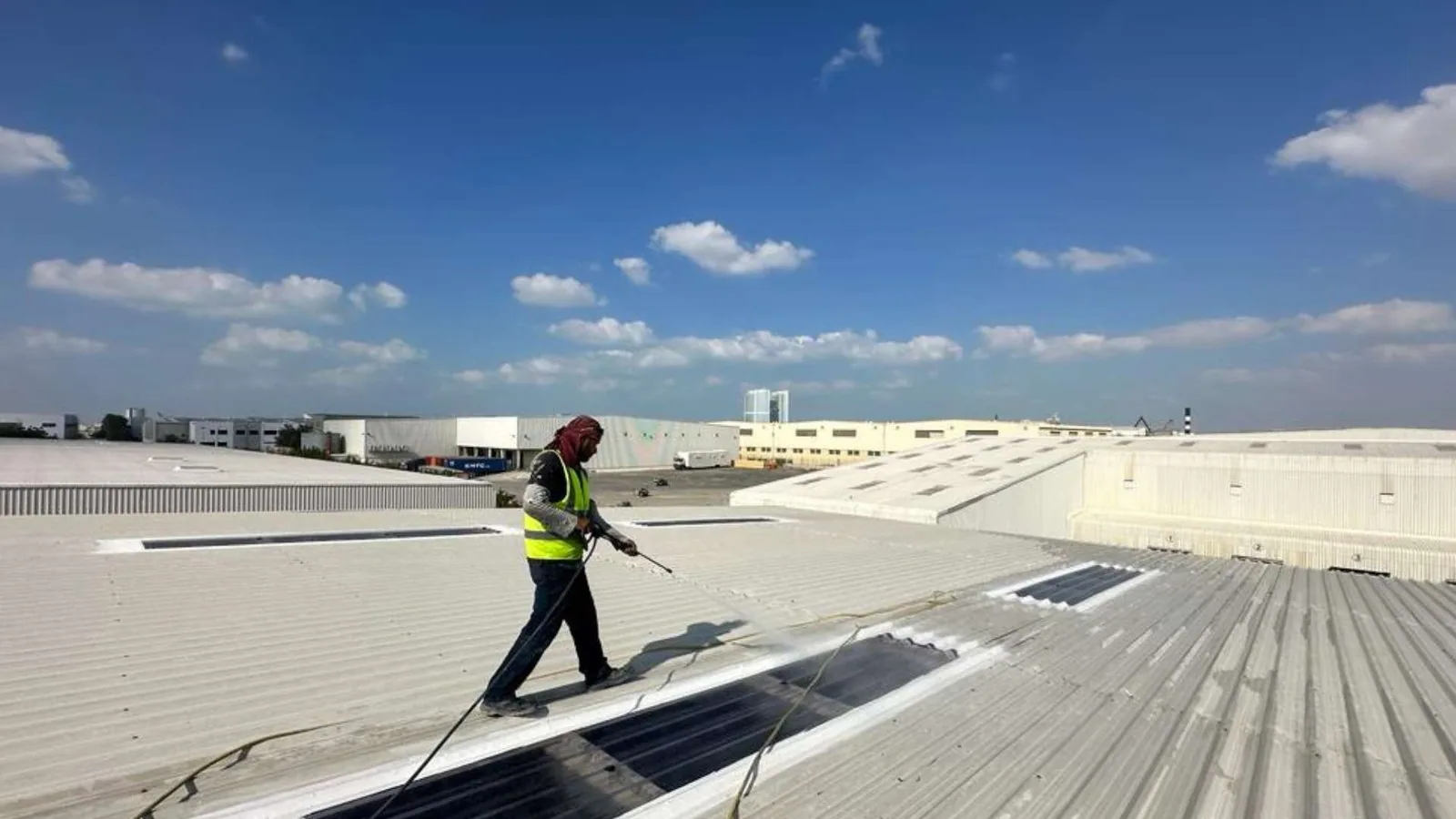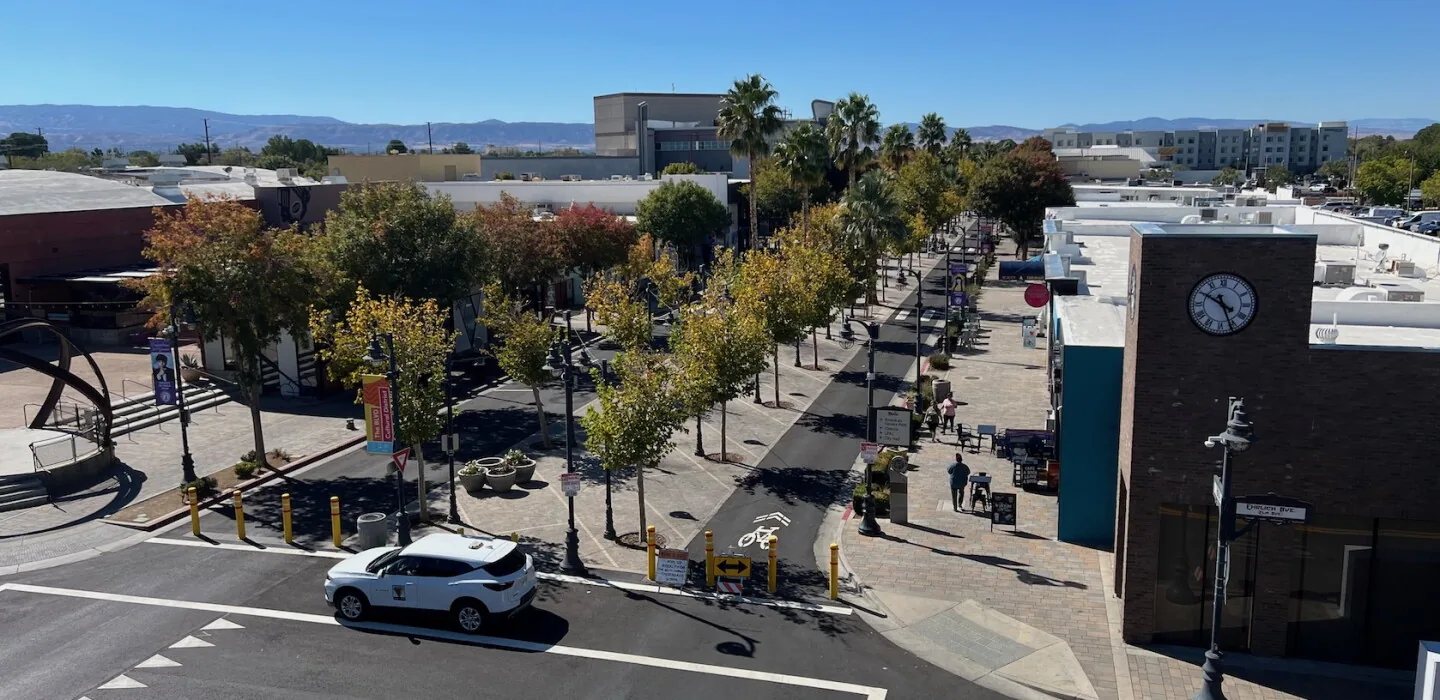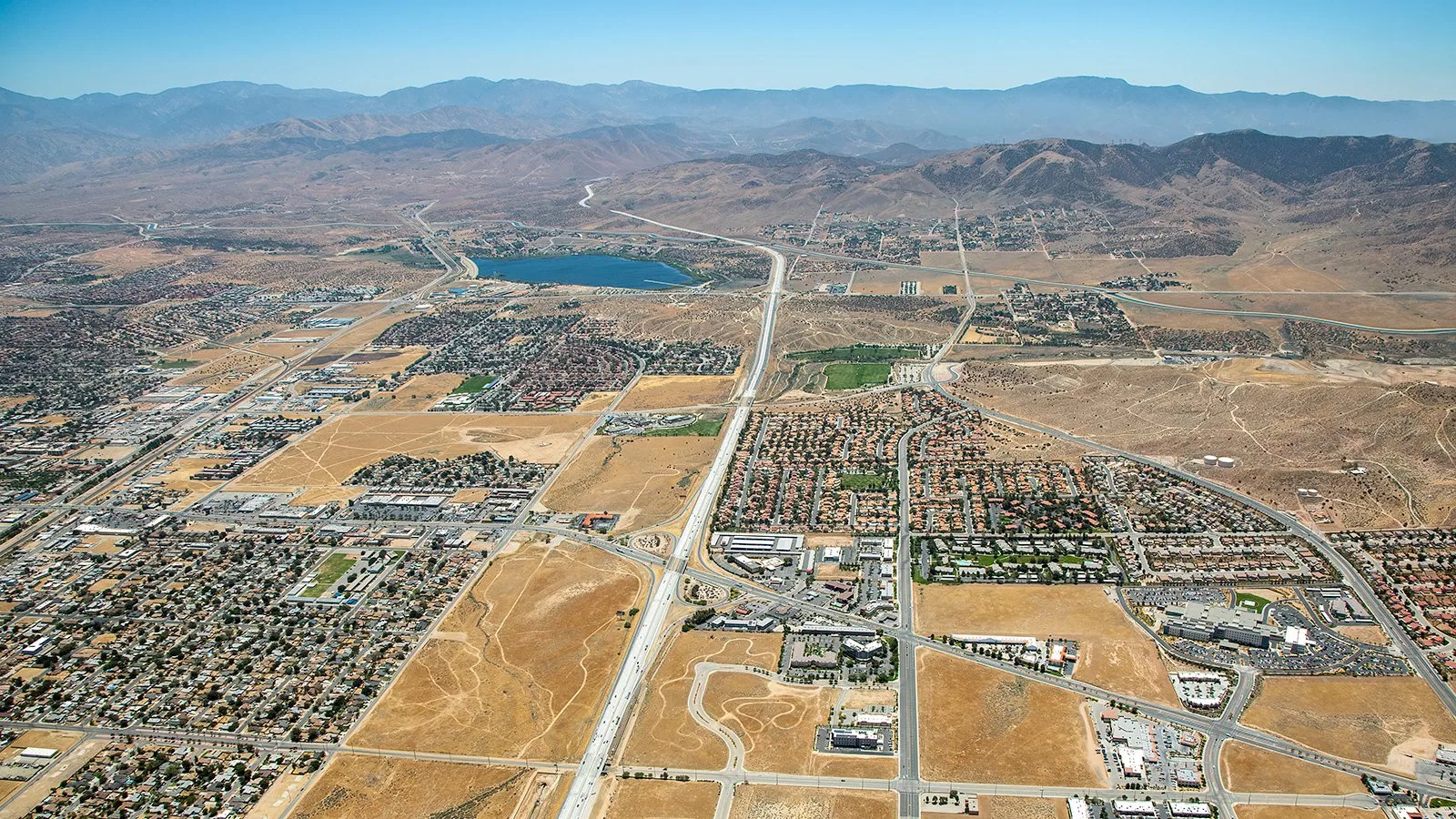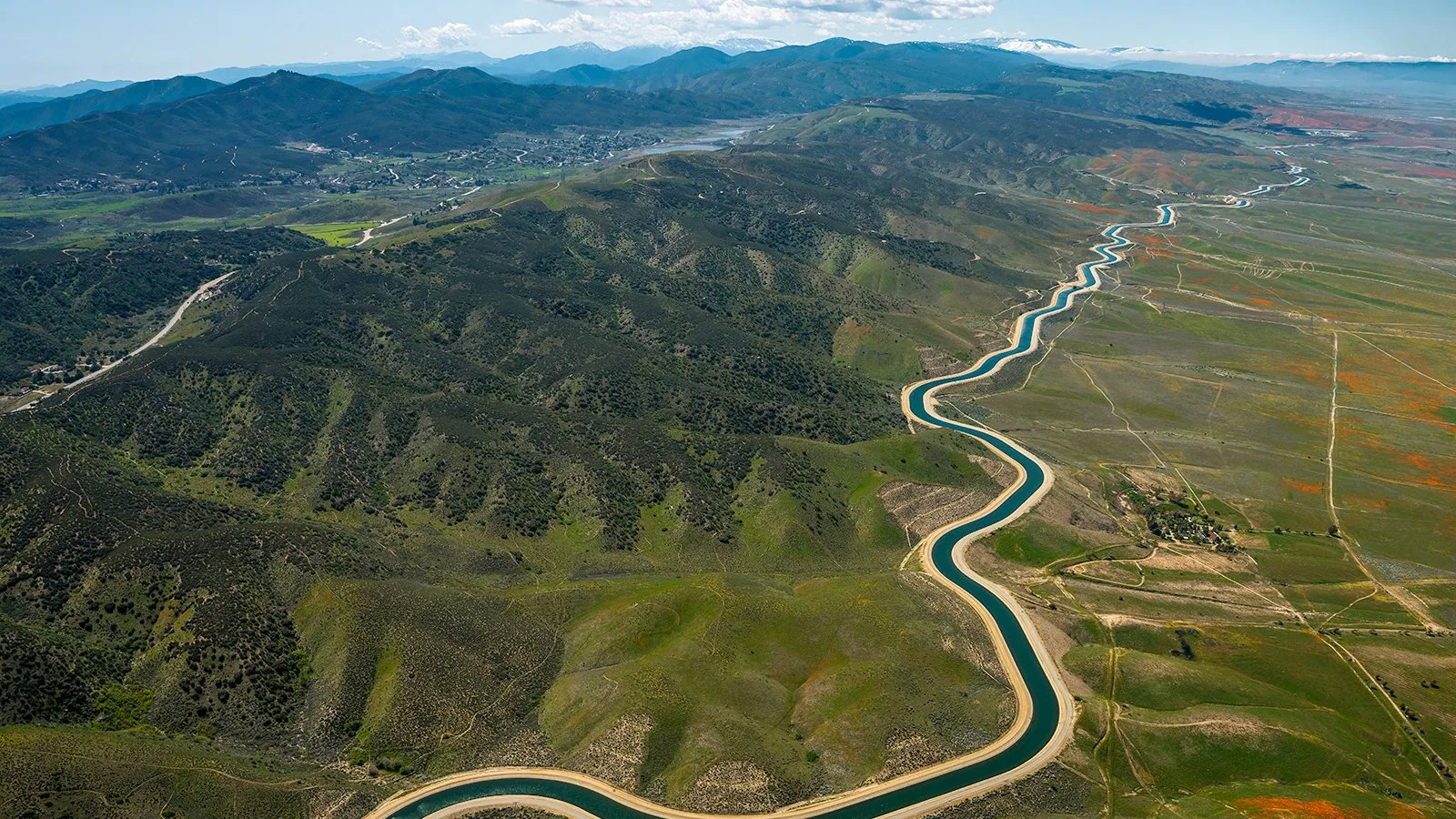
A property in a rural commercial center may need a different roof sequence than a building outside the center, but the inspection still begins with the same physical evidence: membrane, drainage, transitions, access, and prior repair history. Los Angeles County groups Littlerock and Sun Village as Southeast Antelope Valley. Both communities have rural town centers with commercial and light-industrial designations concentrated in those centers; beyond them, the wider area includes partly developed land and less-developed rural-preserve areas.
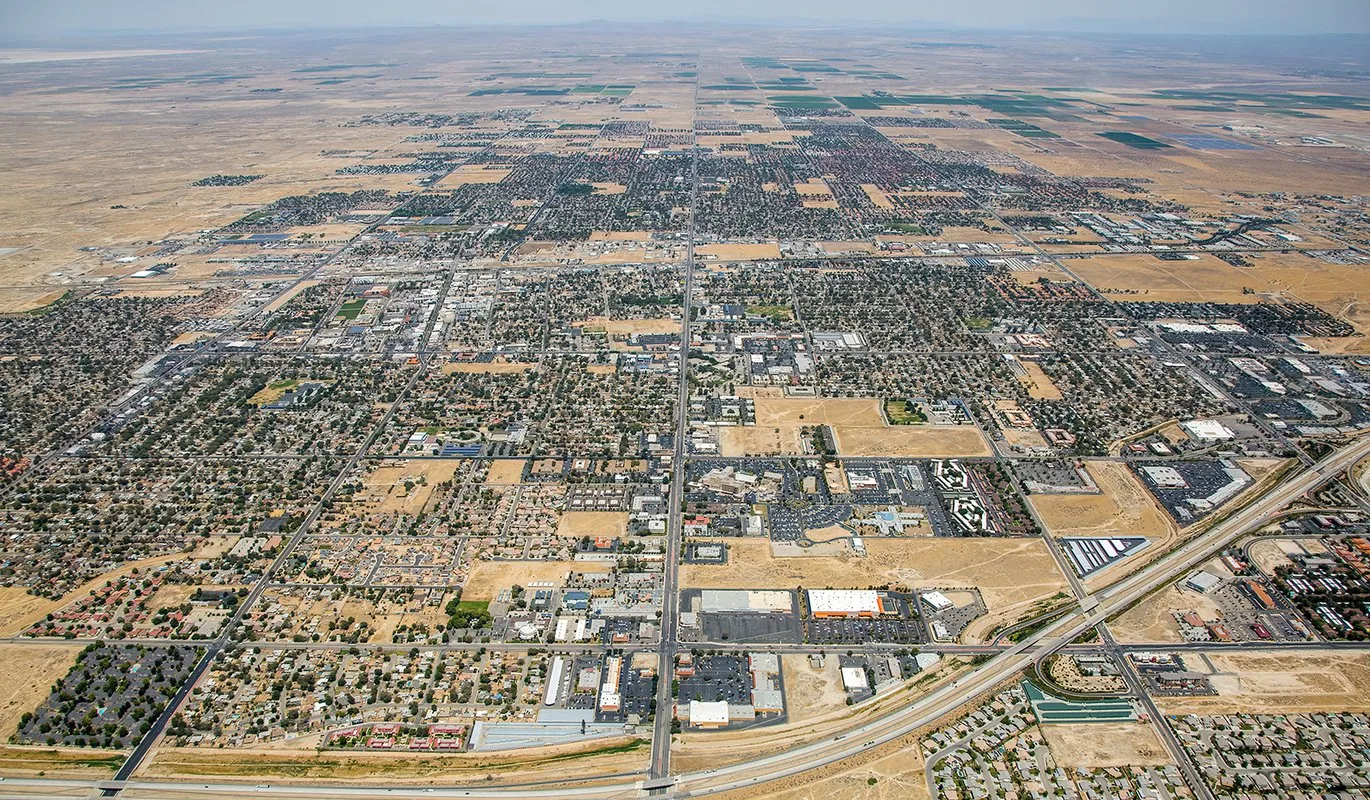
That broader geography supports a genuine regional service area, not a claim that one building represents the entire area. We inspect each property on its own and keep its roof record separate. Lancaster's station normal daily high reaches 97.8 degrees in August, which we identify as a Lancaster reference when considering heat on exposed roof details. The field inspection then determines whether seams, sealants, or penetrations show actual stress. Owners can schedule a dedicated Littlerock roof assessment or Sun Village commercial roof review under each property's operating plan.
Keep center properties distinct from the wider area
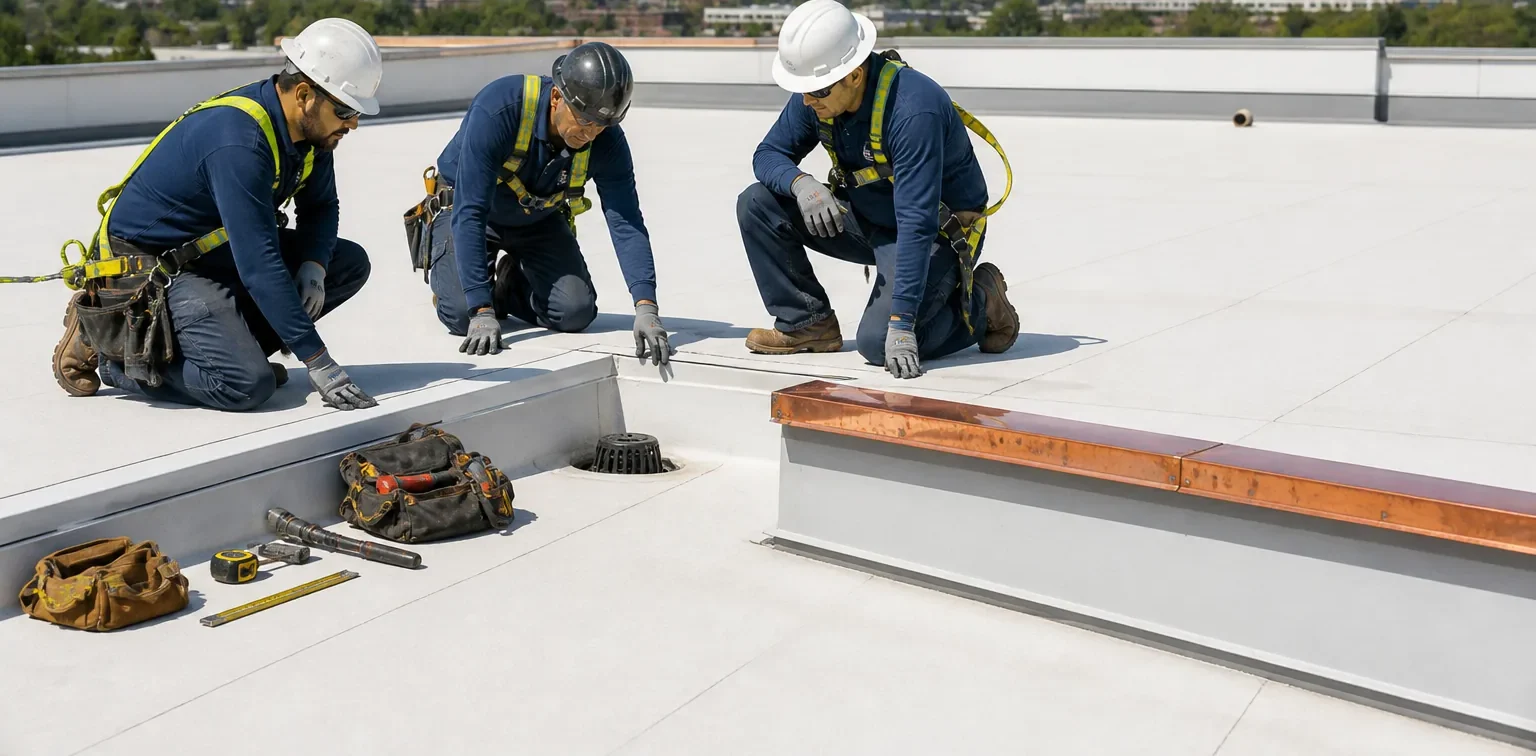
For an owner managing buildings in the town centers and farther out, the work record should state exactly which property and roof sections were inspected. We identify the building use supplied by the owner, the assembly where visible, seams, edges, penetrations, curbs, drains, and conditions created by earlier repairs. Photographs carry roof-zone labels and a wider reference view. An inaccessible surface or concealed layer is listed as an inspection limit, not treated as a known condition.
The County's land-use framework concentrates commercial and light-industrial designations in the Littlerock and Sun Village centers. It does not describe the construction, age, or use of every property in Southeast Antelope Valley. We avoid inferring those details from the plan. The owner can provide roof drawings, maintenance logs, and access requirements; we check those records against what the roof shows. A commercial roof inspection can establish the condition of one property, while a multi-property summary compares findings without combining them.
Follow the leak before sizing the correction
Water may enter at a curb or seam and travel under the membrane before it reaches the interior. We compare the reported stain, date, and weather with roof transitions above the space, then inspect likely routes through seams, flashing, drains, and low areas. A moisture survey can show a pattern under suitable conditions; a test cut may reveal the condition of insulation. The report records the area examined and distinguishes direct observations from questions that need further testing.
The repair boundary follows the failed detail and the condition of surrounding materials. A small puncture in sound membrane may allow a localized correction; moisture beyond it or a deteriorated substrate can require removal to reach a stable tie-in. We photograph the opened area and confirm any scope change before proceeding. For active water entry, commercial roof leak repair can protect the building while we document what permanent work the assembly needs. The same method applies to a property near the Littlerock center or an independently located site elsewhere in the region.
Prepare outlets for a short concentrated storm
The Lancaster station's annual precipitation normal is 6.81 inches, with most normal rainfall from November through March. We keep that measurement attributed to Lancaster and use it as regional context for scheduling drainage checks. On each roof, the inspection follows the surface from low points toward drains, scuppers, and overflow routes. Dust, leaves, or repair material can block an inlet or redirect water before it reaches the outlet. We record debris, water marks, and any location where flow appears limited. We also distinguish a temporary obstruction from a low area that repeatedly holds water, since those conditions call for different follow-up. If a drain sits below nearby membrane seams, we note whether the outlet or the surrounding roof needs correction. This gives the property contact a specific maintenance item to revisit.
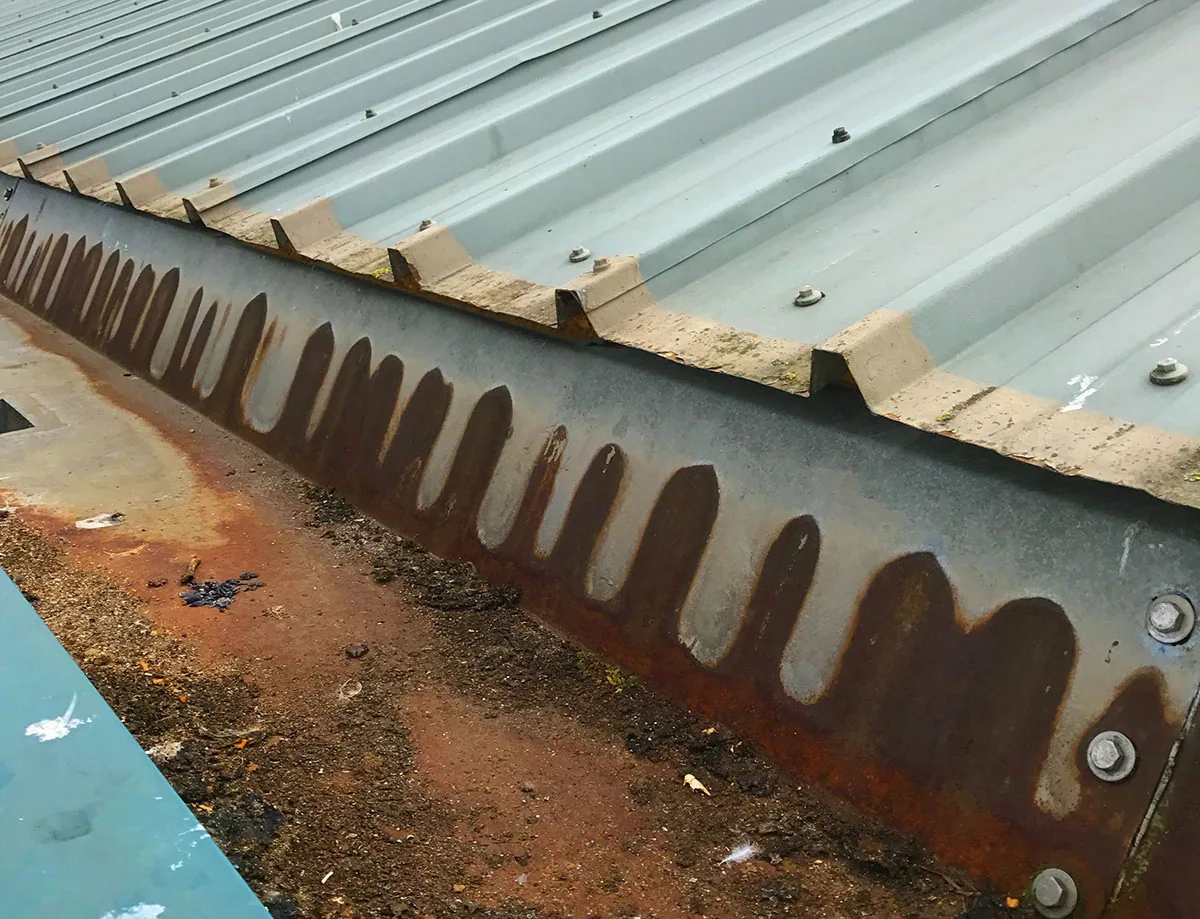
Beyond the outlets, maintenance checks seams, edge metal, terminations, sealant, and penetrations for movement or separation. A defect at one building should not be assumed to exist on a second property in Sun Village or Littlerock; each roof needs its own observation. We compare current photos with the last visit and prioritize a repair when a detail has changed. Drain and scupper service can resolve an outlet problem, and preventive roof maintenance can track the related membrane and flashing conditions.
Sequence correction by roof zone
A clear proposal identifies the failed detail, the preparation method, compatible repair materials, and the area where new material will tie into the existing assembly. It also notes any work assigned to an equipment vendor or another trade. If removal reveals wet insulation or damaged deck, the owner receives photographs and an approval point before the crew extends the work. This is especially useful when a portfolio includes multiple community properties with separate budgets and contacts.
Several failures, recurring leaks, or moisture across multiple roof zones may call for a recover or replacement review. We inspect existing layers, attachment, drainage capacity, and substrate before recommending another layer. Replacement planning includes tear-off areas, temporary weather protection, equipment coordination, and a daily closeout sequence. Before removal, we review available roof plans and warranty records, then list the details that need field confirmation so the replacement scope can account for existing layers and equipment. Commercial roof replacement can be scoped after that site review.
Coordinate work across separate properties
A coordinated inspection can reduce repeated mobilization when one owner has sites in both Littlerock and Sun Village, but the work plan needs a contact, access window, and safe staging note for each building. We record whether an occupant, vehicle route, or equipment vendor changes the daily sequence. If the roof will be open at the end of a shift, we identify how the area will be protected and inspected before work resumes. Local operating details come from the property contact.
Closeout includes separate photos, repair boundaries, material notes, and remaining observations for every property. Keep the documents with each roof plan, warranty file, leak history, and maintenance date. A later portfolio review can then rank needs without confusing one center's conditions with the larger region. To arrange a Southeast Antelope Valley assessment, share the specific property location and concern. A roof condition report can support maintenance or capital decisions. Nearby owners can also request a distinct Green Valley roof inspection.
Commercial Roofing Questions
Which places are included in Southeast Antelope Valley?
Los Angeles County groups Littlerock and Sun Village in this area and identifies rural town centers in both. We confirm the specific property location when arranging service.
Does the regional service area mean one inspection covers every property?
No. Each building receives an individual roof inspection, photos, and scope. A portfolio summary can compare conditions, but it does not replace the property-level record.
How do you inspect a building outside a town center?
We confirm safe access, the property contact, operating requirements, and visible roof zones, then document the assembly and findings. The County's rural-preserve context does not determine the construction at a specific site.
Can you coordinate repairs in both Littlerock and Sun Village?
Yes. We can organize the visits and schedule as one program while keeping access notes, estimates, and closeout documents separate for each property.
What determines whether a roof needs repair or replacement?
We consider the number and extent of failures, moisture below the membrane, substrate condition, drainage, and whether a reliable tie-in can be made. The report explains the observed evidence behind the recommended scope.