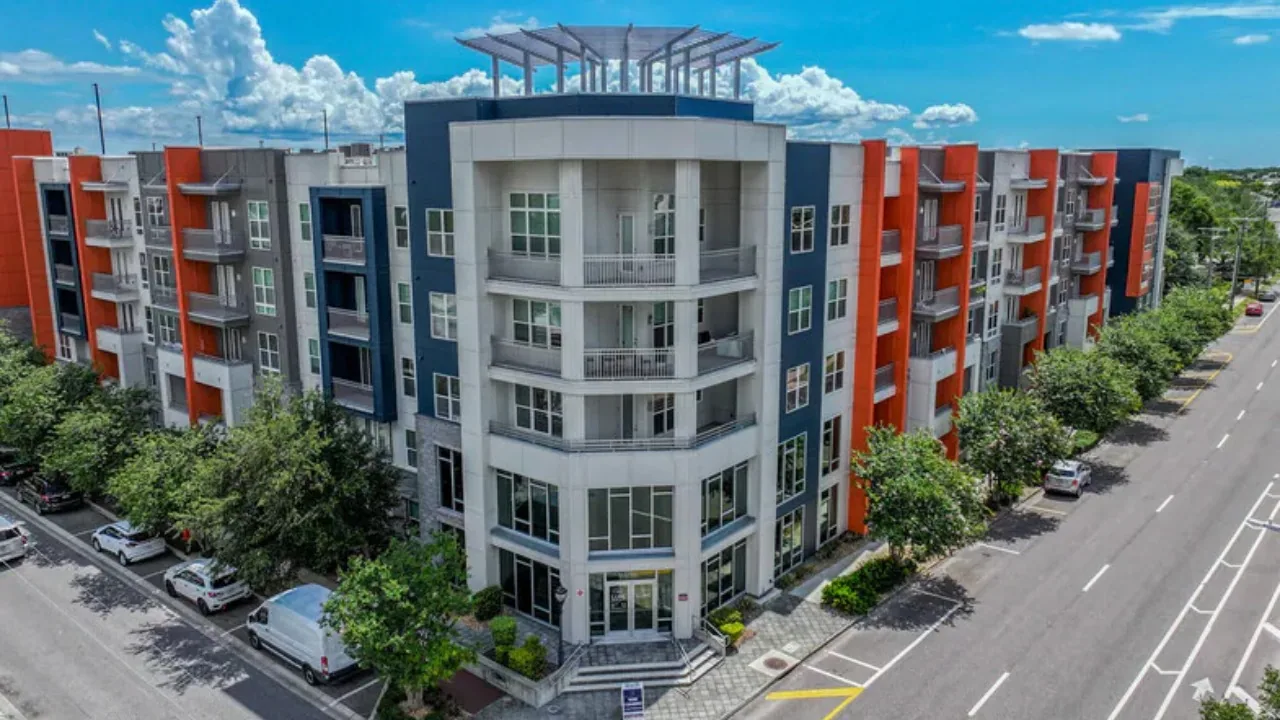
A roof leak above an occupied guest room can interrupt a stay before the source is visible from the roof. Water may travel from a curb, seam, drain, or parapet before marking a ceiling, so the first step is to connect the report with the roof condition. We inspect the assembly and map the affected area, then explain whether the finding supports a temporary measure, a defined repair, or further testing. The work plan accounts for guest routes, service access, and the hotel's operating schedule.

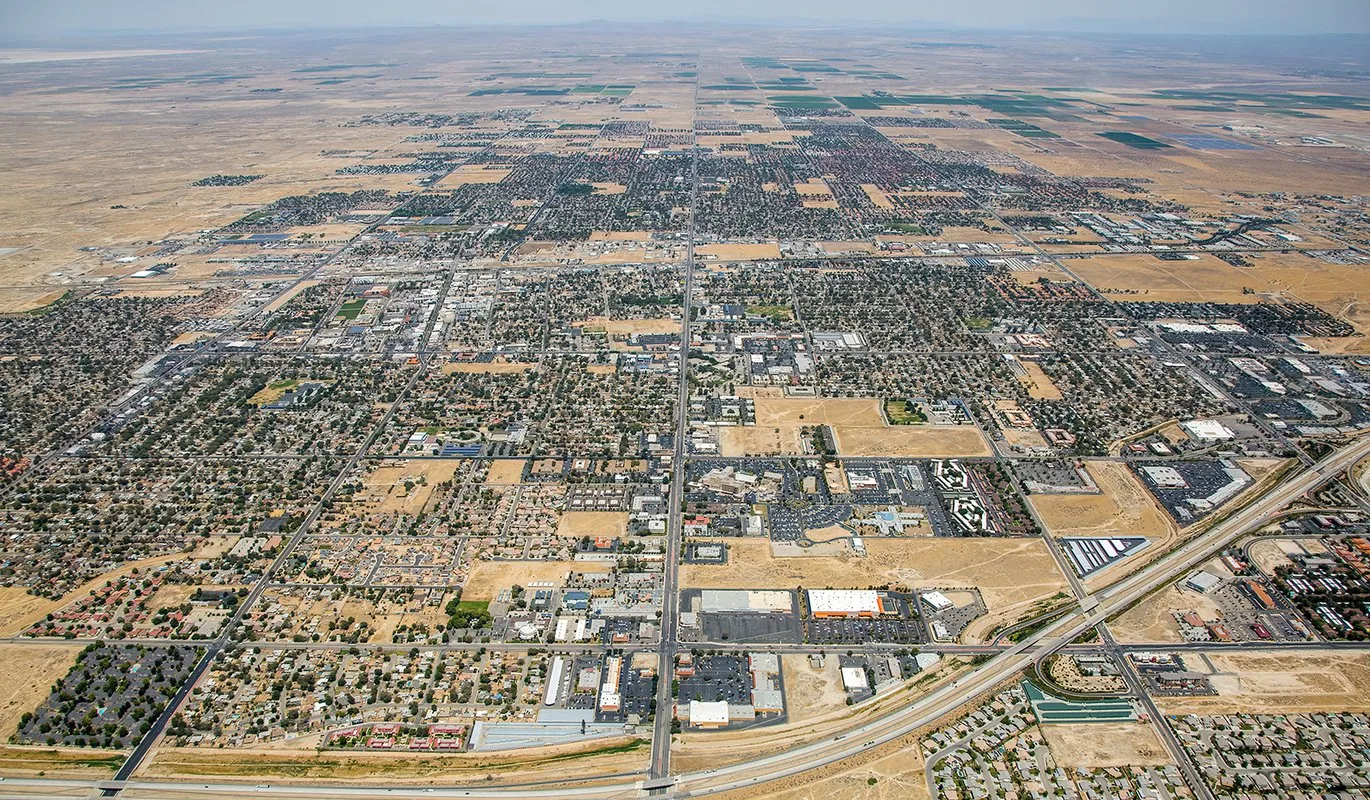
Lancaster's downtown plan includes retail, office, residential, and civic uses, while the Amargosa Creek Planning Area includes office, retail, and major medical uses, while the Lancaster Health District serves another cluster of medical and commercial activity. That varied commercial setting means each hotel needs its own review of access, rooftop equipment, and roof transitions. A local roof assessment starts with the property record, not a presumed assembly.
Connect Guest Reports to Roof Evidence
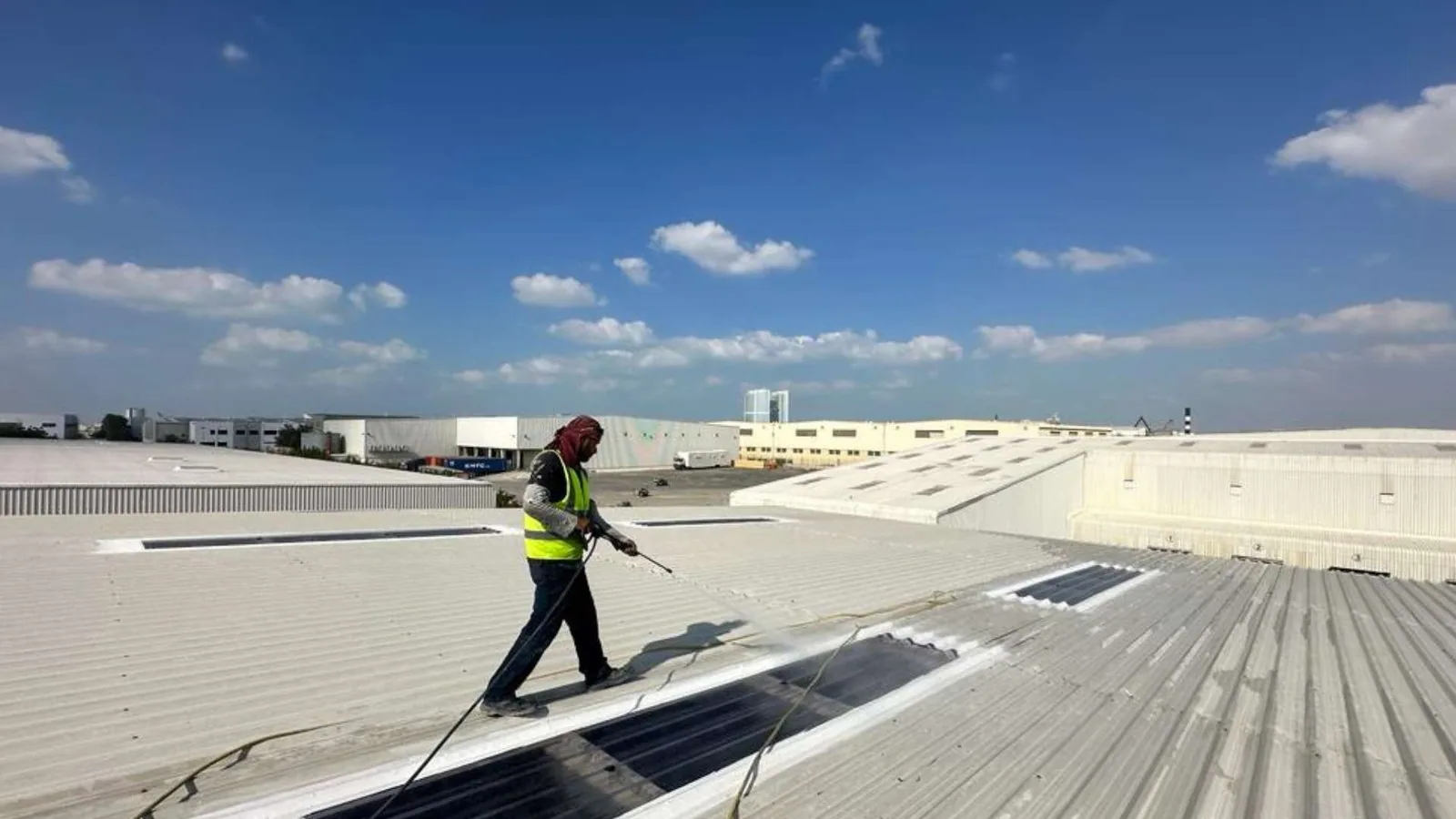
A damp carpet tile or ceiling mark identifies where a guest noticed a problem; it may not sit directly below the opening. We compare report timing, wind or rain conditions, housekeeping observations, and the roof layout. The inspection checks membrane seams, wall transitions, skylights, mechanical curbs, drains, and prior patches near the likely water path. If the route remains uncertain, targeted moisture testing can help distinguish a surface defect from water held within the assembly.
The findings should identify the room or common area affected without claiming that untested sections are dry. Photos and a roof-zone reference let facilities staff connect later reports to the same location. A leak repair assessment can begin with active water, while a full roof inspection records adjacent details that may need attention before the next storm.
Inspect Equipment Curbs and Roof Transitions
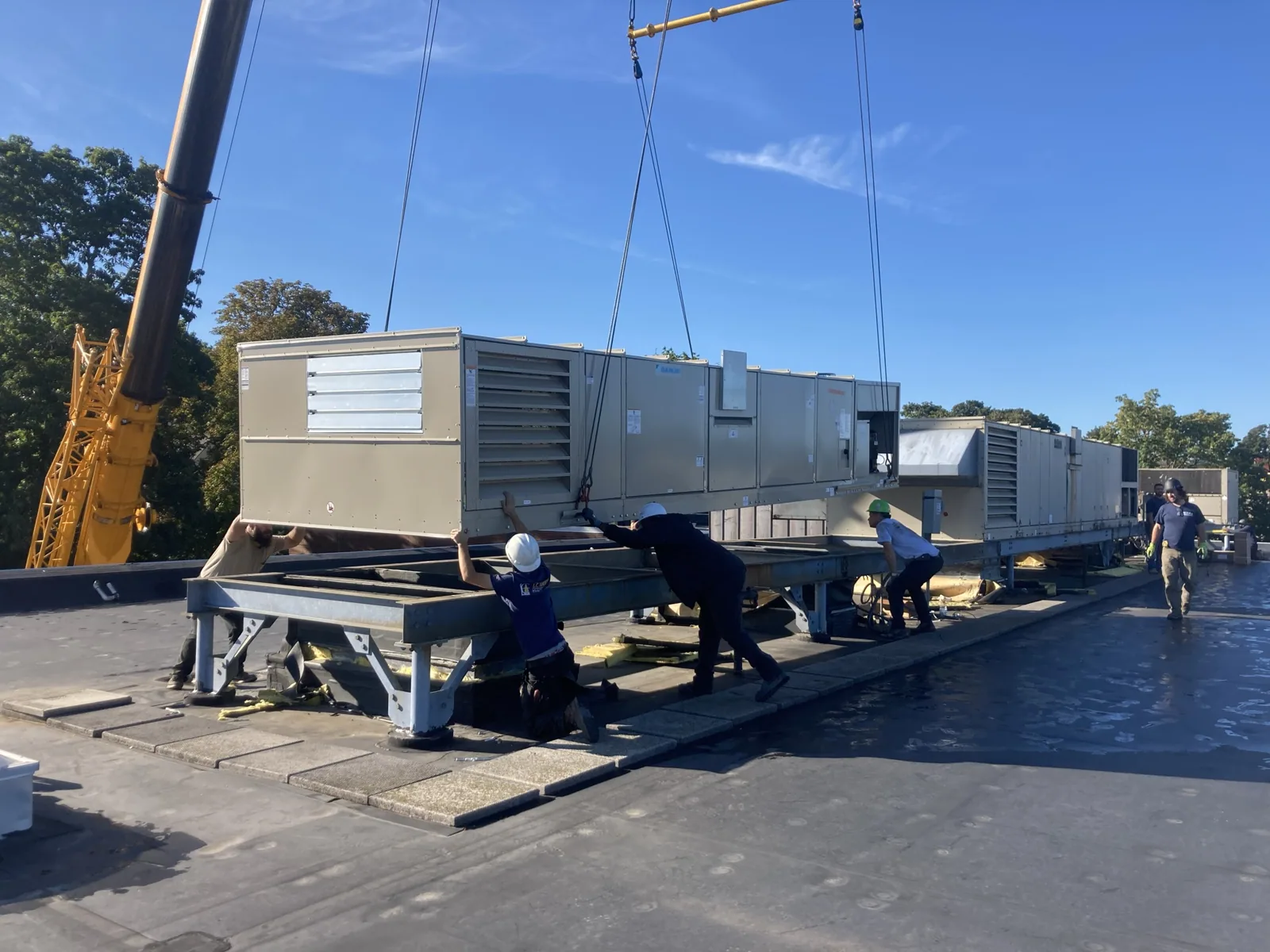
Hotels rely on heating, cooling, exhaust, and ventilation equipment that can be replaced or serviced without a matching update to the roof flashing. A new unit may sit on an altered curb; abandoned conduit can leave an opening; and movement can fatigue a membrane at a corner. We compare equipment changes with the roof detail, look for gaps and patch edges, and note which trade should restore each interface after service.
Cooling demand is a recurring summer load in Lancaster. Lancaster's climate normals put July's high at 90°F or above on every day, with an average August high of 97.8°F at the airport weather station. Those conditions make equipment operation and exposed details part of a practical roof review. Curb and support inspection documents the interface, and the report can distinguish current flashing failure from wear that warrants monitoring.
Maintain Access Through an Occupied Property
Roof work above a hotel must account for guests, staff, deliveries, and rooms that cannot be treated as vacant work space. Before mobilizing, we identify roof access, lift locations, loading constraints, material staging, and any interior protection. The property team can decide whether a room block, temporary corridor change, or advance guest notice is needed. For work over a lobby, kitchen, or meeting room, the sequence should preserve safe access and give staff a clear time window.
Where a property has multiple wings or a lower service roof, those areas may have different assemblies and drainage patterns. We map the sections separately and avoid assuming a repair found on one wing applies elsewhere. Hotels sharing ownership with multifamily properties may use common facilities teams, but guest circulation and room turnover make the hotel phasing distinct. For food-service areas, restaurant roof details may add exhaust and kitchen penetrations that call for a separate inspection. A documented sequence gives the operator a basis for coordinating vendors and occupancy.
Review Drainage and Seasonal Exposure
Water at a parapet or ceiling can follow a drainage path from a low point, a blocked outlet, or a failed wall transition. We inspect drains, scuppers, overflow outlets, edge metal, and the roof slope around the reported zone. The scope identifies whether debris removal, outlet repair, membrane work, or testing is warranted. That distinction matters: clearing an obstruction does not correct a cracked drain bowl, and a new patch cannot compensate for an unresolved outlet detail.
Most of the station's annual 6.81-inch total arrives between November and March, according to the local precipitation normals. Even with a dry annual profile, a concentrated rainfall event can expose a weak connection. Drain and scupper repair addresses a confirmed outlet issue, while a separate flashing scope handles a wall or curb defect. Closeout notes where water should flow and which areas were not tested.
Set a Repair Boundary Before Expanding the Work
A repair is reasonable when the failed detail is defined and the surrounding membrane and substrate remain serviceable. If test cuts show wet insulation beyond the visible stain, the scope may need to expand to reach dry material. Recover can be considered only after the existing layers, attachment, and moisture conditions are evaluated. Replacement becomes a broader option when repeated failures or substrate concerns cross several zones. The proposal records these findings and identifies conditions that could change once the roof is opened.
For a hotel, the cost discussion should include both assembly condition and the impact of phasing. Work might be sequenced by wing or roof section to avoid closing more rooms than necessary. A replacement assessment can compare the larger options; scheduled maintenance can track drains, seams, and transitions while capital planning proceeds. We state assumptions clearly so operations staff know what is confirmed and what remains provisional.
Keep the Property File Ready for the Next Report
A useful closeout includes roof-zone photos, the repair materials, areas tested, drainage observations, and any limits on the completed work. Facilities staff can then compare a future report with the prior condition instead of relying on memory or a room number alone. We also note rooftop equipment changes and protected access needs that may affect later contractors. If monitoring is recommended, the record names the visible condition or date that should prompt another review.
Hotel roofs carry a changing mix of equipment and service traffic. The condition file should show which details were repaired, where traffic pads or temporary protection were used, and whether a different trade needs to coordinate with the roofing crew. When a leak is reported, the operator can send current roof plans and maintenance records for a focused assessment. That gives the next scope a factual basis and helps separate an isolated repair from a larger reserve decision.
Commercial Roofing Questions
How can roof work be scheduled without closing a hotel’s occupied rooms?
Many repairs can be scheduled while the property remains open when access, noise, and interior protection are planned. The inspection identifies whether rooms or common areas need temporary restrictions.
Why can a roof leak appear far from the damaged detail?
Water can travel along insulation, deck joints, or structural framing before reaching a ceiling. We compare the interior location with roof-side evidence and use targeted testing if the path is not clear.
What should hotel staff send before a roof inspection?
Current roof plans, leak dates and room locations, past repairs, and records of recent HVAC work help focus the visit. The team still verifies roof conditions in person before defining a repair.
Can a hotel replace one wing at a time?
Phasing can be considered when the roof map, access, assembly condition, and weather window support separate work zones. The scope should explain transitions between completed and remaining areas.
When should a hotel consider recover or full replacement?
Use moisture testing, attachment condition, substrate findings, and the pattern of recurring defects to compare those options. The inspection report should mark what was tested and state any assumptions that need confirmation during construction.