A leak in an apartment building can affect one unit while the water path begins several bays away. Roof inspection has to connect resident reports with the membrane, flashing, drainage, and equipment details above them. We identify the affected building and interior location, inspect the likely path, and explain what is confirmed before work is scoped. The plan also accounts for occupied units, maintenance access, and the notices needed before a crew enters a shared area.

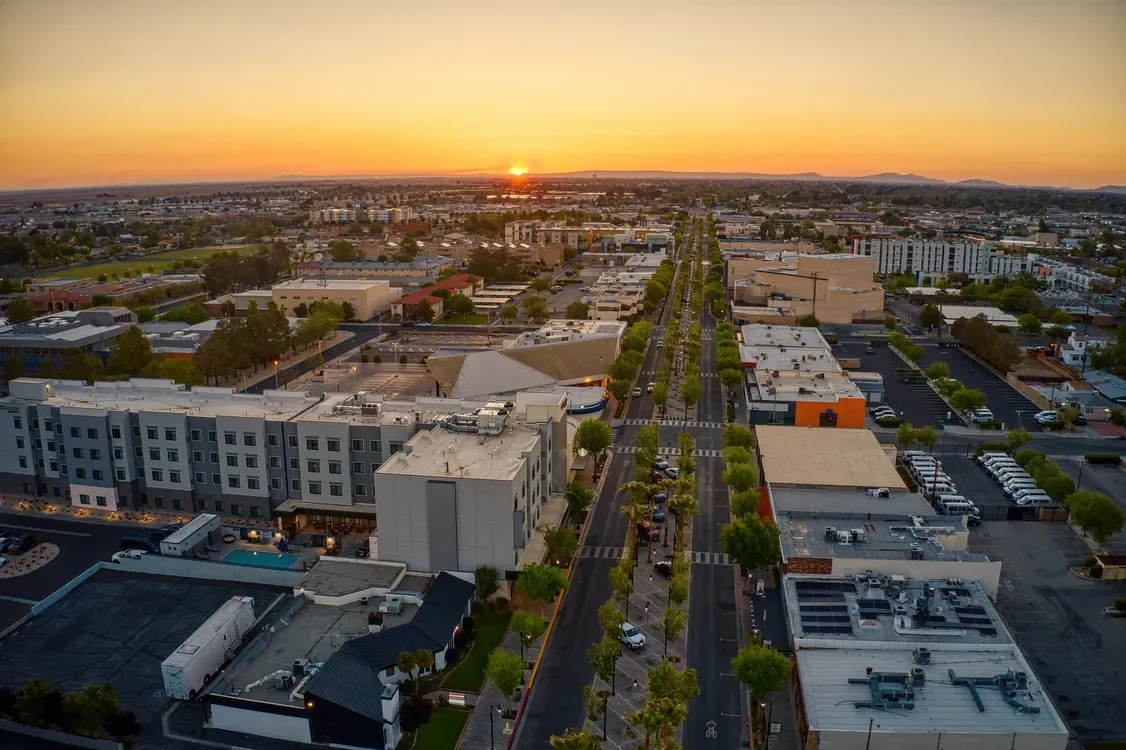
Lancaster has a varied commercial and residential planning pattern. Lancaster Business Park supports light manufacturing, research, professional services, and trade schools; Enterprise Business Park includes office, light industrial, and retail uses. Multifamily properties require a separate roof review shaped by their own unit layout, common areas, and resident access.
Map the Reported Leak to the Roof Zone
A stain in an upper-floor unit does not establish where the roof opening sits. Water can move along a deck, framing member, pipe route, or insulation joint. We record when the resident noticed the issue, whether it followed rain or equipment operation, and what conditions are visible inside. On the roof, we inspect seams, parapets, penetrations, drains, and prior repairs near the likely route. If the source remains uncertain, selected testing can establish the moisture boundary.
The report should keep observed facts separate from areas that were not opened or tested. Building staff can use photos and a roof-zone map to coordinate unit access and compare later reports. A commercial roof inspection can document the larger assembly, while the repair scope names the specific detail and interior area tied to the current condition.
Review Shared Equipment and Penetrations
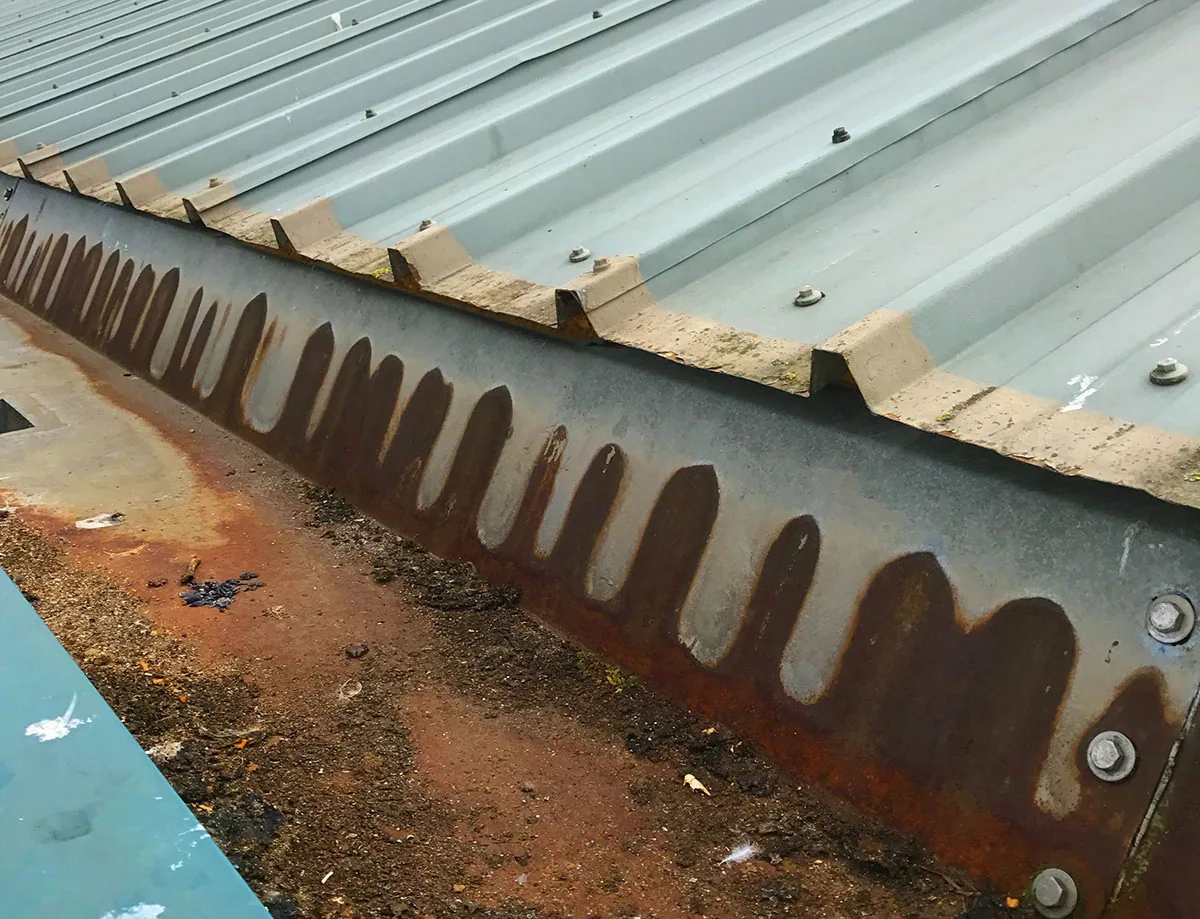
Apartment roofs may serve several buildings or combine residential wings with office, laundry, or community spaces. Exhaust fans, plumbing vents, conduit, and HVAC equipment create separate roof interfaces, and maintenance visits can disturb flashing or protective pads. We compare those details with leak reports, look for loose corners and open seams, and note any equipment that has changed since the roof record was made. A repair at one penetration should not be assumed to fix water at another.
Summer heat can increase movement across exposed membrane and sealant. At Lancaster's William J. Fox Field station, August's normal daily high is 97.8°F, while July averages a high of at least 90°F every day. The inspection can account for exposed transitions and repeated equipment stress without treating temperature alone as proof of a defect. We identify visible movement and the condition of the adjacent substrate.
Coordinate Residents, Staff, and Roof Access
Work planning starts with roof entry, ladders or hatch access, material staging, parking, and the routes residents use below. The property manager can determine whether notices are needed for upper-floor units, balconies, shared amenities, or maintenance rooms. A single point of contact can collect resident reports, confirm entry windows, and tell staff when temporary barriers or protection will be removed. If a test opening or interior inspection is required, the scope should name the affected unit and explain how that access will be arranged. Clear information reduces repeated visits and helps distinguish resident reports from confirmed roof conditions.
For a portfolio that includes both apartments and medical offices, the roof assemblies and interior schedules can vary by building. A medical-office roof review may need to protect clinical areas and mechanical systems; an apartment plan adds resident communication and unit coordination. If the same owner also manages a hotel property, room turnover and guest access call for another sequence. The work record should stay specific to each address and roof section.
Follow Drainage Across Multiple Roof Sections
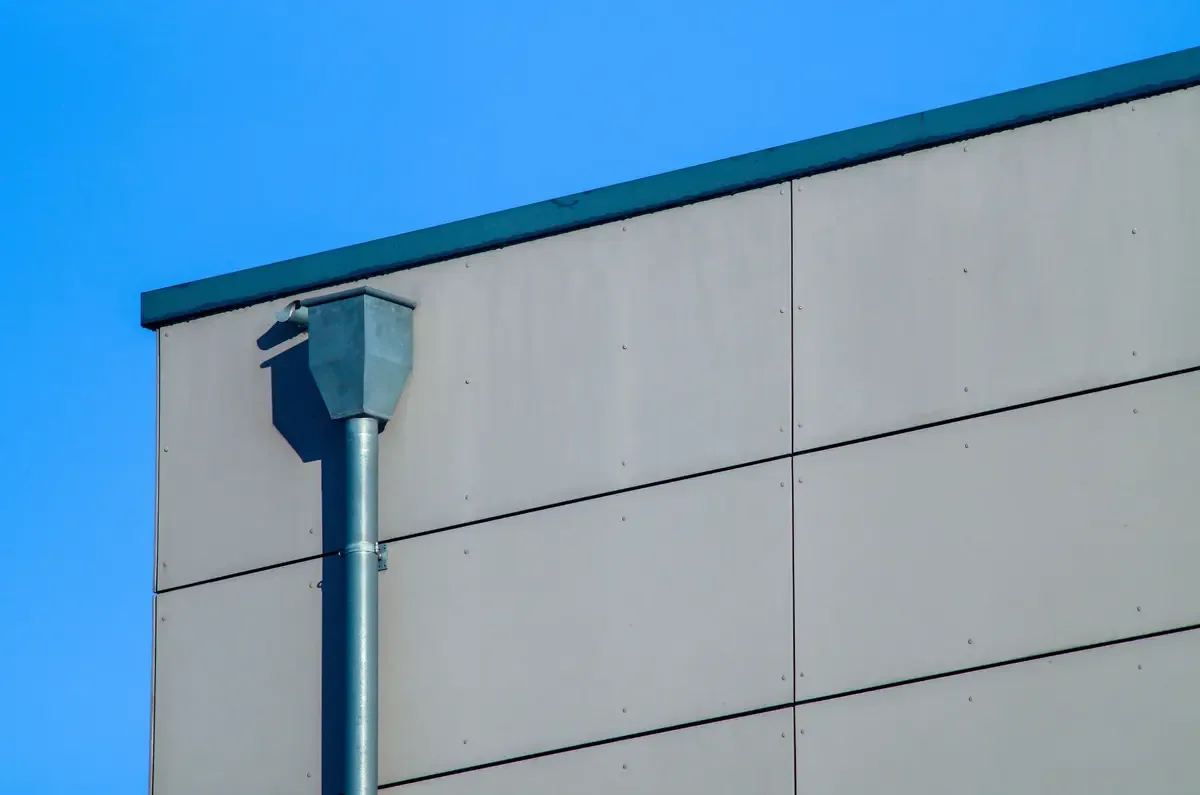
Low-slope roofs can direct water toward internal drains, scuppers, or perimeter gutters, sometimes across multiple connected sections. We check the outlet, overflow path, nearby membrane, and signs of ponding or debris. A stain near an exterior wall may follow a parapet or edge condition rather than a drain, so the route should be traced before selecting a repair. The report notes which outlets were clear and whether roof access allowed a complete inspection.
NOAA's 1991 to 2020 record at William J. Fox Field totals 6.81 inches of precipitation in a typical year; November through March contain most of that rainfall. A dry summer does not prevent debris or maintenance work from blocking a drain before winter. Drain and scupper service can address a verified outlet issue. If water has affected insulation, test results should show how far the wet material extends across the section and whether the affected units align with that boundary.
Compare a Local Repair with Broader Work
A localized repair may be appropriate when a failed flashing or seam is isolated and the surrounding material remains sound. If multiple sections show recurring movement or testing finds moisture beyond the visible leak, broader work may be warranted. Recover is an option only when the existing assembly is dry, attached, and suitable to receive another layer. Replacement can be considered when wet insulation, weak attachment, or deck damage spans a larger area. The proposal states the evidence behind each option.
Phasing can help an occupied property keep common routes open while work proceeds by wing or building. A replacement assessment can compare full-scope alternatives; a roof recover review should verify assembly suitability first. The manager receives the locations, sequencing assumptions, and interior coordination needs so the budget decision reflects both roof condition and resident operations.
Keep a Building-Level Roof History
Closeout records should identify the roof section, repair materials, photos, drainage observations, and any area excluded from the work. For a portfolio, those records are more useful when each roof plan and work order matches the building it describes. We note equipment changes, recurring leaks, and follow-up conditions so a later inspection can distinguish a new problem from a prior repair. Preventive maintenance can revisit drains, seams, and penetrations before the next seasonal rain period.
Resident-facing communication should explain where crews will enter, which shared areas may be restricted, and how long temporary protection is expected to remain. The property manager can coordinate notices without promising that every interior issue has been resolved before closeout. A current roof map, leak log, and completed-work record provide a practical basis for reserve planning. Schedule an assessment when recurring reports, visible movement, or drainage concerns need to be evaluated across several roof zones.
Commercial Roofing Questions
Can apartment roof work proceed while units remain occupied?
Many repairs can be phased while residents remain in place when roof access, protection, noise, and any interior entry are coordinated. The inspection identifies restrictions that may affect specific units or shared areas.
Why does a roof leak appear in only one apartment?
A roof opening can send water along the deck or framing before it enters one unit. The visible stain marks where water arrived, so the roof and interior conditions need to be compared.
What should a property manager gather before an assessment?
For an assessment, a roof plan, recent leak log, work orders, equipment replacement notes, and affected unit or common-area reports help guide the visit. The roofer still verifies conditions on the roof.
How can a manager tell whether water reached the insulation?
Interior stains alone do not define the moisture boundary. Roof-side inspection and selected test openings can show the condition of the layers at sampled locations; the report should identify which zones were tested.
Should each building in a multifamily property share one roof scope?
A portfolio scope can coordinate scheduling, but each roof section should have its own condition record, assembly details, and repair boundary. Similar appearance does not establish that the roofs have the same defect.