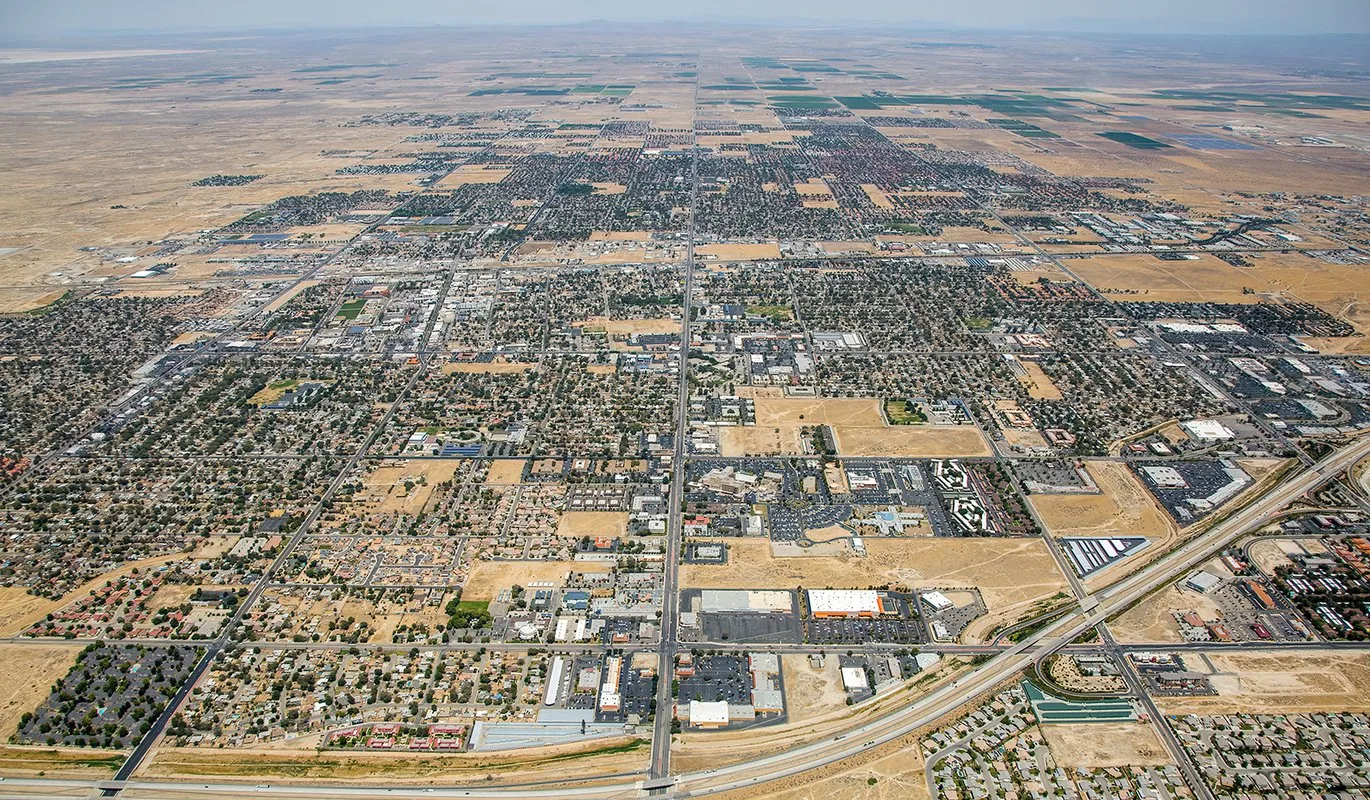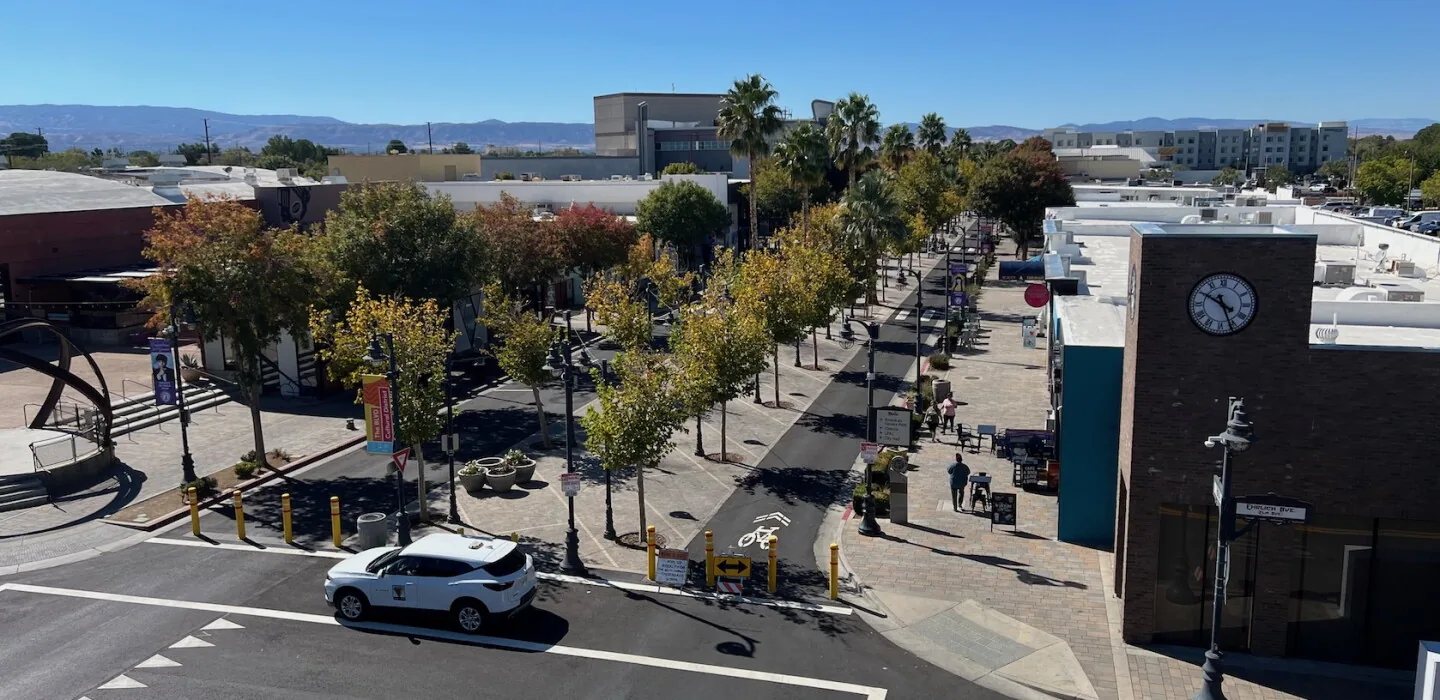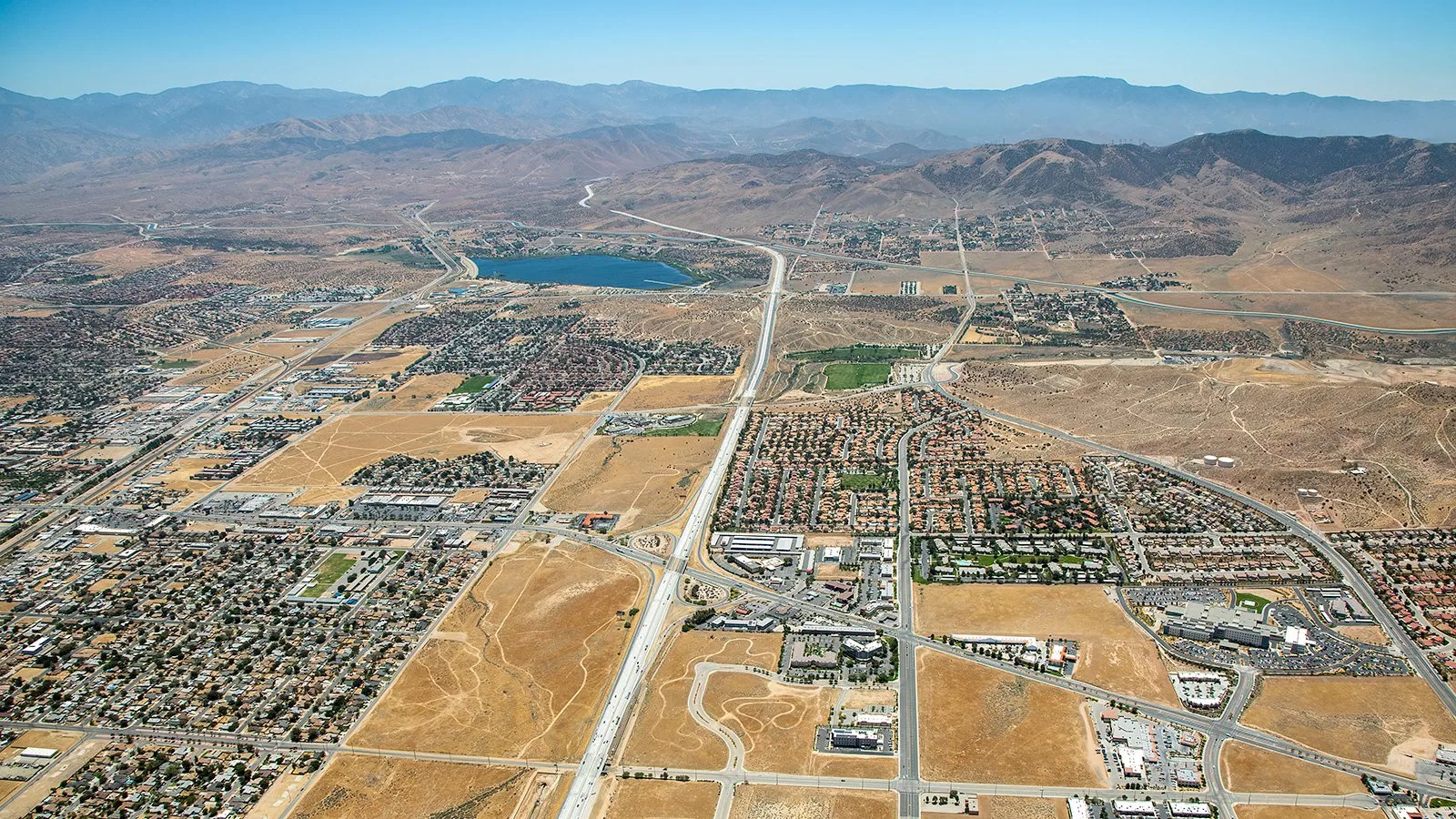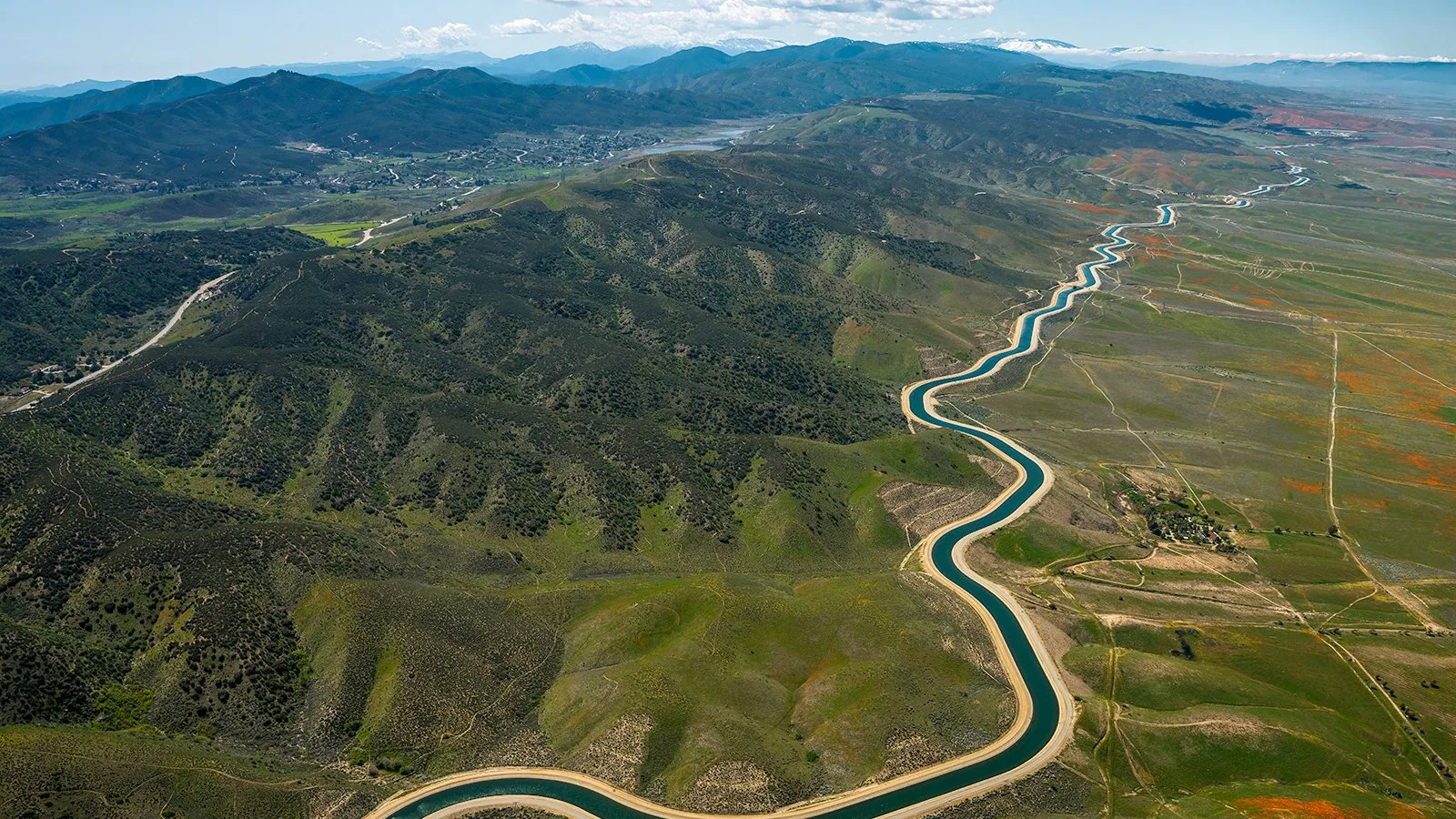
An exposed seam becomes a different repair decision when work sits above an occupied commercial space. Avanti South is a 307-acre Lancaster planning area bounded by Avenue K-8, 70th Street West, 62nd Street West, and Avenue L. Its approved plan includes 213,600 square feet of commercial uses alongside housing, parks, open space, a school site, and a fire station. That is a broad, multi-property area, so each assessment needs to start at the actual building and its operating requirements.
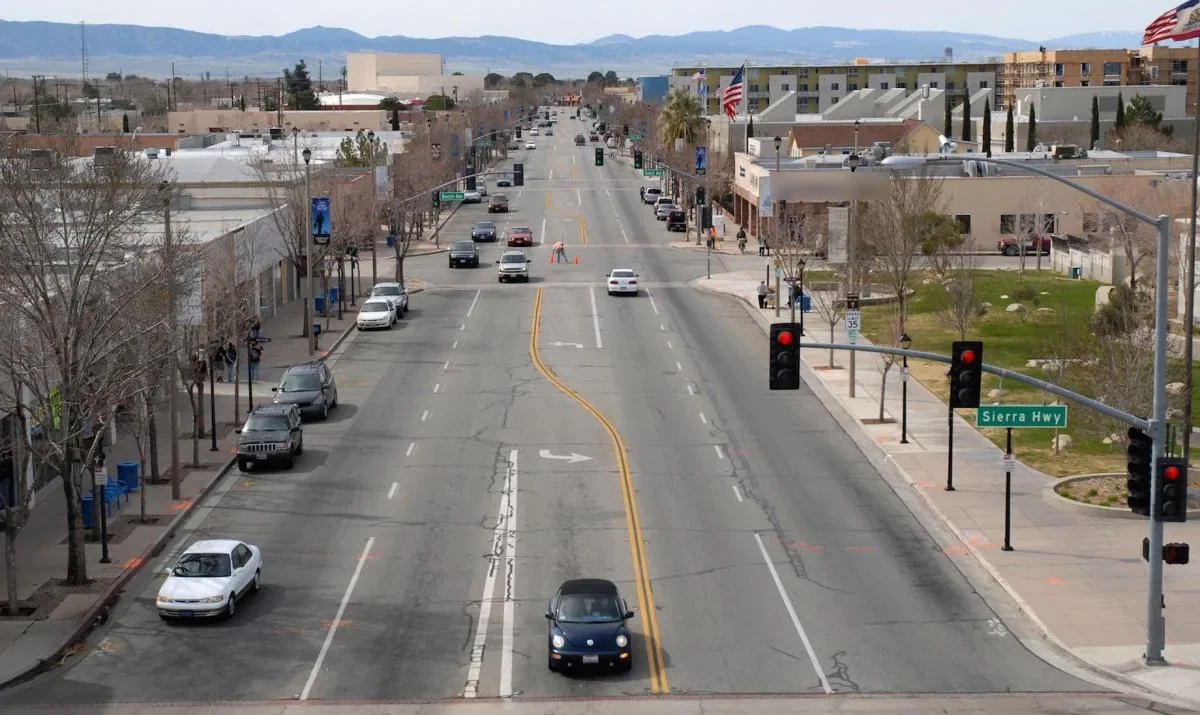
We identify the installed roof system, trace the reported water path, and mark the repair boundary before removal begins. The condition record helps an owner decide whether the next step is a defined repair, more testing, or a wider capital review, while keeping the work sequence clear for the people below.
Confirm the property and its access plan
A plan area can include different uses, but the inspection concerns one roof at a time. Confirm the building contact, roof entry, fall-protection arrangement, work hours, and any area below that needs notice or interior protection. If material delivery, a lift, or debris handling affects an entrance, identify the route before mobilization. The daily plan should show which section may be opened and how it will be made weather-tight before the crew leaves.
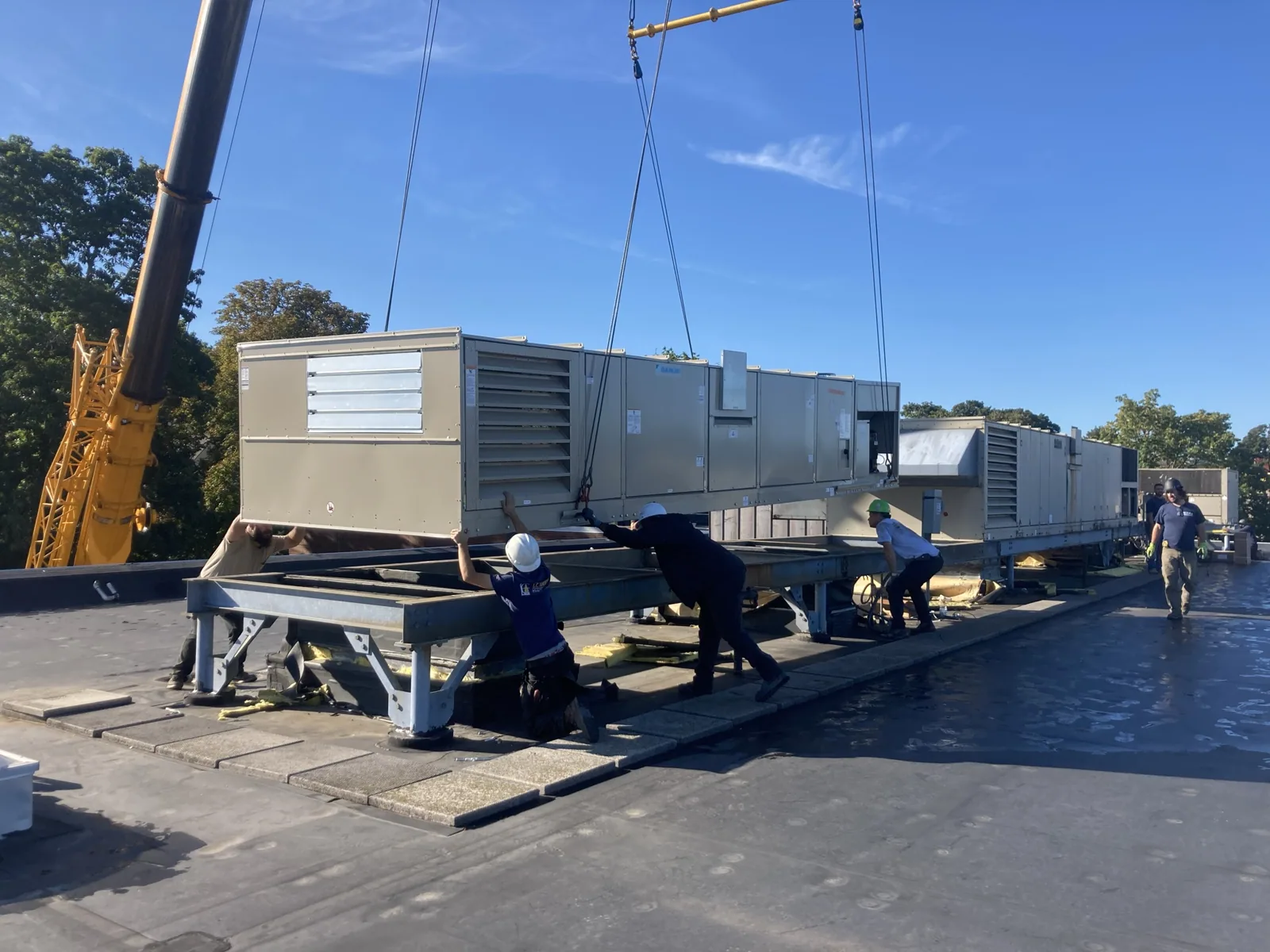
For a commercial property, map any active tenants, customer routes, rooftop equipment, and access restrictions to the work zone. We label photos with a roof-zone reference and include a wider view so the asset manager can locate the detail later. A commercial roof inspection can document the assembly and visible conditions. Owners coordinating Avanti South with Fox Field Industrial Corridor can compare priorities using a shared format while keeping each property's photographs and repair history separate. For an occupied property, the intake record should name the room or operation below the reported leak, the first date noticed, and any recent equipment service. That detail helps the inspector compare the symptom with the right curb, penetration, or drainage path. If one owner coordinates several buildings, use a common report format for status and next action, then keep each roof map and approval record attached to its own property.
Trace movement at seams and penetrations
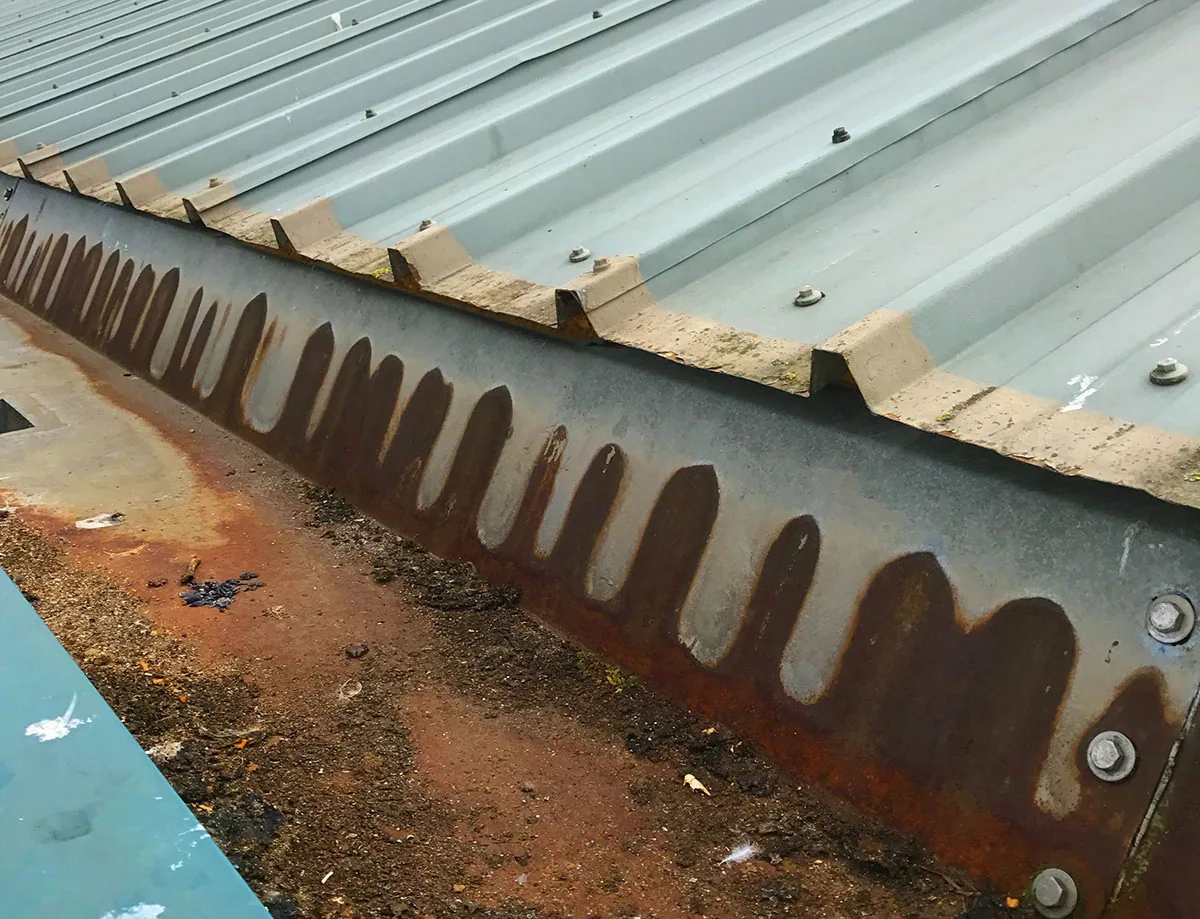
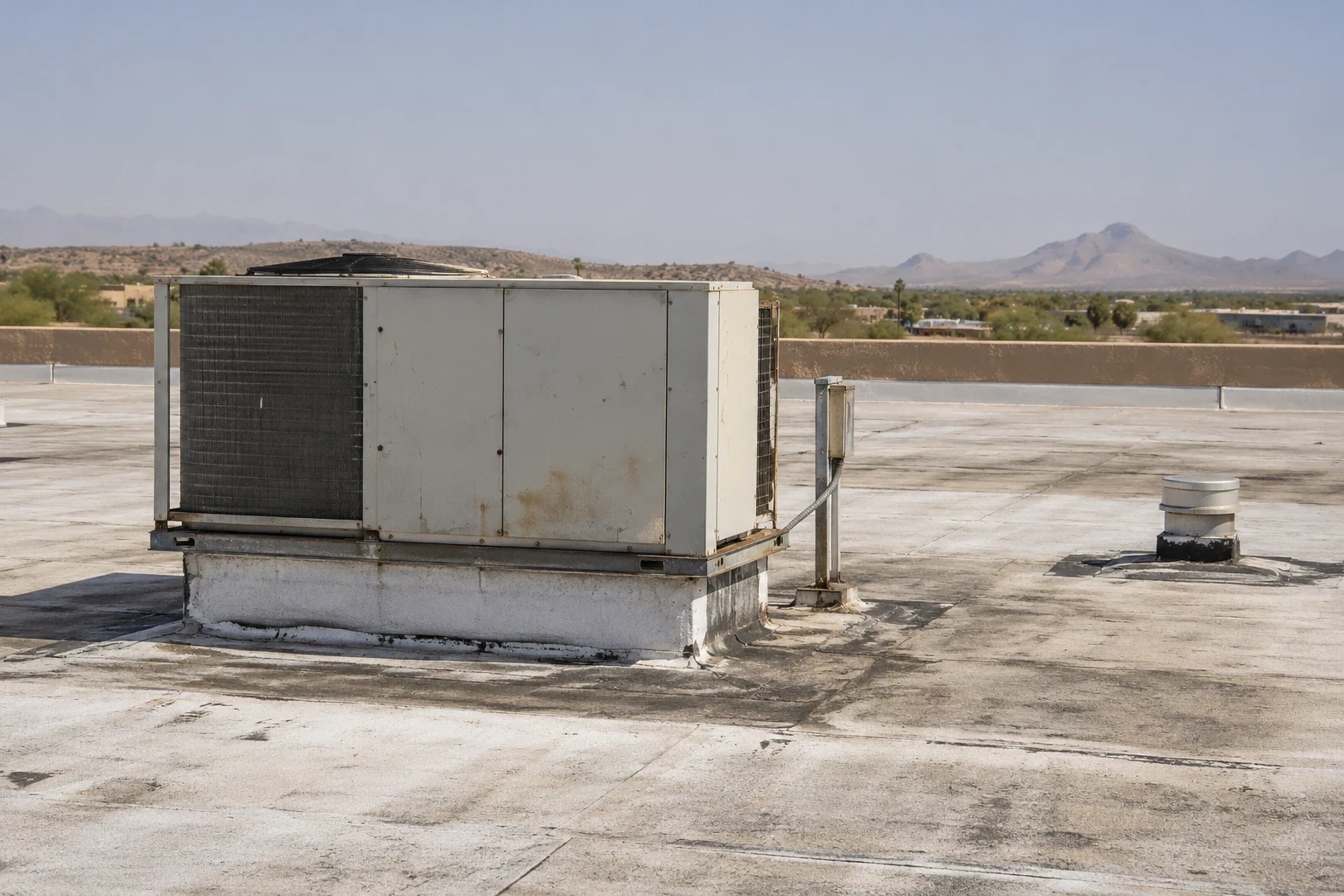
Roof materials change dimension as temperatures shift, and seams, fasteners, and flashings do not all move at the same rate. Inspect field laps, curb corners, pipe boots, edge metal, and patch boundaries for openings or loss of adhesion. A stain below one area may connect to a seam farther uphill, so compare the interior report with slope and drainage. If an equipment contractor has recently changed a support or curb, check the flashing around that work before treating the membrane field as the only possible leak path.
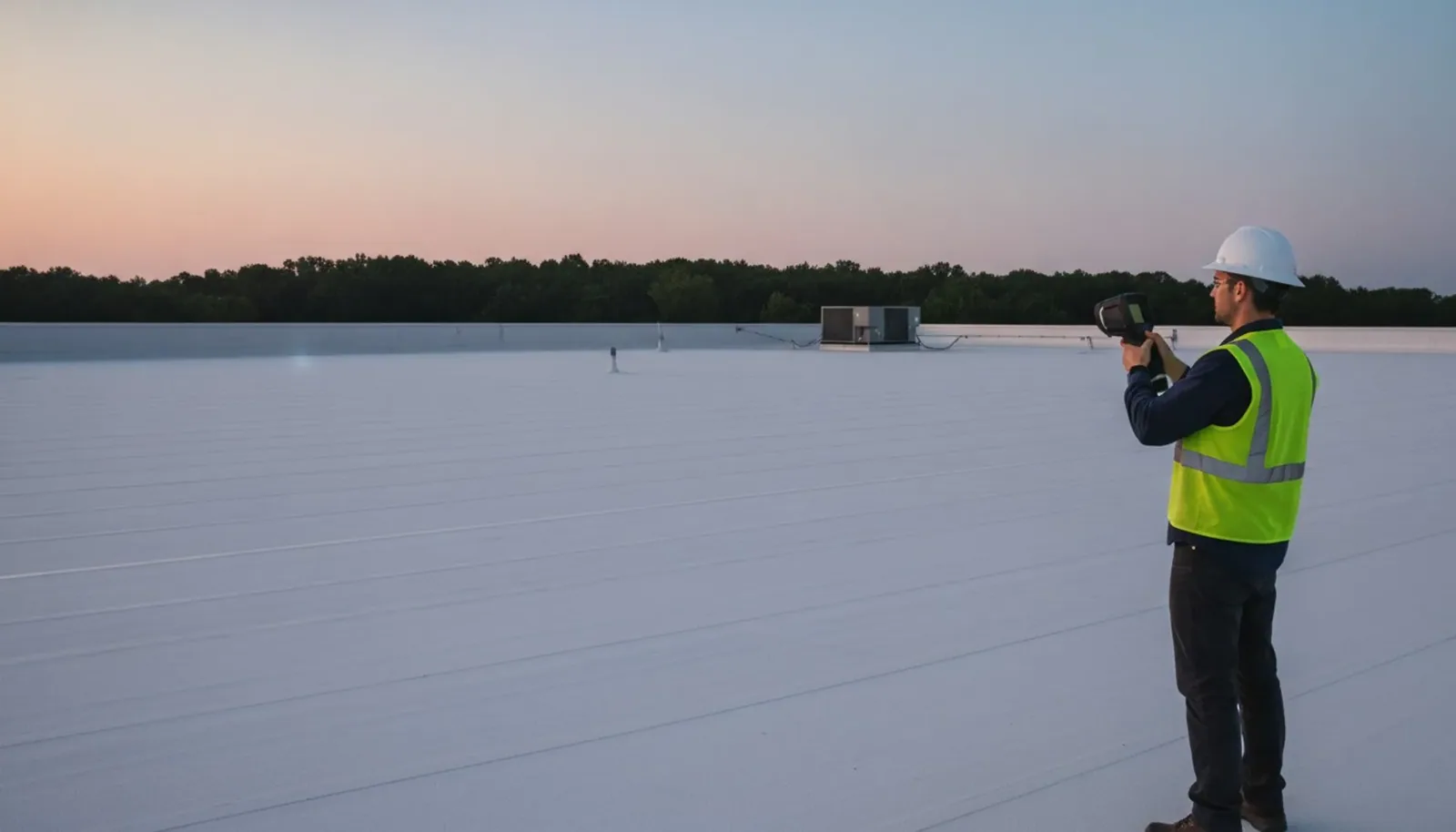
When several locations show moisture or recurring leaks, a survey can help prioritize test openings. Agree on what the test should resolve and how the opening will be closed. An infrared moisture survey can guide test placement; the opened layer still determines the repair method. A seam or flashing defect may need a seam repair or a curb detail repair, but only after the receiving surface and surrounding material are checked. Record any concealed wet insulation or deck condition before expanding the work.
Choose a repair boundary the owner can approve
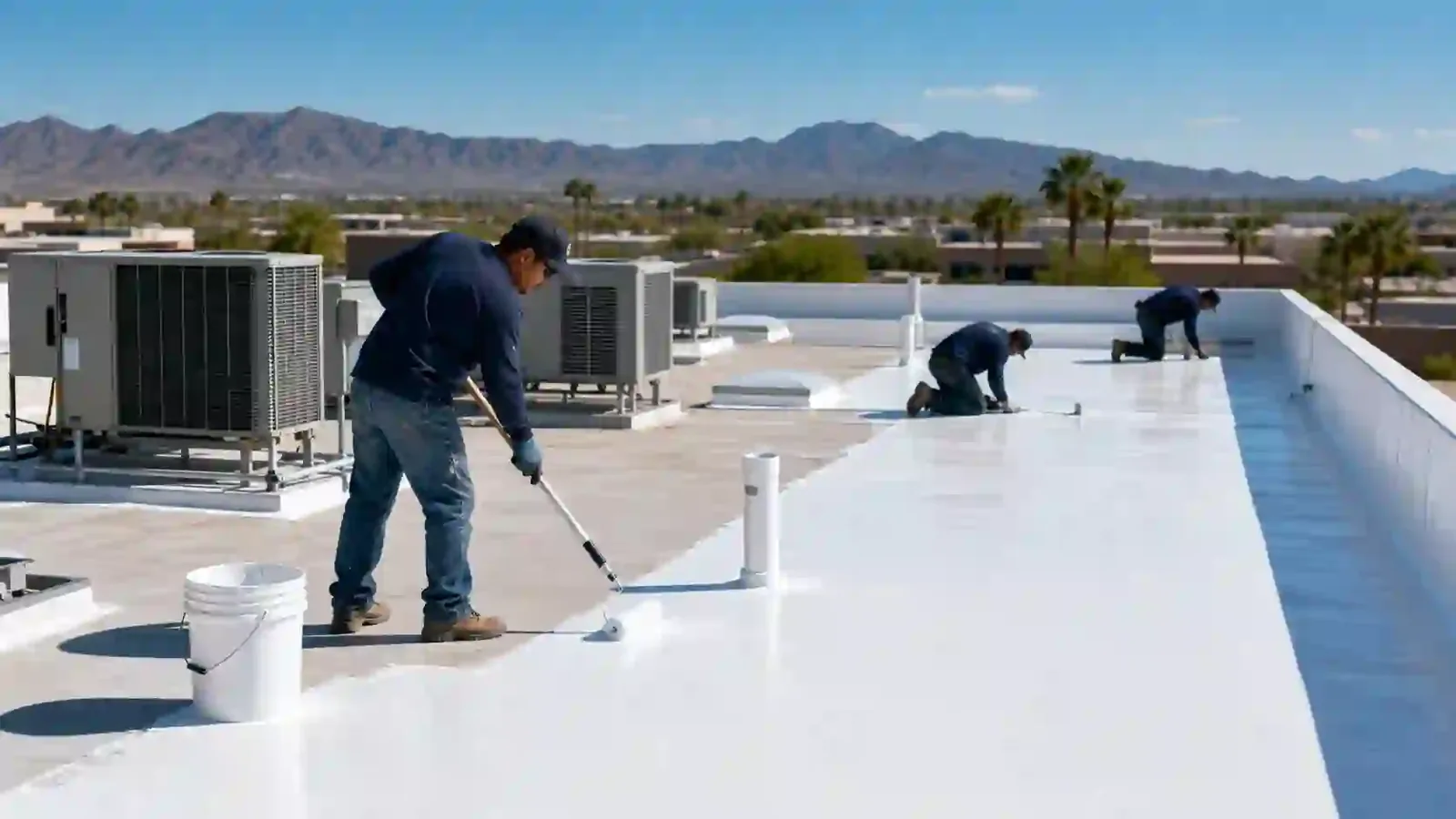
A useful proposal names the roof zone, preparation, materials, tie-in, and stop point. For a small puncture or open seam, repair can fit when the surrounding surface remains attached and the substrate is sound. Coating or recover work calls for review of moisture, adhesion, drainage, perimeter attachment, and added height. Replacement may deserve comparison when repeated repairs cross separate zones or when earlier layers hide a reliable tie-in. We describe the evidence behind each option and the finding that would change the recommendation.
Avanti South’s planned commercial area sits alongside residential, school, fire-service, park, and open-space uses, so a property manager should confirm the active site conditions and permissions for deliveries or temporary closures. Cost can change with access, the amount of removal, interior protection, material compatibility, and the time needed to secure the roof each day. A commercial repair scope can address a defined failure; a replacement review can compare a larger project before recurring patches accumulate. Keep a record of approvals when concealed conditions alter the quantity. If a coating or recover is under consideration, confirm the existing system, moisture condition, drain height, edge attachment, and compatibility of the new material before comparing price. A lower initial scope can become costly if it covers wet board or leaves an unreliable termination. State which test or removal would settle that question, who approves the added work, and how the exposed section will be secured if weather interrupts. That gives the asset manager a clear decision point before the crew opens a larger area.
Schedule roof checks through the heat cycle
Use the local heat record to plan follow-up on exposed details. In a typical July at Lancaster’s Fox Field station, all 31 daily highs reach at least 90°F; August’s normal high is 97.8°F. On a planned commercial district, those figures are a reason to recheck patch edges, sealant joints, and metal terminations after the hottest stretch, not a prediction that any one roof has failed. Compare each detail with its own prior photograph, especially where newer work meets an older surface or equipment support.
The annual precipitation normal for Lancaster is 6.81 inches, and the usual rain season runs mainly from November to March. Before the first wet period, clear drains and scuppers, inspect overflow routes, and confirm temporary protection remains attached. A drainage review can document the path, and a maintenance program can track repairs over time. For related industrial priorities elsewhere in Lancaster, the North Lancaster Industrial Center has its own property records and work constraints.
Commercial Roofing Questions
Does Avanti South refer to one commercial property?
No. It is a 307-acre plan area with multiple planned uses, including commercial space, housing, parks, a school site, and a fire station. We confirm the specific property and roof before preparing a scope.
What should be checked around rooftop equipment?
Inspect the curb corners, pipe and conduit boots, membrane tie-in, supports, and any flashing disturbed during service. Confirm who controls equipment shutdown and access before testing or removal begins.
How can an owner distinguish a local repair from broader work?
The report should identify the affected zone, condition of the receiving surface, moisture findings, and limits of the inspection. Those details show whether a patch is supported or whether the assembly needs further testing or replacement comparison.
Can roof work be coordinated with an occupied property?
Yes, when the sequence accounts for roof access, deliveries, interior protection, and any active use below. We agree on the work area and secure stop with the property contact before opening a section.
What belongs in a summer roof maintenance record?
Record exposed seams, sealant condition, edge attachment, equipment transitions, drains, and any movement at prior repairs. Label each photograph by roof zone so a later inspection can compare the same details.
How do you handle a scope change after removal starts?
If removal exposes wet insulation, a deteriorated deck, or a hidden layer that cannot take the planned tie-in, we document the finding and pause at the approved boundary. The owner receives photographs, the proposed next step, and any schedule effect before additional work proceeds. The original and revised scopes stay together in the closeout record.