A water mark near a resident room or dining area can raise an immediate question about room access, protection, and the roof above it. Senior living buildings need a diagnosis that connects the indoor report with the membrane, drains, wall transitions, and equipment details overhead. We document the affected zone, check the likely water path, and state what the inspection confirms before proposing a repair. The work plan accounts for occupied spaces, staff routines, and any access restrictions the facility identifies.

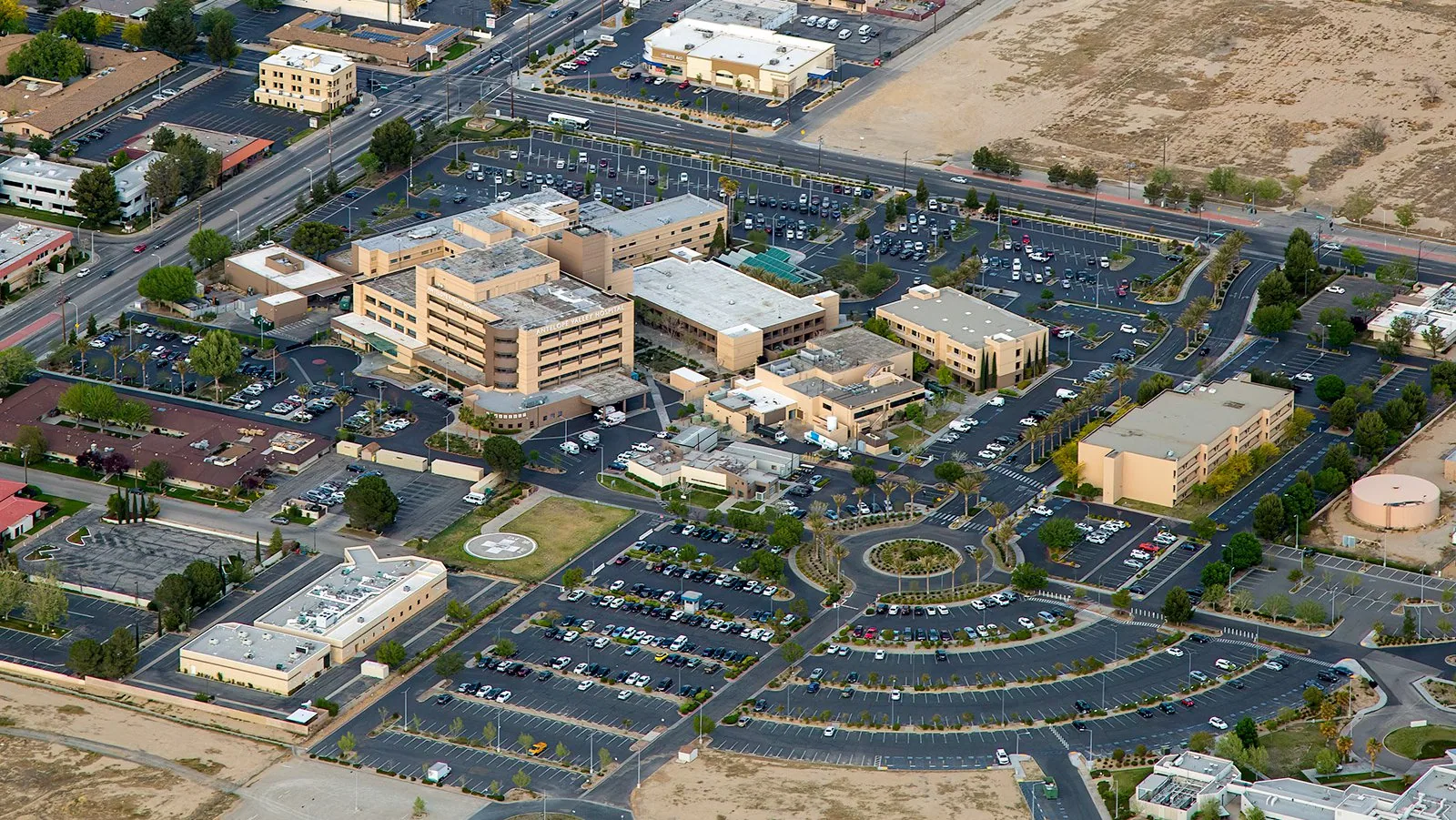
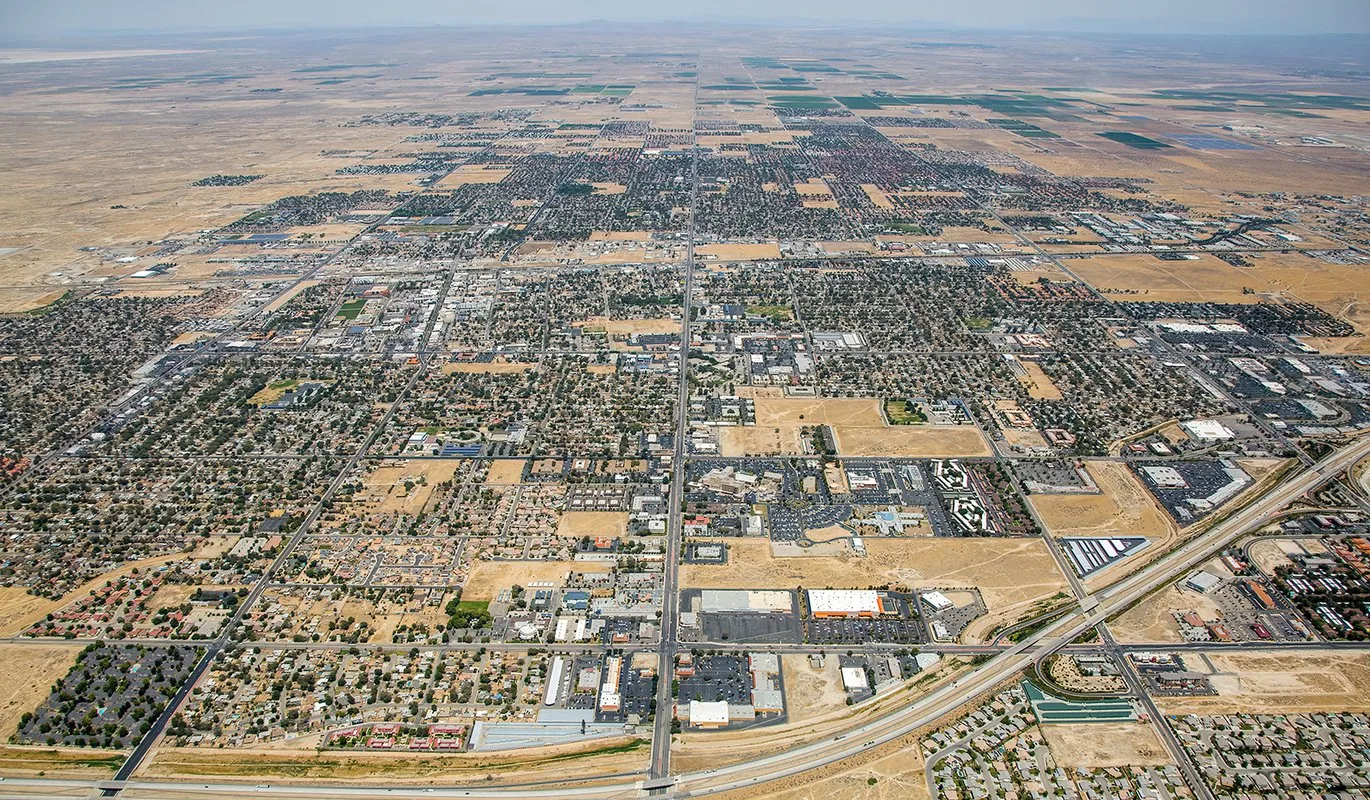
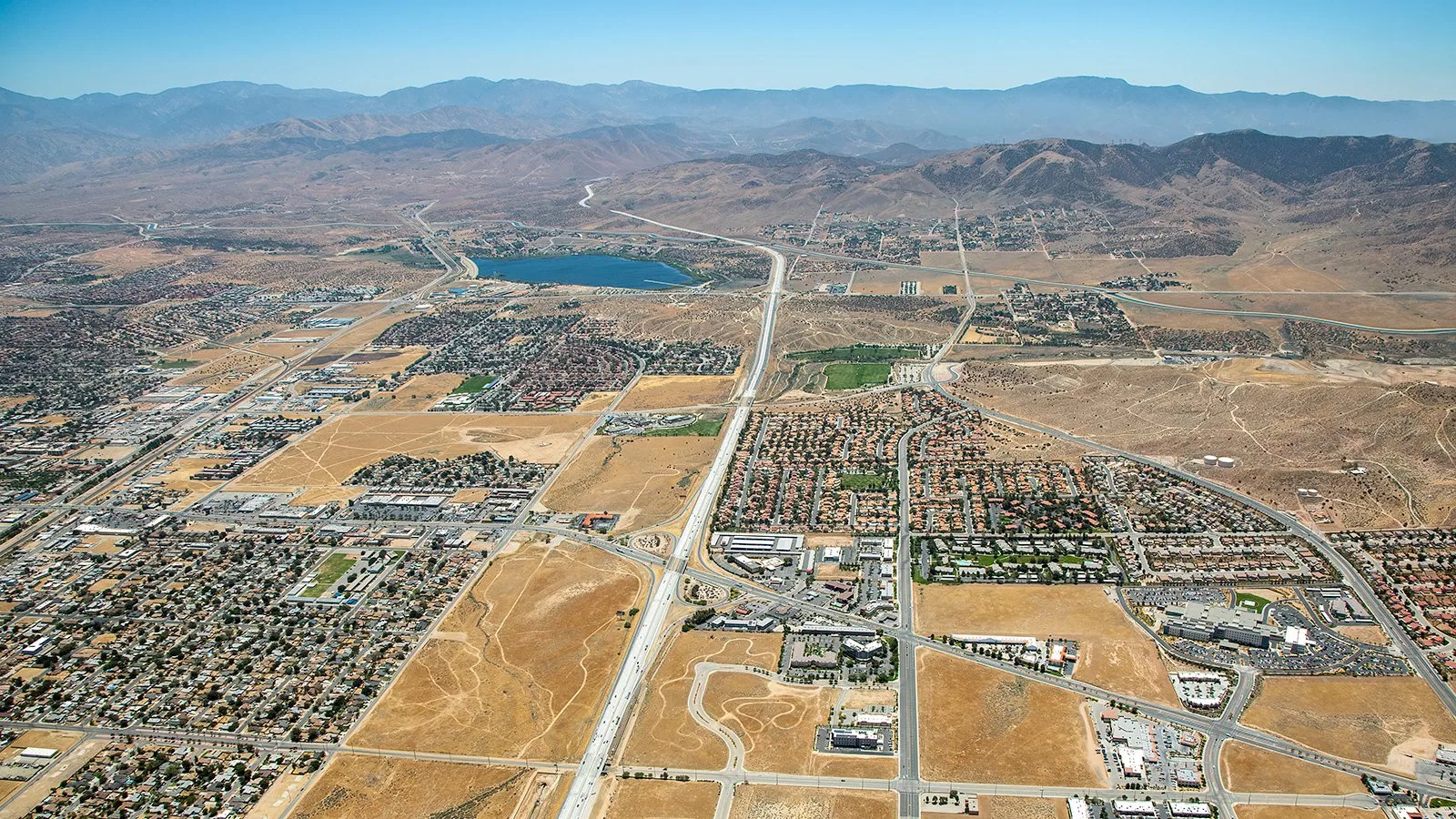
The Lancaster Health District surrounds Antelope Valley Hospital and allows medical offices with supporting commercial uses. The Amargosa Creek Planning Area also includes major medical, office, and retail uses. Those local settings are context; each community still needs its own roof map and access plan, based on the building's assembly and the care activity beneath it.
Locate the Roof Condition Behind a Resident Report
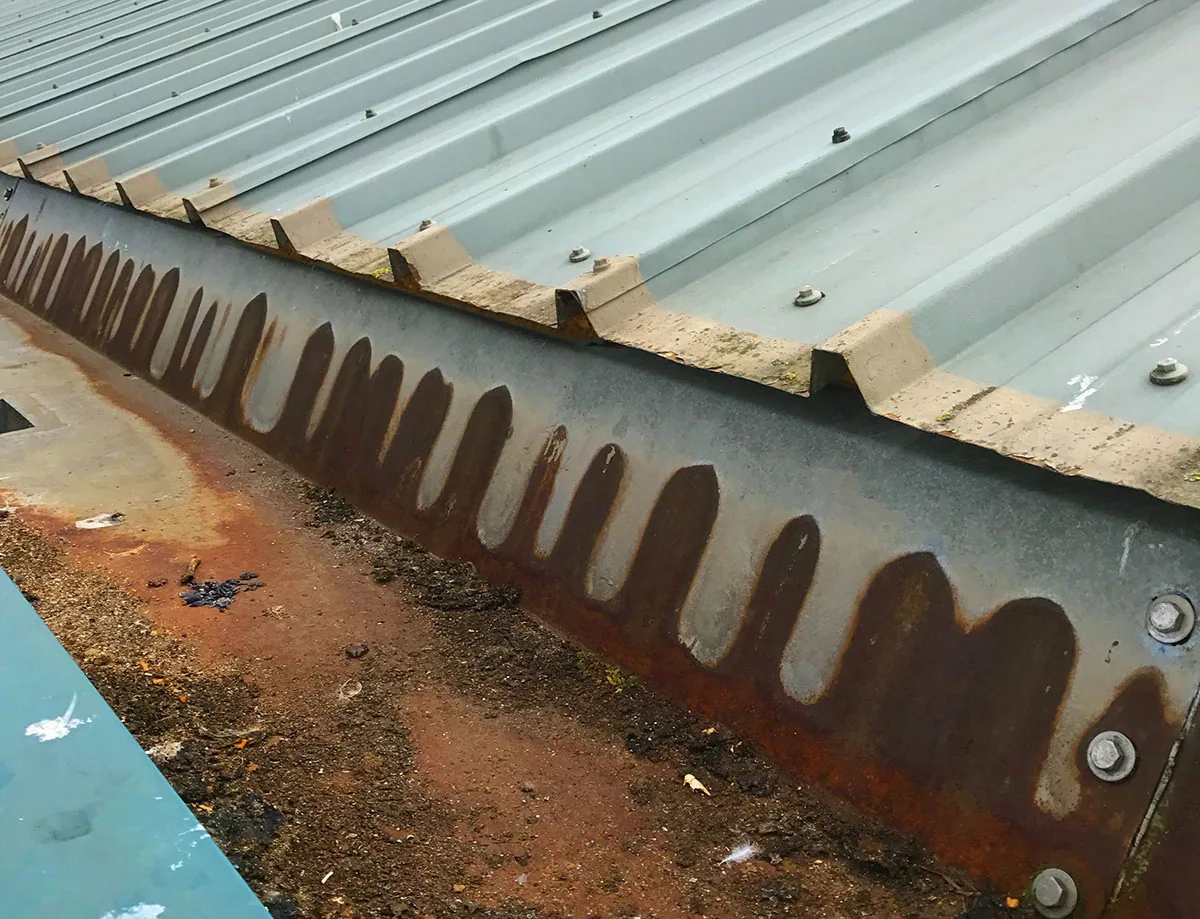
Water can move across a deck or insulation joint before it appears on a ceiling, so a room location alone does not identify the opening. We compare the report date, weather, room use, and any nearby mechanical service with the roof layout. The inspection checks seams, curb corners, plumbing vents, perimeter transitions, drains, and previous patches. If several paths remain possible, selective testing can show whether moisture exists below the visible surface and where the repair boundary should sit.
The condition record separates confirmed findings from areas that could not be opened or reached. Staff can use the photographs and roof-zone reference to coordinate a later visit without repeating every step. A commercial roof inspection documents the wider assembly; leak repair can address a verified entry point. Neither action should be described as resolving an interior condition that was not checked.
Check Equipment and Penetrations Serving the Building
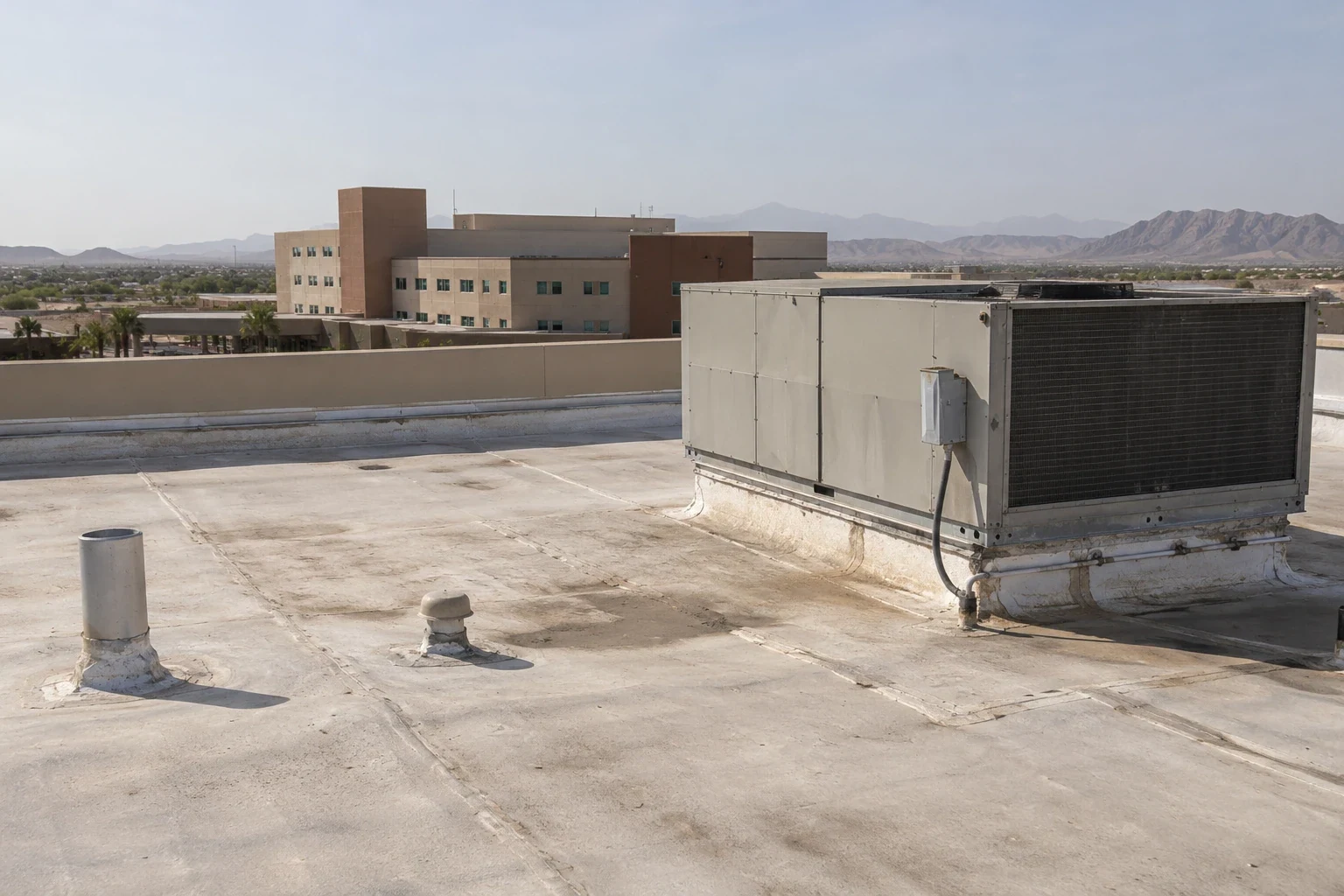
Heating, cooling, kitchen exhaust, and laundry equipment each place different demands on a roof detail. A unit replacement can leave a curb taller or wider than the previous flashing, while service traffic can displace walkway pads and expose the membrane to repeated contact. We inspect the actual curb, support, boot, and adjacent seams, then note whether a mechanical contractor needs to restore an opening after equipment work. That coordination helps prevent a new roof repair from being disturbed during the next service call.
Lancaster's summer heat gives exposed details recurring expansion cycles. William J. Fox Field's climate normals show an August average high of 97.8°F and a July pattern with high temperatures at or above 90°F every day. Those temperatures do not prove a failure, but they help explain why aged sealant, patches, and unsupported corners deserve a close look. The report connects any visible movement to its location and surrounding roof condition.
Protect Occupied Areas During the Work
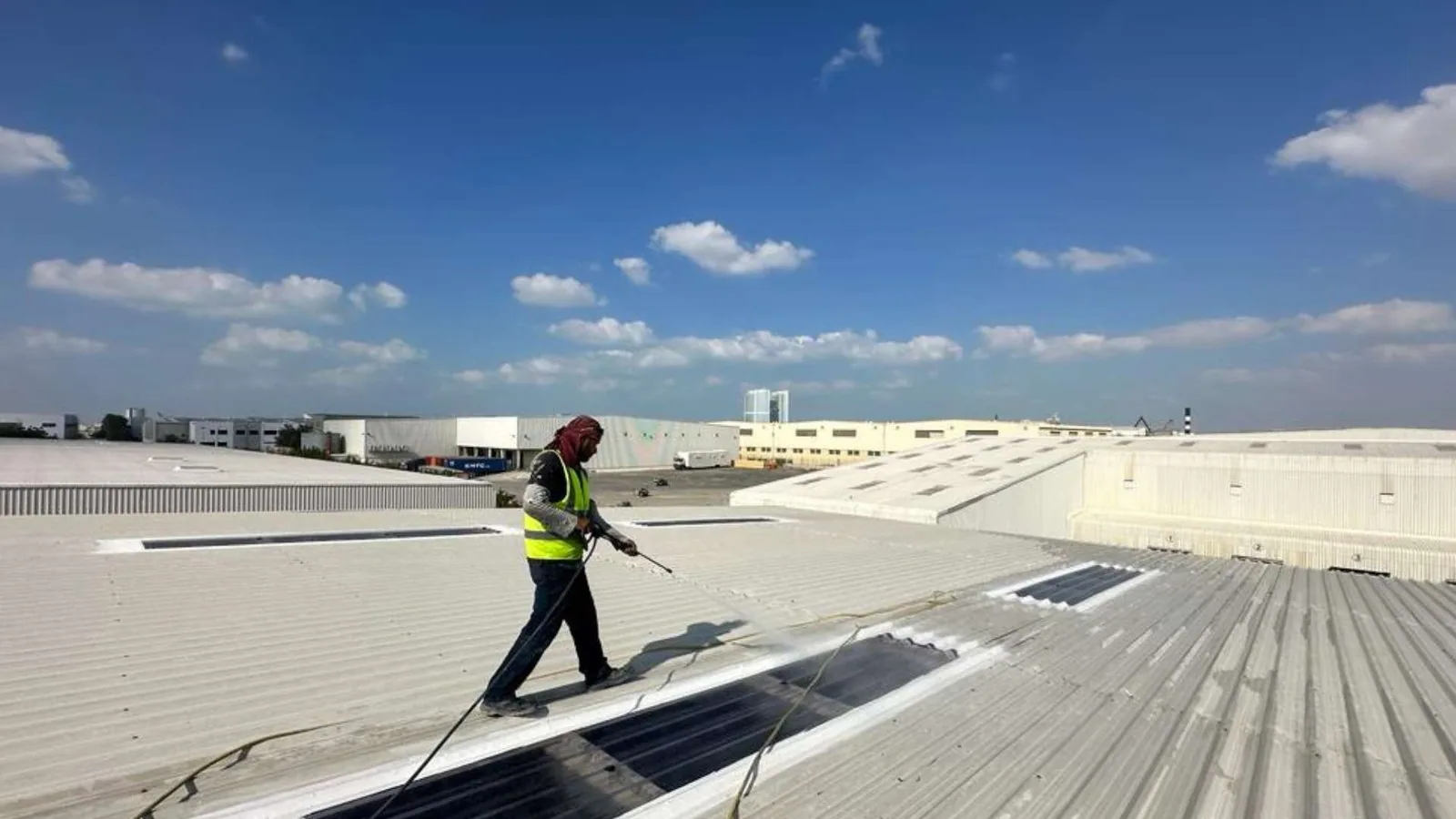
Work above resident rooms, dining spaces, therapy areas, or common corridors should be planned with the facility contact. Before mobilizing, we establish roof access, material staging, protection below the work, and any temporary restrictions. If an interior inspection or test opening is necessary, the scope identifies the room and the access needed so staff can arrange an appropriate window. No crew should assume that an occupied area can be entered or closed without coordination.
Care campuses may have multiple buildings with distinct roof ages, equipment, and drainage routes. We map those sections independently and sequence work to limit simultaneous disruption. An hospital roof assessment can involve clinical operations; a multifamily roof plan may prioritize unit notices. Senior living adds resident routines and staff response, so the schedule should reflect the actual facility, not a generic occupied-building calendar.
Review Outlets Before Seasonal Rain
A drain or scupper that cannot carry runoff may leave water near a seam, curb, or wall transition. We inspect the outlet opening, strainer, bowl, overflow route, surrounding membrane, and visible slope. Where water has ponded, the record notes its location and whether the condition appears related to blockage, low slope, or a failed detail. Clearing debris and correcting a damaged drain are different scopes, and the inspection should distinguish them.
The climate normals total 6.81 inches of rain over a full year at Fox Field; its wet-season window runs from November into March. A long dry spell can leave debris at outlets before a concentrated rain event. Drain and scupper repair can address a confirmed defect, while follow-up after rainfall may show whether runoff moves as intended. Facility staff receive the outlet locations and any remaining access or monitoring needs.
Choose a Repair That Fits the Verified Condition
A localized flashing or seam repair may be suitable when the surrounding membrane and substrate remain sound. If testing finds moisture extending beyond the visible leak, the work should reach the confirmed boundary and replace compromised material. A recover can be considered only after attachment, moisture, and layer conditions are evaluated. Broader replacement may make sense when defects recur across multiple sections or deck concerns change the scope. The proposal shows why each option fits the evidence.
Phased work can keep unaffected wings available while a defined zone is repaired, provided temporary transitions remain protected. A replacement assessment can compare lifecycle and sequencing options; planned maintenance can keep drains and exposed transitions on a recurring inspection list. The facility receives a record of tested areas, repair assumptions, and conditions that could change once an assembly is opened.
Maintain a Roof Record Staff Can Use
Closeout information should identify the building, roof zone, materials installed, photographs, drainage observations, and any area outside the completed scope. That record helps facilities staff connect later reports with prior work and decide whether a new inspection is warranted. We also note equipment changes, service routes, and protection requirements for other trades. If a roof section should be monitored, the report states which visible change would trigger a return review.
Recurring heat and seasonal rain place different stresses on the same assembly, while resident needs make timing part of the decision. A current roof map and leak log let the administrator compare conditions across buildings before setting a reserve. When repeated leaks or movement need review, send the existing inspection reports and maintenance records for a focused assessment. The next step can then follow a documented condition rather than a generic roof age alone. A project-level record helps staff coordinate future roof activity.
Commercial Roofing Questions
Can roof work be phased in an occupied senior living community?
Yes, when the roof zones, resident routes, protection needs, and staff schedule support separate work areas. The plan should specify access and any temporary limits before the crew arrives.
What if a ceiling stain appears far from a roof drain?
Water may travel through the assembly or along framing before it appears indoors. We inspect likely roof paths and use testing when needed to distinguish the entry point from the visible symptom.
Should staff move residents before a roof inspection?
Only if the facility's own safety and access plan calls for it. We coordinate any interior entry or temporary restriction with the facility contact and identify the affected room or common space in advance.
How does a facility know whether insulation is wet?
A stain can indicate water but does not reveal the full boundary. Roof-side inspection and selected test cuts can confirm the layers at sampled points; the report identifies what was tested.
When is a roof replacement more appropriate than repair?
Compare the extent of confirmed moisture, recurring failures, substrate condition, and the state of the remaining assembly. The inspection record should support the repair boundary and show where further testing may change the choice.