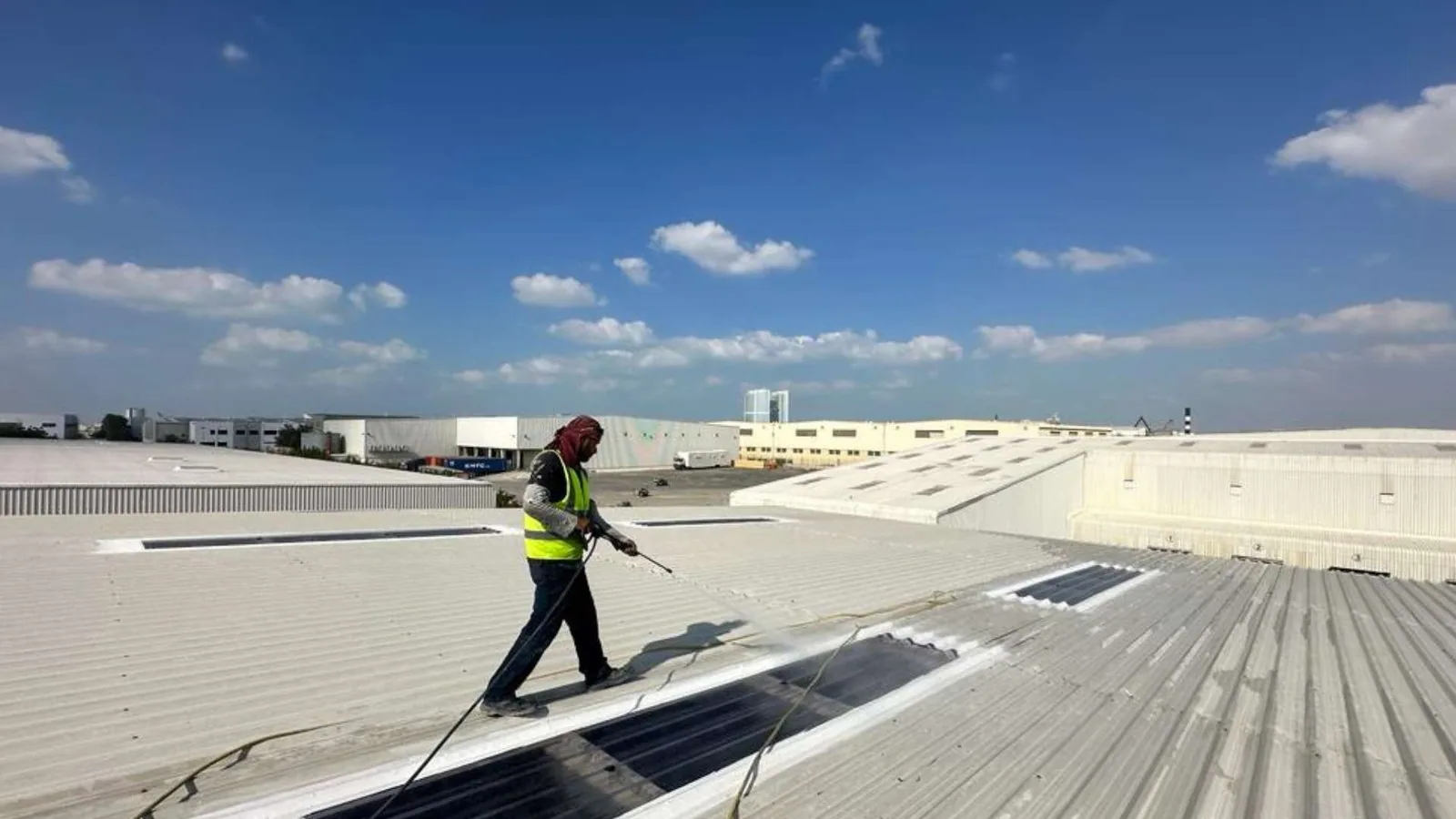
A wet spot in a locker room, studio, or weight area can disrupt different parts of a fitness facility, even when the roof defect sits over another room. We compare the report with the roof plan and inspect the details most likely to carry water: seams, equipment curbs, drains, and wall transitions. The assessment identifies what is confirmed, whether testing is needed, and which spaces may require protection. Scheduling also needs to account for classes, member access, and cleaning routines.

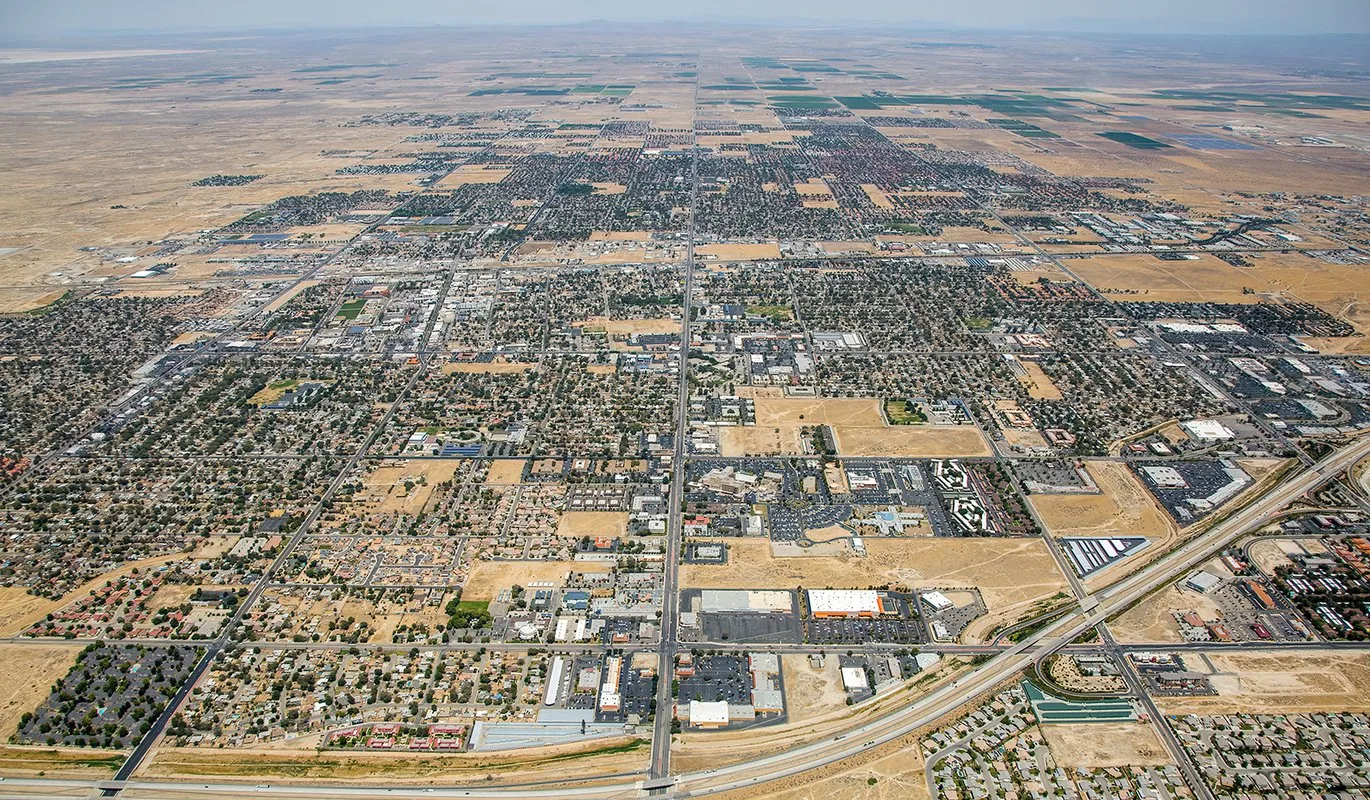
Lancaster's Amargosa Creek Planning Area includes office, retail, and major medical uses, and the city's broader commercial inventory includes the Enterprise Business Park. A gym's roof layout may span a large open exercise room, lower changing areas, and equipment space. We document those sections separately before proposing a repair boundary.
Relate Indoor Conditions to the Roof
A ceiling tile or wall mark does not reveal how far moisture has traveled. We record where staff first noticed it, whether it followed rain or equipment operation, and any room conditions such as high humidity or recent cleaning. On the roof, the inspection checks membrane laps, penetrations, equipment supports, drains, and previous repair edges. If the entry point remains uncertain, testing can show whether water is present below the surface at selected locations.
Gym operations depend on usable floors and clear circulation. The report identifies any room below a test area, the protection needed, and the zones that were not opened. A commercial roof inspection can set a broader baseline; a leak repair assessment can focus on a verified opening. Staff can use the findings to plan the work without treating every indoor moisture complaint as a roof leak.
Inspect Ventilation and Roof-Mounted Equipment
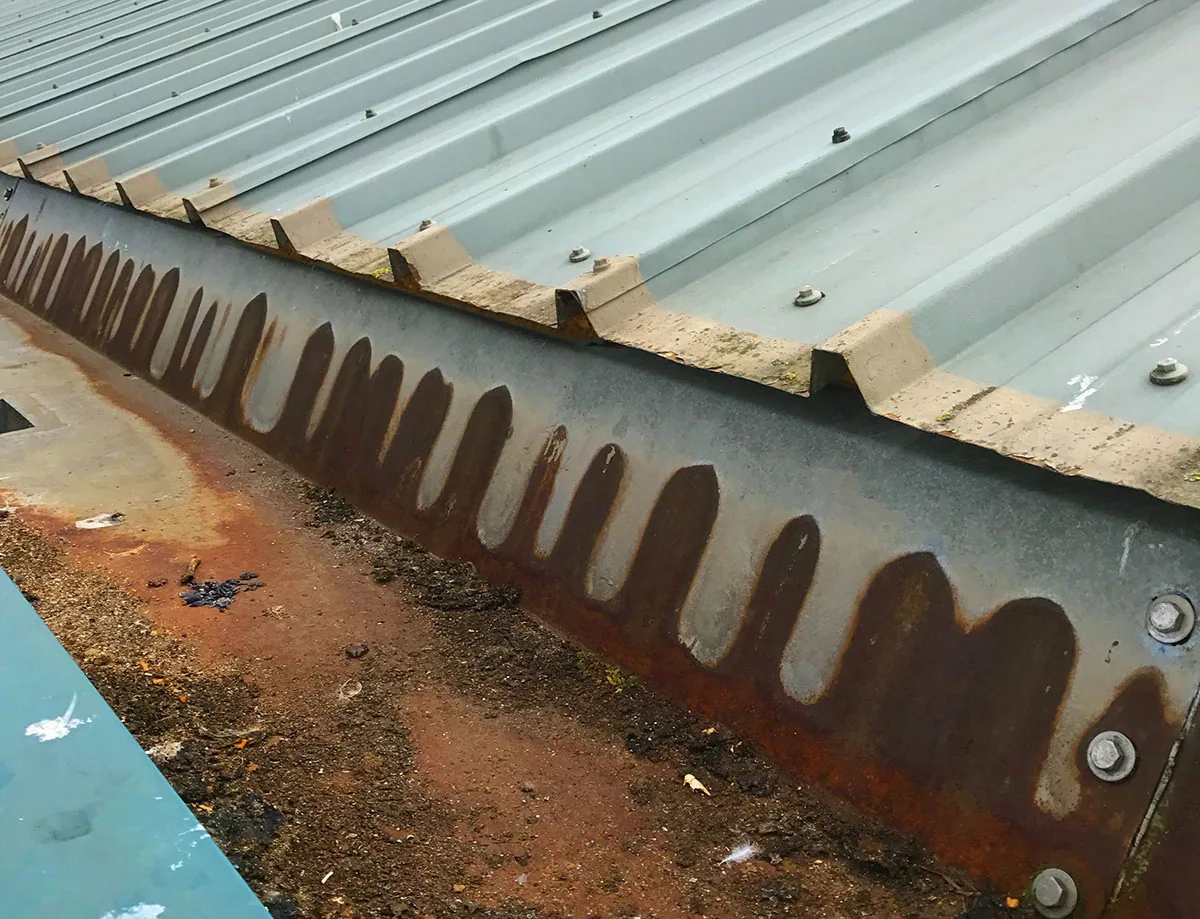
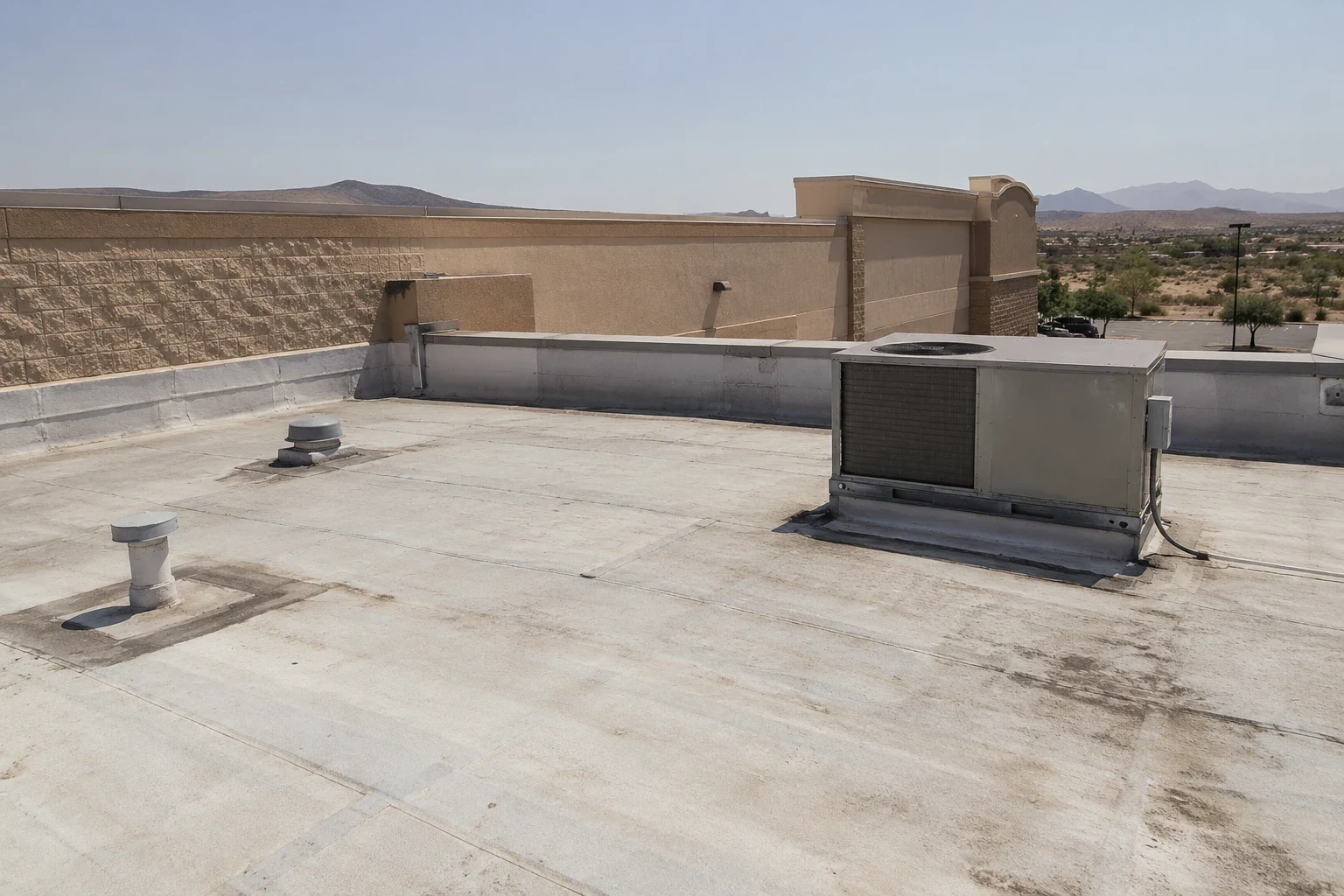
Fitness centers often rely on substantial heating, cooling, and ventilation to move air through studios and exercise areas. Rooftop units introduce curbs, piping, and service paths; later equipment changes can alter the original flashing detail. We inspect the curb corners, nearby seams, fasteners, and any abandoned opening. Where service technicians cross the roof, we also look for displaced walkway protection or contact damage that could grow into a leak.
Changing indoor temperature and humidity can produce condensation on cold surfaces, so the team should compare plumbing or duct conditions with the roof evidence. A moisture mark does not establish the source by itself. We note which roof details were inspected and whether the indoor condition needs a separate building-systems review. That split keeps the repair scope tied to confirmed roofing work. When a pool or shower area sits below the roof, staff can record whether a mark appears after classes, equipment cycles, or rainfall. That timing helps compare indoor humidity and cooling with the roof evidence. The roofing scope should address only the roof condition established by inspection, while other building-system questions remain clearly identified in the final report.
Schedule Repairs Around Classes and Member Access
Before work begins, the facility contact can identify class schedules, busy hours, child-care operations, and public entrances that should stay open. We plan roof access, lift placement, material delivery, temporary barriers, and interior protection around those conditions. If a test opening is proposed above a studio or locker area, the scope states what room access is needed and what temporary restrictions may apply. Clear timing helps staff update members and instructors.
Some gyms operate inside a retail center or share parking and loading with adjacent businesses. A shopping-center roof review may address shared circulation, while a gym's scope also considers sound-sensitive classes, fitness equipment, and changing areas. A facility with prepared-food service may need the separate grocery roof review for refrigeration and food-protection details. Each facility type gets a sequence tied to its own operations.
Check Runoff Above Large Open Rooms
A large exercise room may sit below a broad roof field with long drainage runs and several outlets. We inspect drain bowls, scuppers, overflow routes, low points, and the transitions that redirect water toward an outlet. If ponding is present, the record notes its location and whether debris, slope, or a damaged detail may be involved. A repair should follow the confirmed condition; clearing a drain does not correct a membrane separation or failed curb.
Fox Field's normal precipitation total is 6.81 inches for a year, with most of the wet period falling between November and March. Before winter storms, maintenance staff can check that roof outlets remain accessible and unobstructed. Drain and scupper service can correct a documented outlet problem. After work, the facility should know whether a follow-up during rainfall is recommended to confirm the discharge path.
Separate Local Repair from Roof-Wide Work
A contained seam or curb repair may restore service when nearby materials and the substrate remain sound. If testing finds moisture extending beneath a larger part of the exercise room, the scope should include the confirmed wet area and the transition back to dry material. Recover requires a review of existing layers and attachment. Replacement may be considered when repeated leaks or material breakdown extend across multiple zones. The report gives the facility a basis for comparing these choices.
Capital planning may need to consider class schedules and equipment relocation as well as roof condition. A cover-board and insulation review can help evaluate assembly layers; replacement planning can define a larger phased scope. Regular maintenance visits can inspect drains and equipment interfaces between capital projects. All recommendations should state what is known and what remains unverified.
Leave Staff a Practical Closeout
The closeout record should show the roof zone, photos, repair materials, tested areas, and the boundary of completed work. For a fitness center, staff can connect that map with the class studio, locker room, or equipment area below. We also note service routes and protection that other contractors should use to avoid damaging the repaired membrane. If a follow-up inspection is recommended, the record gives a timing or condition to watch.
When the facility tracks repeated repairs, managers can distinguish an isolated failure from a pattern across the roof. A current roof plan, leak log, and equipment history give the next assessment a useful starting point. Send those records when a leak returns or water appears in another room. The inspection can then determine whether the new report shares a roof detail or calls for a separate investigation, while class and member schedules remain part of the scope.
Commercial Roofing Questions
Can roofing work be done while the gym stays open?
It may be possible when work zones, entry routes, class schedules, and interior protection are coordinated. The assessment identifies whether a studio or changing area needs a temporary restriction.
Could locker-room humidity cause a ceiling stain?
Condensation can be a possibility, but a stain alone does not identify its source. We compare indoor conditions with roof-side evidence and recommend separate building-systems review where warranted.
What information helps diagnose a recurring gym leak?
Room location, dates, recent weather, HVAC work, roof plans, and prior repair notes can narrow the inspection. The roof conditions still need to be checked before a repair is selected.
Should rooftop fitness equipment be moved for a repair?
Only when the repair area or safe access requires it. The work plan identifies equipment access, contractor coordination, and who is responsible for restoring any disturbed roof detail.
When does a gym roof need a larger capital project?
Broader work merits review when testing, repair history, or substrate findings show that defects extend beyond isolated details. A roof-zone map helps compare repair and replacement scopes.