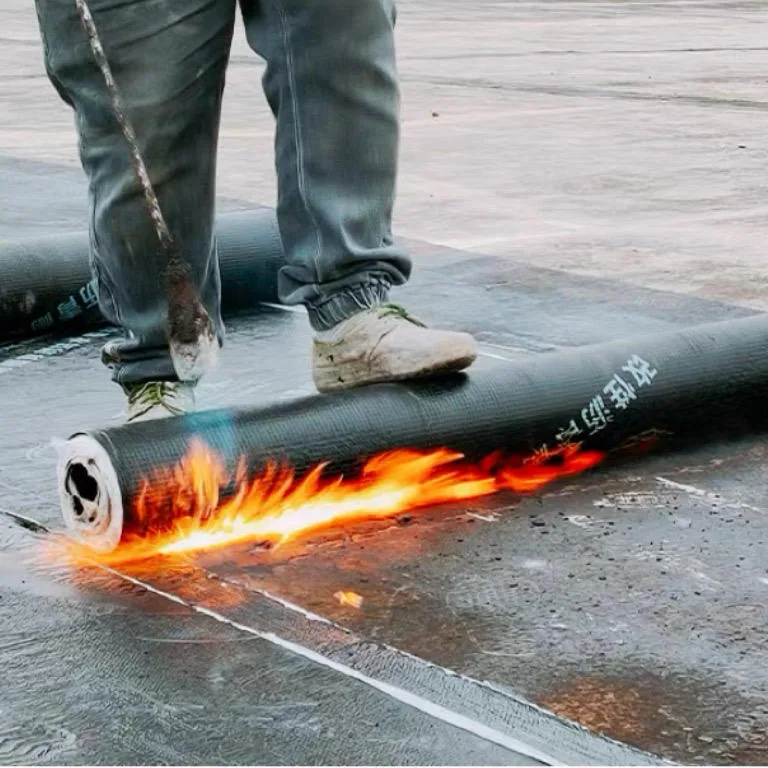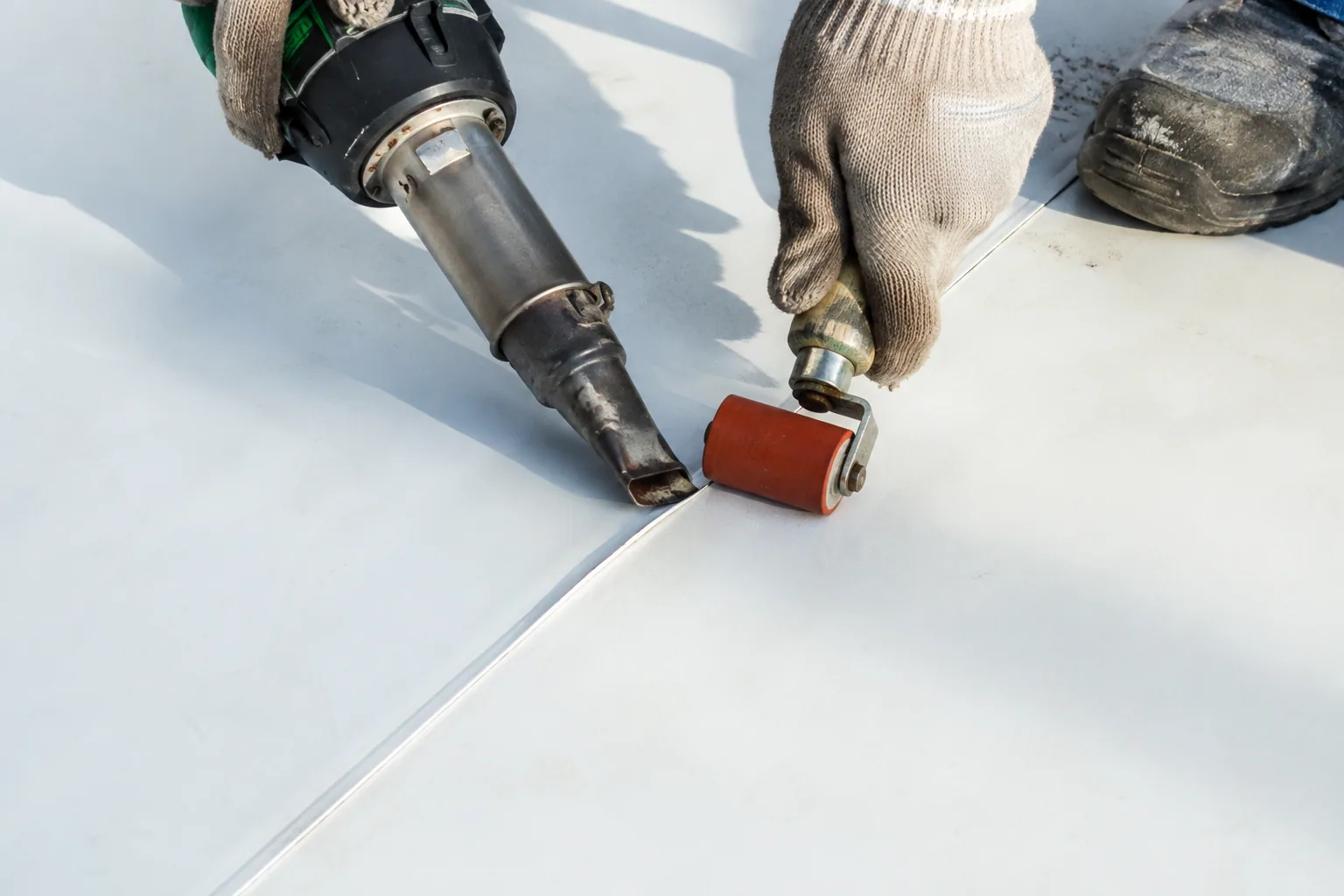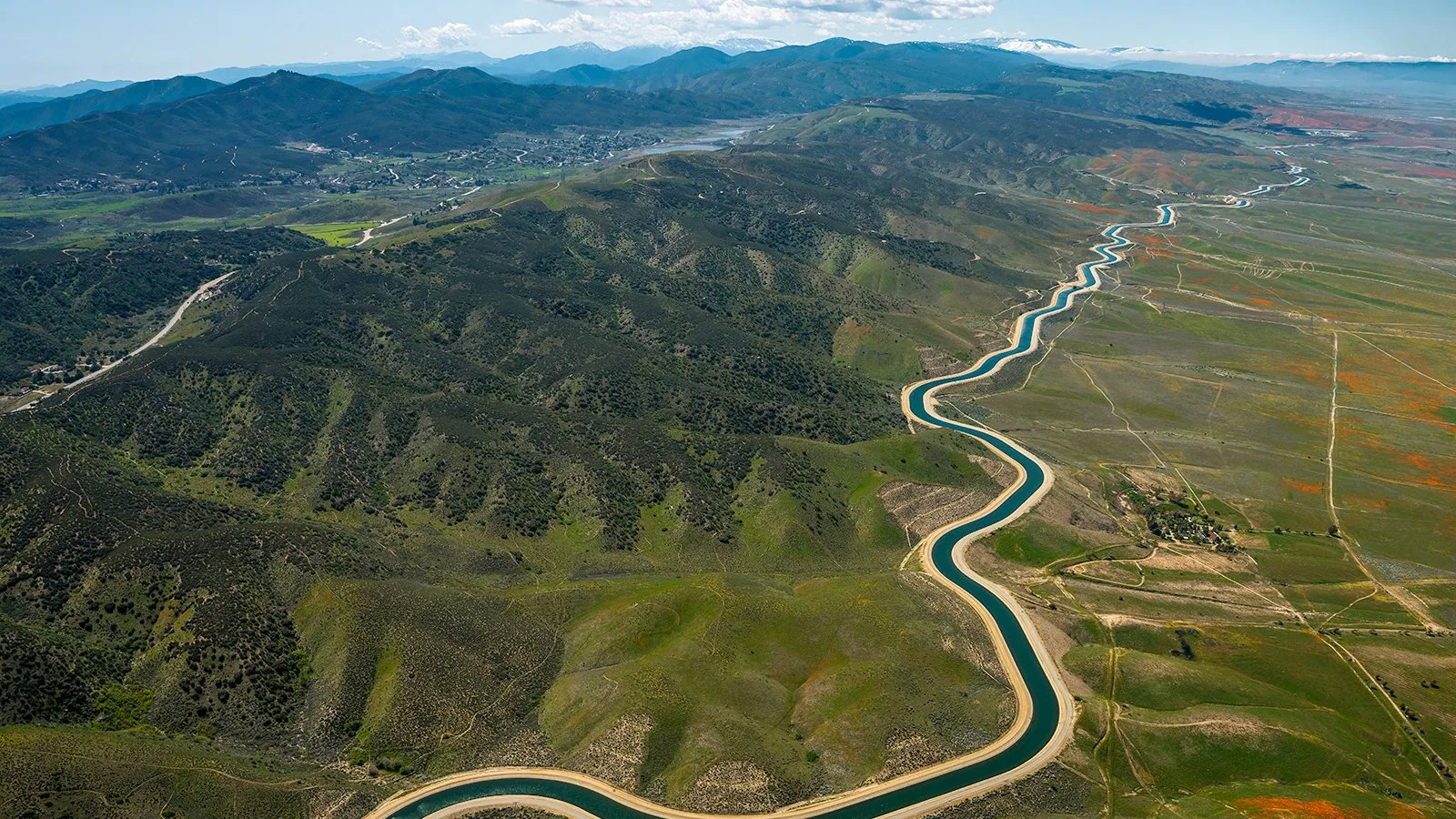
Asphaltic sheet, liquid-applied flashing, and single-ply PVC solve different roof conditions. SOPREMA makes products across those categories, so the first step is identifying the assembly and the defect rather than picking a product from a catalog. We inspect the surface, laps, drainage, penetrations, and substrate, then record which layers can remain. Lancaster's high summer temperatures make exposed seams and flashing transitions worth checking before an overlay hides them.
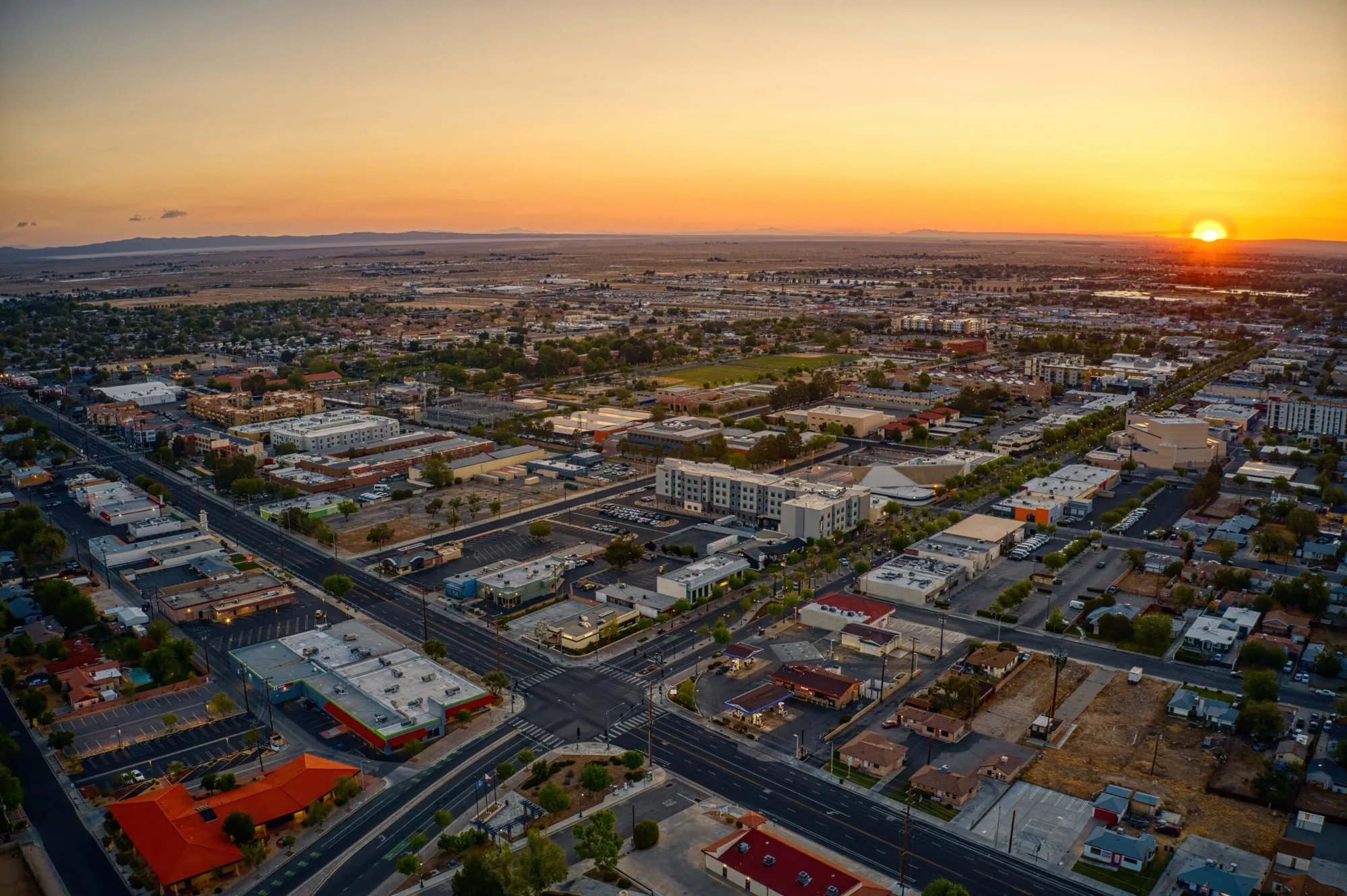
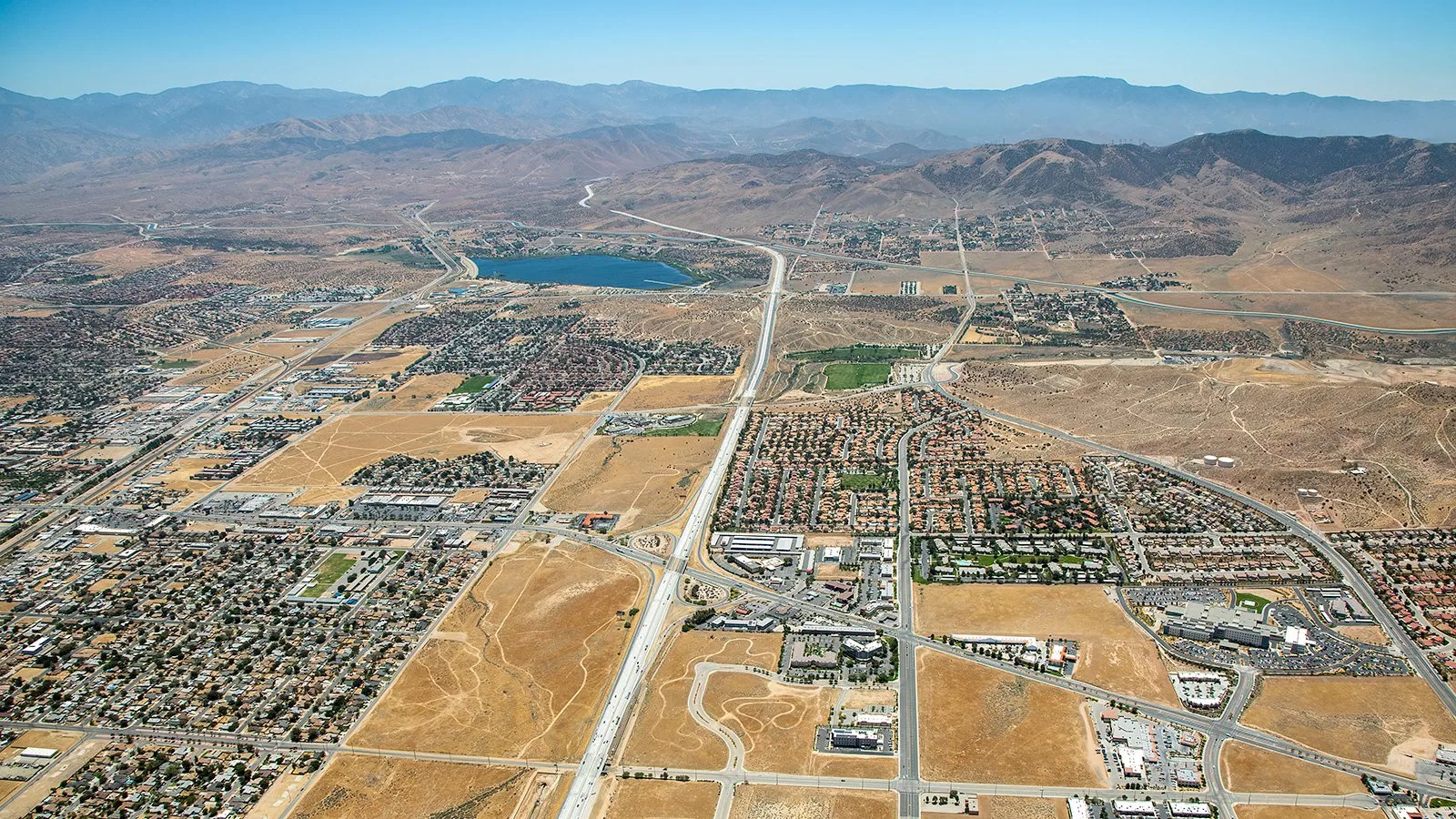
The Lancaster Business Park plan supports manufacturing, wholesaling, research, and professional uses. The Amargosa Creek planning area includes offices, retail, and major medical uses. A roof over those occupancies may need different access coordination and detail review, but the property records and field inspection establish its actual construction. We match SOPREMA product options to that verified scope and the project's installation requirements.
Identify the System Before Choosing a Product
We examine the cap sheet, visible plies, surface treatment, membrane markings, repairs, edge conditions, and roof records. A modified-bitumen roof may have more than one cap sheet or a later coating; an existing PVC membrane follows different seam and flashing methods. If the surface does not identify the underlying layers, a controlled opening can show whether the assembly is dry and attached. The report maps tested points and records any zone that remains inaccessible.
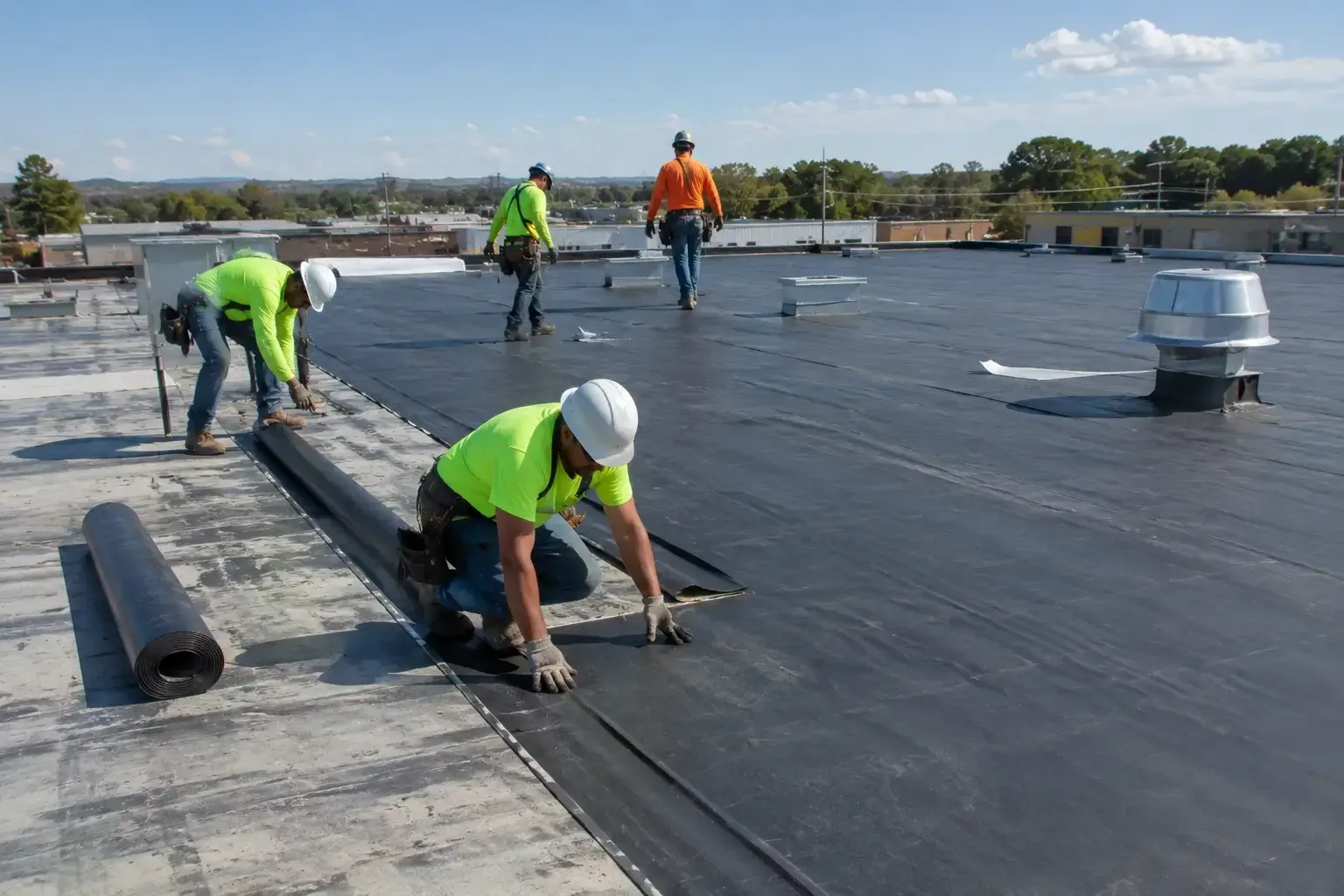
SOPREMA's commercial roofing range includes SBS-modified bitumen membranes, PVC single-ply membranes, and PMMA or PMA liquid-applied products. Those options are not interchangeable. A modified-bitumen roof assessment reviews sheet laps, cap-sheet condition, and multi-ply transitions. A PVC system inspection focuses on heat-welded seams and flashing. We confirm the existing material before specifying compatible work.
Trace Cracks, Blisters, and Open Laps
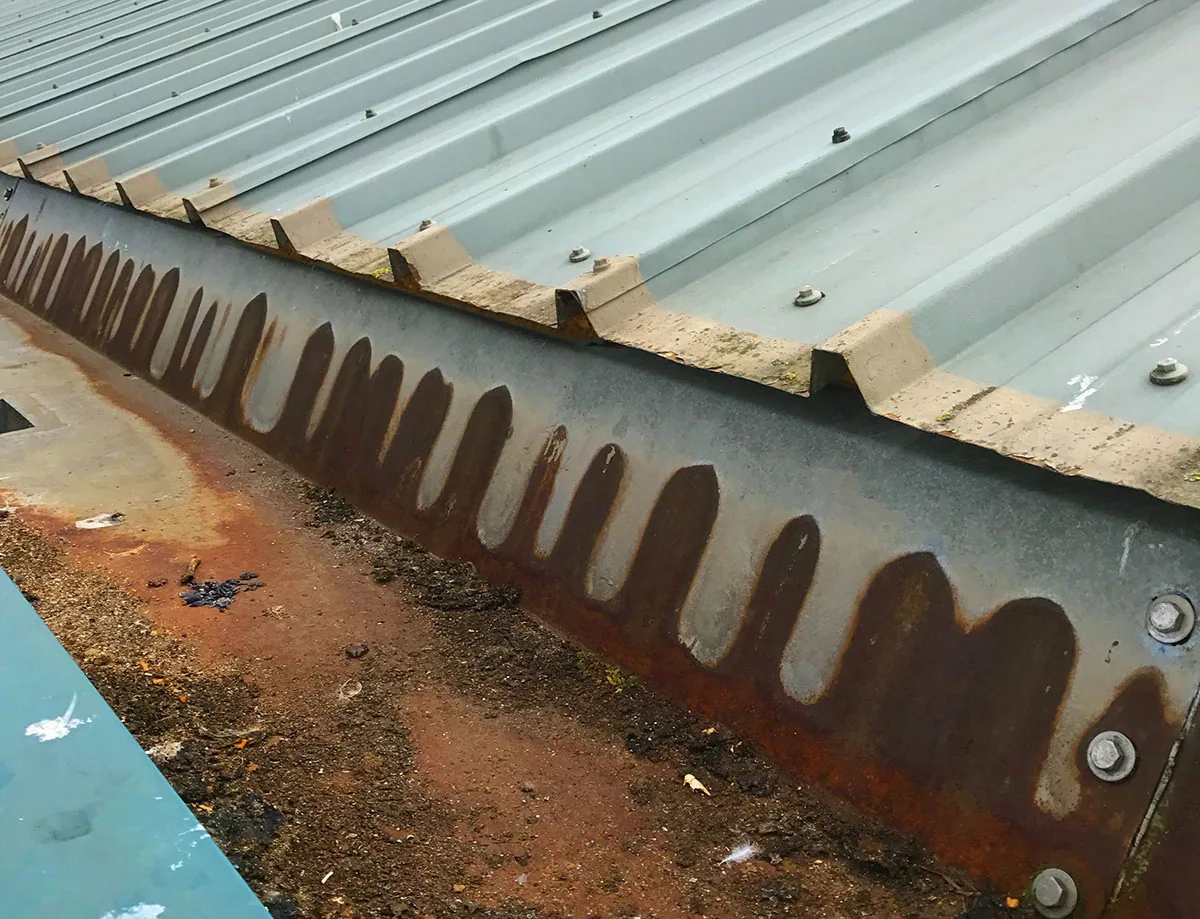
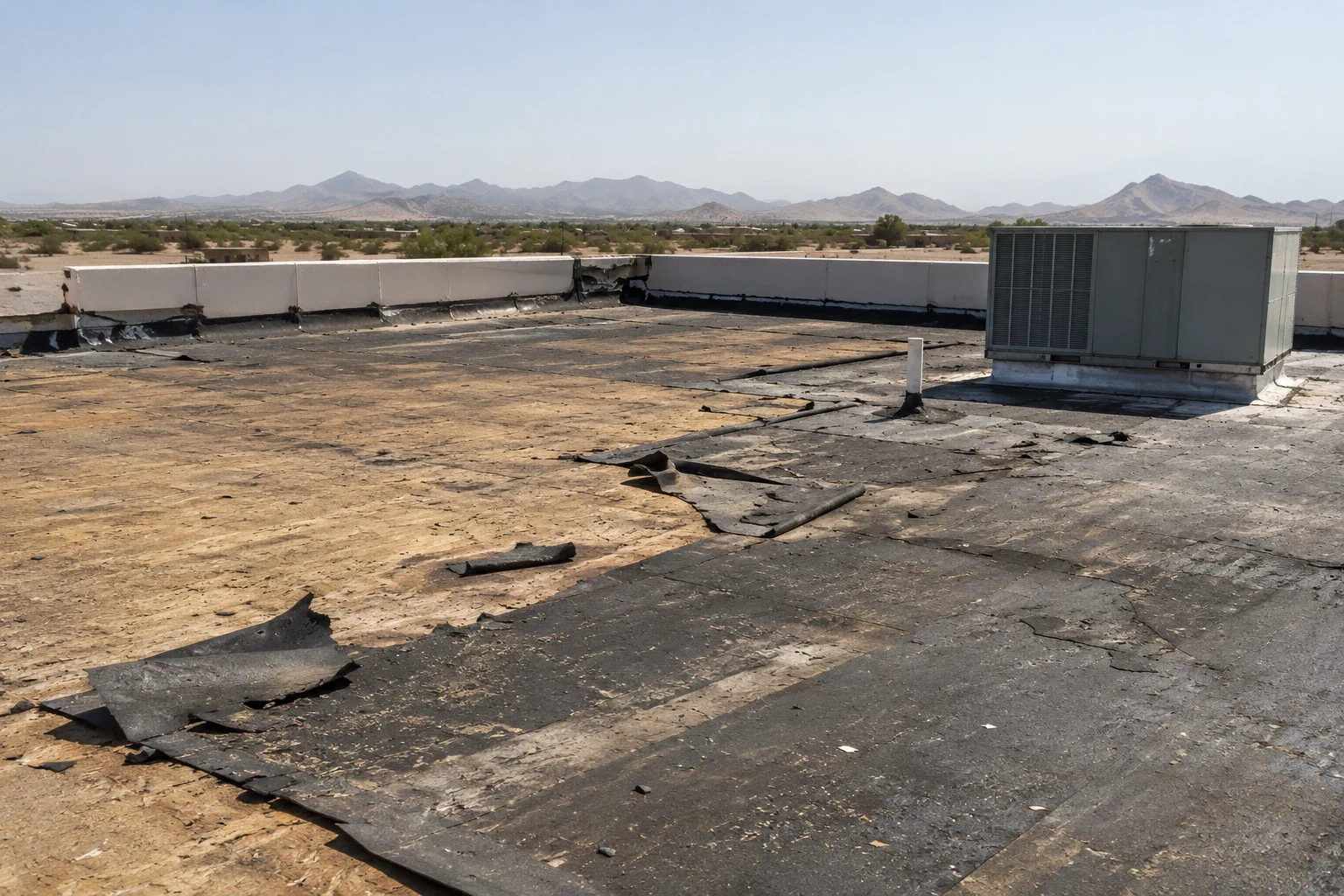
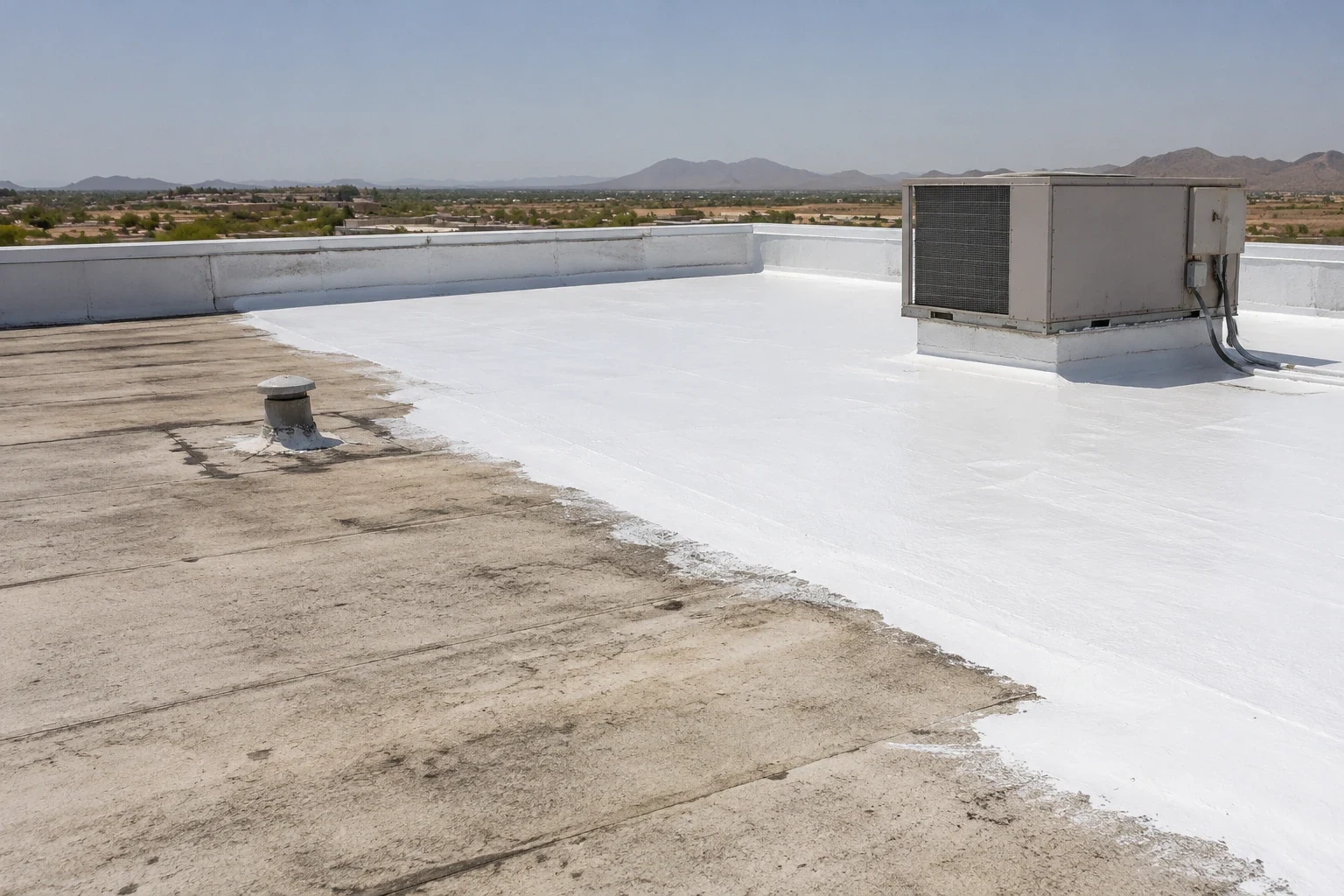
On an asphaltic roof, cracks or blisters can appear at laps, changes in plane, drain bowls, or locations where water remains. We inspect the surfacing and the sheet beneath it, then test where needed to see whether moisture has reached the insulation. A patch should tie into sound material and restore the lap, not simply cover loose surfacing. On PVC, seam separation or a damaged flashing detail calls for a compatible membrane repair and a stable boundary at the transition.
At Fox Field, January's normal daily low is 31.3°F and July's is 67.2°F. That seasonal temperature shift can load membrane joints and flashing through repeated expansion and contraction. Heat can accelerate movement at exposed corners and metal edges, although the local normal does not identify the cause of a specific defect. Our roof inspection logs those details by zone. If moisture may extend below the surface, an infrared moisture survey can help identify areas for confirmation before a repair or recover scope is set.
Choose Between Sheet and Liquid Details
A liquid-applied system may fit a detail or geometry that needs a continuous coating, but surface preparation, substrate condition, reinforcement, and termination remain essential. A liquid product cannot compensate for loose material or wet insulation beneath it. We identify the area, prepare the substrate as required, and define where the system ends at drains, walls, and equipment. For modified bitumen, the selected application method and approved membrane layers determine how a repair ties into the roof already there.
Where an existing roof has broad moisture or recurring lap failures, replacement may be more reliable than another surface treatment. A replacement scope maps removal and the new assembly, while a roof restoration assessment checks whether the existing surface can support a coating. We state the test results, material limits, and any detail that needs an opening before the owner compares those options. Fire, odor, and occupied-building controls are addressed according to the actual system and site requirements.
Connect Material Selection to the Building
The roof above production or office space has to be evaluated alongside the activity below it. The Lancaster Business Park plan includes light manufacturing, wholesaling, and trade schools. Equipment routes, roof penetrations, and shutdown windows can affect a repair sequence there. Lancaster's Health District allows medical offices and supporting commercial uses, where interior protection and room access may also shape the work plan. Those are local planning facts, not a description of an individual building, so we confirm operations and roof access with the property contact.
Before mobilization, we identify material staging, roof entry, protection needs, and work limits by section. For an occupied property, an occupied-roof sequence can coordinate access and temporary protection with facility staff. A product choice remains grounded in the assembly, including deck, slope, drainage, and transitions. For an upcoming project, we document whether SOPREMA SBS, PVC, or liquid-applied products align with the condition and specification before materials are ordered.
Compare the Full Assembly, Not One Layer
The owner needs to know what stays, what is removed, and which condition supports a wider scope. We identify areas with confirmed moisture, areas repaired previously, and details needing further access. Cost and schedule depend on removal depth, substrate repair, temporary protection, edge modifications, and how much existing material can remain. A condition-based estimate makes those drivers clear rather than assuming that every roof zone can receive the same treatment.
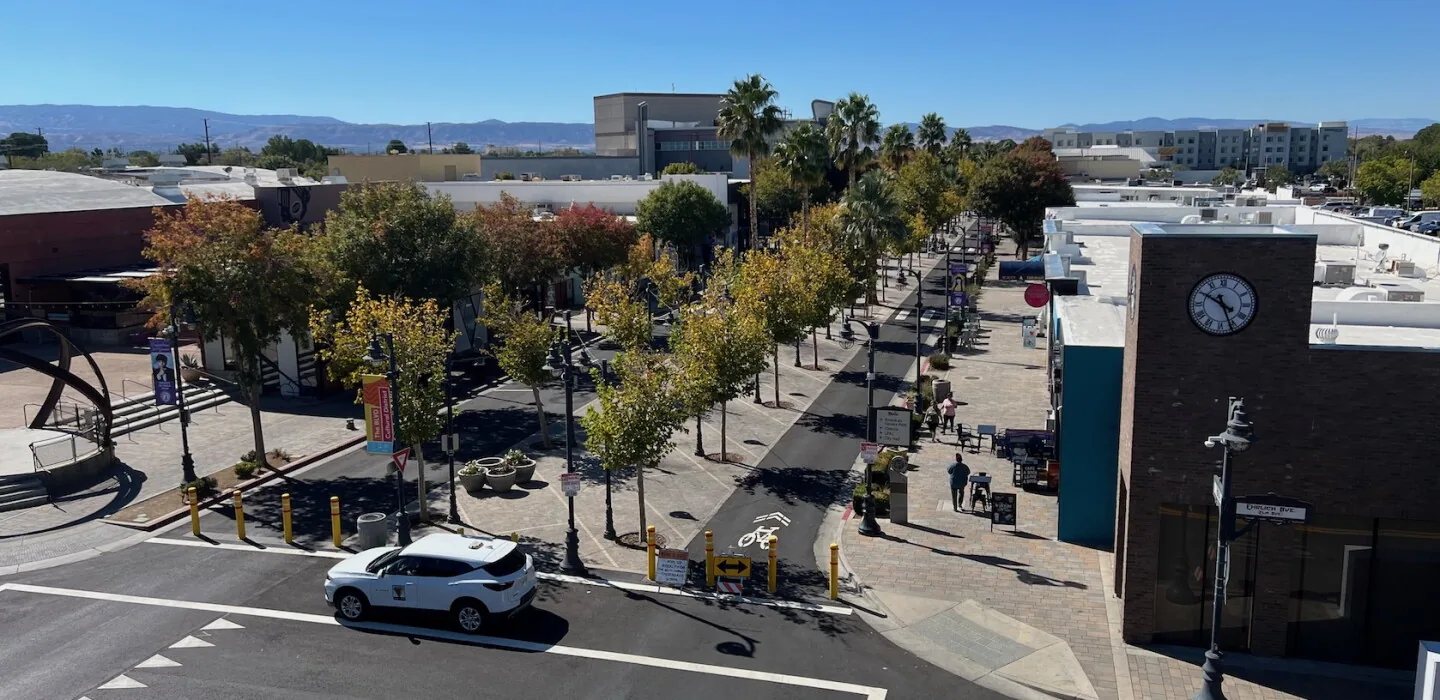
When the project permits alternative manufacturers, SOPREMA systems can be compared with Johns Manville roof products or GAF system options against the same deck and transition criteria. The comparison includes membrane or sheet type, insulation, attachment, drainage, and details, not brand preference. For a commercial property in Downtown Lancaster's Commerce District, access and tenant coordination may differ from an industrial site, but the survey still determines the roof scope. We prepare the options around the confirmed conditions.
Keep the Roof History Useful
Save the SOPREMA product information, completed roof zones, photographs, test results, and detail locations with the property file. Note any area excluded from the work and any condition left for monitoring. When another trade changes a roof penetration, staff can compare the new curb and flashing with the original closeout. For sheet systems, retain representative lap photos; for liquid work, record the prepared surface, boundaries, and transitions. Those records make follow-up inspection more specific.
Before the wetter season, check drains, wall edges, open laps, and any repaired areas for new movement or debris. A planned maintenance visit documents conditions while they remain accessible. For larger portfolios, a condition report can keep separate systems and repairs organized by building. Share the roof plan, product records, and leak history when requesting an assessment in Lancaster; we will use them to focus the field visit on the next repair or capital decision.
Commercial Roofing Questions
Which SOPREMA roofing products fit a commercial roof?
The product family depends on whether the project calls for SBS-modified bitumen, PVC single-ply, or a liquid-applied system. We compare the existing roof, substrate, details, and project requirements before recommending a category.
Can a liquid-applied product cover an existing roof detail?
Only after the surface and substrate are suitable and the detail can be prepared and terminated correctly. We identify loose material, moisture, and required reinforcement before defining a liquid scope.
How do you decide if modified bitumen can be repaired?
We inspect the lap, cap sheet, surfacing, and layers below it. Testing can show whether moisture is contained or whether the repair must extend into insulation or substrate.
What does heat mean for a Lancaster roof with asphaltic sheets?
Summer heat makes exposed laps, edges, and transitions useful inspection points. We record their actual condition and use testing where the assembly suggests a deeper concern.
What records help with a SOPREMA reroof?
Keep existing specifications, product data, previous repair photos, roof-zone plans, and leak reports together. Those records help verify the assembly and document what the new scope resolves.