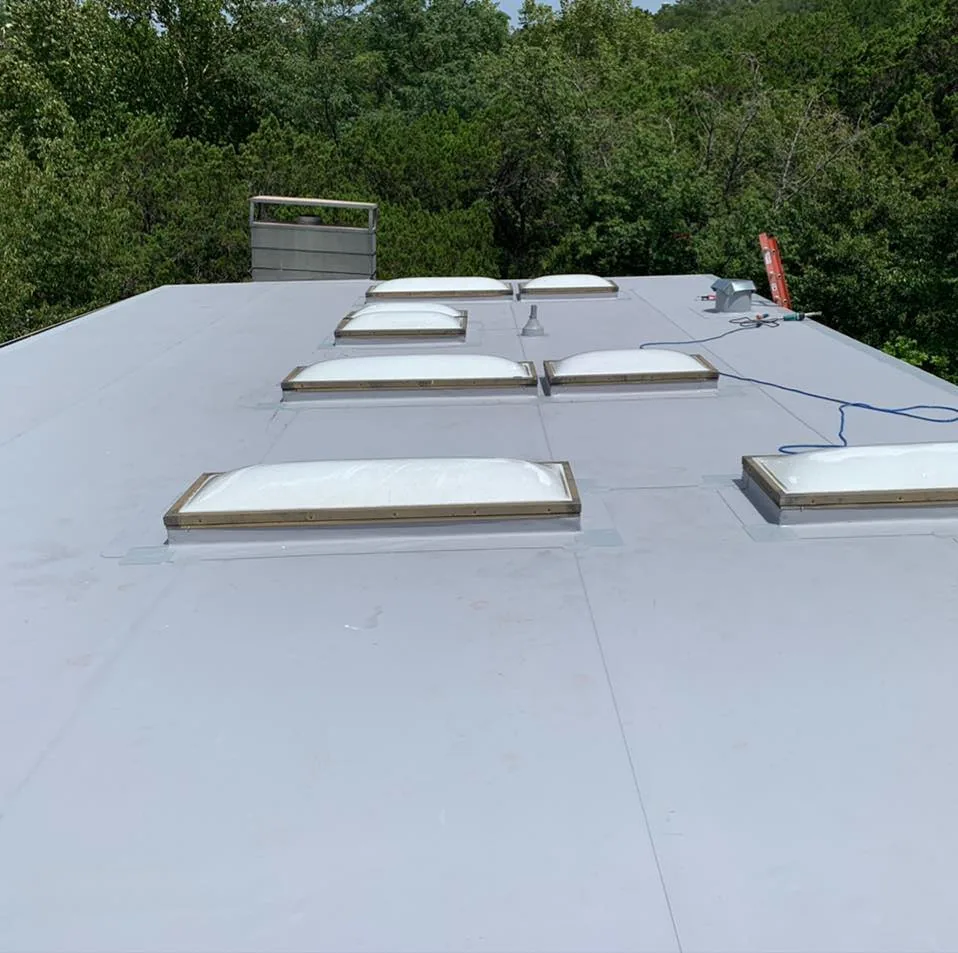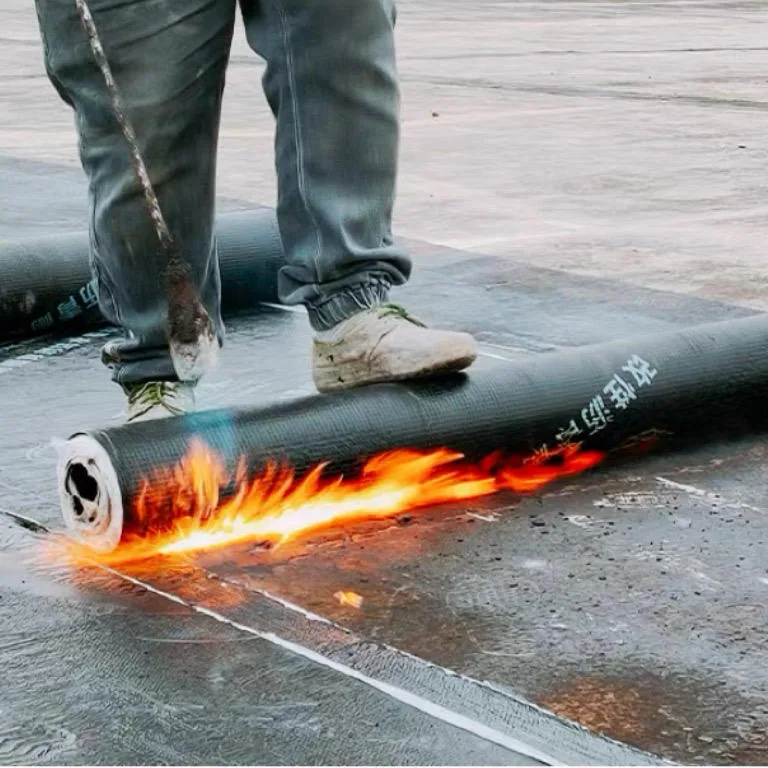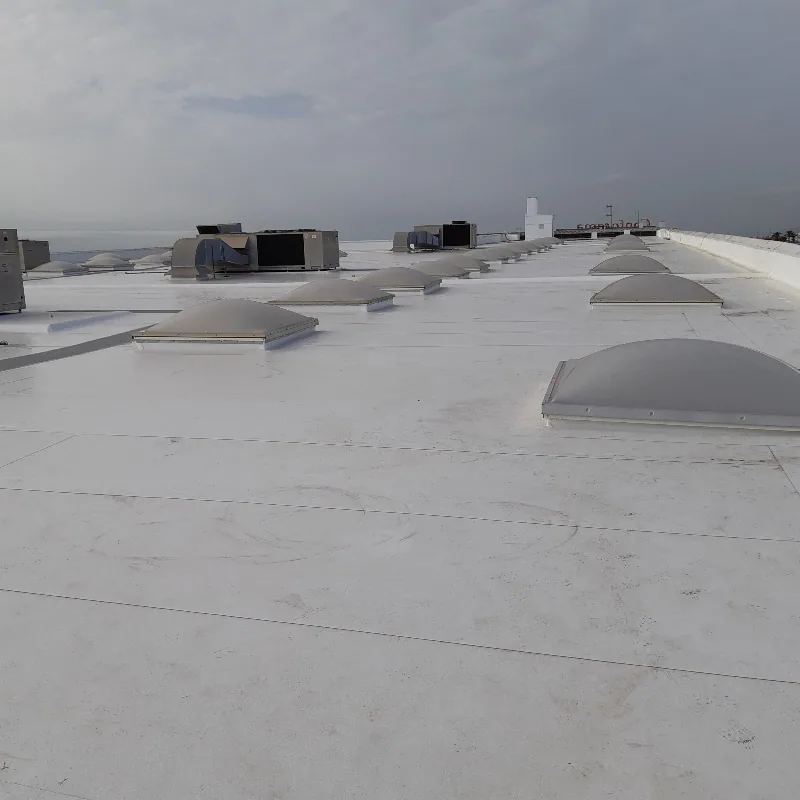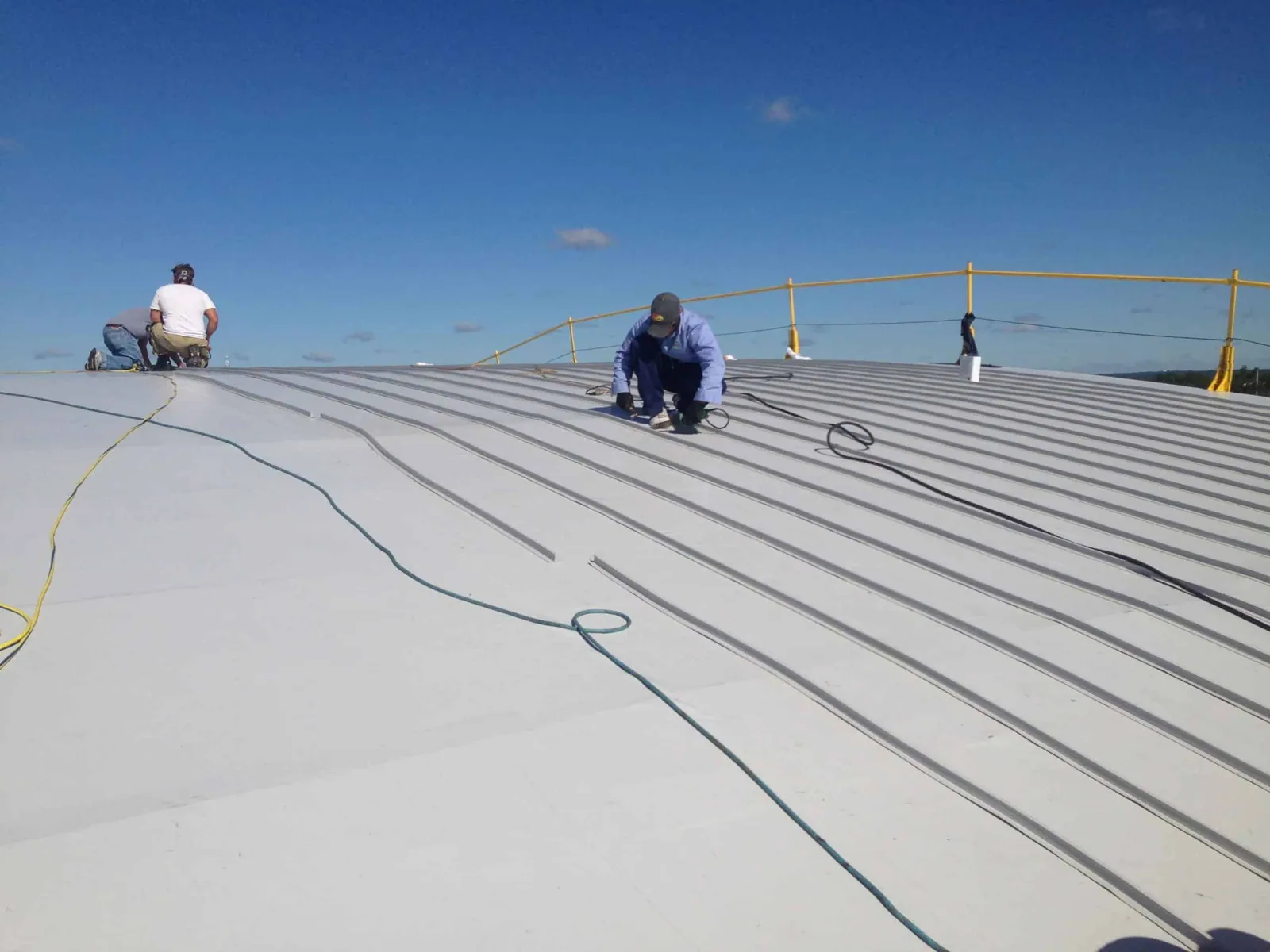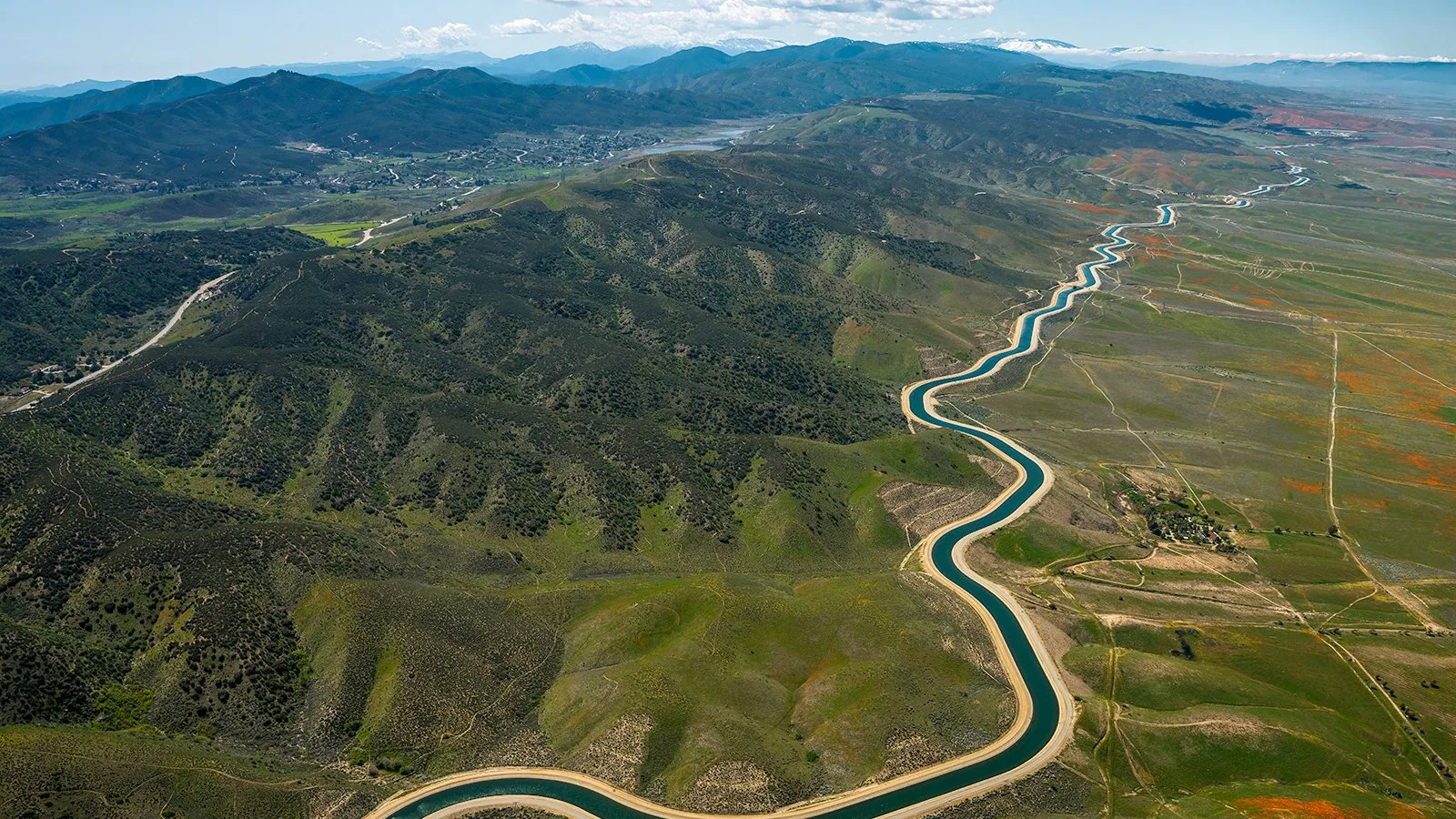
A Johns Manville roof can be a single-ply membrane, an asphaltic assembly, or a roof with materials from more than one project. We identify the installed system before recommending a repair or replacement. The inspection records membrane or cap-sheet type, attachment, insulation, deck, seams, and the condition at drains and edges. Lancaster's hot summers put recurring movement into exposed layers, so the roof record should show how details respond, not just whether the surface looks intact.
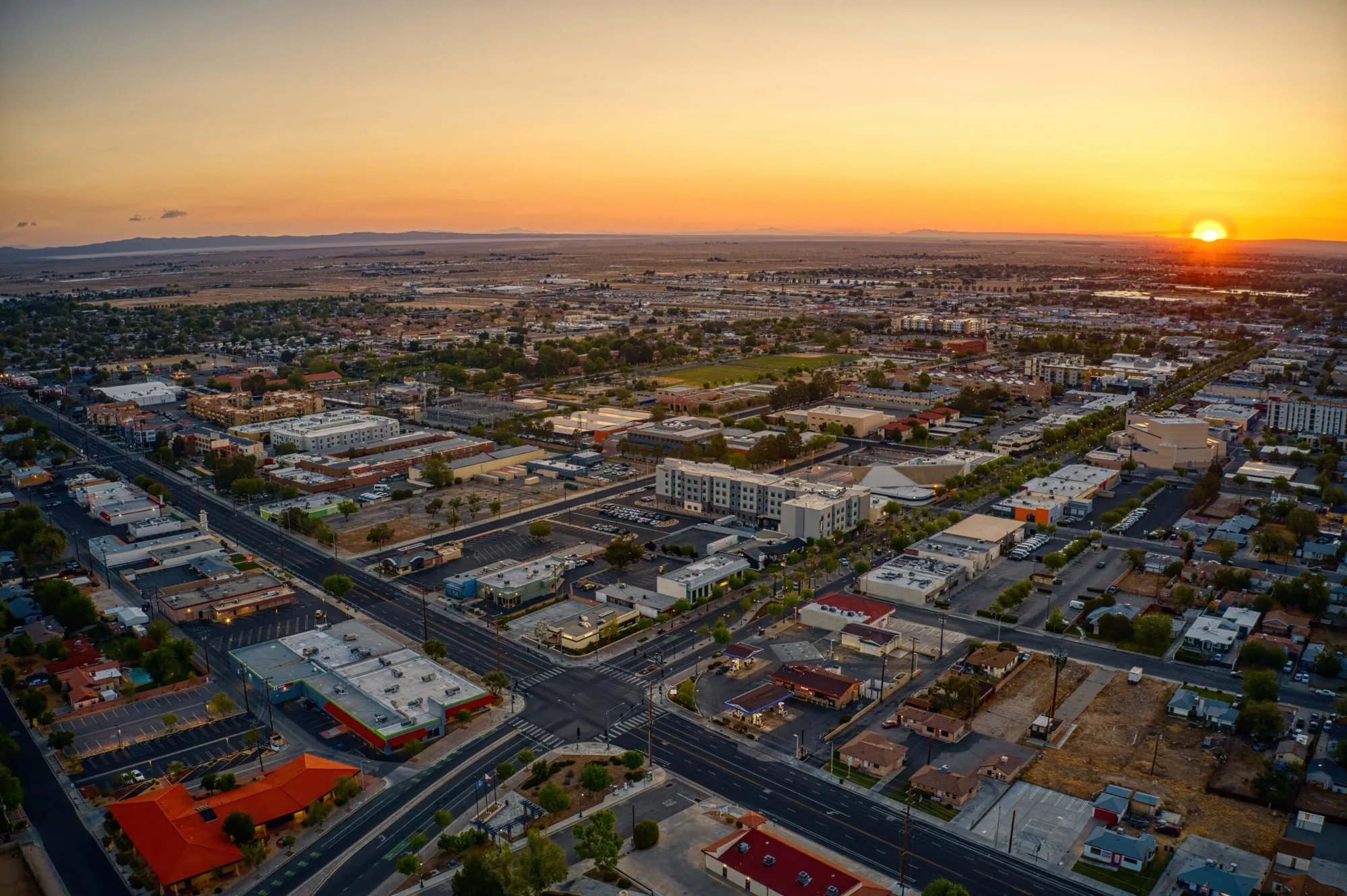
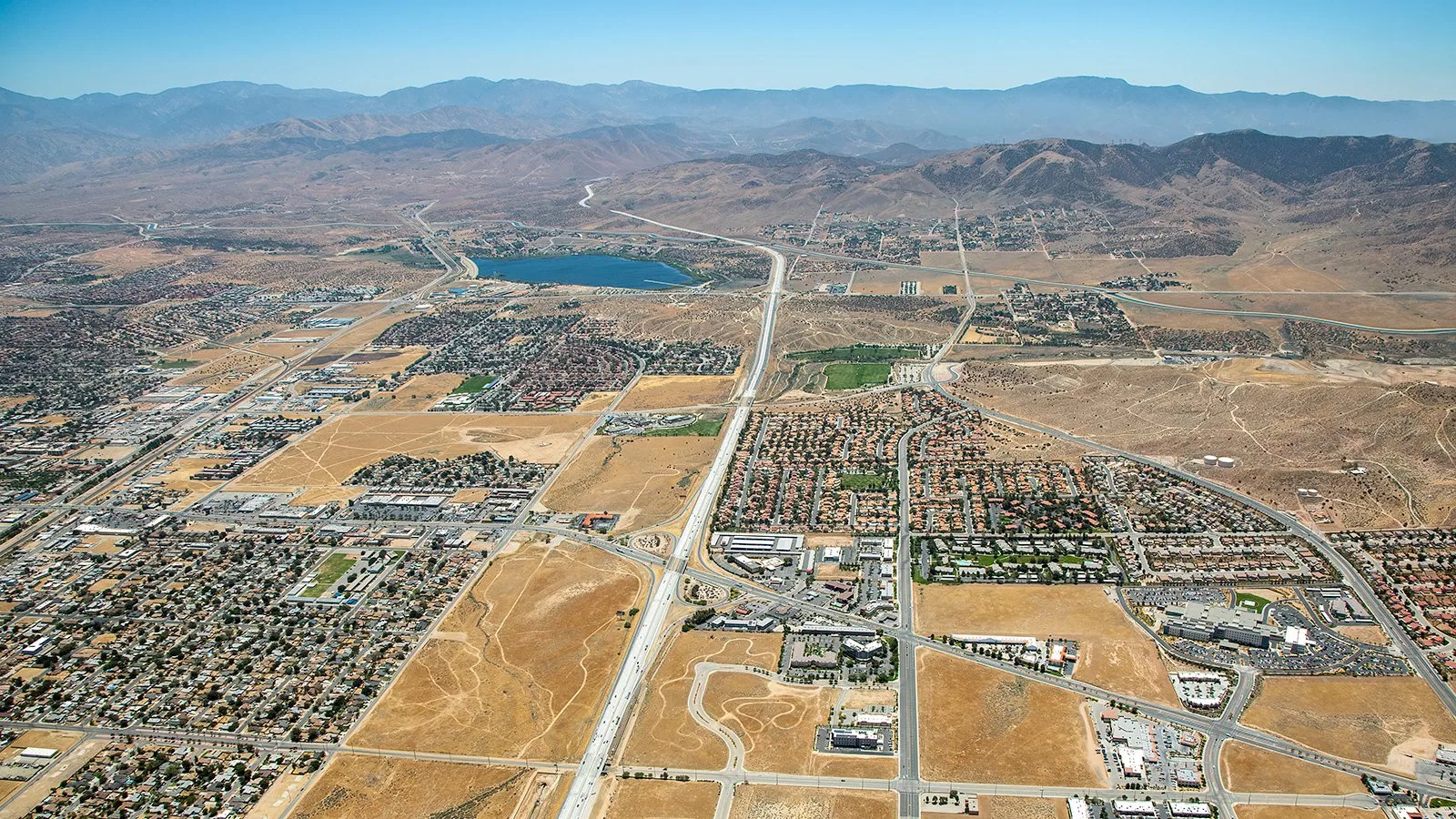
Lancaster Business Park permits light manufacturing, wholesaling, research and development, and professional services. The North Lancaster Industrial Center is classified as heavy industrial, while Enterprise Business Park's listed uses span office space, retail, and light-industrial property. Those land-use patterns help frame building questions, but they do not establish what assembly is installed. We trace the actual roof and connect Johns Manville material options to its use and observed condition.
Establish Which Layers Are Present
We review old specifications, product labels, repair records, and visible membrane details before opening a roof. An overlay can hide an earlier system, and an addition may have a different deck or insulation package from the original building. When documentation leaves a gap, a limited test opening can identify the layers and show whether moisture or deterioration reaches the substrate. The report marks the sample locations and leaves unsampled sections identified as such.
Johns Manville publishes commercial products and installation guidance for TPO and other roofing assemblies. Where the existing roof is a thermoplastic membrane, a TPO inspection checks welds, corners, flashing, and attachment. If the roof is asphaltic, the modified bitumen assembly needs a different review of cap sheet, laps, surfacing, and transitions. We do not select a method until the material has been identified.
Separate Surface Wear From Moisture Below
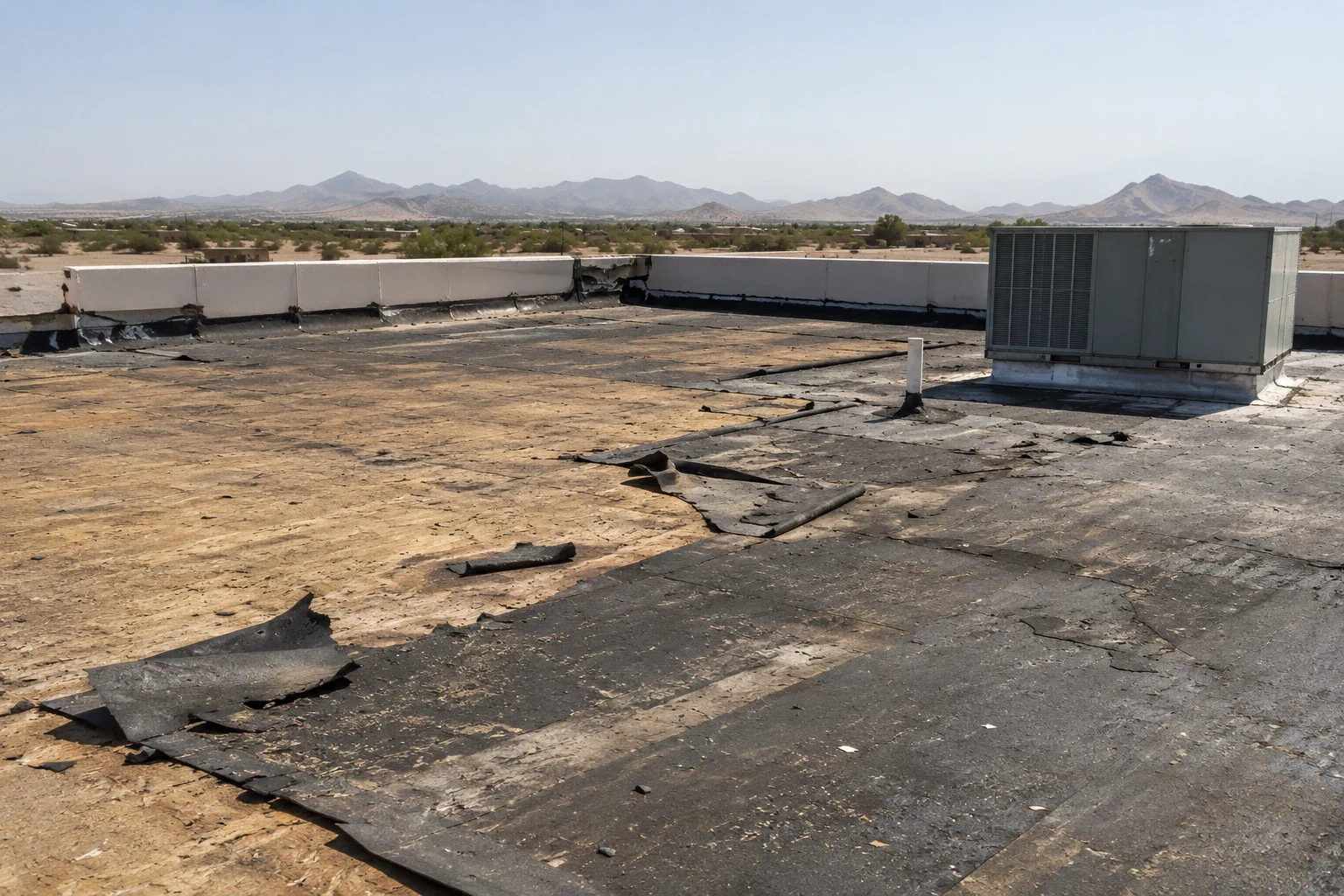
Surface granule loss, a blister, or an open lap can point to different causes. We compare each condition with the roof slope, drainage path, nearby equipment, and any prior patch. On an asphaltic roof, we look at the cap sheet and flashing returns, then determine whether water is limited to the visible defect or has moved into the underlying plies. On a single-ply roof, seam probing and detail inspection help locate the discontinuity. The repair boundary follows the evidence from the assembly.
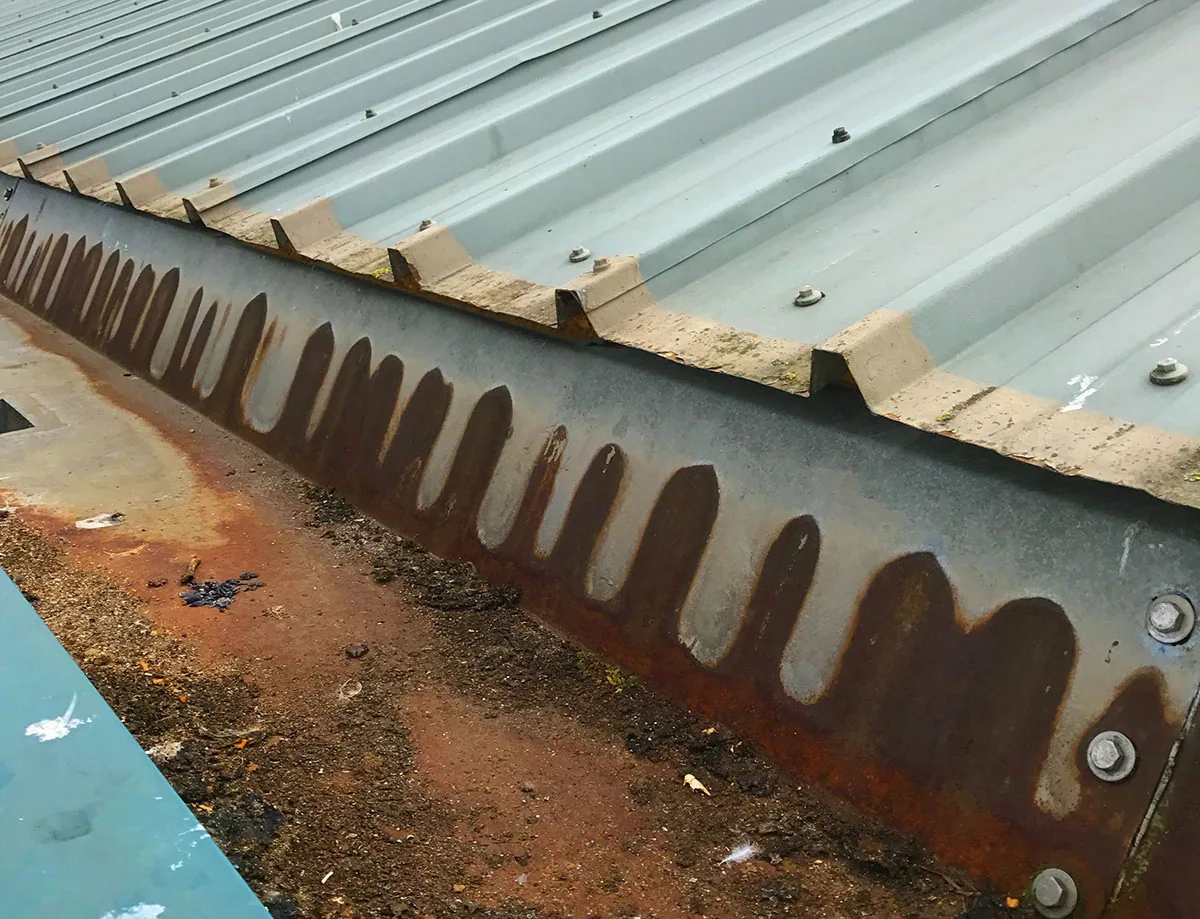
Normal daily lows at William J. Fox Field shift from 31.3°F in January to 67.2°F in July, a wide seasonal range for exposed seams and edges. Repeated heating can load laps, sealants, and exposed edge metal. A commercial roof inspection can log those details and compare them with earlier photos. If active water requires attention, our storm damage assessment distinguishes a recent opening from older wear before the scope includes any related work.
Choose a Method for the Confirmed Material
A repair must match both the surface and its condition. A compatible patch over a sound substrate can correct a limited failure; it will not restore wet insulation or loose attachment beyond the patch. Where a Johns Manville membrane is present, we identify the system and specify compatible repair materials. On a multi-ply roof, the correction may involve cap-sheet work, replacement of saturated layers, or flashing reconstruction. Each scope lists the roof zone, material, tie-in, protection, and any condition that could change after opening.
Replacement is considered when defects repeat, moisture spans several areas, or the assembly no longer supports a dependable repair boundary. A replacement evaluation reviews removal depth, deck condition, insulation, and drainage before we compare new system options. If the existing surface appears suitable to retain, a recover assessment checks attachment, moisture, added height, and code or project constraints. The difference matters at parapets, door thresholds, and drain bowls where another layer changes the detail.
Account for Equipment and Occupied Space
Industrial roof zones often carry process equipment, vents, conduits, and frequent service traffic. The city inventory lists the North Lancaster Industrial Center as a heavy-industrial area near Avenue H-8 and Avenue I. That makes equipment routes a useful inspection question, not proof of a particular roof configuration. We record foot traffic, damaged walkway pads, abandoned penetrations, and service locations that could affect the next repair. Facility staff can share recent work orders so the roof scope accounts for changes made by other trades.
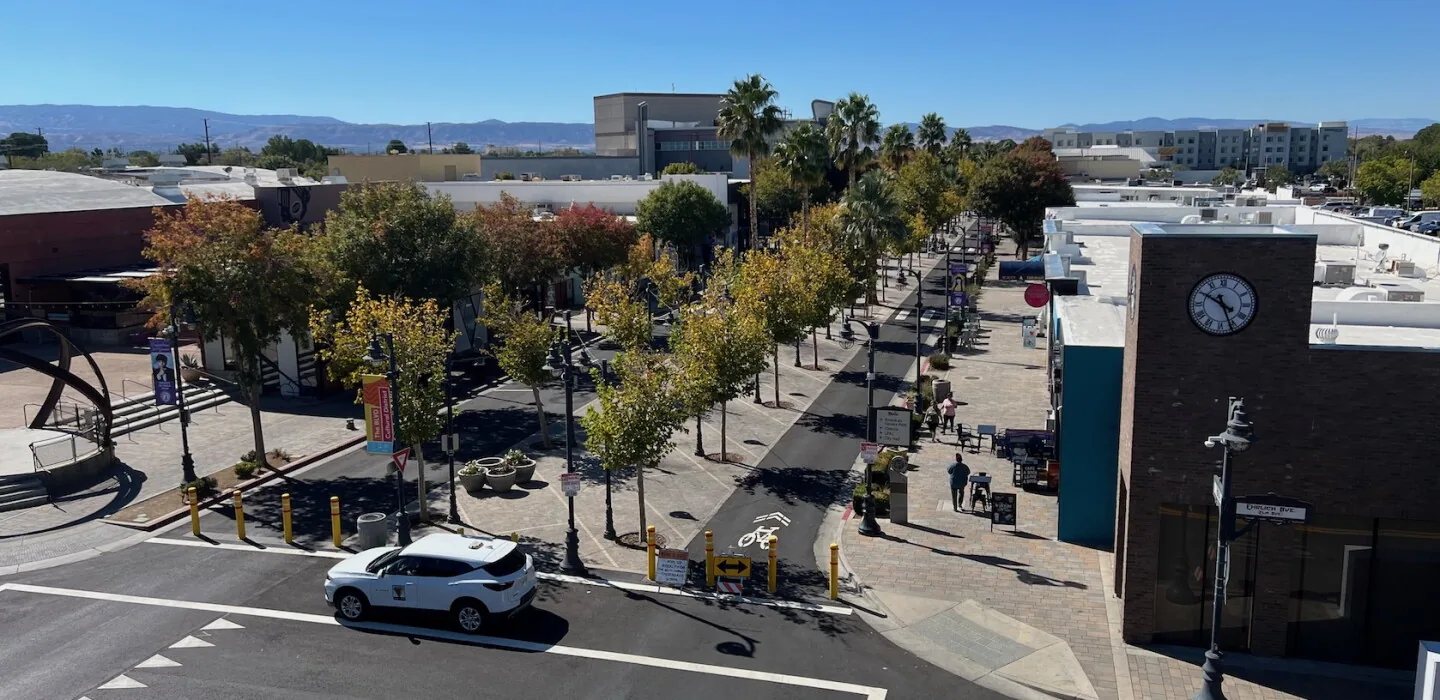
Office and medical uses bring a different coordination need. Lancaster's Amargosa Creek plan includes office, retail, and major medical uses, and the Health District supports medical offices and services. For an occupied building, our reroofing sequence defines staging, noise windows, interior protection, and access by roof zone. Material selection remains tied to the deck and project documents, while the facility contact helps coordinate the work area with operations below.
Compare the Scope to the Roof Record
A system name alone cannot settle a capital decision. We describe which areas were inspected, where moisture was confirmed, which layers were opened, and what condition remains uncertain. Owners can then compare local repair, recover, and replacement options on the same set of roof zones. Cost and schedule change with removal depth, substrate repairs, access, staging, and the amount of wet material found. We separate those drivers so an estimate reflects the work rather than an assumed square-foot package.
For a portfolio review, Johns Manville systems can be considered alongside GAF roofing assemblies or Carlisle SynTec options when the specification permits alternatives. Comparing manufacturers means reviewing the full assembly and its detailing, not just the membrane sheet. At a property in Enterprise Business Park, for example, office, industrial, and retail use may affect penetrations and access differently within the same park. The roof survey supplies the building-specific facts for that decision.
Preserve System and Repair History
Keep the installed product name, approved assembly, roof-zone plan, photos, test results, and repair limits in one closeout file. A later service visit can then compare seams or cap-sheet details with the same locations instead of starting from a general leak description. Record new curbs, equipment work, and walkway changes when they occur. If an earlier area could not be opened or accessed, identify it so the next review does not mistake an untested zone for a confirmed dry assembly.
Before Lancaster's wetter months, we can check drains, edge terminations, penetrations, and any repairs that have been exposed to another heat cycle. A maintenance visit can document changed conditions and keep small repairs distinct from larger capital needs. For multi-building owners, a condition report can align records while preserving the different assemblies at each property. Send the available Johns Manville documents and current leak history when arranging a roof assessment.
Commercial Roofing Questions
How do we confirm whether a Johns Manville roof is TPO or asphaltic?
We check product markings and records, then compare them with seams, surface layers, and details in the field. If the assembly remains unclear, a controlled opening can confirm the roof layers at a selected location.
Can an older Johns Manville roof be repaired with current materials?
The existing product and condition have to be identified first. We select compatible repair materials and describe any limits where the membrane, substrate, or attachment is no longer sound.
What makes a recover unsuitable for a Lancaster building?
Moisture, weak attachment, deck damage, excessive roof height, drainage changes, or project requirements can rule out another layer. The assessment checks those conditions before pricing a recover.
Will heat-related surface wear require replacement?
Not by itself. We inspect the seams, edges, substrate, and moisture pattern to determine whether the condition is local or extends through the assembly.
What should be in our roofing closeout records?
Save the approved system, product identifiers, completed roof zones, photographs, test results, and work limits. Later inspections can use those details to compare conditions and plan access.