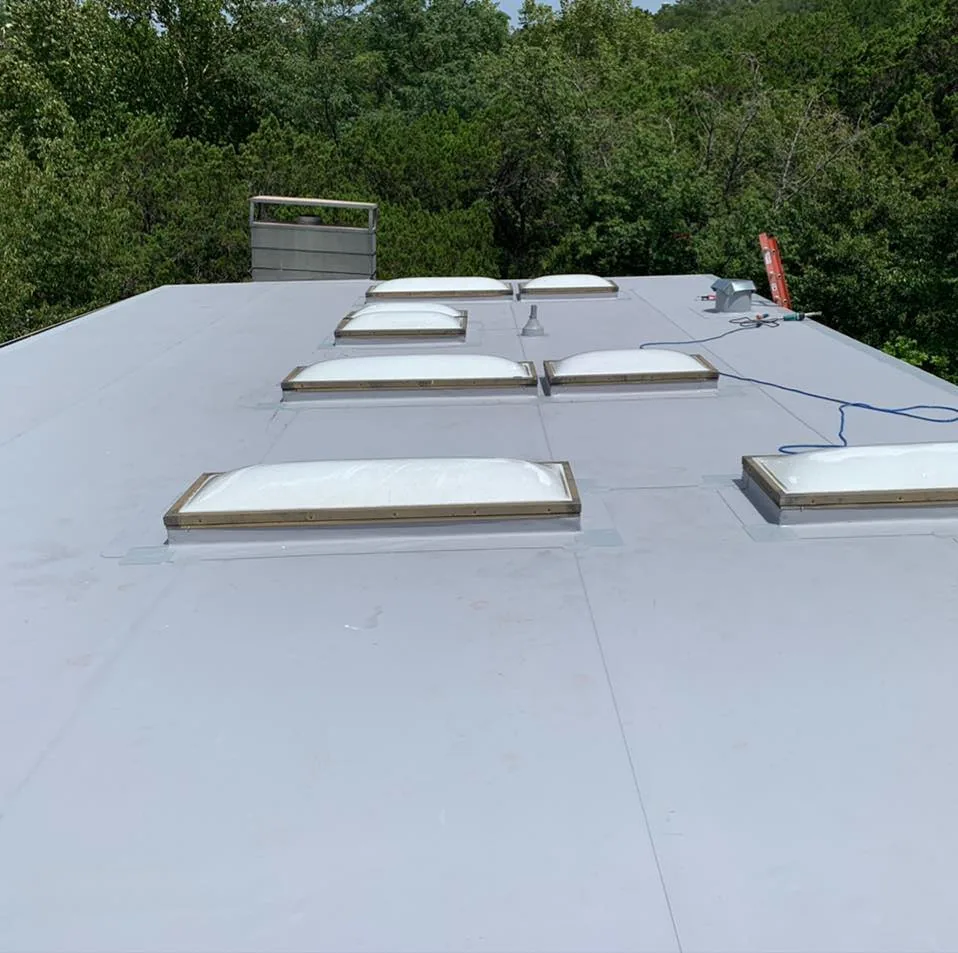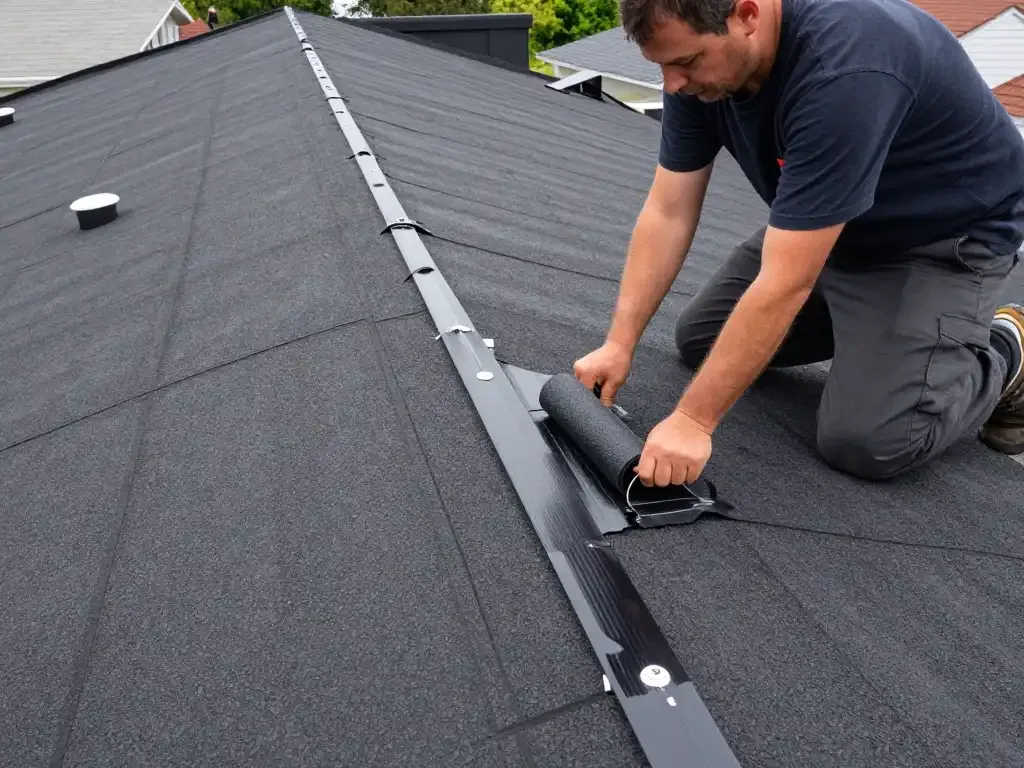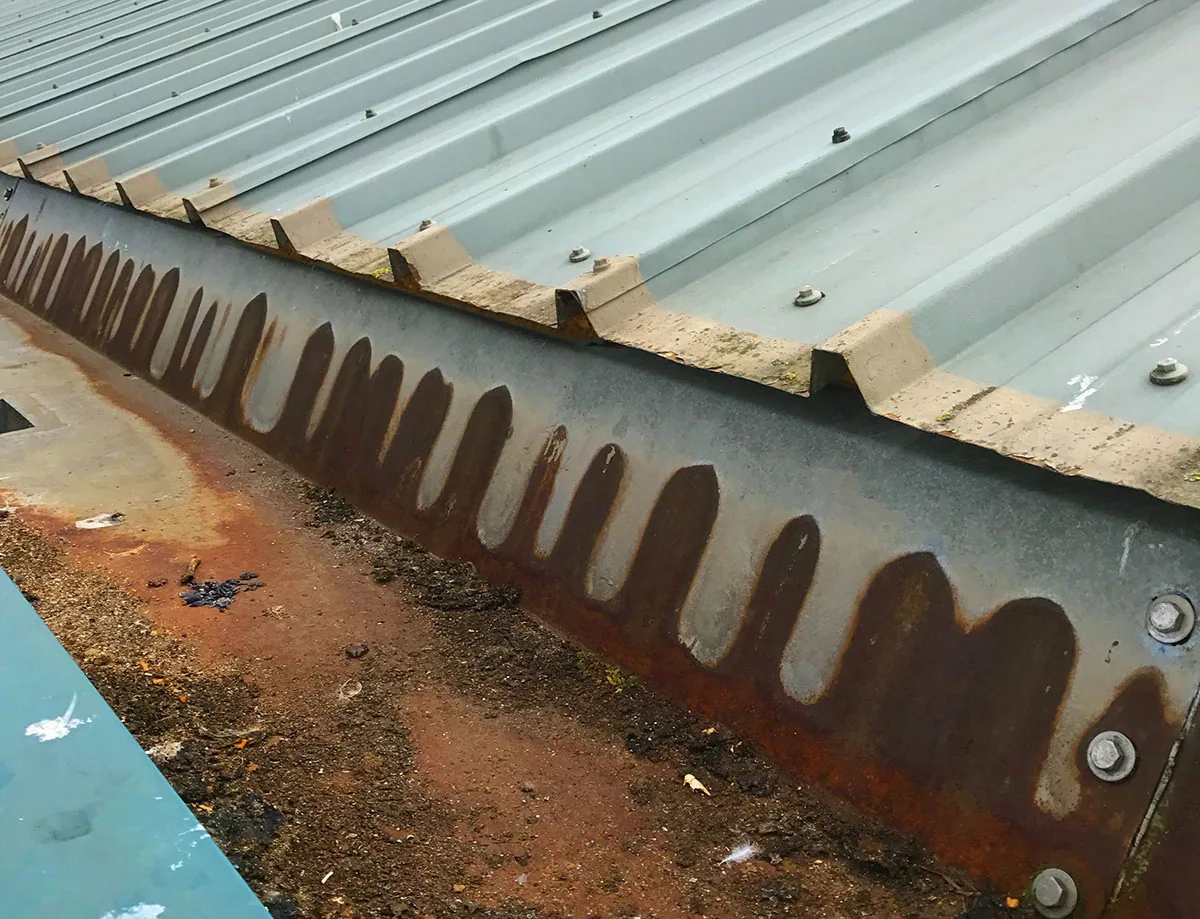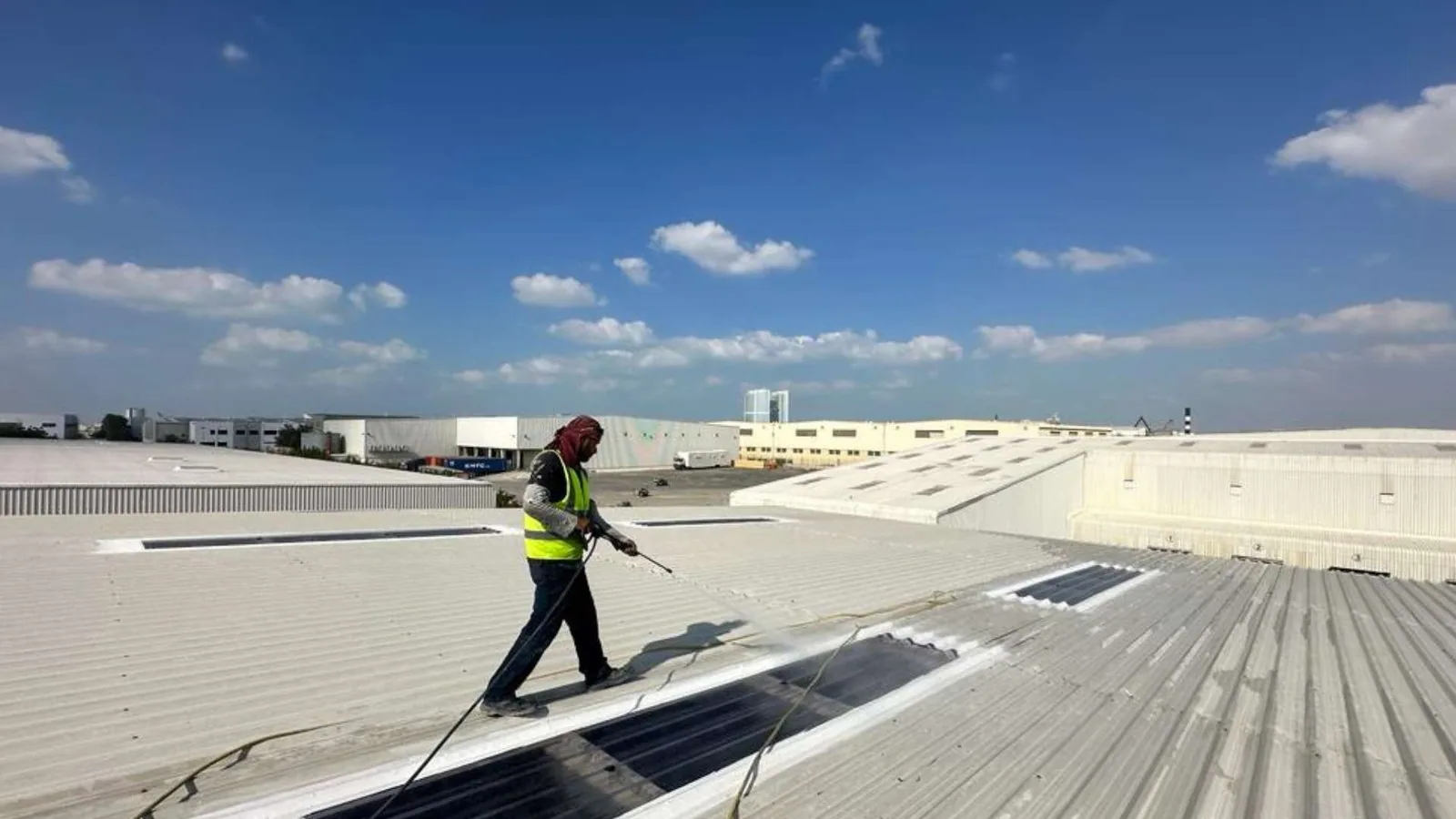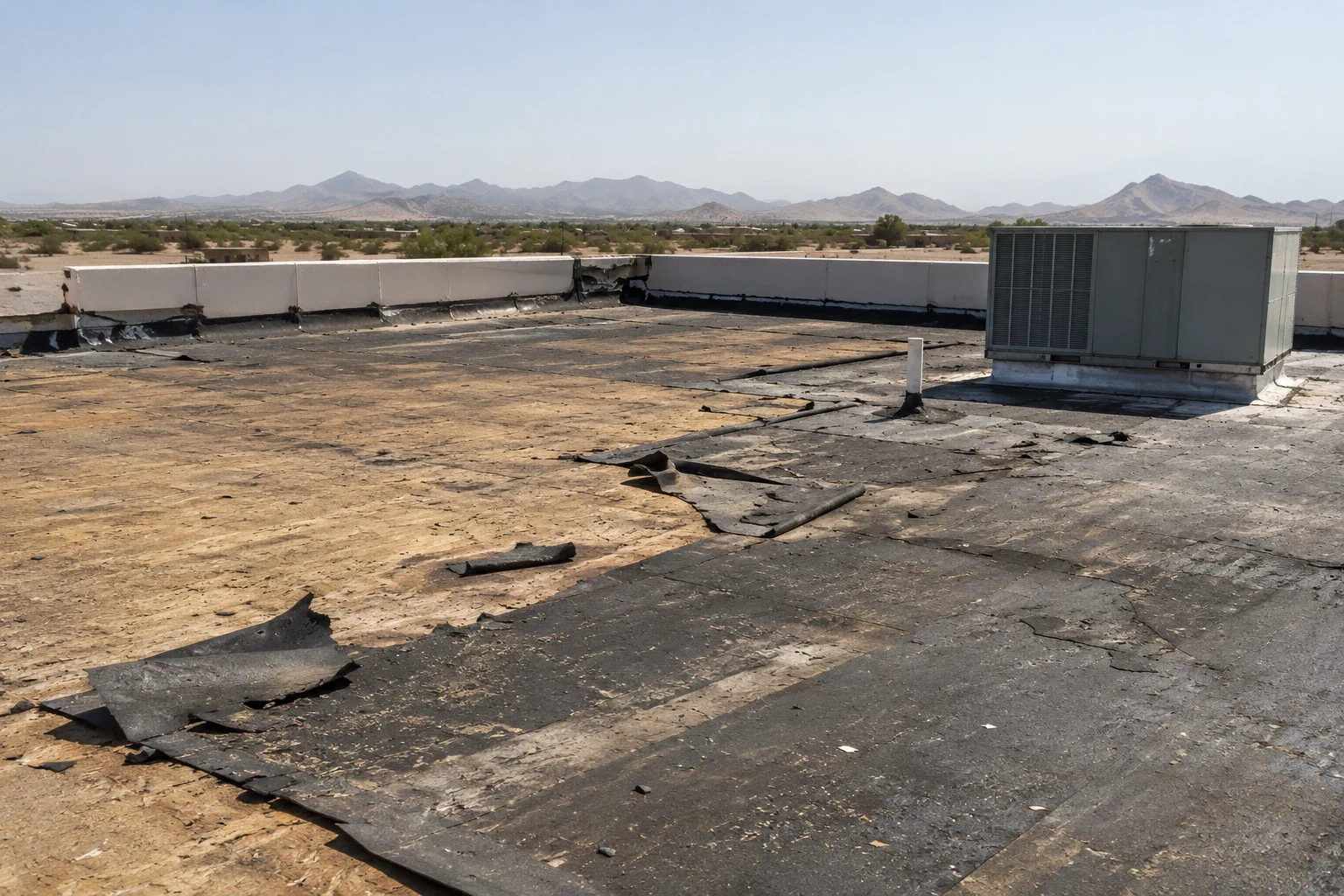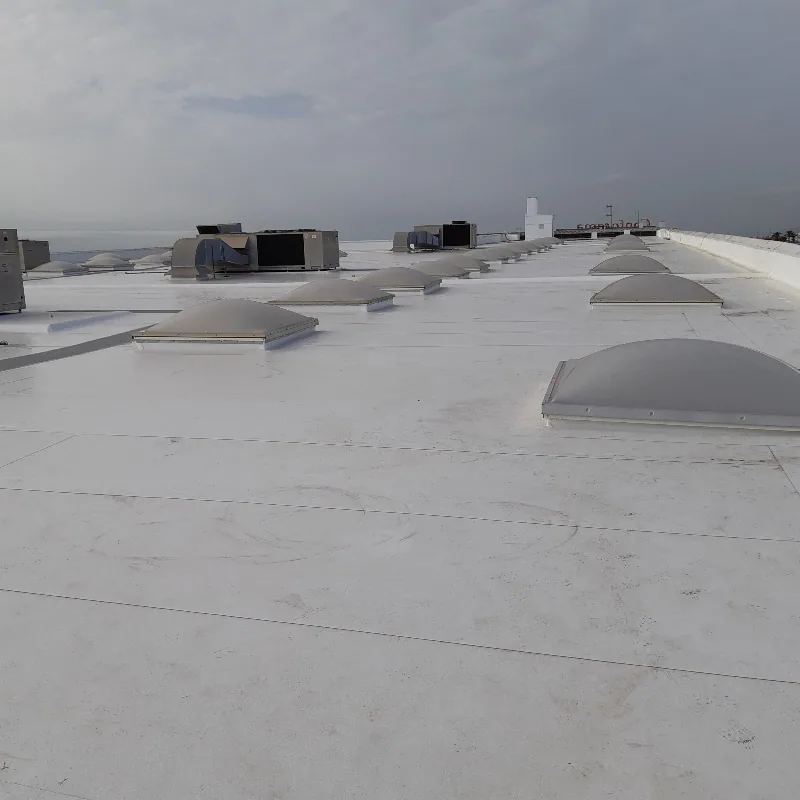
A Carlisle SynTec label may point to a single-ply membrane, an accessory, or a complete assembly. The roof itself decides what can be repaired or retained. We record the sheet type, attachment, seam condition, insulation, deck, and transitions before setting a scope. Lancaster's summer heat loads exposed seams and perimeter details through repeated expansion and contraction, so an inspection needs to distinguish ordinary surface wear from a connection that has started to move.
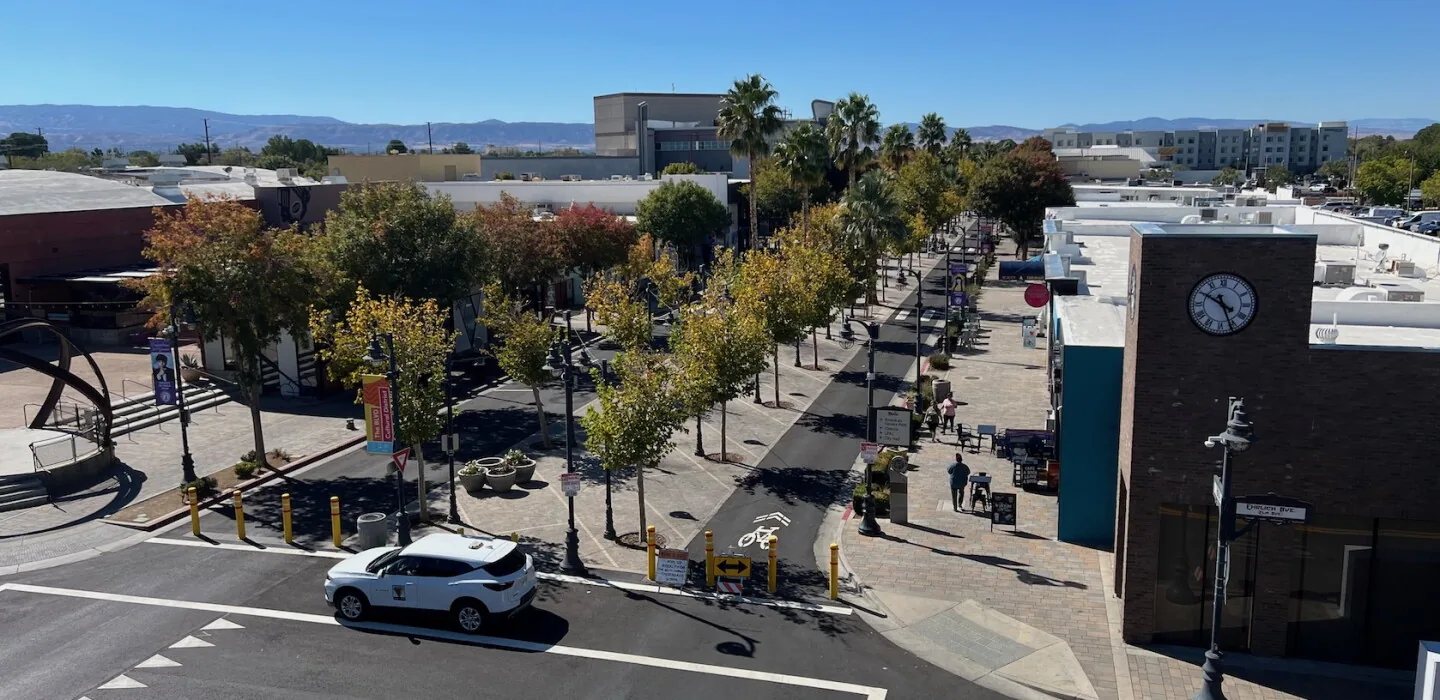
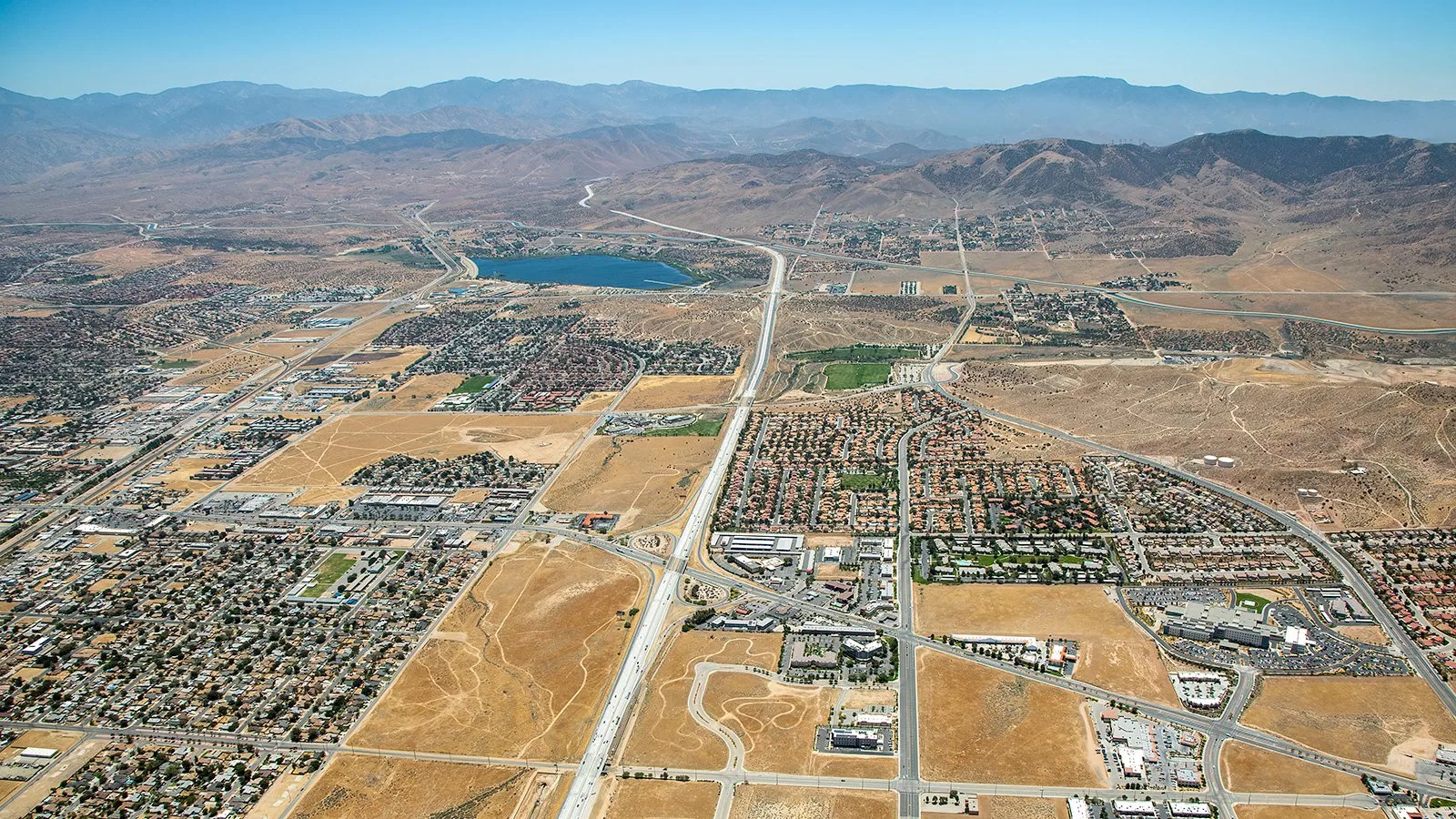
The Fox Field industrial corridor and North Lancaster Industrial Center are designated industrial areas in the city inventory. A shop, warehouse, or distribution property in those areas can have different roof access and equipment patterns than a professional office near the Lancaster Business Park. We assess the building in front of us and match the Carlisle product family to its use, existing assembly, and project requirements.
Identify the Carlisle Layer Before Planning Work
We look for membrane markings, seam configuration, patches, edge metal, flashing materials, and records from earlier projects. Some roofs contain multiple layers or sections completed in different years, so a single visible sheet may not describe the whole assembly. Where the system cannot be identified from available records, we document the evidence and use a limited opening when needed to confirm what lies beneath. The result is a roof-zone record with known details separated from untested areas.
Carlisle SynTec offers commercial single-ply systems that include Sure-Weld TPO and Sure-Seal EPDM. Their seam methods differ: thermoplastic laps are welded, while EPDM details rely on compatible adhesives or seam products. A TPO roof assembly and an EPDM roof assembly therefore call for different checks at laps, corners, penetrations, and repairs. We confirm the installed material before recommending a repair method.
Trace Water at Laps, Corners, and Edge Details
A leak report near a wall does not establish that the field membrane failed. Water can enter at a termination, follow the insulation interface, and appear well away from the opening. We inspect lap edges, T-joints, inside and outside corners, drain bowls, curbs, and metal transitions. For an EPDM roof, we also examine adhered seam tape and flashing edges for loss of bond or contamination. On a TPO assembly, we probe the weld and check whether dirt, repair material, or movement changed its continuity.
Fox Field sits west of State Route 14 along Avenue H, and Lancaster's industrial inventory classifies the broader planning area as medium/light industrial. Roof equipment and trade access can create concentrated wear in such working environments, but the inspection documents observed conditions rather than assuming a cause from land use. Our roof inspection maps each defect and its boundary. If active water needs attention, a leak repair assessment can define the immediate scope without treating every roof zone as failed.
Select Materials That Work With the Existing System
Repair materials must suit the membrane, its surface condition, and the detail being corrected. A thermoplastic patch needs a weldable, clean surface; a rubber membrane repair uses compatible EPDM products and correct surface preparation. Coating a seam or covering a loose termination does not restore the attachment beneath it. We identify the product family and repair procedure in the scope, then check whether adjacent insulation, cover board, or flashing needs replacement to make the correction hold.
A Carlisle product family is not a substitute for assembly design. Deck type, slope, drainage, perimeter geometry, attachment pattern, and the project's wind criteria inform the specification. If an existing roof may accept another layer, our recover evaluation checks moisture, bond, height, and drainage before that option is considered. If the assembly has wet insulation or widespread attachment problems, a replacement scope can identify removal limits and compatible new materials.
Plan Around Lancaster's Mixed Commercial Stock
Lancaster Business Park supports light manufacturing, wholesaling, research and development, trade schools, and professional services. Enterprise Business Park adds office, light industrial, and retail uses. Those are planning descriptions, not roof surveys, so the building's actual exhaust, equipment, access routes, and interior use still need to be confirmed. Where work affects an occupied tenant, we identify staging and access needs before mobilization. A phased sequence can keep unrelated roof zones available while the defined repair or replacement area is active.
Heat also affects the work window. At the local William J. Fox Field station, the normal August daily high reaches 97.8°F, and July averages 31 days at or above 90°F. That climate context informs crew sequencing and material handling, while the system instructions govern application. For a Carlisle membrane, we document ambient conditions, surface preparation, and the seam or adhesive work completed. Any access limits or equipment shutdowns are coordinated with the building contact, then noted in the closeout record.
Make the Next Scope Fit the Evidence
A contained seam or flashing defect may support a local repair if the adjoining membrane, substrate, and attachment remain sound. When test results show moisture extending beyond that boundary, the repair should include the affected insulation and restore continuity at dry material. A recover may add weight and change edge height, which can affect drains, doors, and metal transitions. Replacement requires a broader plan for removal, temporary protection, and sequencing. We compare these choices against the roof conditions and show which assumptions remain open.
For a larger property group, Carlisle and GAF systems can be compared at the assembly level, including membrane, insulation, cover board, attachment, and details. A product swap is not one-for-one if the fastening or flashing design changes. We can review plans and existing maintenance records, then prepare a scope that distinguishes material selection from verified roof work. A North Lancaster industrial property with service traffic may need a different access plan from an office building even where the same Carlisle membrane is specified.
Keep Product and Repair Records Together
The closeout file should name the Carlisle materials installed, show the work zones, include photos of seams and transitions, and list any limits or repairs deferred. Keep that record with the roof plan and note later equipment work that changed a penetration or walkway. During service visits, we compare current details with the earlier condition record instead of relying on a general statement that the roof was repaired. That makes a recurring seam concern easier to locate and helps the owner decide whether the next visit should test, patch, or open the assembly.
On Lancaster properties, summer heat and seasonal rain test different parts of the roof at different times. Before the wet months, a maintenance visit can clear and check outlets, inspect exposed laps, and document edge movement. If a site has several buildings, a roof condition report can keep those observations comparable without assuming the assemblies match. For a second system option, Johns Manville systems can be reviewed against the same roof conditions. Send the available Carlisle records and a current leak log when scheduling an assessment, so the inspection can focus on the roof areas that affect the next decision.
Commercial Roofing Questions
How can we tell whether the roof is Carlisle TPO or EPDM?
We compare records and field details, including the sheet, seam, and repair materials. If those do not establish the assembly, a controlled inspection opening can confirm the layers at a selected location.
Can Carlisle TPO and EPDM be repaired the same way?
No. TPO seams are heat welded, while EPDM uses compatible bonding and seam materials. We identify the actual membrane and prepare its surface before selecting a repair method.
When should a Carlisle roof be recovered instead of replaced?
The existing assembly must be dry enough, stable, and compatible with another layer. We check attachment, deck, edge height, drainage, and project requirements before comparing recover and removal options.
Does Lancaster heat change how a Carlisle seam is checked?
Heat cycling makes seams and edges useful inspection points, but the finding comes from the condition in the field. We examine the weld or bonded lap, adjacent sheet, and termination together.
What should be saved after a Carlisle repair?
Keep material identification, roof-zone photographs, repair limits, and any test results with the building's roof plan. Those details help the next service visit return to the same assembly and location.