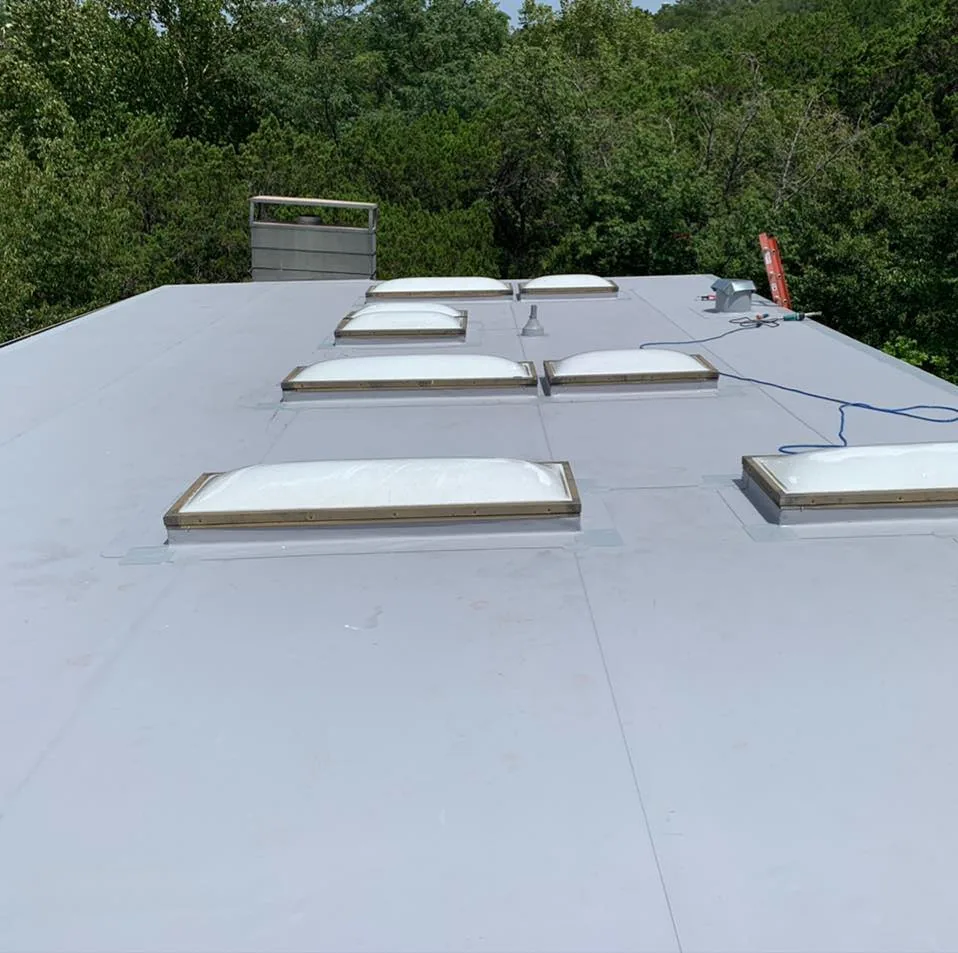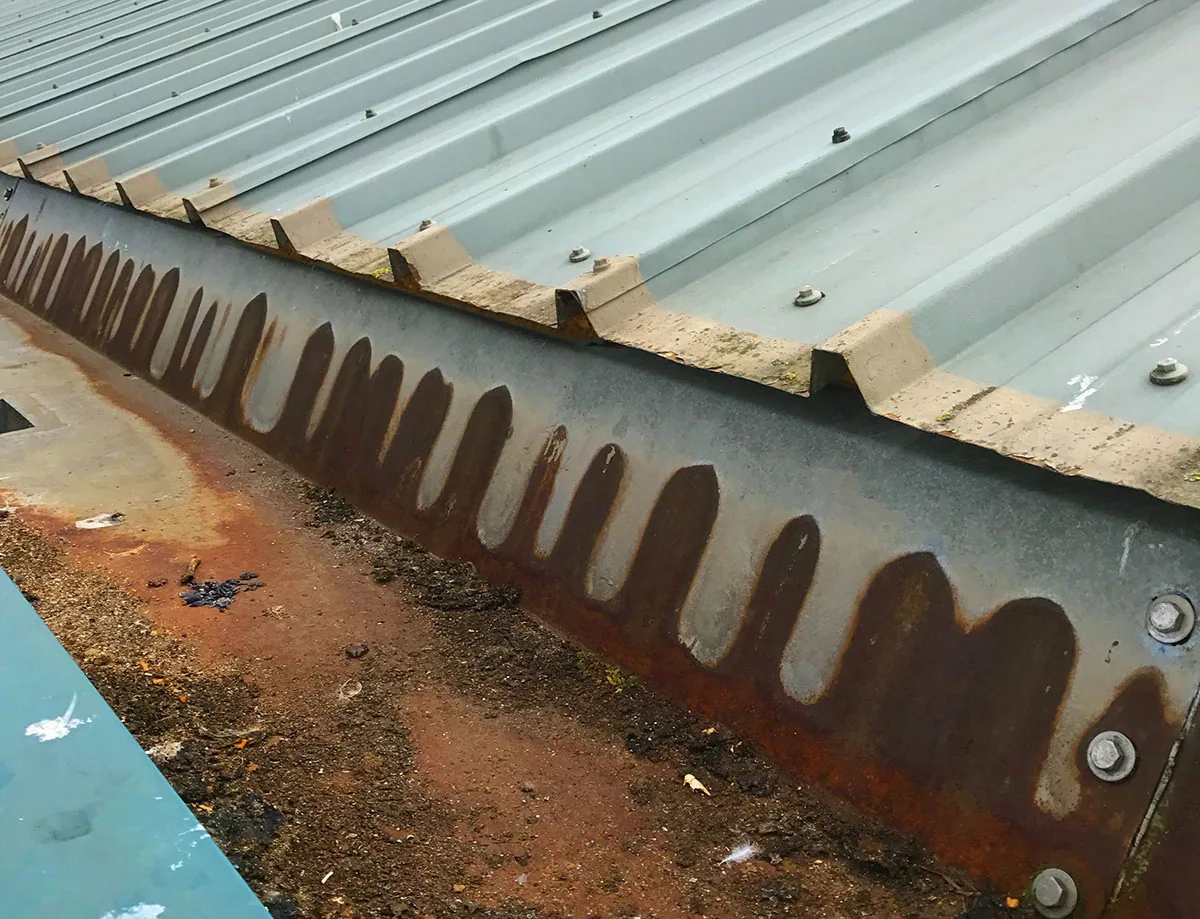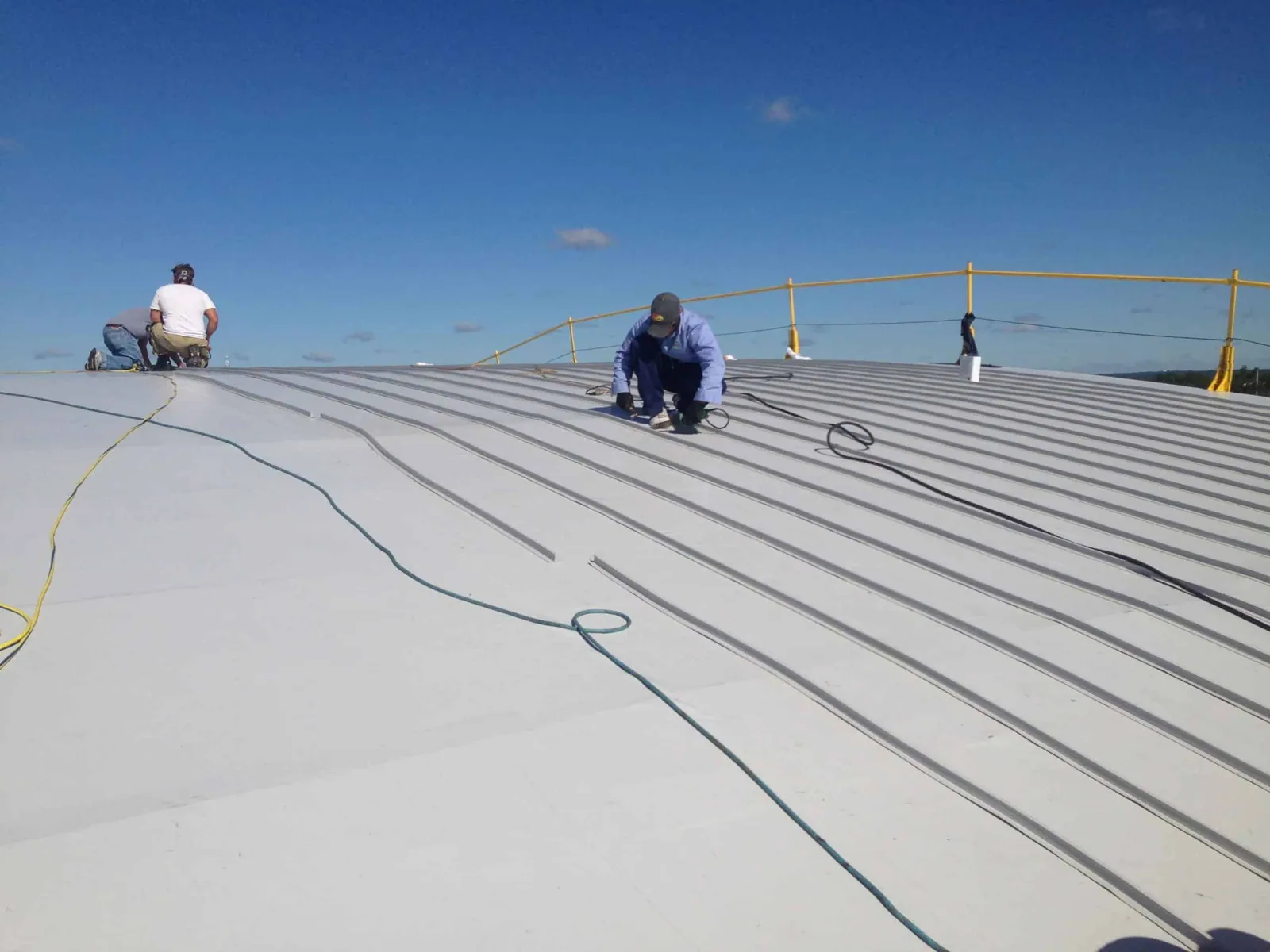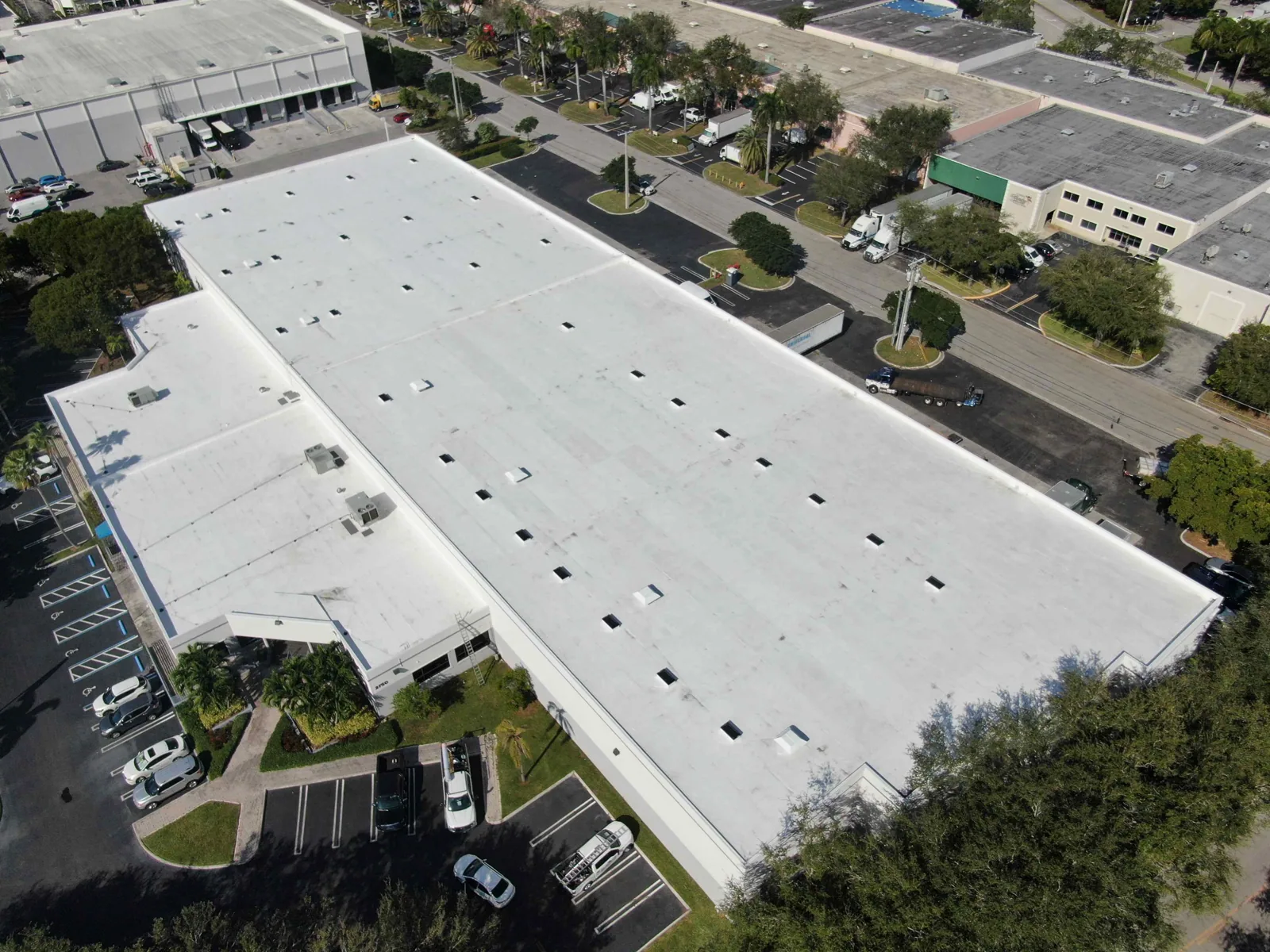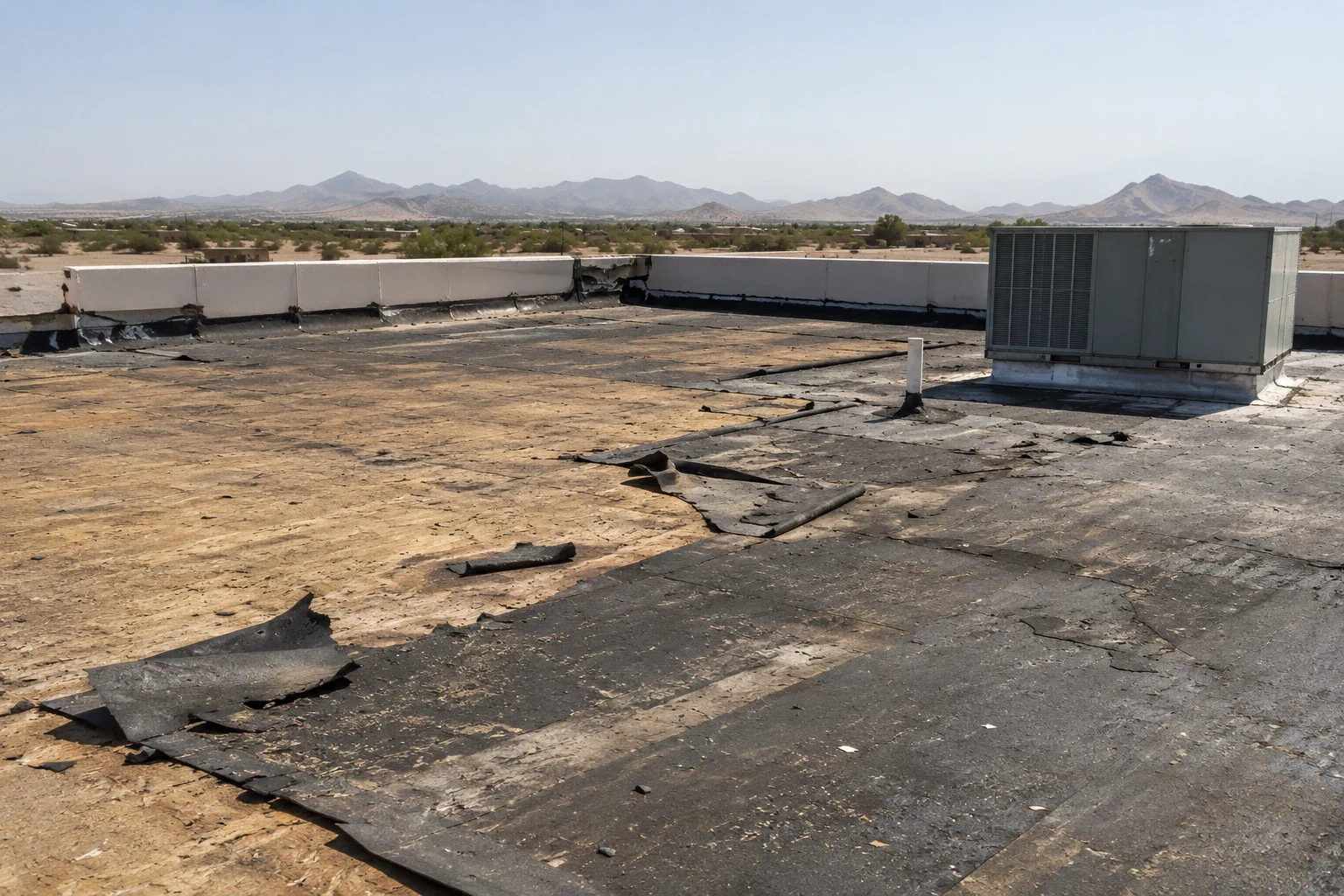
A GAF product name identifies a material family, not the condition of the roof already in place. We begin with the membrane, attachment, seams, edge details, penetrations, and any moisture below the surface. Lancaster's summer heat puts repeated movement into exposed roof components, so a proposed replacement or repair needs to account for the field as well as its transitions. The assessment records what can remain, what needs correction, and which system options fit the deck and building use.
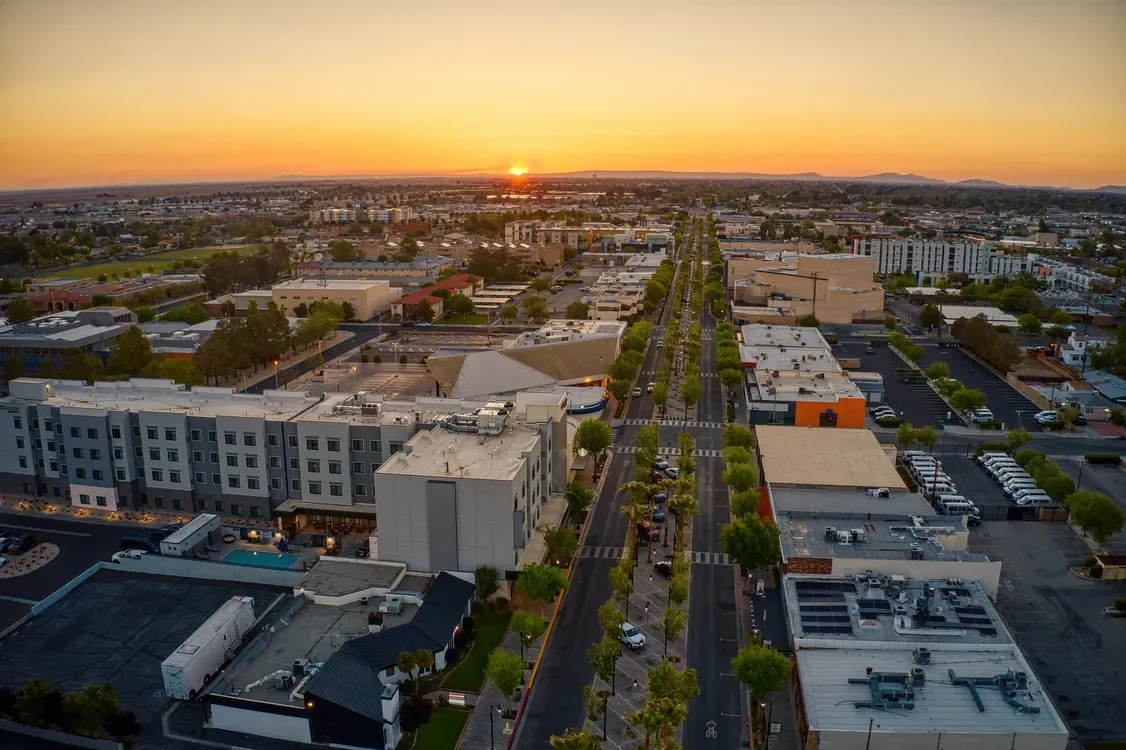
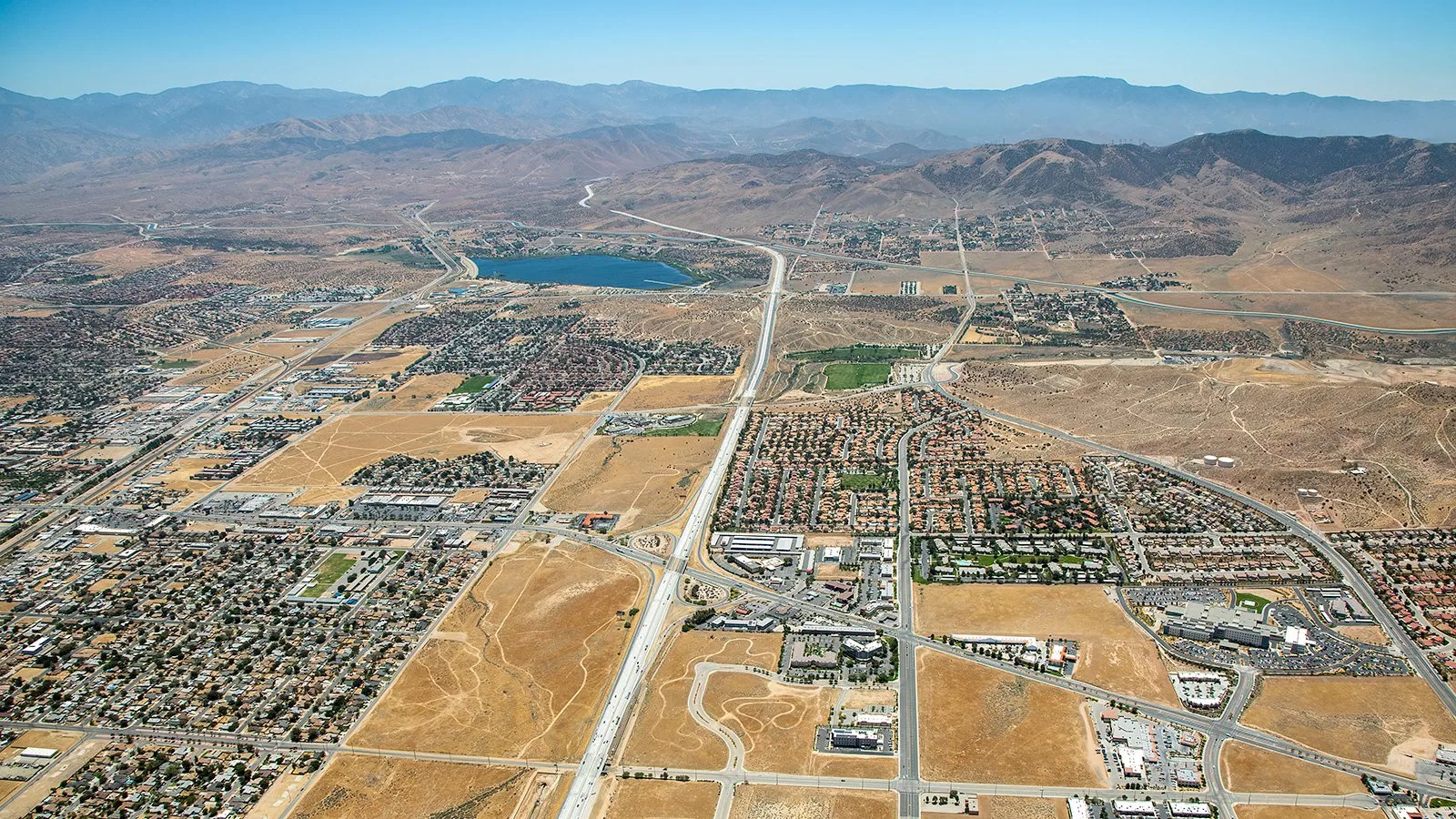
The city's inventory describes Fox Field as a medium and light industrial area west of State Route 14, while Lancaster Business Park supports light manufacturing, research, wholesaling, and professional uses. Those properties can have different equipment loads and service patterns. A roof assessment connects the actual building and its operations to the GAF assembly under consideration, rather than treating a product label as a complete specification.
Start With the Existing Roof Assembly
Before a material decision, we identify the existing membrane or cap sheet, insulation layers, cover board, deck type, attachment, and visible repairs. A roof may contain more than one generation of work, especially around additions, equipment replacements, or prior leak corrections. Test cuts and moisture surveys can establish whether insulation is dry and whether the substrate can support a recover. The written condition record maps those findings to roof zones so the owner can compare a local correction with a wider project.
For a single-ply roof, a TPO system and a PVC system have different material properties and should not be selected by name alone. GAF's EverGuard product line includes TPO, PVC, and PVC KEE membranes, with smooth and fleece-back options. We confirm which product and assembly the project documents specify, then coordinate its compatible insulation, cover board, attachment, and perimeter details.
Read Seams and Transitions as One System
Heat-welded seams are only one part of a thermoplastic roof. Water entry can begin at a curb corner, pipe boot, drain bowl, edge termination, or an area where a later trade disturbed the membrane. We inspect weld consistency and the surrounding sheet for movement, abrasion, puncture, or contamination. At a transition, the detail must carry the membrane into a stable termination and remain compatible with the adjacent material. Lancaster's warm-season thermal cycling makes that perimeter movement worth documenting before a new surface covers the evidence.
A targeted commercial roof inspection can distinguish a localized detail failure from a pattern extending across several roof zones. Carlisle's commercial roofing systems offer another product family to compare when an owner evaluates specified materials. The scope should state whether an existing GAF layer remains serviceable, whether a repair can be welded into it, or whether the affected area needs removal and replacement.
Match the Specification to Building Use
A light-industrial shop, warehouse, medical office, and retail building can place different demands on the same membrane. Kitchen exhaust, process discharge, rooftop traffic, stored materials, and frequent equipment service may change which details deserve closer attention. We ask what operates below each roof zone and where other trades regularly travel. The final assembly should reflect those exposures, drainage paths, access needs, and the deck condition confirmed in the field.
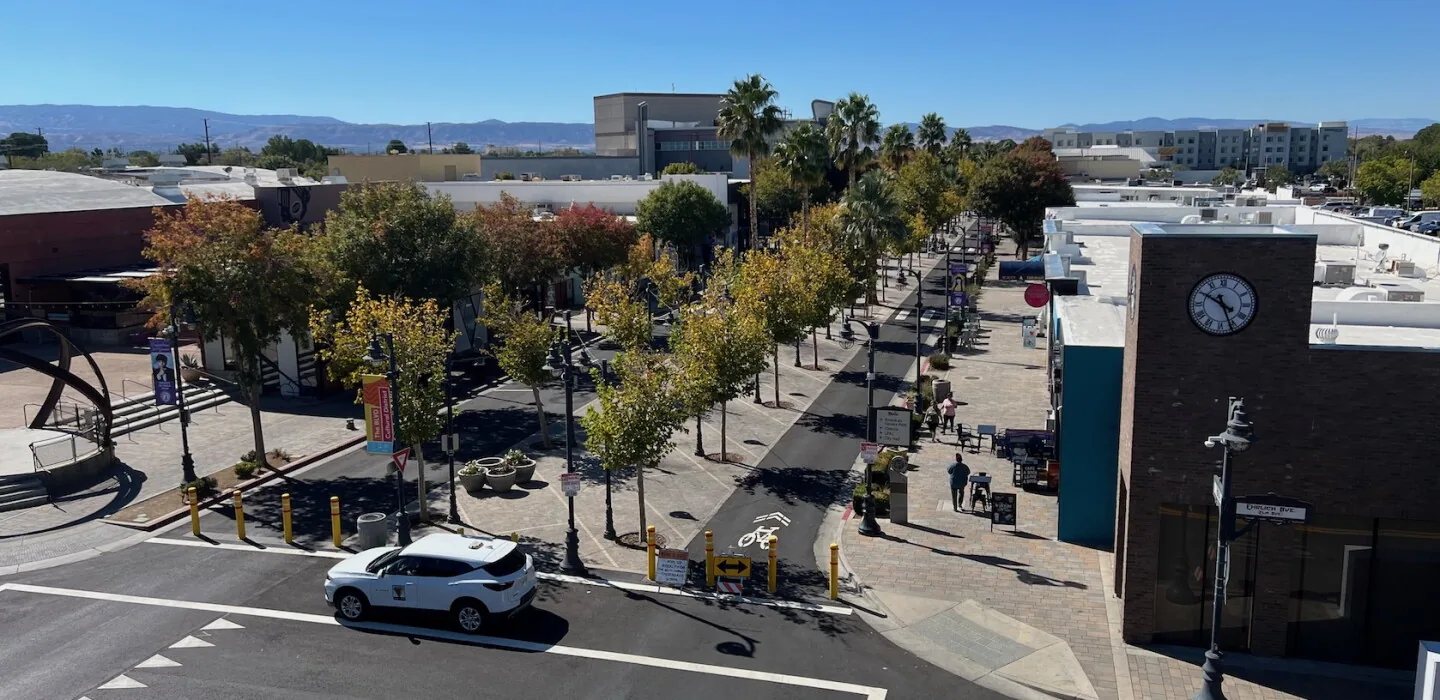
The Amargosa Creek plan includes a major medical use alongside office and retail development; the Health District also allows medical offices and related services. That mix makes interior protection and access coordination relevant on some projects. For a product comparison, the Johns Manville system range can be reviewed against the GAF assembly named in the project documents. A GAF system selection still depends on the roof details and project requirements, not the district's land-use designation.
Compare Repair, Recover, and Replacement
A repair can be appropriate when the surrounding membrane remains attached and sound, the substrate is dry, and the water path has a clear boundary. A recover may be possible when the existing assembly is stable, the added layers comply with project requirements, and drainage and edge height remain workable. Replacement becomes more relevant when moisture is widespread, attachment is failing, repeated patches obscure the condition, or the deck needs correction. We explain the field evidence behind each option and note what could change after opening the roof.
GAF publishes several attachment approaches for its single-ply systems, including adhered, mechanically attached, and induction-welded configurations. The roof geometry, deck, wind-design criteria, substrate, and project specification determine whether an approach fits. Our replacement assessment records those inputs before the scope names a new assembly. When an existing surface may be suitable for a recover, a roof recover evaluation checks the conditions that need to be resolved first.
For a Lancaster property, the file should also show how the proposed sheet connects to walls, curbs, drains, and metal edges. A specification that names a field membrane but leaves those details open does not give the estimator or facility contact a complete scope. We identify the compatible flashing materials, termination method, attachment pattern, and sequence for the edge work. If the roof has a history of repairs, photos from those locations can help separate a recurring detail problem from general aging. The owner can then compare a specific GAF assembly with the verified condition instead of choosing from a product list.
Keep the Installed Details in the Roof Record
After installation or repair, the closeout should identify the GAF membrane and accessory materials used, the roof zones completed, detail photographs, test results, and any areas outside the scope. That record helps the next inspection compare the same seams, curbs, edges, and drainage points. It also gives building staff a reference when HVAC or electrical work changes a penetration. Keep product documents with the roof plan and note the inspection date and conditions found.
Fox Field and North Lancaster contain industrial planning areas, and nearby Enterprise Business Park combines office, light industrial, and retail uses. Across those settings, roof access and maintenance routes can change as tenants and equipment change. A recurring maintenance review checks exposed details and drainage before small movement spreads. For a larger portfolio, a condition report can organize observations by building and roof section. Our review can include a Enterprise Business Park property as well as another local building with a different use or assembly. We can review the existing roof records and schedule an assessment for the Lancaster property.
Commercial Roofing Questions
Does a GAF product name tell us which membrane is installed?
Not by itself. We confirm the product from the roof markings, records, and field conditions, then compare the membrane with the seams, attachment, and accessories actually present.
Can a new GAF membrane go over the roof that is there now?
A recover is considered after moisture, attachment, deck condition, roof height, and drainage are checked. If those conditions do not support another layer, removal may be the more suitable scope.
What should an owner compare between GAF TPO and PVC?
The decision starts with building exposure, project requirements, and the condition of the substrate and details. We review those factors alongside the manufacturer's current system documents before specifying a membrane.
Will summer heat change the installation plan in Lancaster?
High daytime temperatures can affect crew sequencing, material handling, and the timing of work on exposed surfaces. We set the daily plan around actual conditions and the installation requirements for the selected assembly.
What records belong in the closeout file?
Keep the approved assembly, product information, roof-zone photos, repair limits, and any test results together. The record makes later maintenance and warranty-document review more precise.