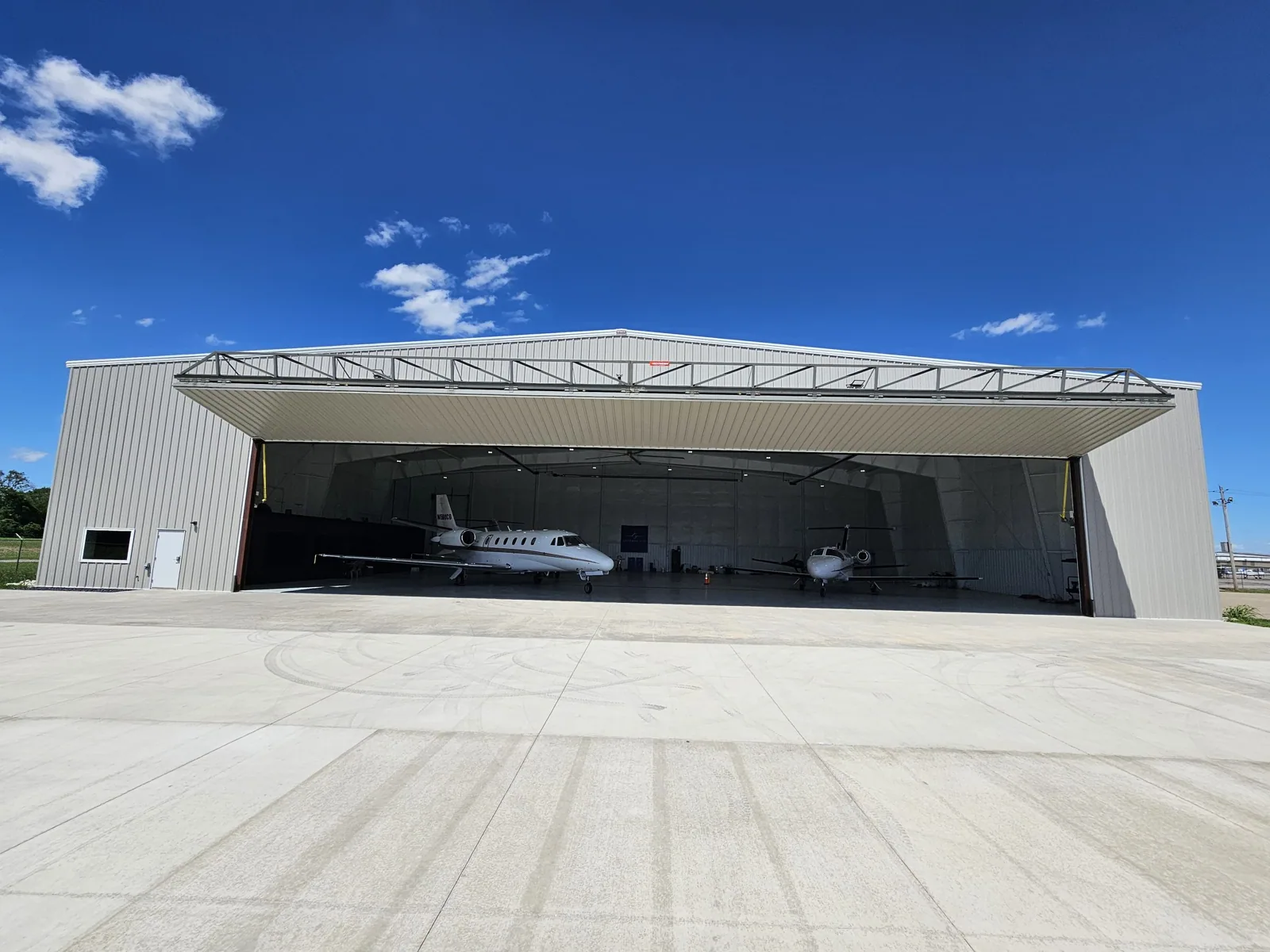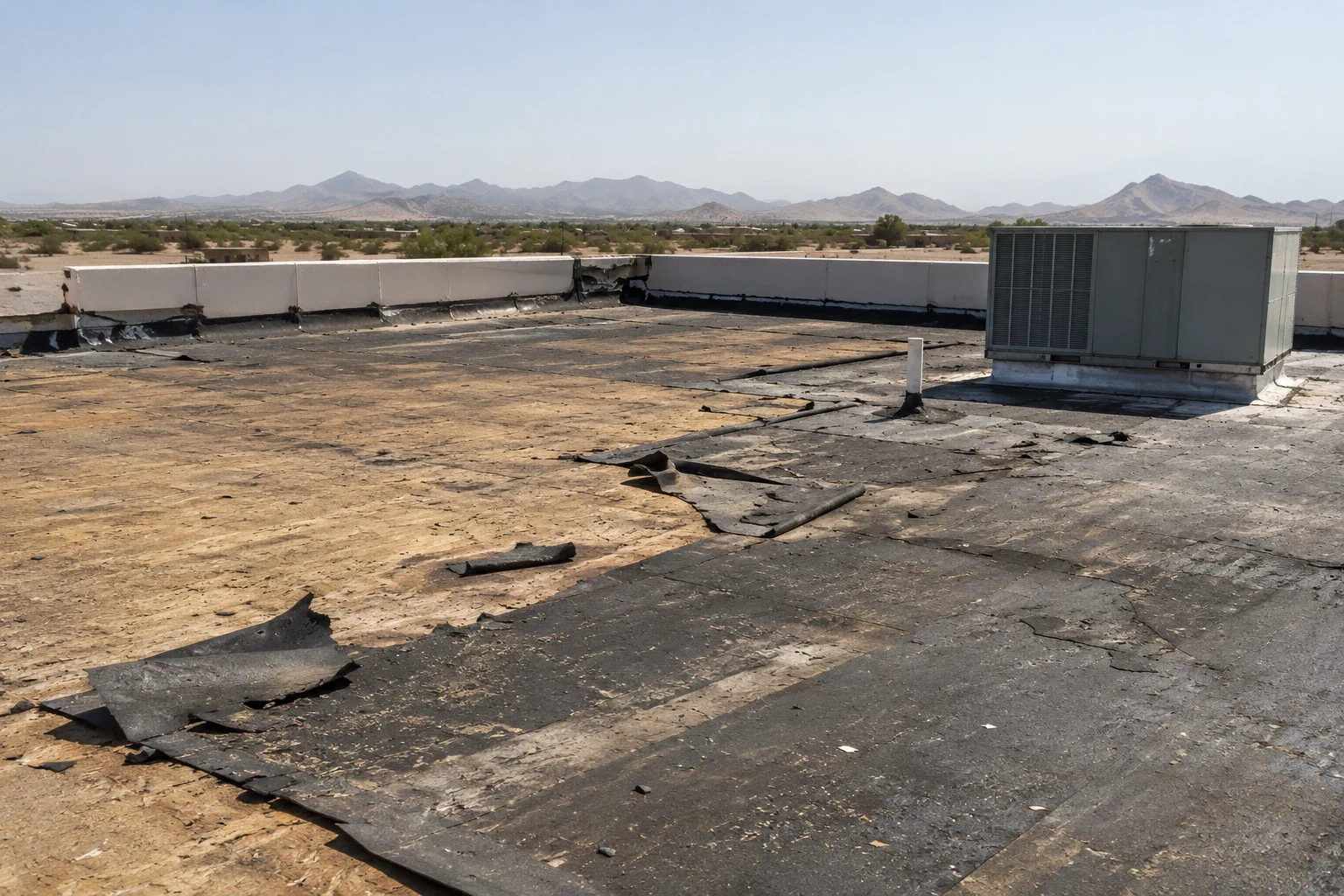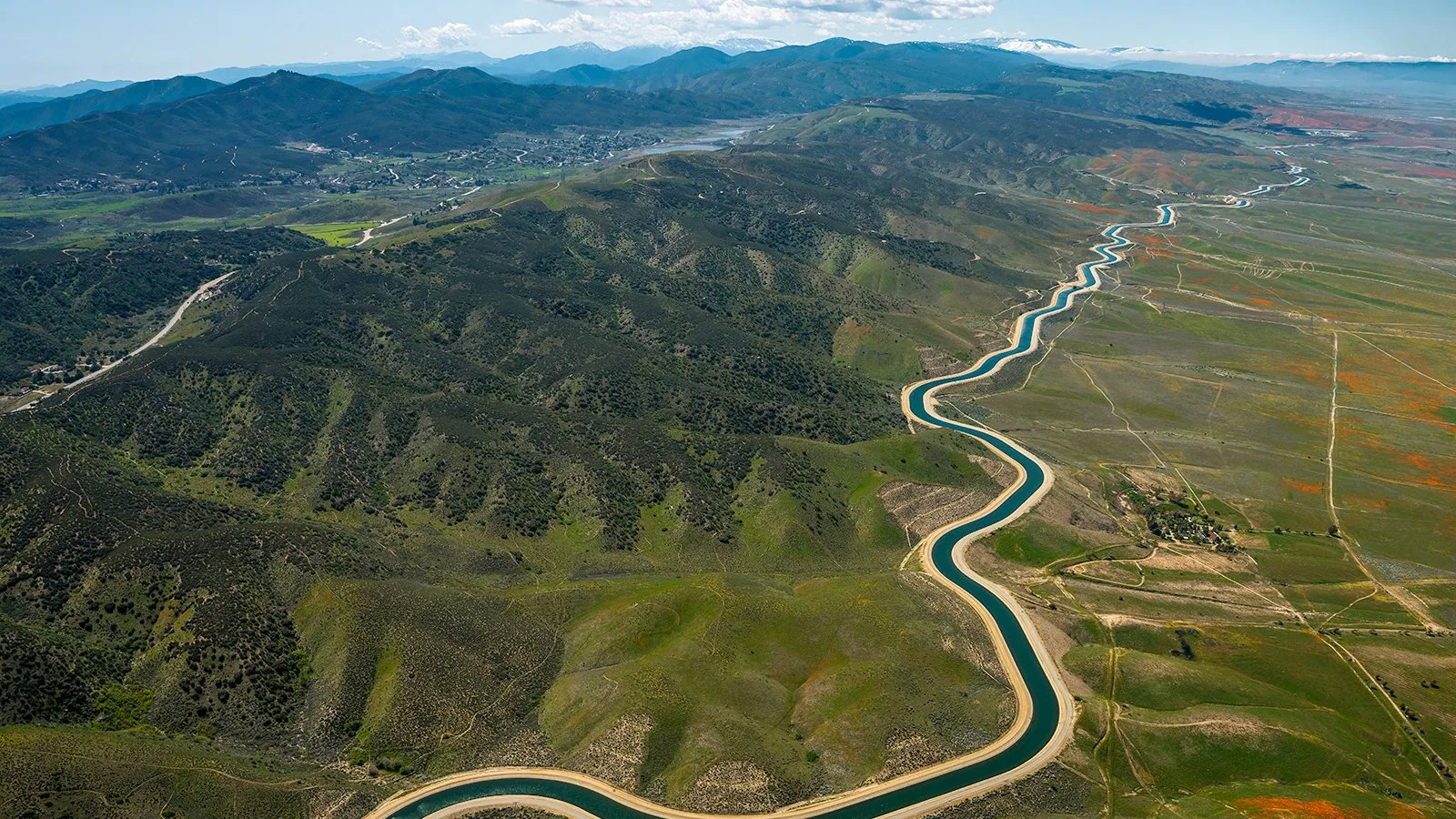
Maintenance bays keep aircraft, tools, and service equipment moving through a defined work sequence. A roof leak can affect a bay before the water entry point is visible, while repair work may need to fit around maintenance operations and controlled access. We map the reported interior condition to the roof details above it, record what is confirmed, and define what needs further testing. The facility's own authorization, safety, and contracting requirements govern any site visit or work.
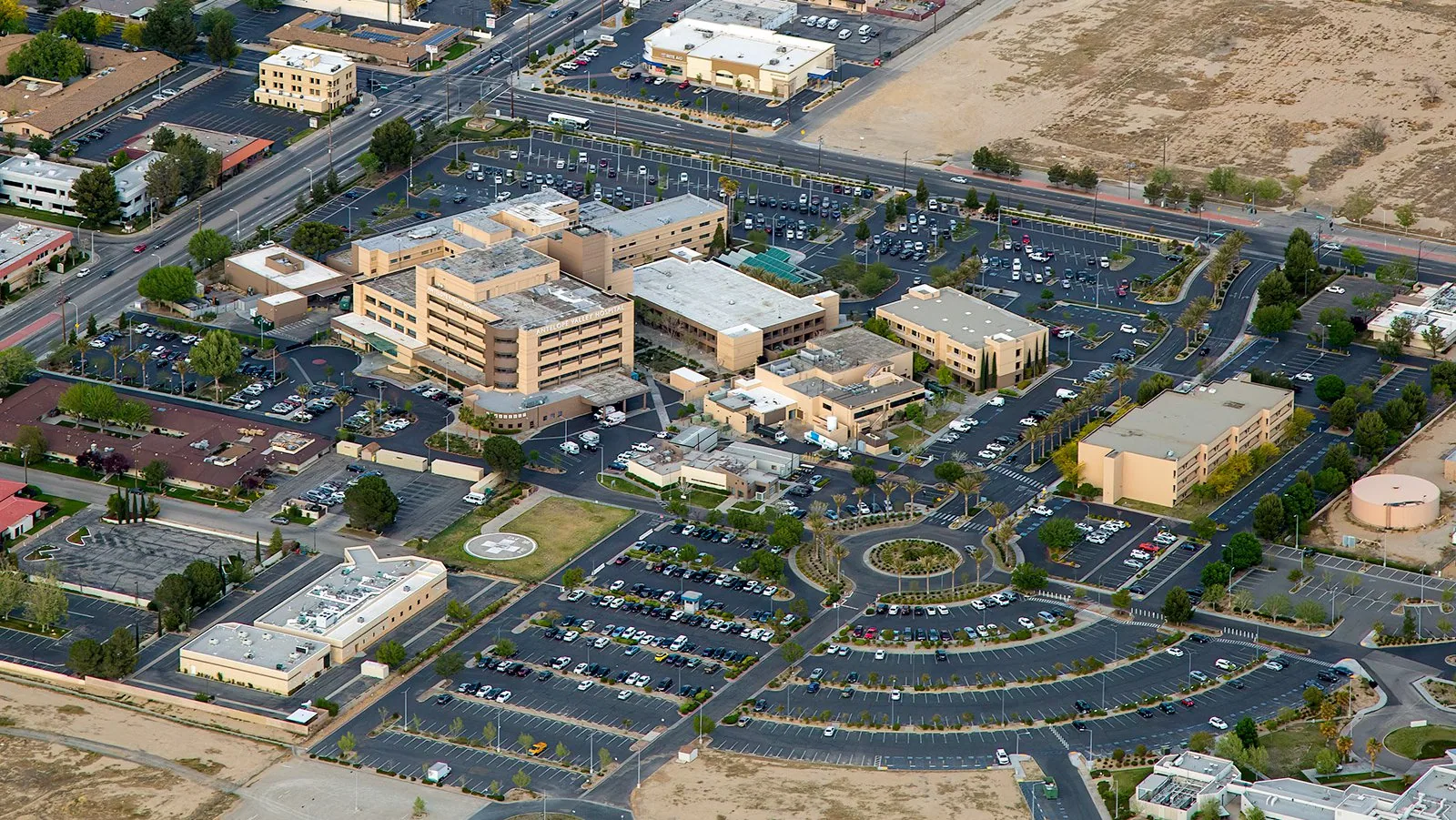
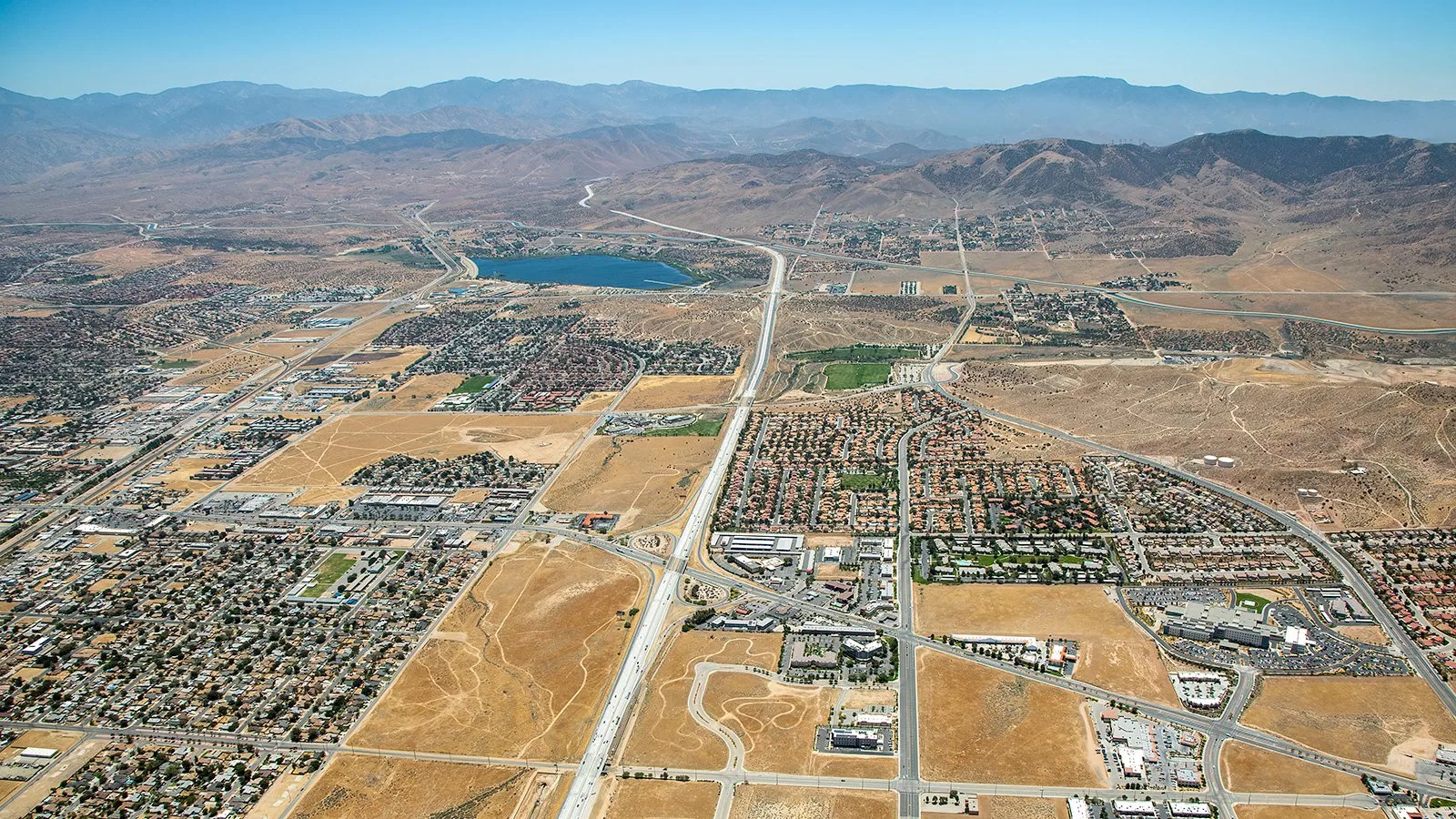
The regional aviation footprint includes Air Force Plant 42 in Palmdale, where contractor-operated facilities build and maintain military aircraft and components, and Edwards Air Force Base to the northeast. Plant 42 includes about 3.2 million square feet of industrial space. These facts help frame the area's aviation building stock, while each maintenance facility's roof and access plan remain site-specific.
Map the Finding to a Maintenance Bay
A water mark beside an aircraft work stand does not show where the roof opened. The route can cross a deck joint, insulation seam, equipment curb, or long metal panel before reaching the floor. We compare the reported location and timing with the roof plan, weather, prior repairs, and recent mechanical work. The inspection records details that can be reached under the site's rules and distinguishes surface observations from test results.
If the path remains uncertain, the facility can authorize targeted testing in a defined zone. The work plan identifies who approves an opening, what interior protection is needed, and how the assembly will be closed after sampling. A commercial roof inspection can establish a condition baseline; selected testing can confirm moisture at the sampled points. The report does not present inaccessible bays as inspected.
Inspect Roof Interfaces Around Service Equipment
Aircraft maintenance buildings can carry exhaust, ventilation, heating, and mechanical equipment that receives regular service. Replacements or modifications may change a curb dimension, leave an abandoned penetration, or disturb the flashing during access. We inspect the detail at the equipment, its nearby membrane, and any walkway or protection that has shifted. If another trade must move a unit, the roofing scope should define who restores the seal and confirms closure.
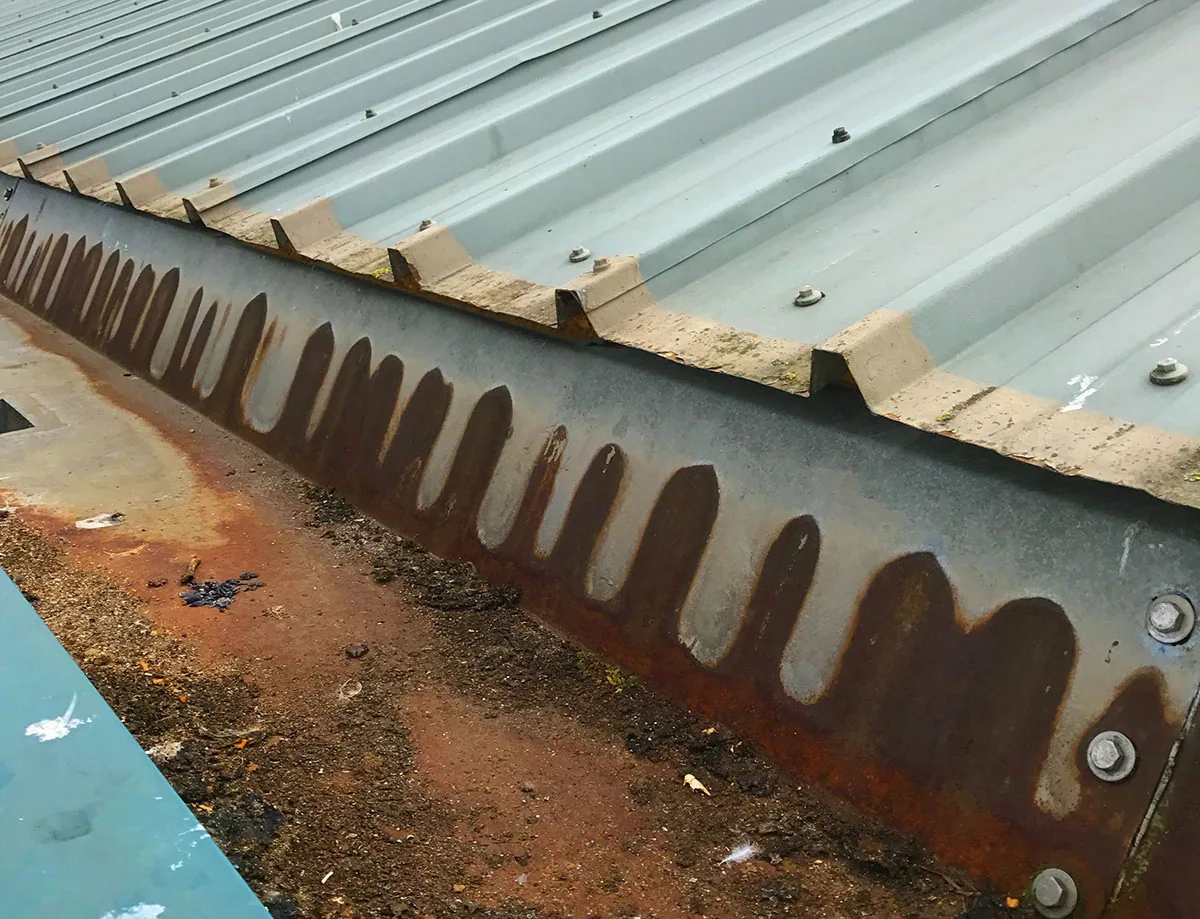
Hangar and maintenance roof structures can include long panel runs, skylights, or transitions between additions. Each connection needs inspection in its own right. Water at a bay line may follow a failed lap, while a ceiling stain near a wall may point to the roof-to-wall interface. We photograph both the observed defect and adjacent condition so the facility can see why the proposed repair ends at a particular boundary.
Sequence Repairs with Facility Operations
The maintenance lead can identify aircraft movement, overhead equipment, work-cell schedules, deliveries, and zones that must remain clear. We coordinate roof access, material lifts, staging, escorts, and temporary protection before setting a date. If the repair sits above a production or inspection area, the plan names the space that may need to close and how the crew will keep adjacent movement routes safe. Any change to the sequence should go through the facility contact. Some maintenance buildings have overhead rails, cranes, or service platforms that restrict the area beneath roof work. The facility should mark their operating envelope before material lifting or interior protection is planned. We can note which bay sits above that equipment, whether a shutdown or spotter is required under site rules, and how the crew will keep tools and debris clear of the maintenance zone.
Military sites can apply contractor eligibility, badging, escort, safety, and procurement rules that differ by installation. The operator confirms which approvals are needed and whether they cover the intended work. Aircraft hangar roofing addresses broad hangar conditions; Air Force installation roofs can also require owner-specific approvals. Similar roof shapes do not make access or project requirements interchangeable.
Follow Runoff Across Large Roof Areas
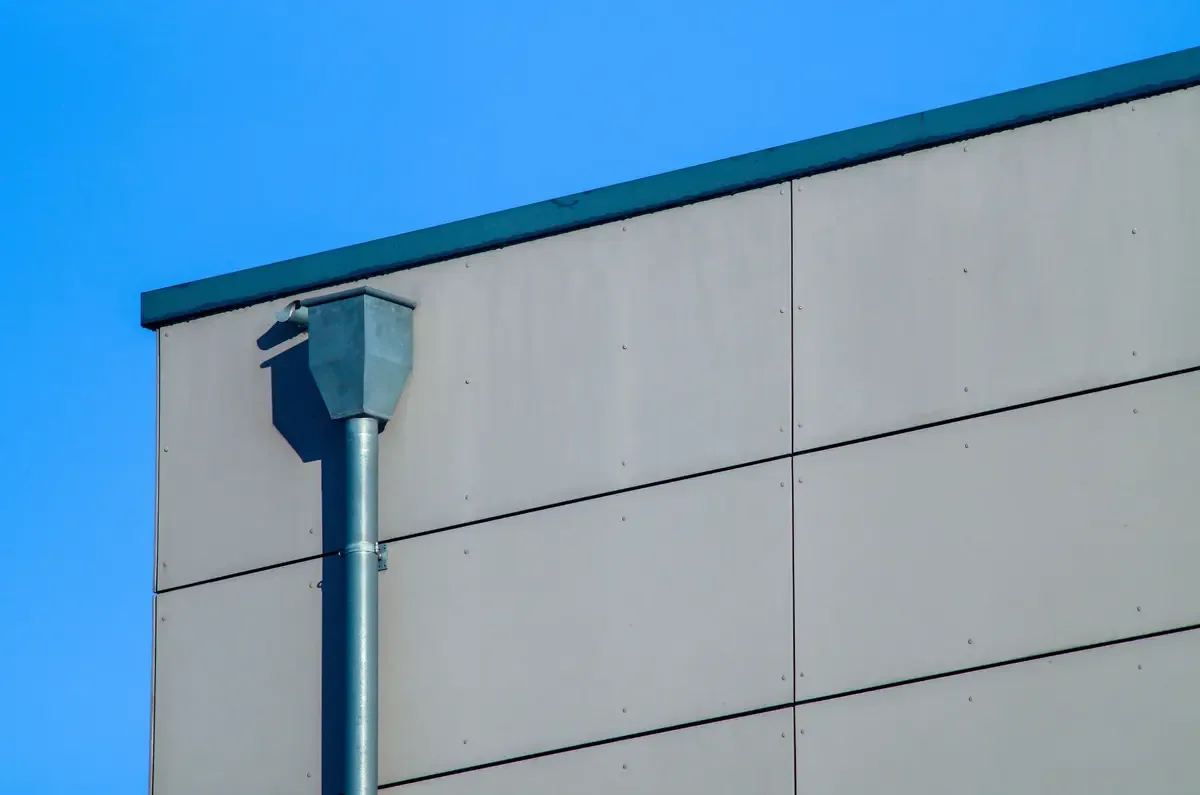
A large maintenance roof can collect runoff over a long path before reaching a drain, scupper, or edge gutter. We check each outlet, the overflow route, nearby panel seams, and the low points above the affected bay. A blocked strainer may explain standing water; a failed seam at an equipment curb remains a separate concern. The inspection also records whether roof access or site controls kept the crew from reaching an outlet.
Most of Lancaster's normal annual rain occurs between November and March, although the year's total at William J. Fox Field averages 6.81 inches. A brief storm can challenge a long drainage run even where yearly rainfall is modest. Drain and scupper repair can address a documented outlet defect; the report can identify another roof detail if runoff is not the only source. Follow-up after a storm may confirm where water discharges.
Define Repair, Recover, and Replacement Boundaries
A repair can be suitable when the failed seam, flashing, or fastener detail is contained and adjacent materials remain sound. If testing indicates wet insulation or substrate damage beyond the first opening, the scope should extend to verified limits. A recover depends on layer attachment, moisture, and compatibility. Replacement may be considered when the roof has recurring failures across several bays or when deck conditions affect the assembly choice. The report presents these options without substituting for facility procurement decisions.
For some buildings, bay-by-bay phasing can allow operations to continue outside the active work zone. A replacement assessment can lay out distinct sections and transitions; scheduled maintenance can track penetrations and drains over time. The proposal states which observations are confirmed, which areas were tested, and what access or approval remains outstanding before work proceeds.
Preserve a Record for Future Maintenance Cycles
Closeout files should identify the building, bay, roof material, repaired detail, and any test openings. Photos and notes can show equipment changes and where the crew staged materials or walked the roof. If another contractor will service the unit, the record can call out the protected route and any point that needs coordination. That shared information helps the next maintenance cycle avoid damaging a completed repair.
When leakage returns, compare the new report with prior repairs and inspection limitations before expanding the scope. Send the roof plan, event dates, equipment work orders, and approved access information for a focused visit. A clear facility record helps separate a new membrane failure from an opening disturbed by later service. It also gives the site contact a specific list of questions for the next roof assessment. The owner can attach that record to its next approved maintenance work order.
Commercial Roofing Questions
Does a roofing contractor need base approval before inspecting a hangar?
Contractor eligibility, escort rules, and inspection limits come from the facility. Those requirements should be confirmed before travel or scheduling.
Can aircraft maintenance continue during roof repairs?
That depends on the roof zone, lift and staging plan, weather protection, and the site's operating rules. The work scope identifies which bay or route needs temporary restriction.
What should a maintenance manager provide for a roof assessment?
An authorized roof plan, leak reports, equipment changes, previous repairs, and access instructions help define the visit. The facility decides which records and spaces can be shared.
Can a roof leak damage equipment far from the opening?
Water can follow a panel joint, deck, or structural member before appearing below. Inspection maps the interior report against roof-side details and testing can confirm moisture at selected points.
What findings support a full roof replacement review?
Recurring failures, wet material across several bays, or substrate concerns can warrant a broader scope. A condition map shows whether issues are isolated or extend across the assembly.