A roof leak over an aircraft bay can affect equipment, work surfaces, and the schedule for moving aircraft through a large door opening. The visible stain may not sit below the roof defect, so the inspection maps the interior report to seams, penetrations, drains, and transitions above it. We record the roof assembly and observed condition, then identify whether a repair, testing, or broader review is warranted. The scope accounts for aircraft movement and controlled access before mobilization.

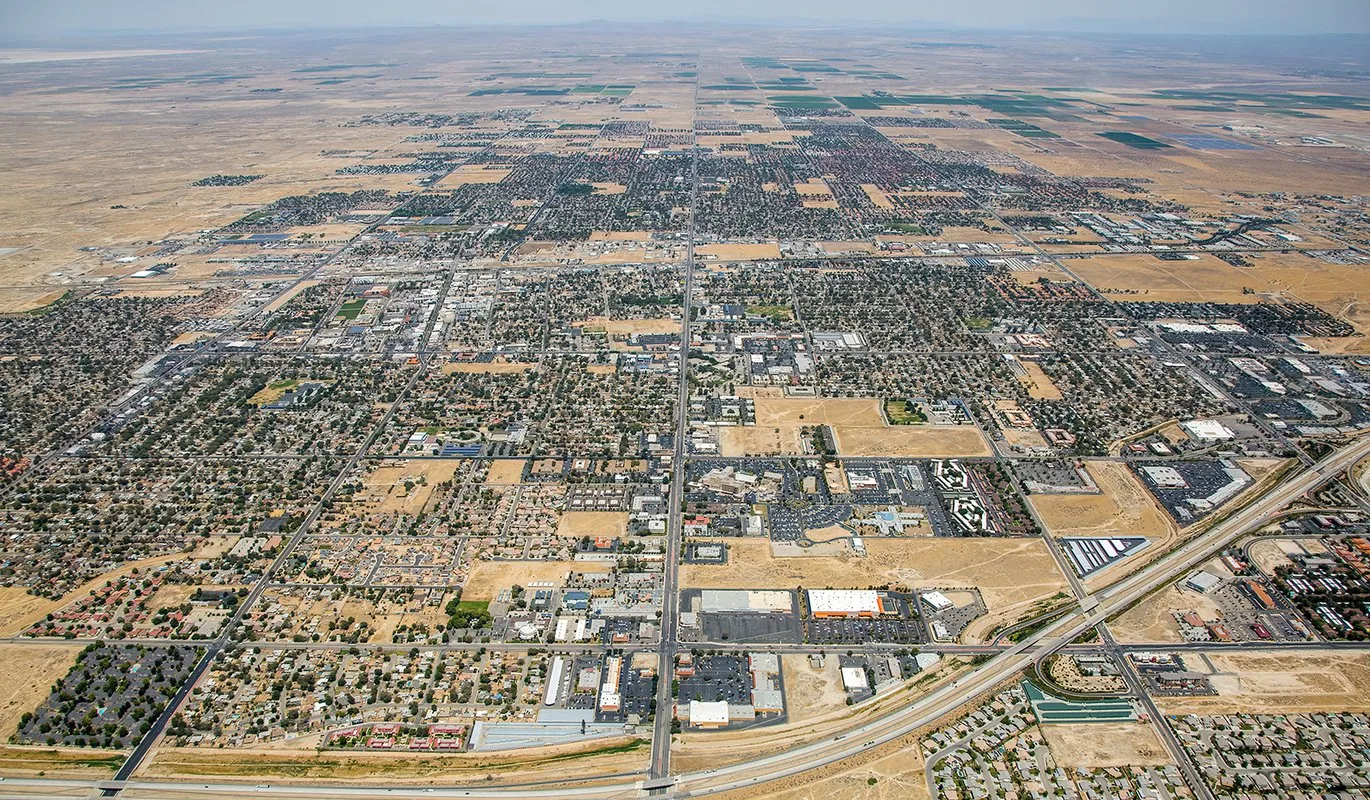
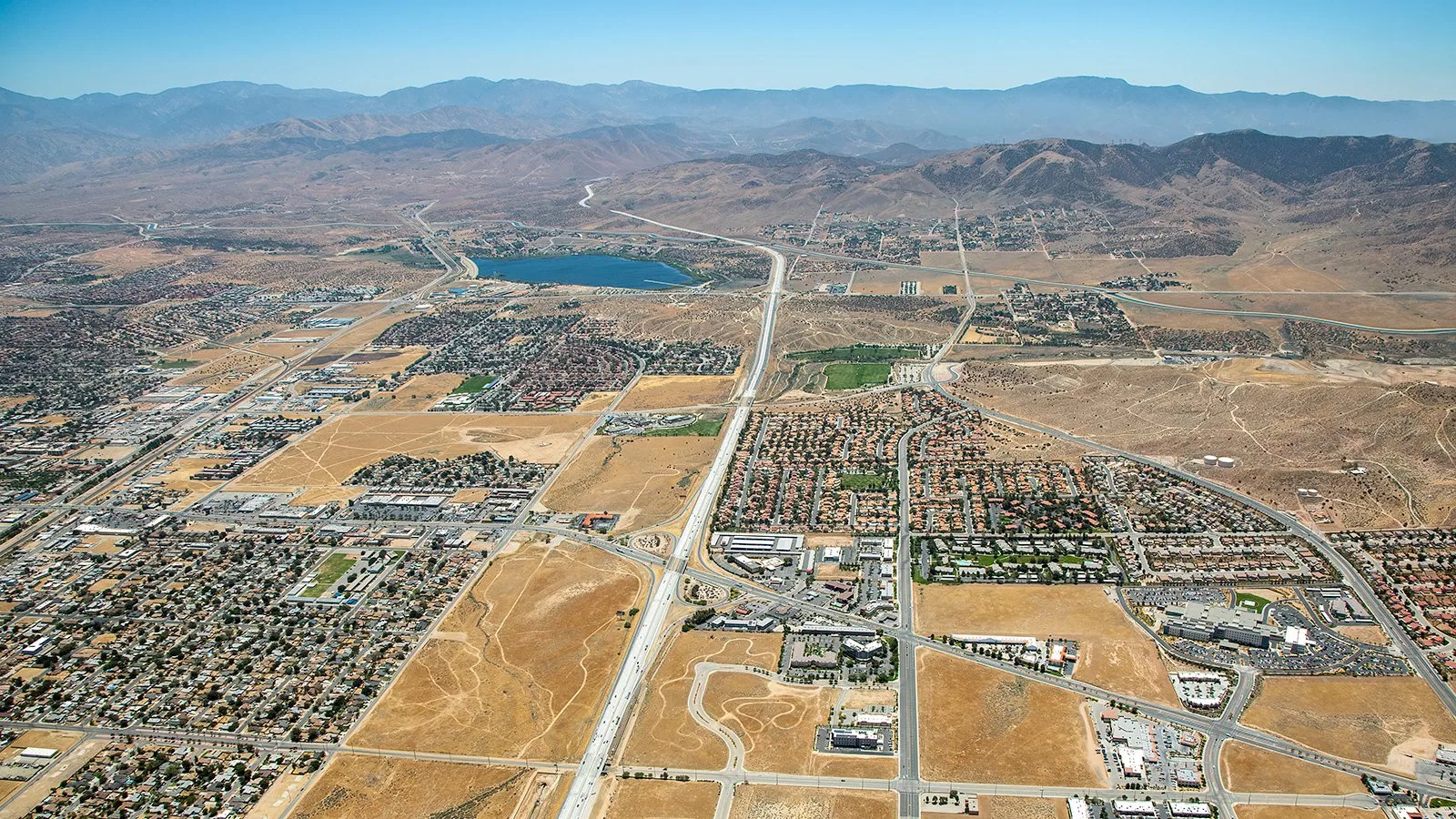
The Fox Field Industrial Corridor is a Lancaster industrial planning area. Neighboring Palmdale has aerospace, advanced manufacturing, logistics, medical, and retail activity. Air Force Plant 42 in Palmdale supports construction and maintenance of military aircraft and components. For a property in the Palmdale area, access rules and roof records shape the assessment. A specific property's access rules and roof record determine what work can be planned.
Trace the Leak Across a Clear-Span Roof
A hangar's wide interior can make a small roof opening difficult to locate from the floor. Water may travel along a purlin or deck joint before reaching a maintenance bay. We compare the reported location with roof access, weather timing, drains, ridge or wall transitions, skylights, and prior patches. If the route remains uncertain, testing can show whether insulation is wet at sampled points. The report notes both the evidence and the areas that were not accessible.
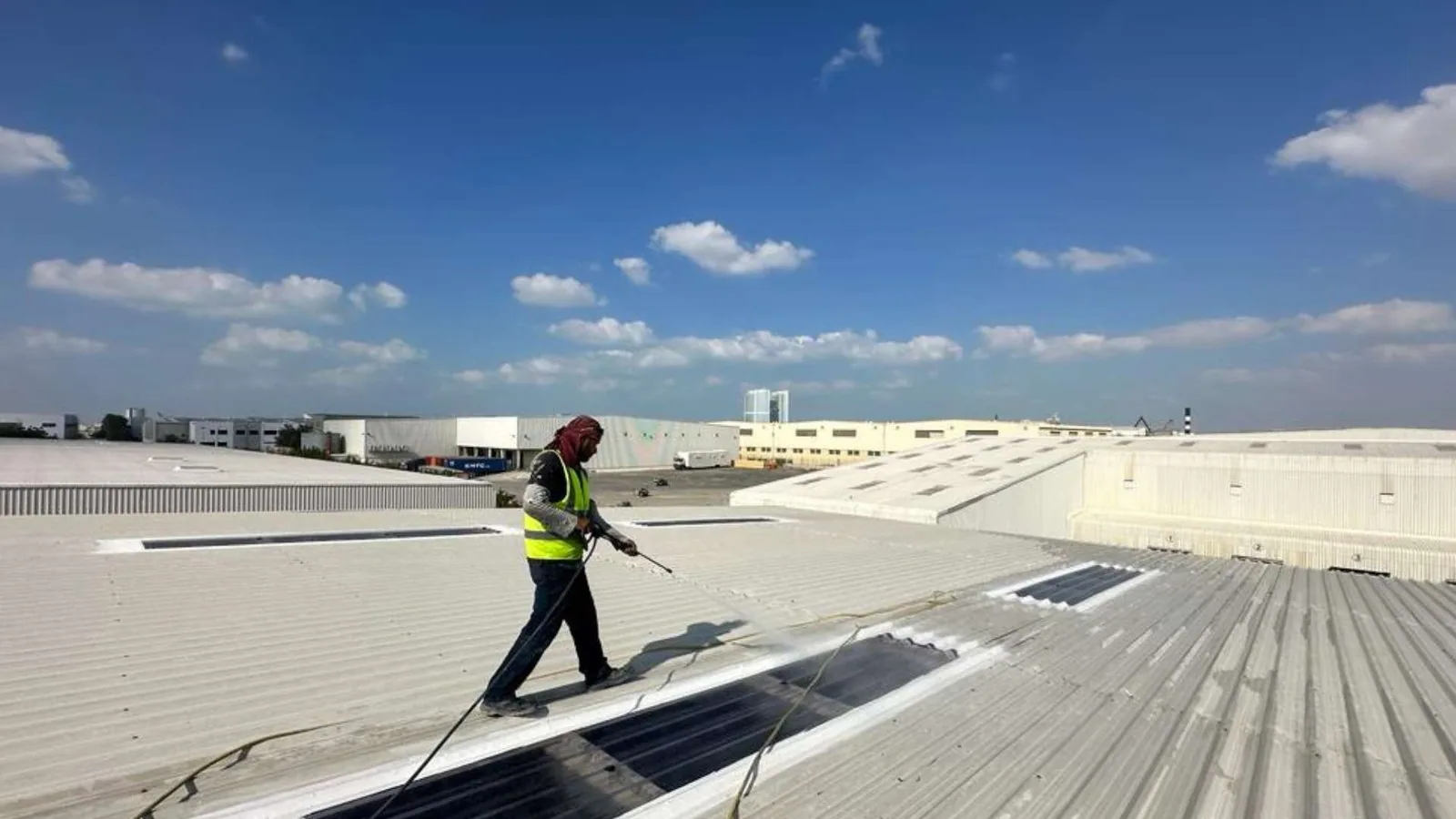
Inspection access may require escort, equipment clearances, or coordination with the facility's safety contact. We agree on the work zone and any aircraft or tool relocation needed before lifting materials to the roof. A commercial roof inspection can map the assembly; leak repair can address a confirmed entry path. Neither step assumes authorization beyond the facility's own rules.
Review Doors, Wall Lines, and Equipment Openings
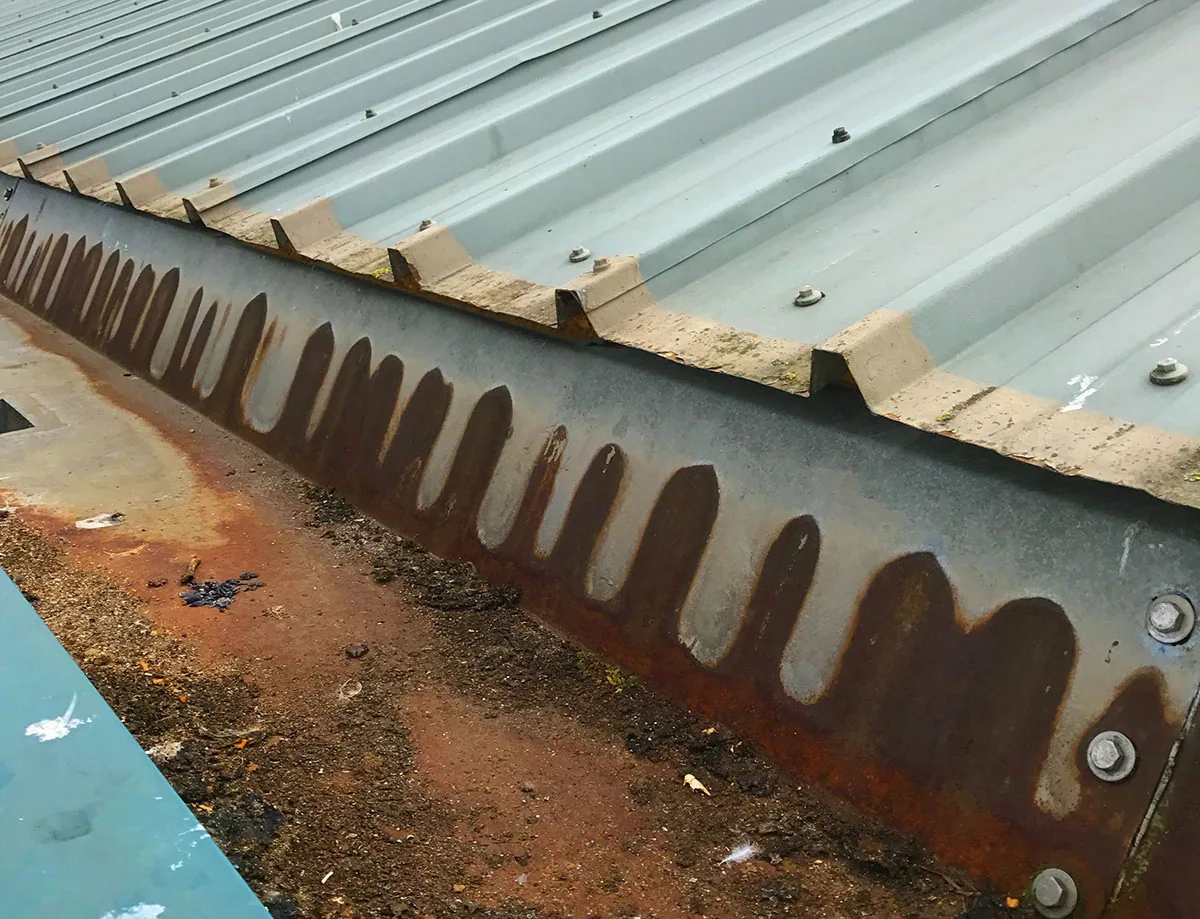
Large hangar doors create moving wall interfaces where roof, frame, and perimeter details meet. We inspect head flashing, side transitions, sealant, and any roof drainage that discharges near the opening. Exhaust fans, unit curbs, fall-protection attachment points, and service penetrations require separate attention because maintenance activity can alter their flashing. The scope identifies which detail is failing and which trade should restore it after equipment work.
Clear-span roof structures may also move with thermal cycles, making fastener lines, metal panels, and membrane transitions worth reviewing. Lancaster's summer climate places sustained heat on exposed materials; the normal high at William J. Fox Field reaches 97.8°F in August. A roof temperature or age alone does not establish failure. We document visible movement, attachment condition, and any moisture evidence that changes the repair boundary.
Plan Work Around Aircraft and Secure Areas
Before a crew arrives, the hangar contact can identify aircraft parking, service bays, overhead equipment, security controls, and delivery routes. The repair plan should define who can authorize roof access and where materials may be staged. If a test cut or interior inspection is needed, the scope states the area and protection required. Work can be sequenced by roof bay when that keeps unaffected operations available and safe. If active leakage requires temporary protection, the facility and roofer should agree on containment, interior monitoring, and who can authorize a change to the aircraft movement plan. The crew should also confirm that temporary materials are secured against wind and do not obstruct a door, exhaust outlet, or required safety system. The crew should record temporary measures in the closeout.
Some facilities require special badging, escorts, insurance documents, or procurement steps before work is considered. Those requirements belong to the site owner and contract process. Military hangar maintenance facilities can have additional controls; an Air Force base building has its own access and project requirements. The roofer should confirm authorization before committing to an entry date or describing work as approved.
Check Runoff at the Door and Roof Edge
Water near a hangar door may come from a roof outlet, edge condition, or a blocked drainage route above the opening. We inspect drains, scuppers, gutters, overflow paths, and the membrane around each low point. The record distinguishes water that is ponding on the roof from runoff that is spilling at the perimeter. If a canopy or apron receives discharge, we note whether the water route creates an operational or surface concern below.
The annual precipitation normal at Lancaster's William J. Fox Field station is 6.81 inches, with most typical rain concentrated between November and March. A short storm can still test a long roof run and a door-side outlet. Drain and scupper service can address a verified blockage or defect. The facility should know what was cleared, what was repaired, and whether another observation is needed after rainfall.
Set the Scope from Testing and Operating Need
A repair may be appropriate when a seam, penetration, or edge defect is contained and surrounding materials remain sound. Where sampling confirms wet insulation across multiple bays, the work should extend to a defensible dry boundary. Recover depends on attachment and compatibility of existing layers. Replacement merits review when repeated failures, deck conditions, or a broad moisture pattern affect the assembly. The report separates confirmed findings from conditions that could change after opening.
For a hangar operator, phasing by bay may help maintain movement paths while a section is repaired, if the temporary condition can be protected. A replacement assessment can compare options by section; maintenance visits can monitor drains, door transitions, and equipment details. The proposal identifies staging, access, and any area excluded from testing so the owner can coordinate operations against a clear scope.
Keep Aviation and Roofing Records in Step
Closeout material should identify each roof bay, photos, work completed, tested areas, and the status of door and drainage details. A maintenance log can connect roofing activity with equipment changes or service work that crossed the membrane. This helps a later inspector distinguish a new opening from a prior repair and makes repeat access more efficient. We also document limits on areas the crew could not reach or inspect.
A hangar roof should be reviewed after major equipment installation, significant leakage, or evidence that water has reached insulation. The owner can provide the roof plan, operating constraints, and prior inspection reports to focus the next visit. Where a project has controlled access, the facilities lead should confirm approvals before the work window is set. The resulting assessment can support a repair decision without promising access or procurement status that the contractor does not control.
Commercial Roofing Questions
Can aircraft remain inside while a hangar roof is repaired?
That depends on the work zone, lifting plan, weather protection, and the facility's safety rules. The assessment identifies the area that must be cleared and any temporary limits before scheduling.
Why might water appear far from the roof opening?
On a broad roof, water can follow deck joints or structural members before reaching the floor. Roof-side inspection and targeted testing can help locate the entry point.
Does a roofer automatically have access to military facilities?
No. Each installation or controlled site determines its own authorization, escort, procurement, and safety requirements. Those approvals need to be confirmed with the facility before work is scheduled.
What is important to inspect around a hangar door?
The roof-to-wall transition, head flashing, drainage discharge, and adjacent seals should be reviewed for separation or water entry. The condition below the opening also helps establish whether runoff is affecting operations.
When should a hangar roof move from repair to replacement review?
A broader review may be warranted when testing shows moisture across several bays, failures recur, or deck condition affects the assembly. Inspection results should define the scope before that decision is made.