A drip over a fellowship room or a stain along the sanctuary ceiling can interrupt a gathering even when the roof defect is limited to one detail. Houses of worship often use several connected spaces for services, classrooms, offices, and community events. We trace the interior report to the roof assembly, inspect the likely seams or penetrations, and explain what evidence supports the repair. The work plan accounts for event schedules, safe access, and protection in occupied rooms.

Lancaster's adopted planning areas include the downtown district, where civic, residential, office, and retail uses meet, and the Lancaster Business Park, which supports professional and commercial activity. A worship property's roof still calls for a building-specific inspection: a flat classroom wing, older sanctuary, and newer fellowship addition may not share the same assembly or drainage path.
Trace the Interior Mark to a Roof Detail
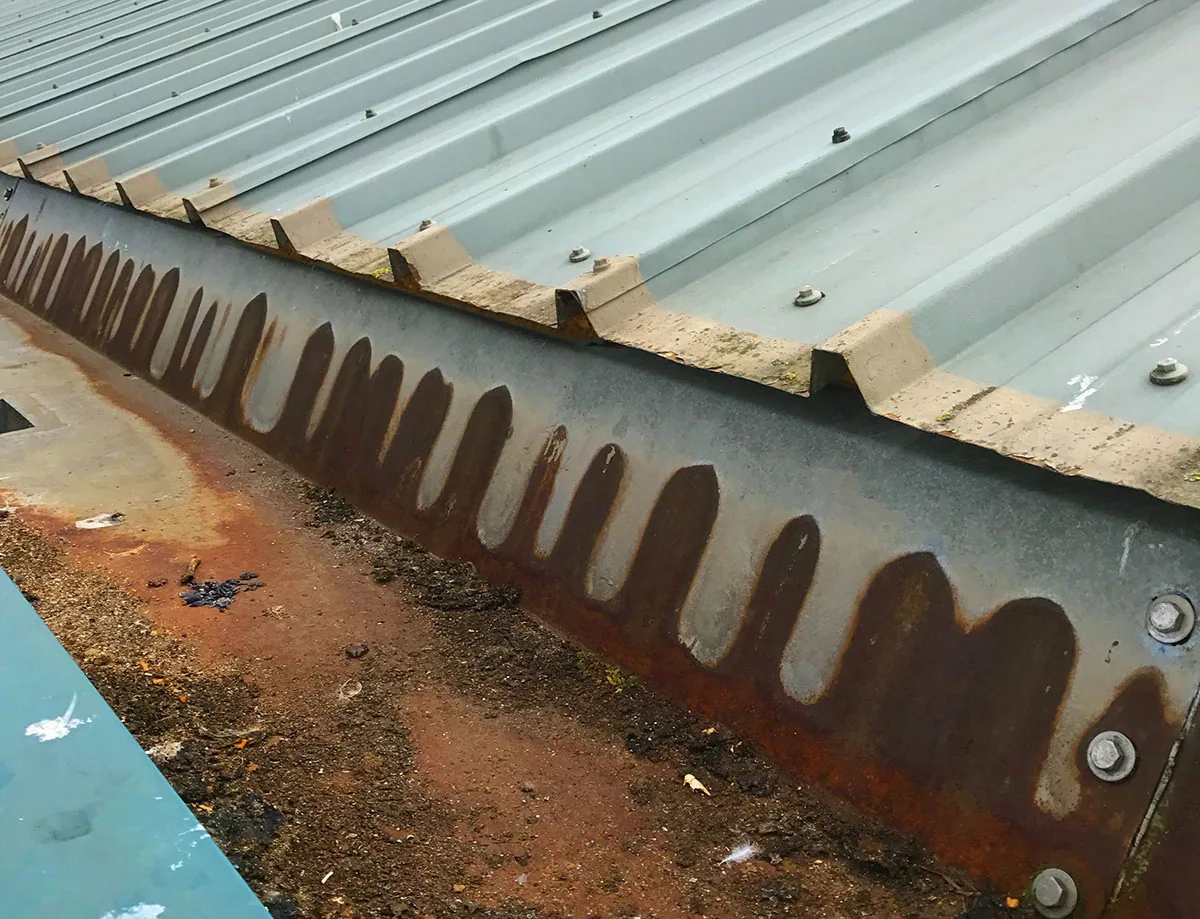
Water can travel from its entry point across a deck, along a framing member, or through insulation before reaching a room below. We compare the report date and location with roof access, recent work, and the direction of nearby drains. The inspection checks field seams, parapets, skylight curbs, vents, and transitions between additions. If those clues leave more than one possible source, targeted testing can help identify the boundary before the repair area is opened.
A useful report distinguishes active leakage from a stain that has not changed, and identifies areas that were not tested. That helps the building contact decide whether a temporary measure is needed before a scheduled service or event. A commercial roof inspection can map the larger assembly; a leak repair visit can focus on an established water path. The scope should remain tied to findings rather than a room label alone.
Review Additions, Vents, and Rooftop Equipment
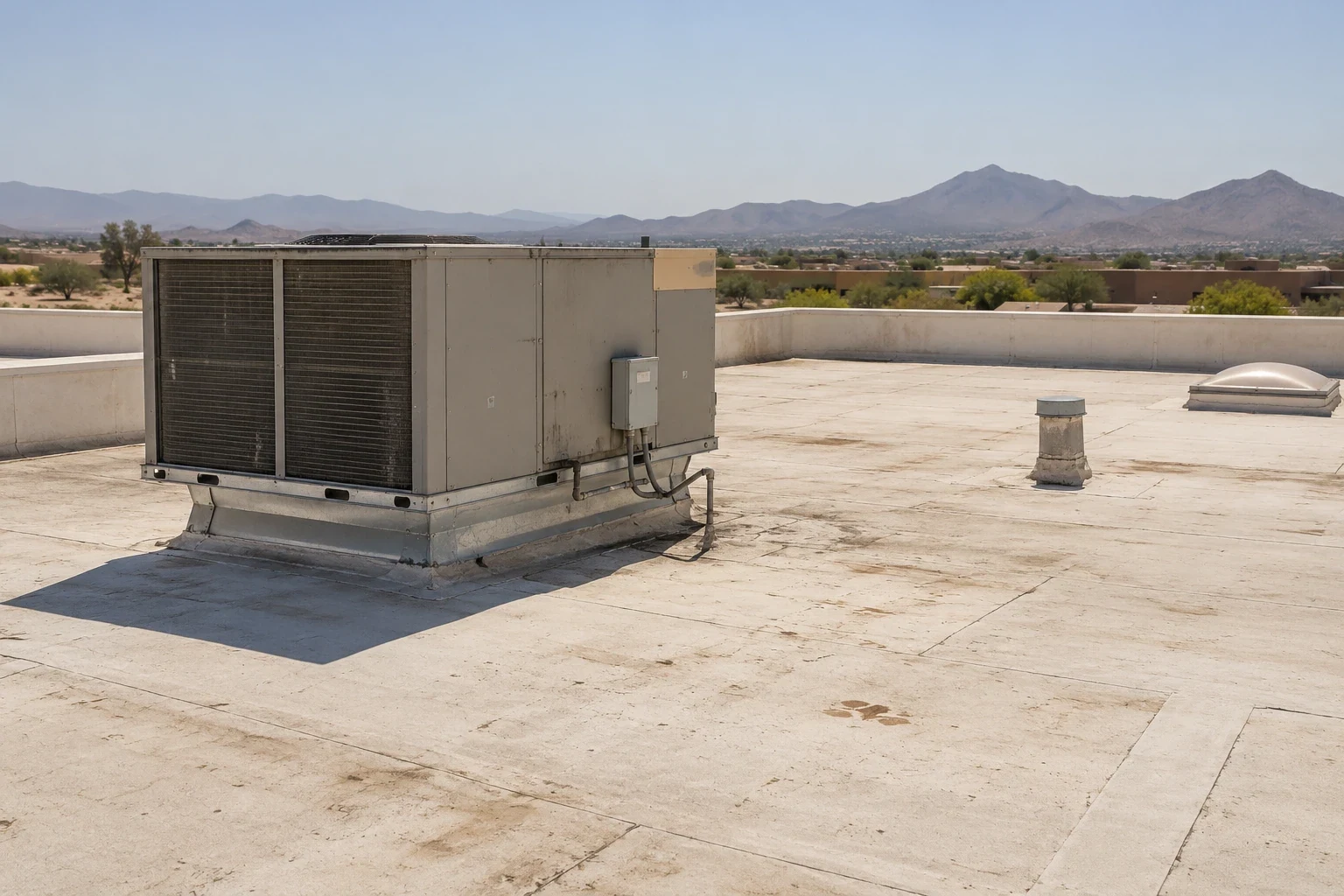
Sanctuaries, classrooms, kitchens, and offices can be built or renovated at different times. Their roof sections may meet at a height change or wall joint where flashing moves differently from the field membrane. Roof-mounted heating and cooling equipment, exhaust fans, and conduit create additional penetrations that can be disturbed by later service. We document the materials and transition at each reported area, then note any trade coordination needed to restore a curb or boot.
Hot summer conditions repeat thermal movement in exposed sealant, metal edges, and membrane laps. The normal high at William J. Fox Field is 97.8°F in August, while July's normal climate profile includes at least 90°F highs each day. Those conditions explain why a patch edge or corner can merit review, but a temperature normal cannot diagnose a roof by itself. We record observed separation, surface wear, and the condition underneath where testing is warranted.
Coordinate Work with the Gathering Schedule
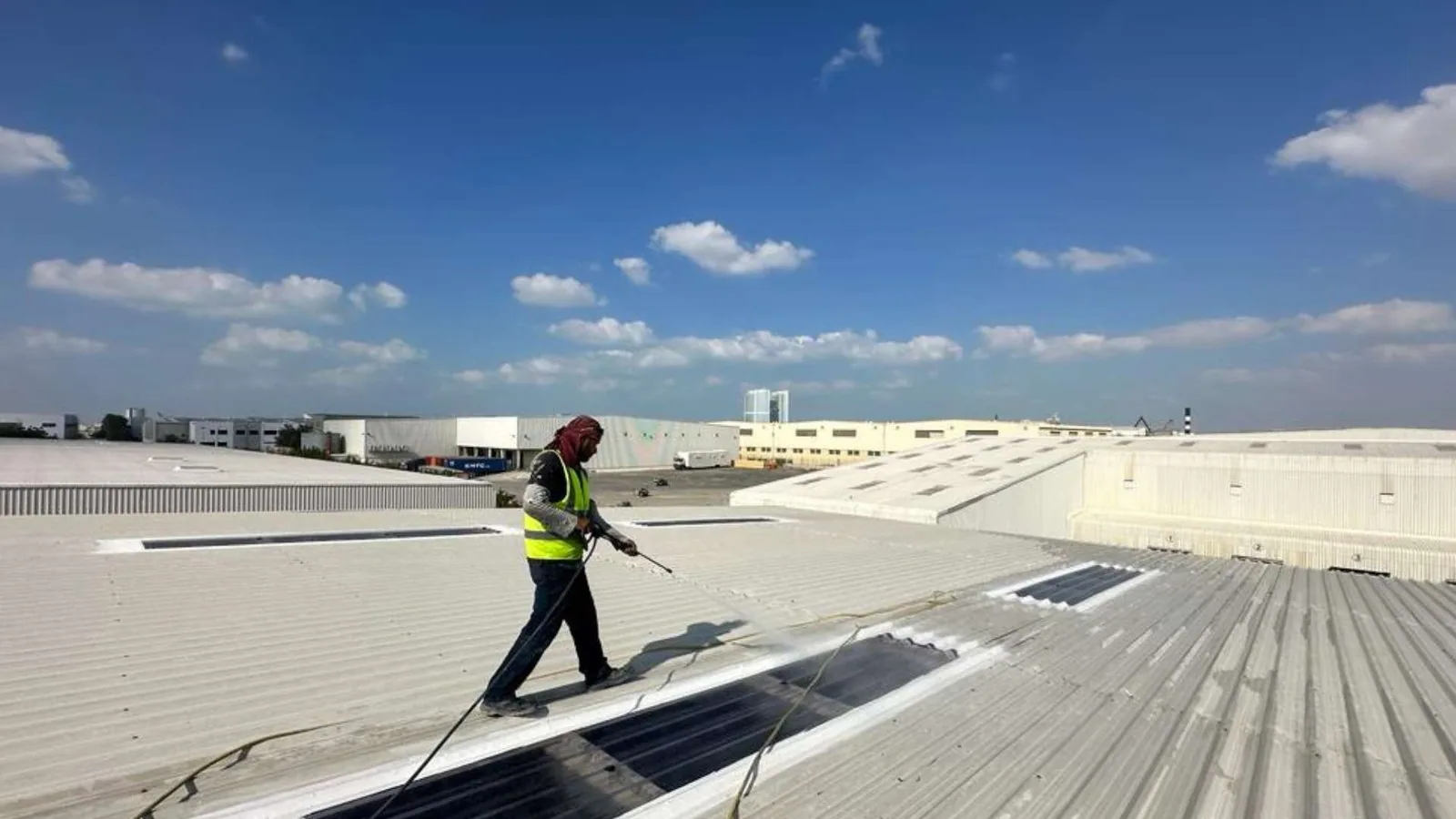
Before work begins, the facility contact should identify planned services, classes, meal programs, or public events near the roof zone. We agree on roof access, equipment staging, noise limits, interior protection, and any temporary walkway change. If water is active above a room used by visitors, the plan identifies who will protect the interior and whether that room can remain in service during the repair. Advance notice also gives staff time to secure furnishings or move supplies.
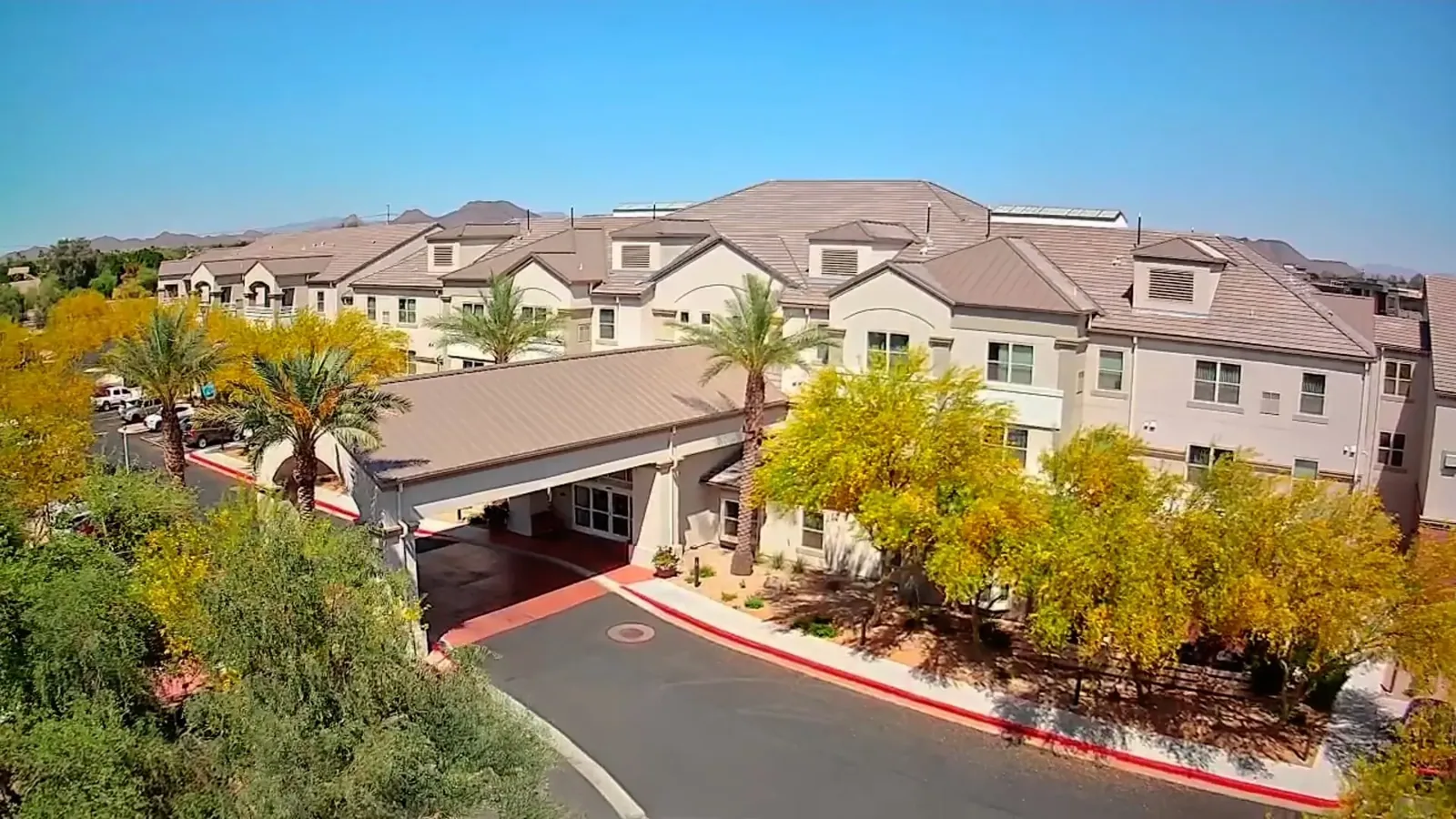
A building with an active school or childcare program may need an additional access review. School roof projects require their own calendar and occupant safeguards; worship properties may hold public events outside a standard weekday schedule. For a community with senior programs, the senior living work plan illustrates why interior occupancy and staff coordination belong in the scope. The crew schedule should reflect the actual use of the building.
Inspect Drains Before the Wet Season
Low-slope areas above a fellowship hall or office can direct runoff toward drains, scuppers, and overflow openings. We inspect the outlet, surrounding membrane, and any debris or standing water that indicates the path may be restricted. Where a roof addition ties into an older section, the transition can redirect flow toward a wall or low point. The report says whether the outlet was clear and whether a separate correction is needed for slope or flashing.
William J. Fox Field's normal annual precipitation is 6.81 inches, and the bulk of typical rainfall arrives from November through March. Clear drains matter before a winter storm even in a dry climate. Drain and scupper repair addresses a verified outlet or flashing issue; the closeout should describe where runoff is expected to travel. If access was blocked or testing incomplete, staff should see that limitation in the record.
Choose a Repair That Fits the Building's Roof History
A single open seam or failed curb can support a localized repair if the substrate and surrounding membrane remain serviceable. If test cuts show wet insulation beyond the first defect, the repair boundary may expand. Recover work requires an evaluation of moisture, attachment, and the existing layers. Replacement becomes a broader option when multiple additions or roof zones show repeated failure, or when the deck condition changes the assembly choice. The assessment compares these options against the same mapped findings.
For a congregation or nonprofit board, the decision should separate immediate protection from longer-term capital work. A replacement assessment can show phasing and preparation requirements; planned maintenance can track drain and flashing conditions between larger projects. We describe assumptions and any condition that could alter the price once the roof is opened, giving the building committee a specific basis for review.
Preserve a Record for the Next Facilities Volunteer
Roof maintenance may pass from one staff member or volunteer to another. Closeout photos, roof-zone labels, repair materials, drainage observations, and testing limits give the next person a usable history. We identify what was repaired, what remains under observation, and whether another contractor should use a protected path. If a ceiling report returns, a clear record helps the team compare its location with the earlier work before assuming that the same source is active.
For a property with several connected buildings, the record should separate assemblies and roof transitions rather than merge them into one annual note. A routine check can confirm that outlets remain clear and previous patches are intact. When records show recurring leaks or movement, schedule an assessment with the roof plan and work history available. The scope can then follow the condition evidence while keeping the next event or gathering in view.
Commercial Roofing Questions
Can roof work be scheduled around worship services?
Yes, the work sequence can account for services, classes, and public events when access and weather conditions permit. The facility contact should share the calendar and identify occupied rooms beneath the work area.
Does a sanctuary leak always start directly above the stain?
No. Water may travel through the roof assembly or along framing before it reaches the ceiling. We compare the indoor report with nearby roof details and test where the path is uncertain.
What should a church provide before a roof assessment?
A roof plan, prior repair notes, leak dates, and any recent equipment work can help guide the inspection. Staff can also point out rooms that need special scheduling or protection.
Can an older sanctuary and newer classroom wing share one repair plan?
The project can be coordinated, but each roof section and transition should be evaluated on its own. Different construction periods may mean different materials, drainage, or repair boundaries.
When should a congregation budget for replacement?
Consider replacement when inspection or testing shows repeated failure, widespread wet material, or deck concerns across multiple areas. A mapped condition report can distinguish that scope from a repair that remains localized.