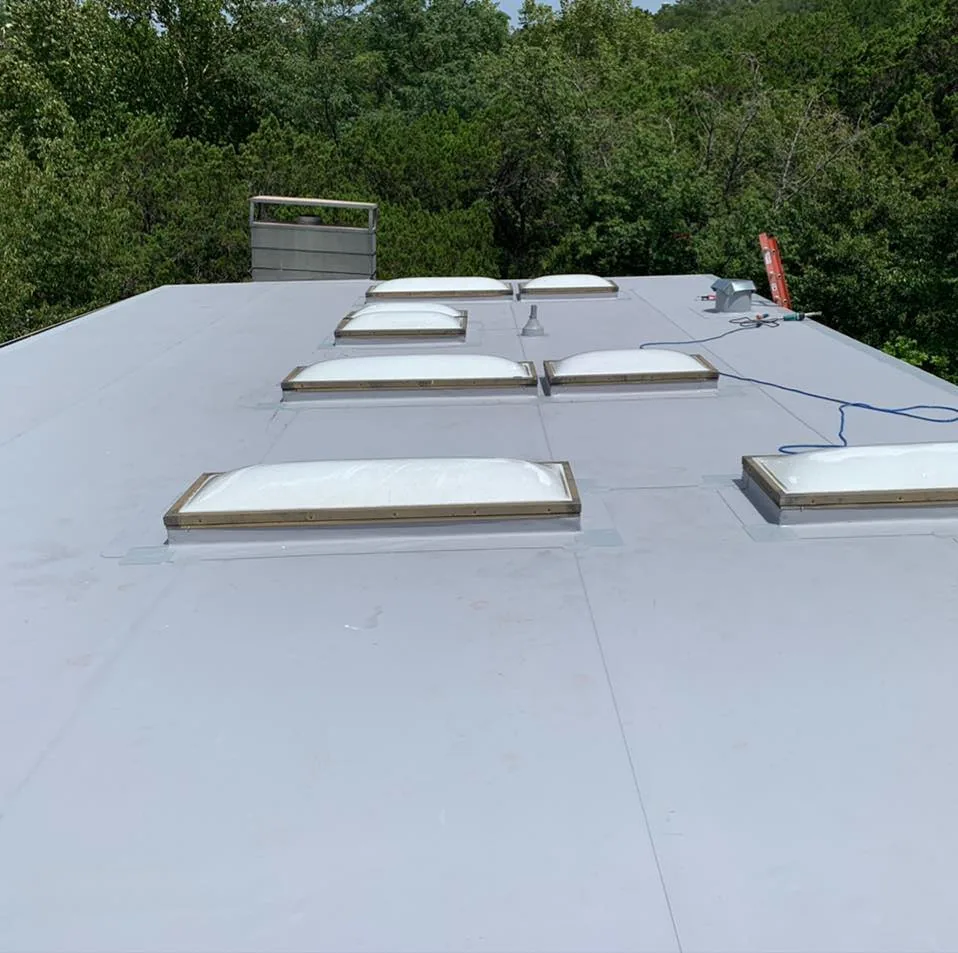
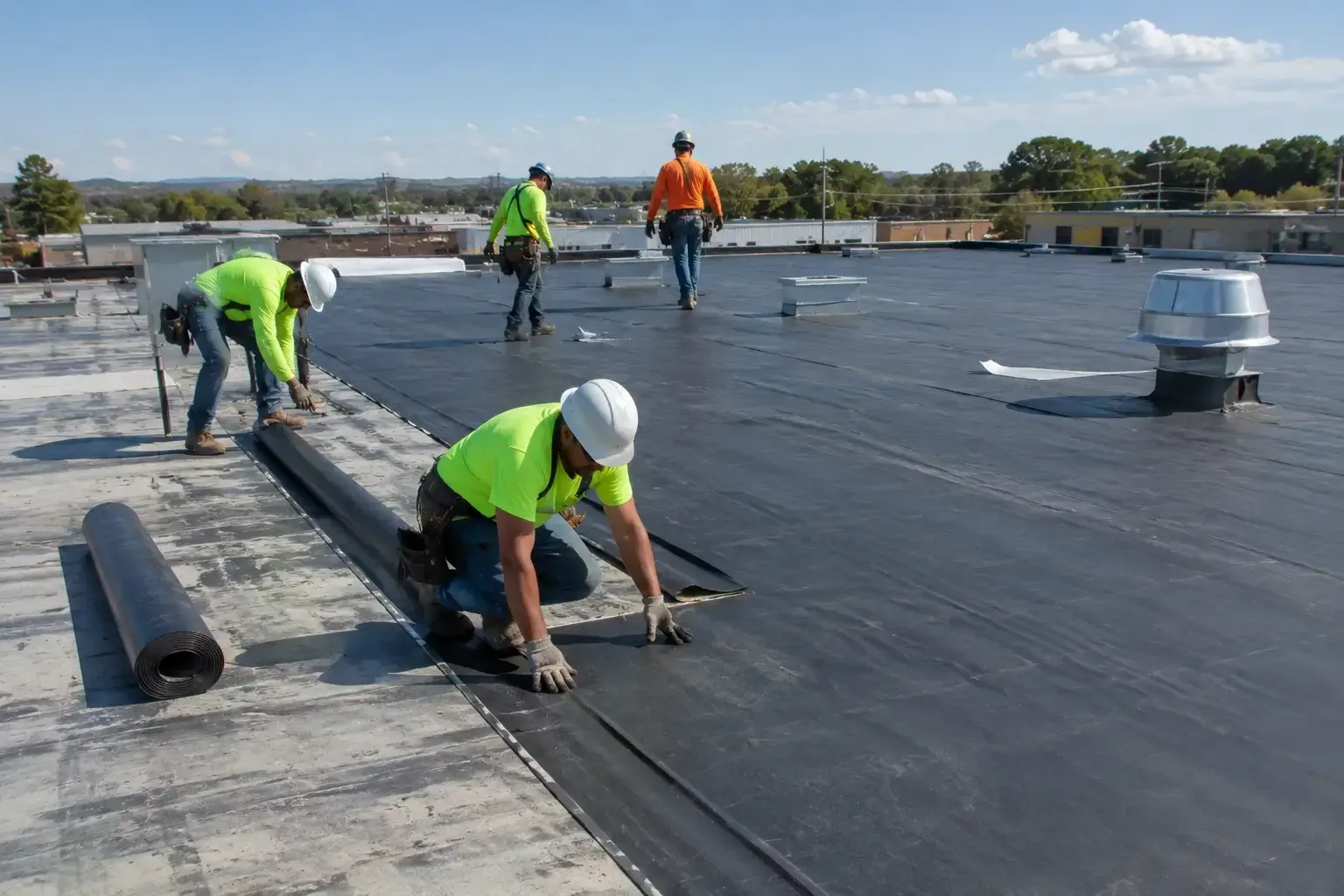
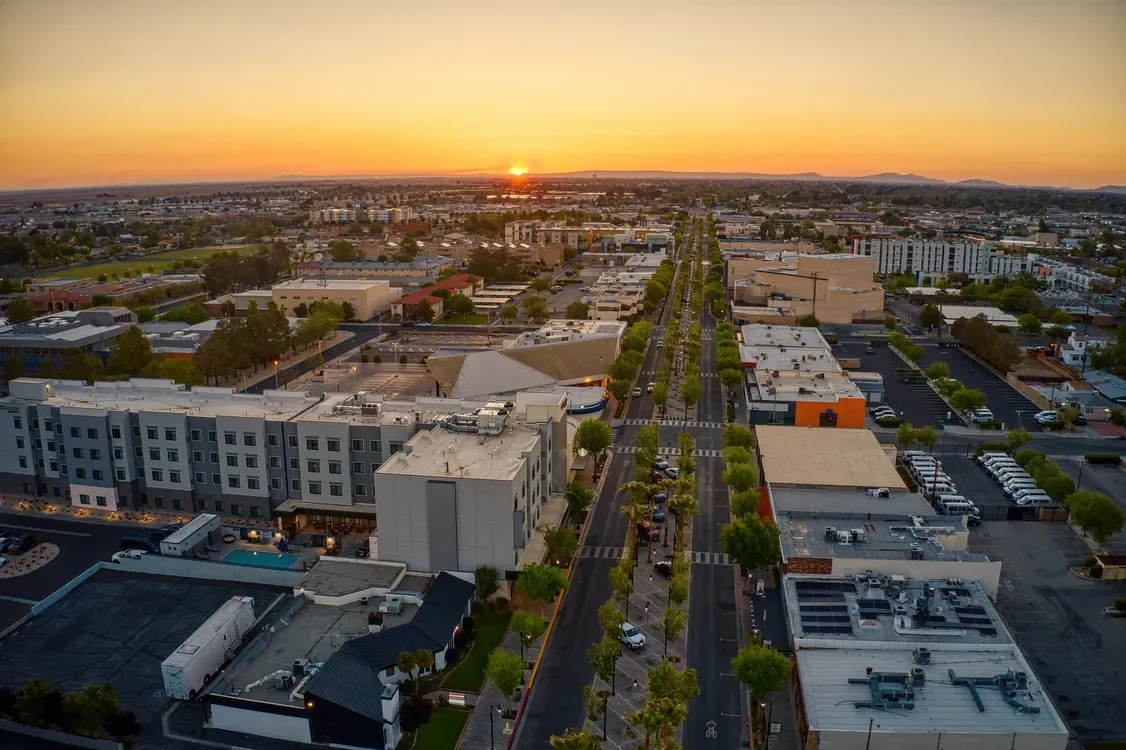
A roof labeled Holcim Elevate still needs a field assessment before the next project is specified. The installed system may be TPO or EPDM, and the attachment, insulation, and flashing details determine how it can be repaired. We document the materials and condition by roof zone, then compare that record with the proposed work. In Lancaster, intense summer heat repeatedly loads exposed edges, curbs, and seams, which makes their condition part of the system decision.
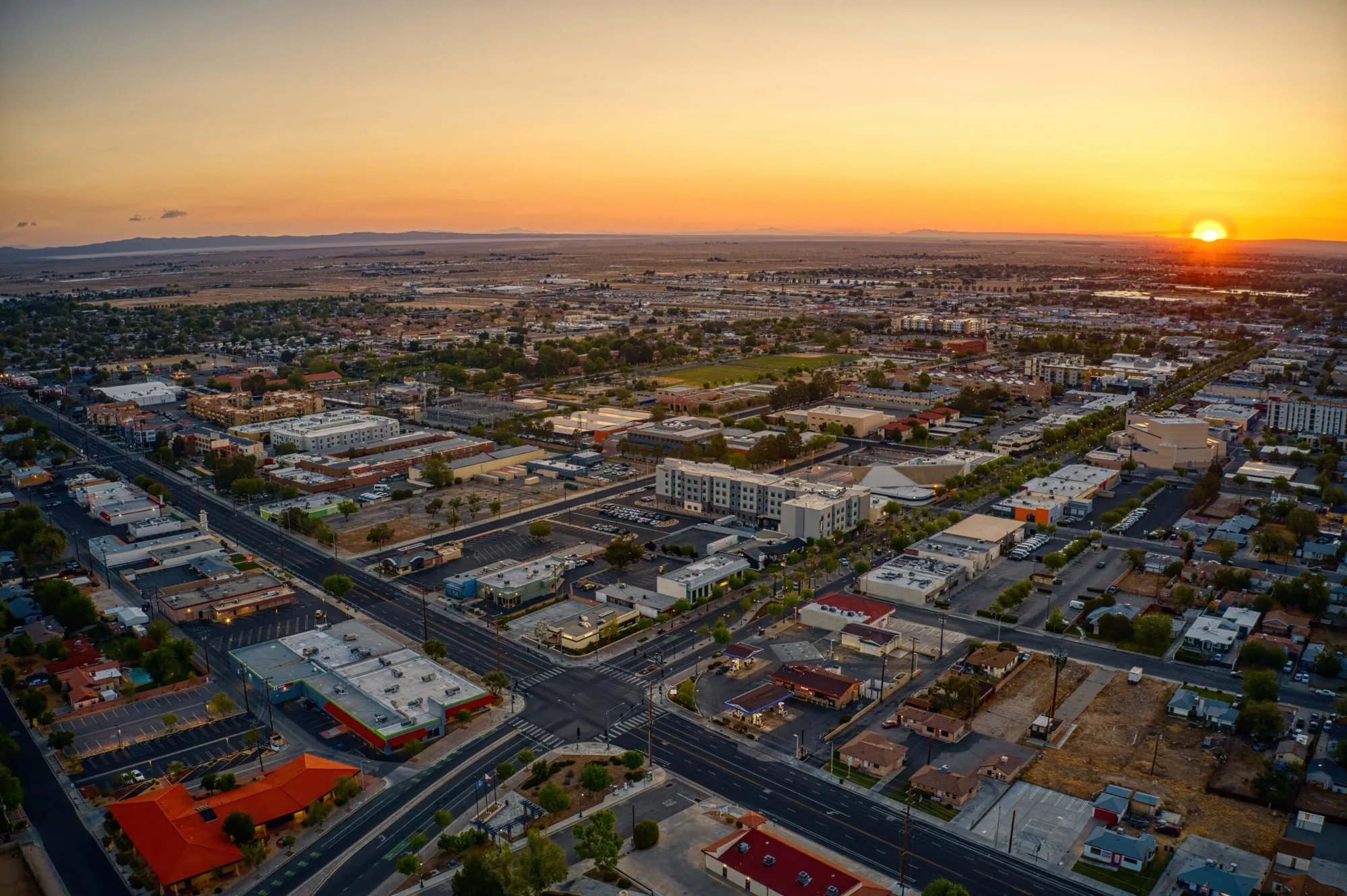
Lancaster’s industrial and business areas have distinct use mixes. Fox Field is classified as medium and light industrial, while North Lancaster Industrial Center is designated heavy industrial. Enterprise Business Park includes office, light industrial, and retail uses. Equipment, service paths, and drainage can differ across those properties, so a Holcim Elevate assembly is reviewed against the building and its actual roof conditions.
Confirm the Membrane and Attachment
We start with product markings and project records, then check the roof surface, seams, fasteners or adhesive conditions, cover board, insulation, and deck where accessible. Previous re-roof work may have left a second layer or a transition between assemblies. If records do not settle the question, test openings can confirm the build-up and whether moisture has reached the substrate. The condition record shows where evidence came from and which roof areas were not opened.
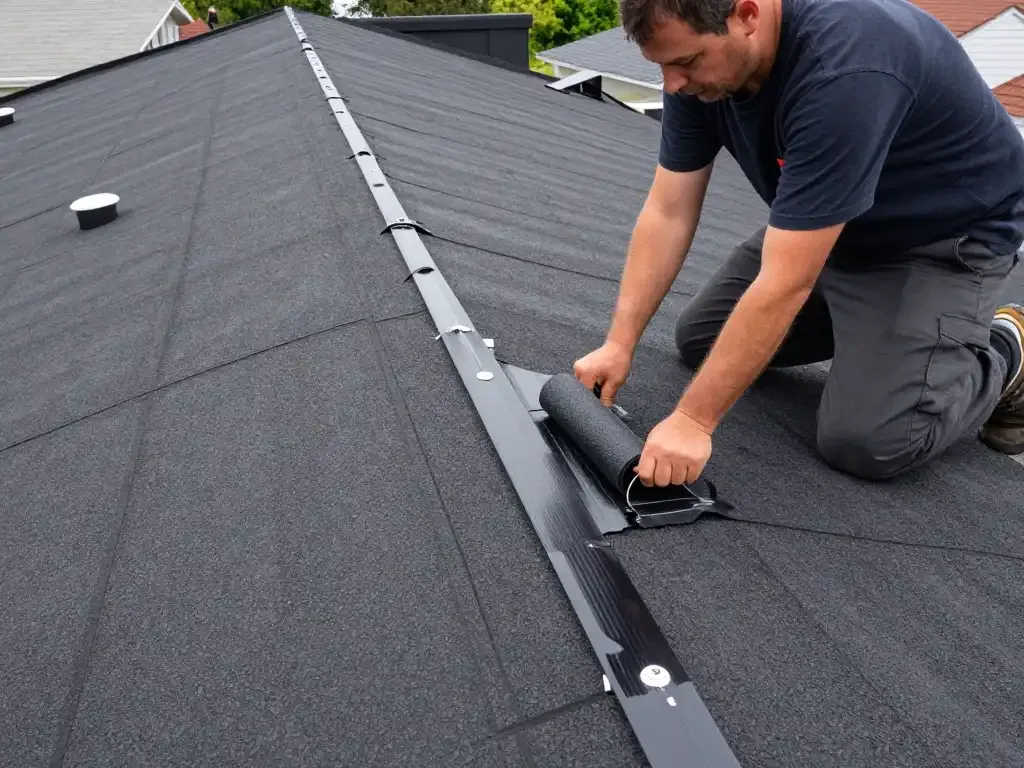
Holcim Elevate's commercial portfolio includes UltraPly TPO and RubberGard EPDM systems. Thermoplastic TPO uses heat-welded seams; EPDM seam and flashing repairs rely on materials compatible with the rubber membrane. A TPO system review therefore follows different checkpoints from an EPDM system review. We identify the installed material before naming an attachment or repair detail.
Follow the Water Path Through the Roof
A roof leak can trace back to a seam, drain, curb, wall termination, or another opening, while the interior mark appears downstream from the entry point. We compare the leak location with slopes, equipment, roof transitions, and prior repairs. On an EPDM roof, the inspection follows seam tape, flashing corners, and adhered edges. On TPO, it checks welds, field sheet movement, and the connection at penetrations. If moisture extends below the membrane, the affected area may be wider than the visible defect.
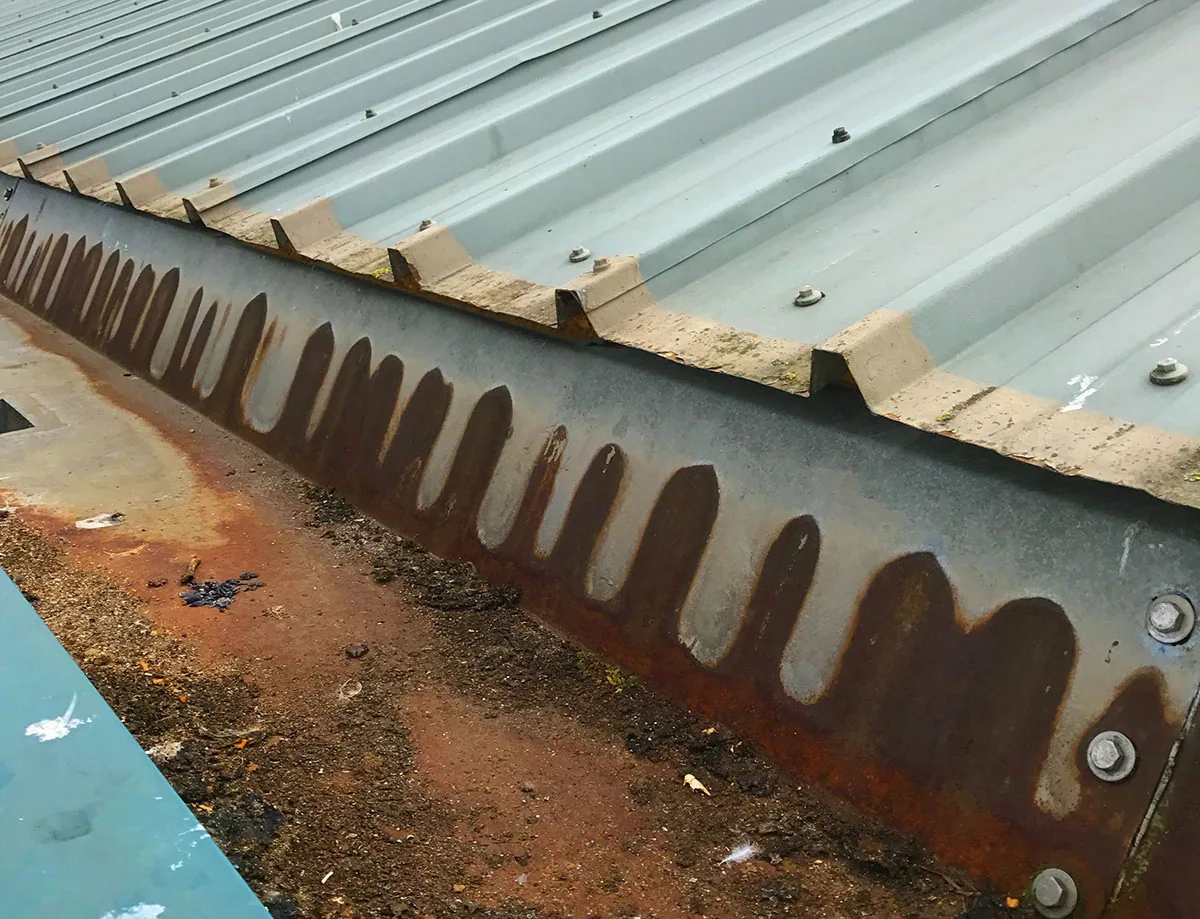
NOAA's 1991-2020 normal for William J. Fox Field puts the August average daily high at 97.8°F. During July, each normal daily high reaches 90°F or above. That seasonal heat cycle can make laps and sealants useful points to inspect, but the repair scope still rests on field evidence. A roof condition inspection records the seam and transition findings. Where an active leak is reported, leak repair work begins with locating and defining the entry area rather than applying a patch to the interior symptom.
Compare Compatible Repair and Reroof Options
A localized correction may suit a stable roof where the substrate remains dry and the defect has a clear perimeter. If insulation is wet, the scope should remove affected material and reconnect to sound layers. A recover is a separate decision: attachment, moisture, deck strength, edge height, drainage, and project requirements all matter. Replacement is more likely when failures recur or the assembly cannot support a dependable repair boundary. We identify which findings support each choice so the owner can compare scopes on the same basis.
TPO system options include adhered, mechanically attached, self-adhered, and induction-welded configurations; the assembly must suit the roof deck and building. Those parts must be selected as an assembly, with details that fit the deck and building. An assembly replacement assessment maps the removal depth and tie-ins. If a recover seems possible, a recover review checks the existing roof before another layer is considered. Product names alone do not settle whether the deck, drainage, or perimeter can accept the proposed work. Compare approved alternatives such as GAF roof systems and Carlisle SynTec systems at the assembly level.
Coordinate Access Across Different Property Uses
A mechanical roof with frequent service visits needs a different access map from a low-traffic office roof. Lancaster Business Park supports light manufacturing, wholesaling, professional services, and trade schools; equipment and service paths still vary by property. We record the units, conduits, walkways, and abandoned penetrations that affect the assembly. The facility contact can identify upcoming work by mechanical or electrical trades, helping the roofing scope account for any changed curbs and flashings.
Enterprise Business Park is listed for office, light industrial, and retail uses, so a property there may have both tenant-facing access and service activity. For an occupied building, a phased reroof sequence can define staging, material movement, and temporary protection by work area. We coordinate those limits with the building representative and keep the approved work boundary visible. The Enterprise Business Park service area is a broad local target; any site assessment still focuses on the individual property's roof plan and verified assembly.
Retain the Details That Support Future Service
Closeout records should include the system components used, roof zones completed, transition photographs, moisture findings, and repair limits. Note where the installation ties into existing material and which details remain outside the project. If another trade later installs equipment, a record of the original curb and flashing can help distinguish new disturbance from an earlier condition. Store these records with the roof plan so an inspection can return to the same locations.
Before rain season, drains, scuppers, parapet transitions, and repaired seams deserve a focused review. A maintenance visit can identify debris or movement while the work remains localized. For a multi-building owner, a roof condition report can organize findings without assuming that all roofs use the same Holcim Elevate assembly. We can review the existing specifications and service records, then schedule an assessment for the Lancaster property.
Document What the Installation Must Resolve
Before a crew mobilizes, the scope should make clear which membrane is involved, where work begins and ends, and how new material connects to the existing roof. It should also identify temporary protection, material staging, drain access, and any deck repair allowance. Those boundaries matter when an active building cannot give up every roof area at once. We prepare the work sequence around the approved assembly and the facility's access needs, with an inspection record to compare against at completion.
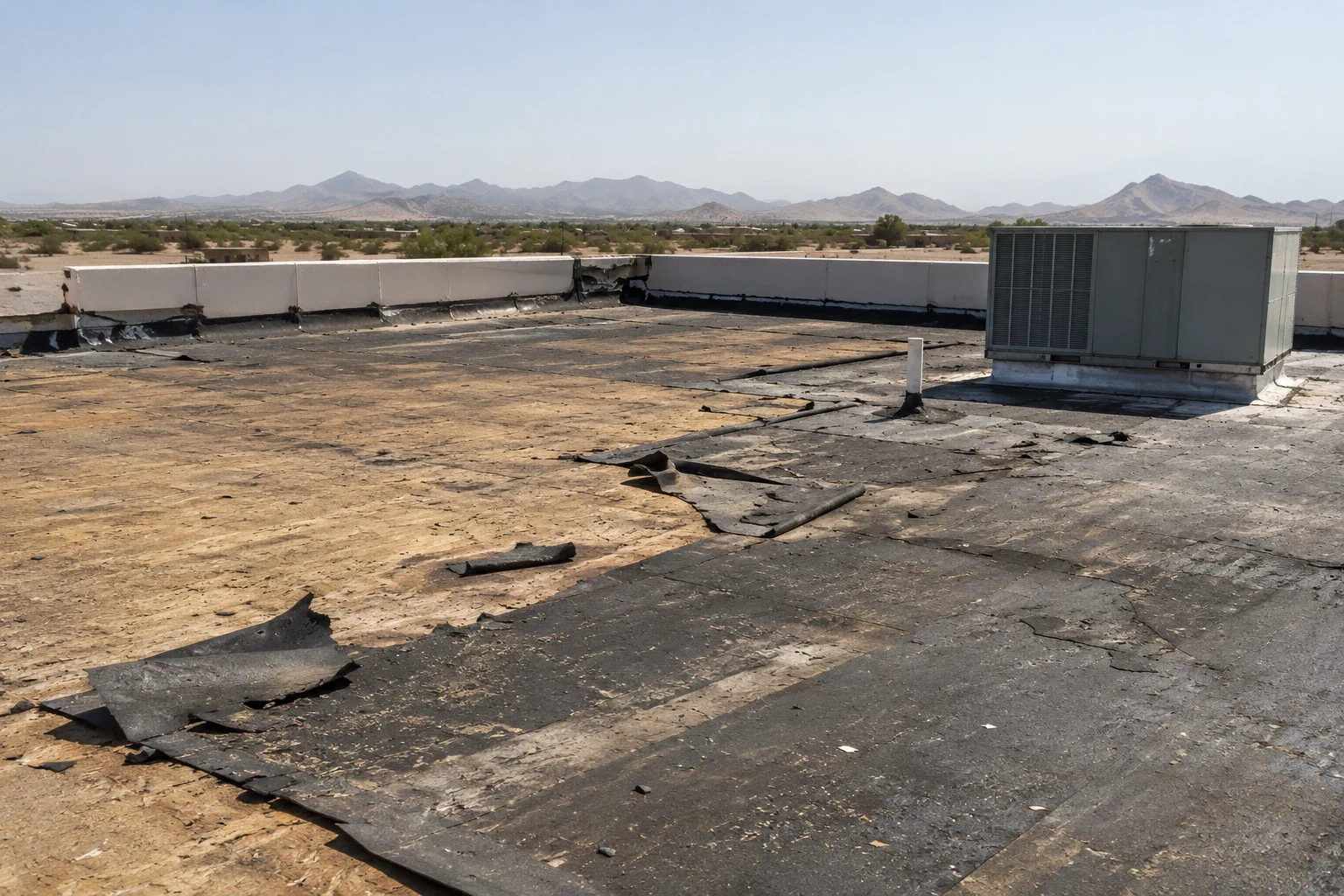
When the roof record shows wet insulation or recurring edge movement, extending a patch across the same detail may leave the cause in place. We document what requires removal, what remains serviceable, and which concealed conditions could change the final scope. For a Lancaster building, that may mean coordinating access during hot afternoons or staging a phased replacement around the operating schedule. The owner receives a condition-based scope that supports review of labor, materials, and sequencing before work begins.
Commercial Roofing Questions
How do we identify which Holcim Elevate membrane is on the roof?
We compare product records and markings with the membrane, seam, and flashing details in the field. If the assembly is not clear, a controlled opening can confirm the layers at a selected point.
Are UltraPly TPO and RubberGard EPDM repaired the same way?
No. TPO uses heat-welded seams, while EPDM requires compatible seam and flashing materials. The roof surface and installed system determine the preparation and repair detail.
Can another membrane layer be installed over an Holcim Elevate roof?
Only after checking moisture, attachment, deck condition, roof height, drainage, and project requirements. The inspection records whether those conditions support a recover or point toward removal.
What Lancaster conditions should the project plan account for?
Summer heat can affect crew sequencing and handling of materials on exposed surfaces. The daily plan also considers roof access, tenant operations, equipment routes, and the work instructions for the selected assembly.
Which records help with future repairs?
Keep product information, assembly documents, photos, completed roof zones, repair limits, and moisture test results with the current roof plan. They help later inspections return to known details.