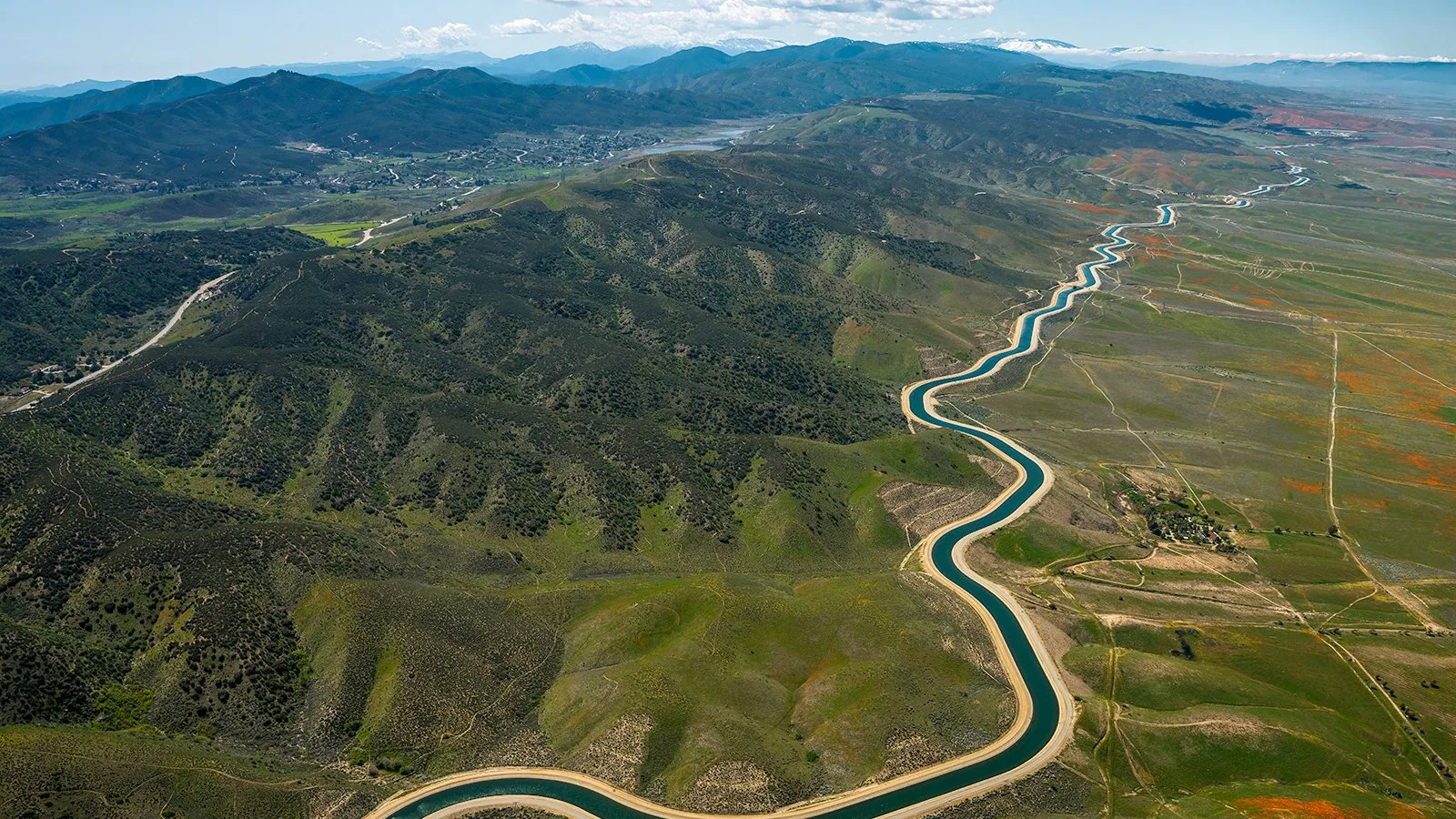
On a sun-exposed roof, surface wear can build gradually before the first leak. Heat and ultraviolet exposure affect membranes, coatings, sealants, and exposed fasteners, but color change alone does not show whether the assembly has failed. We inspect seams, laps, edges, penetrations, drainage, and substrate condition, then map any brittle, cracked, or separated areas against the roof's repair history.
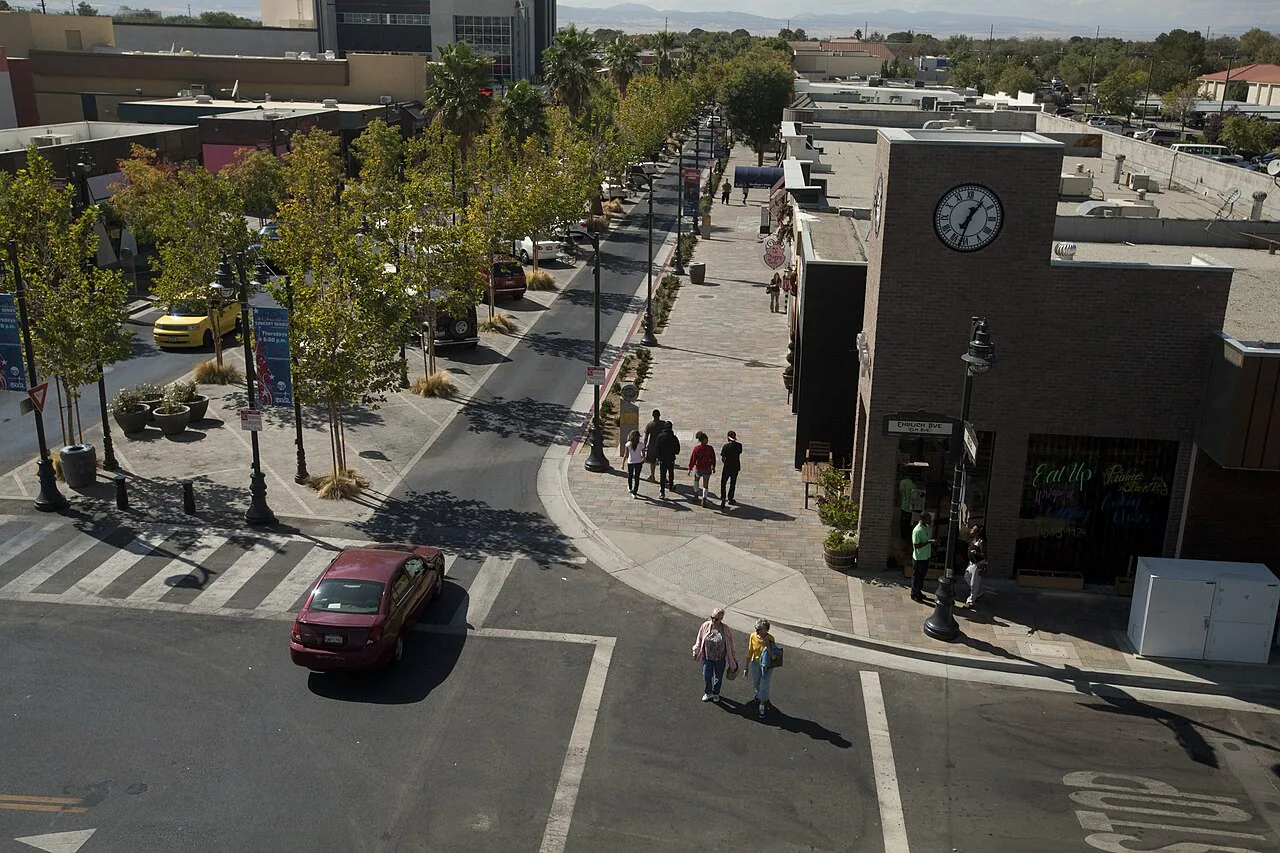
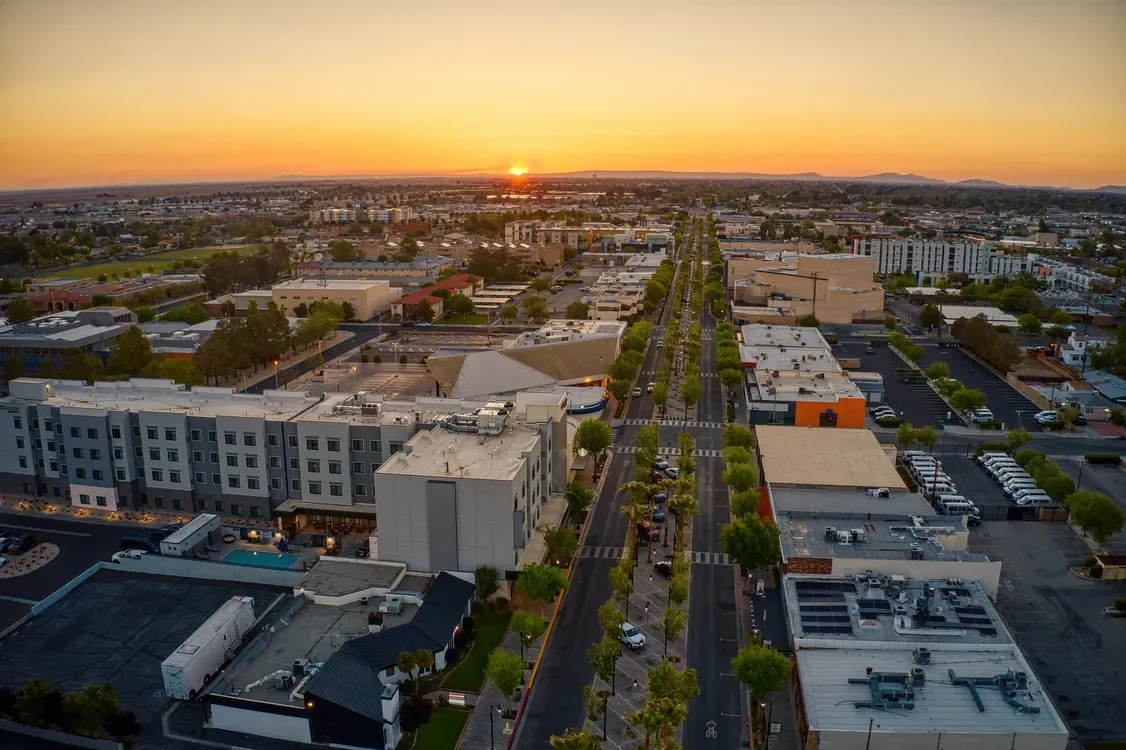
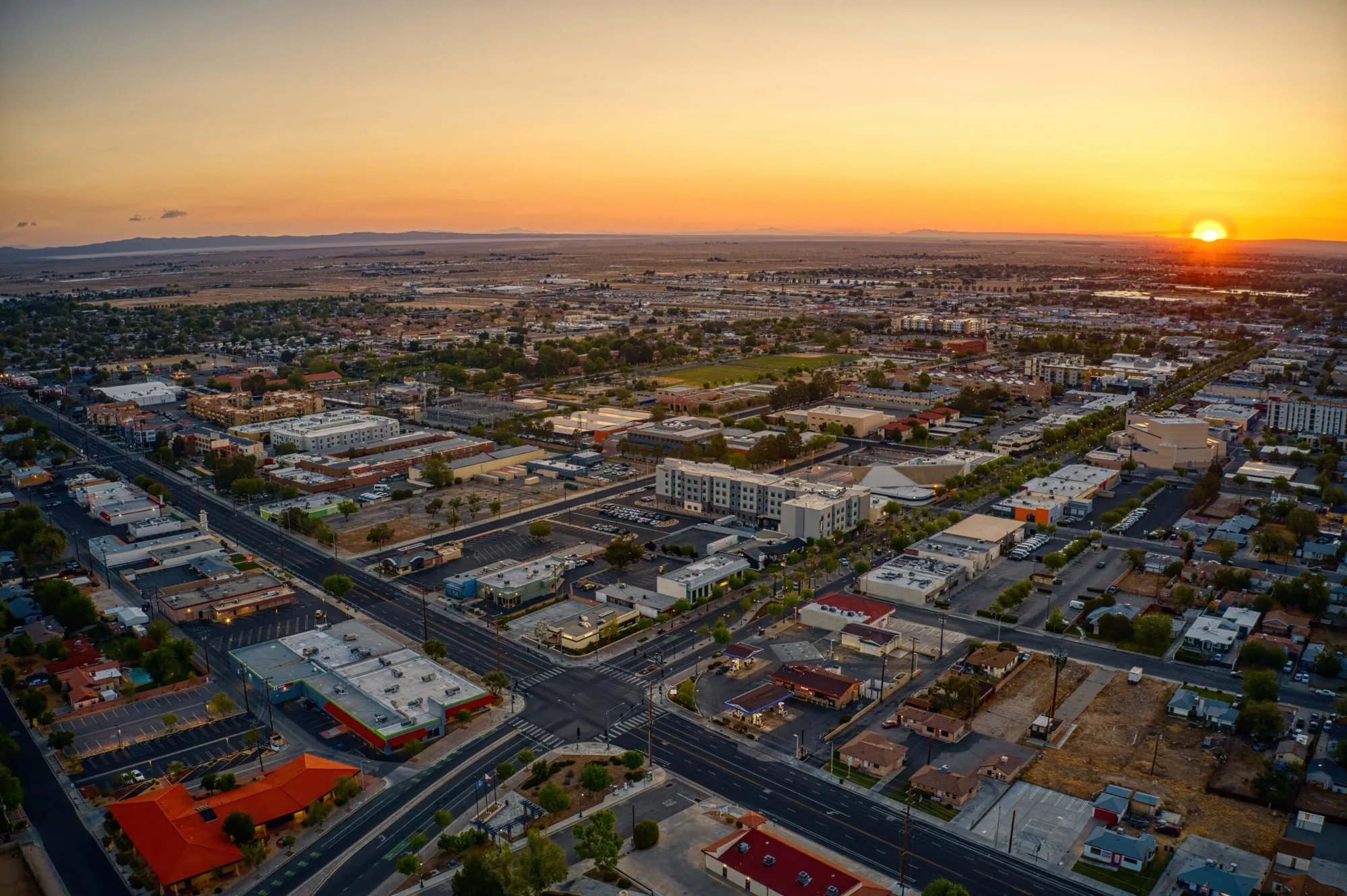
Lancaster's William J. Fox Field station records a normal August high of 97.8 degrees Fahrenheit, with July averaging 31 days at or above 90 degrees. That local heat load matters for roof details across the city's business parks and industrial districts. An Enterprise Business Park office or light-industrial roof may have different exposures from a North Lancaster industrial building with larger equipment fields and more service traffic.
Separate Surface Aging from Assembly Failure
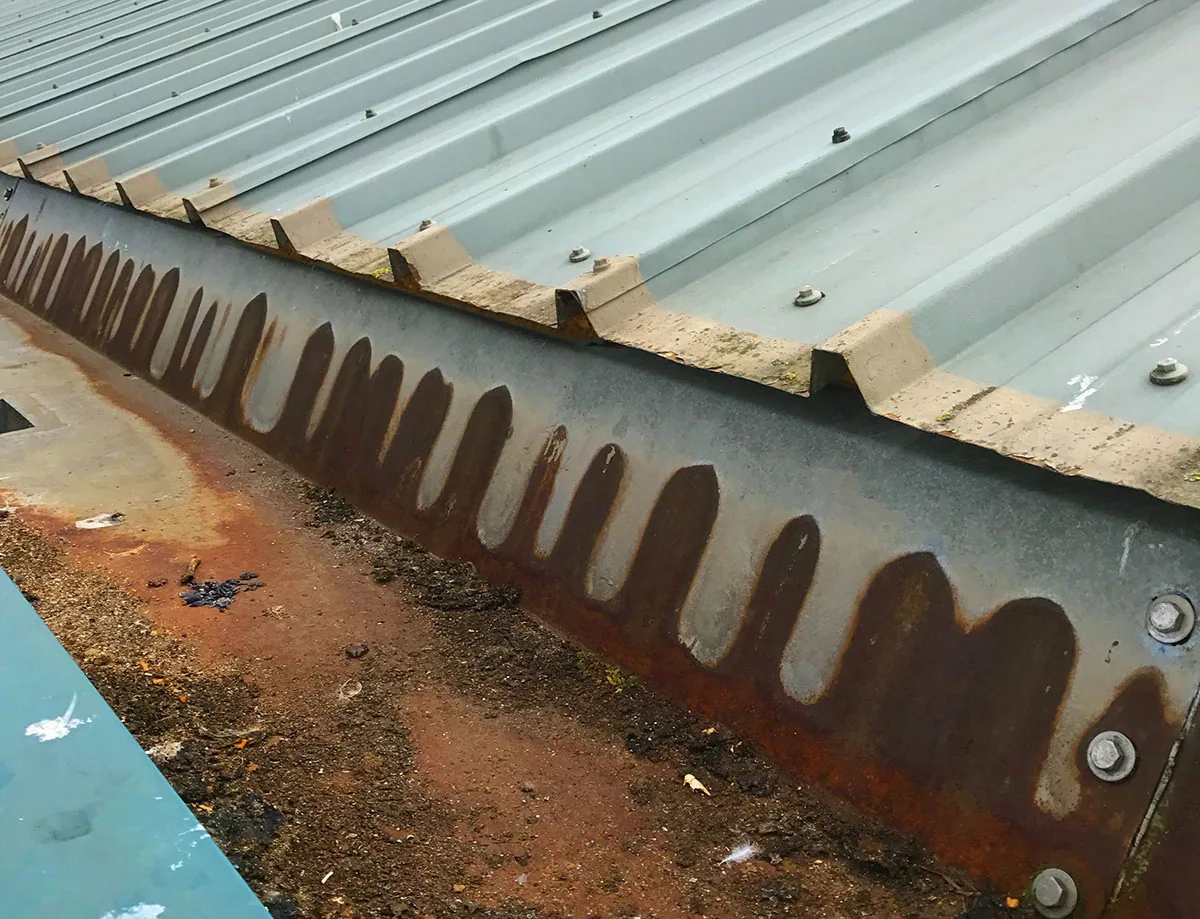
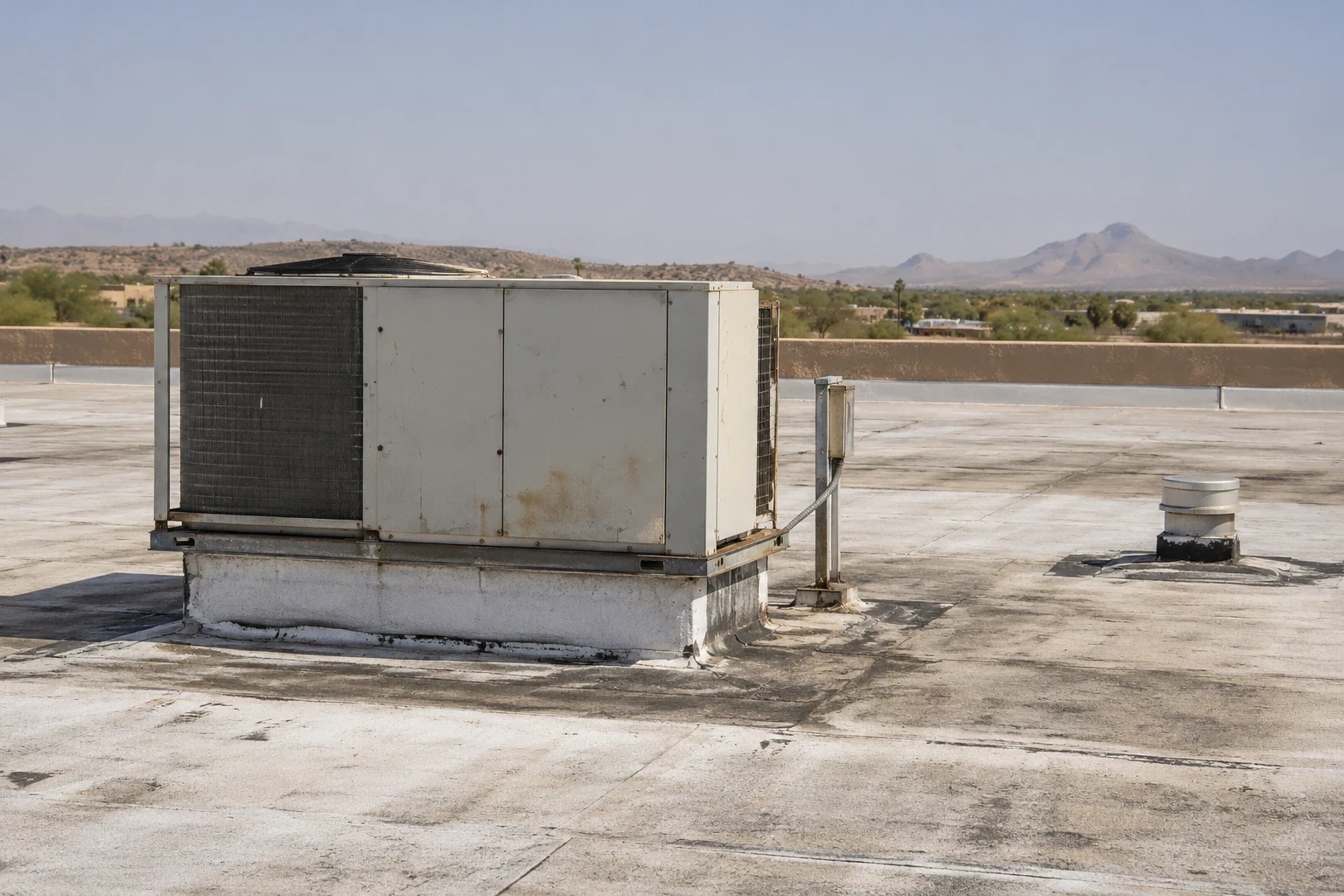
Start by mapping visible surface changes and checking the details that control water entry. Look for cracking, chalking, loss of granules or surfacing, open laps, failed sealant, and separation around curbs. Compare those signs with soft insulation, deck conditions, and interior reports. A sun-faded area can remain watertight, while a small seam opening can admit water under a roof that otherwise looks uniform.
A commercial roof inspection can establish which sections are visibly sound, weathered, or in need of testing. Record material type where it can be identified and note any coating or patch that hides the original surface. If a moisture survey is used, document its limits and confirm findings with appropriate follow-up. The owner should be able to distinguish a cosmetic concern from a defect that changes repair or replacement planning.
Understand Heat and Ultraviolet Stress
Repeated heating and cooling make roof materials expand and contract. Ultraviolet exposure can contribute to surface degradation, while ponding, dirt, incompatible cleaners, or foot traffic may add separate stress. These factors do not act uniformly across a roof: shade, equipment, parapets, membrane color, and rooftop use create different conditions. The inspection should explain where the material is deteriorating and which nearby details are most likely to require attention.
Lancaster's January normal daily minimum at Fox Field is 31.3 degrees Fahrenheit, compared with a July normal minimum of 67.2 degrees. The broad seasonal range adds movement across exposed joints and transitions. Inspect the lap, termination, and curb corners where movement is concentrated. If a coating has become brittle or separated, determine whether the original membrane and substrate remain suitable for restoration before adding another layer.
Check Moisture Before Covering the Surface
A roof coating can make the surface look continuous while leaving wet insulation or a failed seam underneath. Before selecting restoration, inspect drains, penetrations, edge details, and existing patches, and test where the condition is uncertain. Mark any wet boundary and identify material that cannot support a compatible tie-in. A report should list areas not accessed so the owner does not mistake an incomplete survey for a clean bill of health.
Lancaster's normal annual precipitation at Fox Field is 6.81 inches, mostly from November through March. Dry months can make an inspection look deceptively simple, but earlier water entry may remain in the assembly. A ponding water review can check whether low points are contributing to wear; a seam inspection can examine a lap that has begun to separate. Keep those causes distinct from ordinary surface aging.
Select a Repair or Restoration That Fits
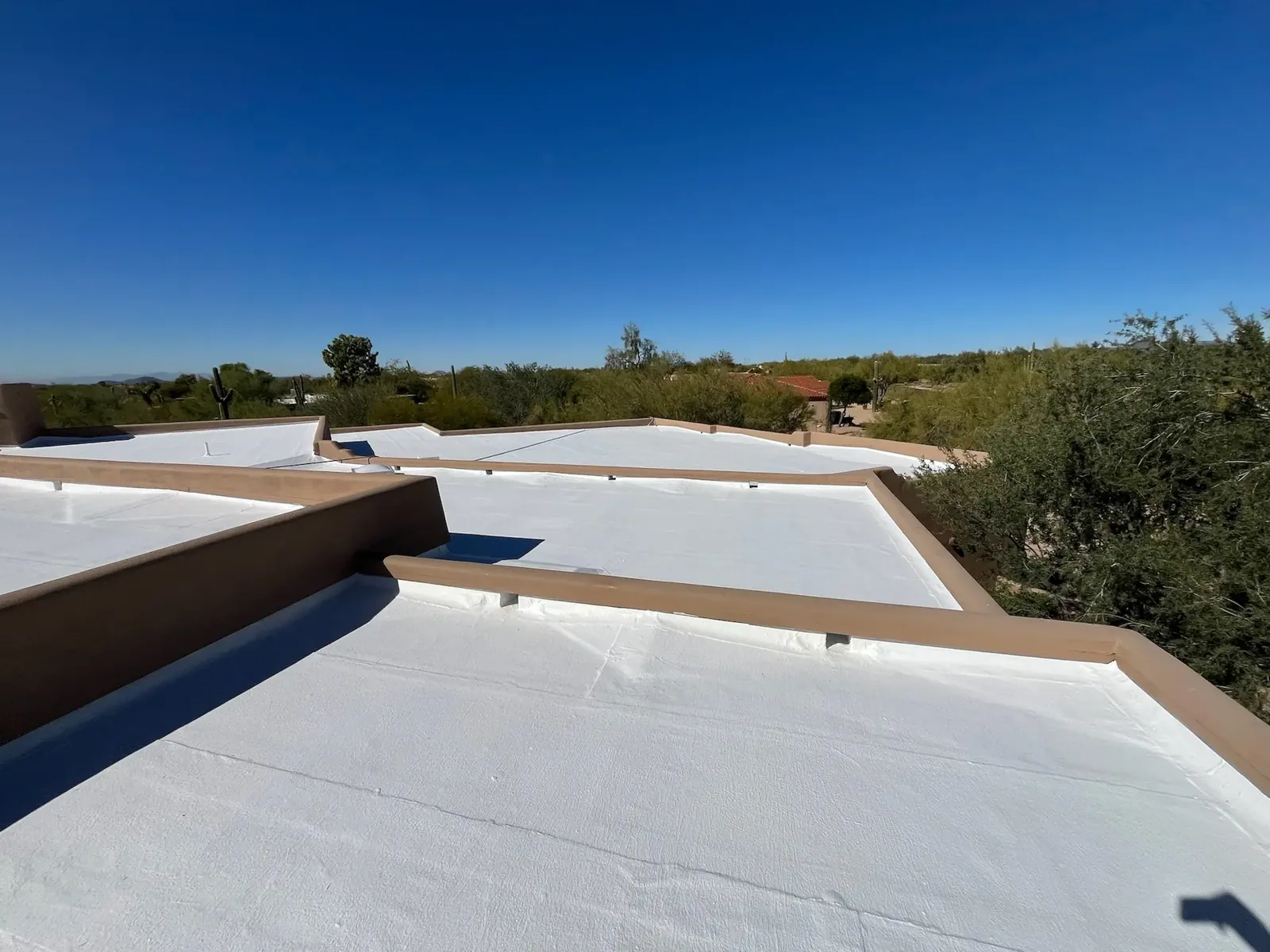
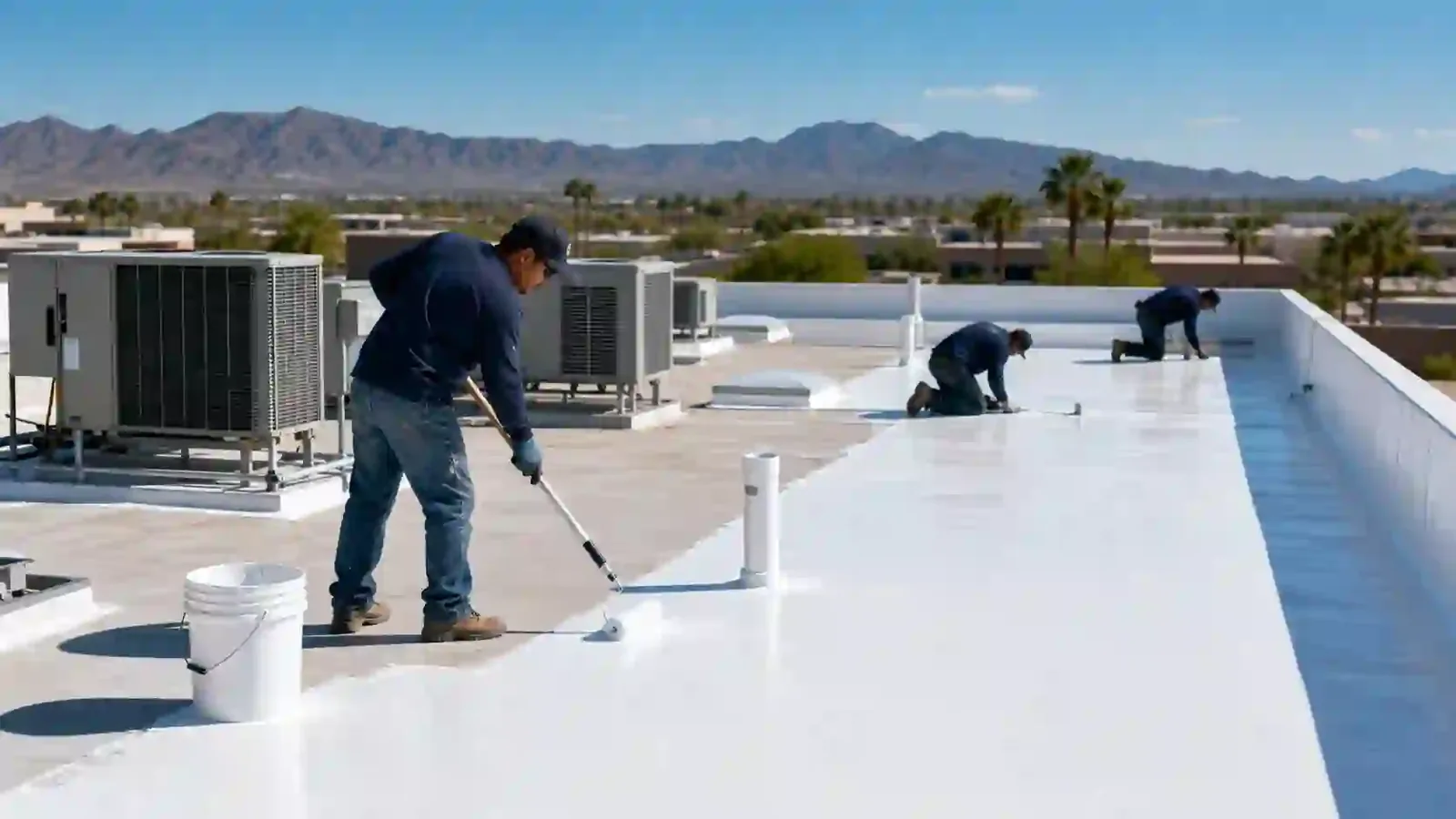
Small defects may need a compatible patch or flashing repair. A coating can be evaluated when the existing membrane is stable, the substrate is dry, drainage works, and the surface can be properly prepared. If the membrane has widespread cracks, wet insulation, or weak attachment, covering the surface may conceal a condition that needs removal. The recommendation should explain what supports the option and what would disqualify it once work begins.
A repair scope can correct isolated defects, while a coating restoration can be compared where the roof supports that approach. For broad deterioration, review replacement planning. An infrared survey may help locate suspect moisture when conditions and assembly make that method suitable. Testing informs the decision; it does not replace opening material where direct confirmation is required.
Reduce Exposure from Service Activity
Equipment service adds foot traffic, dropped tools, new penetrations, and changing rooftop loads. Identify the routes technicians use and add compatible walk protection where repeated travel occurs. Keep drains clear of packaging and loose parts. If new piping or a curb is installed, record its flashing and update the roof map. Those steps do not stop weathering, but they help keep service activity from adding a puncture or failed transition to the existing heat stress.
At an industrial property, map access around process exhaust and service equipment. At a business park, clarify who controls roof access for several tenants. a manufacturing roof record can keep equipment changes visible, while a property maintenance file can track inspections across managed buildings. A follow-up should revisit known brittle seams and repairs after seasonal temperature changes rather than relying on a surface appearance alone.
Use a Condition Map for Capital Decisions
Organize findings by roof zone and rate each by evidence: active leak, confirmed wet material, surface aging, or inaccessible. Include photos, test locations, repair history, and the expected consequence of deferring a correction. This gives owners a way to compare a patch with a planned section repair or replacement without exaggerating the risk of normal weathering.
For a Lancaster property with multiple buildings, keep separate maps even when roofing materials look alike. Enterprise Business Park includes office, light industrial, and retail uses; Lancaster's industrial planning areas have a different mix of equipment and access demands. A budget decision should use the condition of each assembly, its exposure, and the operating needs below it. Record what has changed since the last inspection so future comparisons reflect actual deterioration rather than memory. If the roof was coated or patched, identify the treatment and date. A later inspector can then tell whether a new crack is part of the same surface or appeared after a repair. Keep the current roof plan with those photos and include any new equipment or service path that changes exposure.
Questions About Heat and UV Wear
Sun exposure can age a roof surface, but the useful decision depends on the assembly beneath it. These answers focus on inspection and next steps for Lancaster building owners.
Commercial Roofing Questions
Does fading mean a roof coating has failed?
Not necessarily. Compare the surface with seams, adhesion, substrate, drainage, and moisture findings. A change in color alone does not establish that water can enter the assembly.
Can a coating reverse heat or UV damage?
It may restore a suitable roof surface when the existing assembly is sound, dry, and compatible. It cannot correct wet insulation, failed attachment, or drainage problems by itself.
Why inspect roof details if the membrane field looks intact?
Water entry often begins at transitions, curbs, penetrations, laps, and edges. Those details can fail before the field shows obvious wear, and water may travel before appearing inside.
How does Lancaster heat affect roof repairs?
High summer temperatures load exposed materials and affect work timing and preparation. Check product requirements, surface conditions, and cure periods before scheduling the repair.
Should brittle membrane be covered or removed?
Test the assembly and inspect its attachment and substrate. A stable, dry surface may support restoration; widespread cracking, wet material, or weak bonding can make removal more appropriate.
What should an aging roof report show?
Include roof zones, observed surface conditions, photos, test locations, repairs, access limits, and options tied to the evidence. Keep cosmetic aging separate from defects that allow water entry.