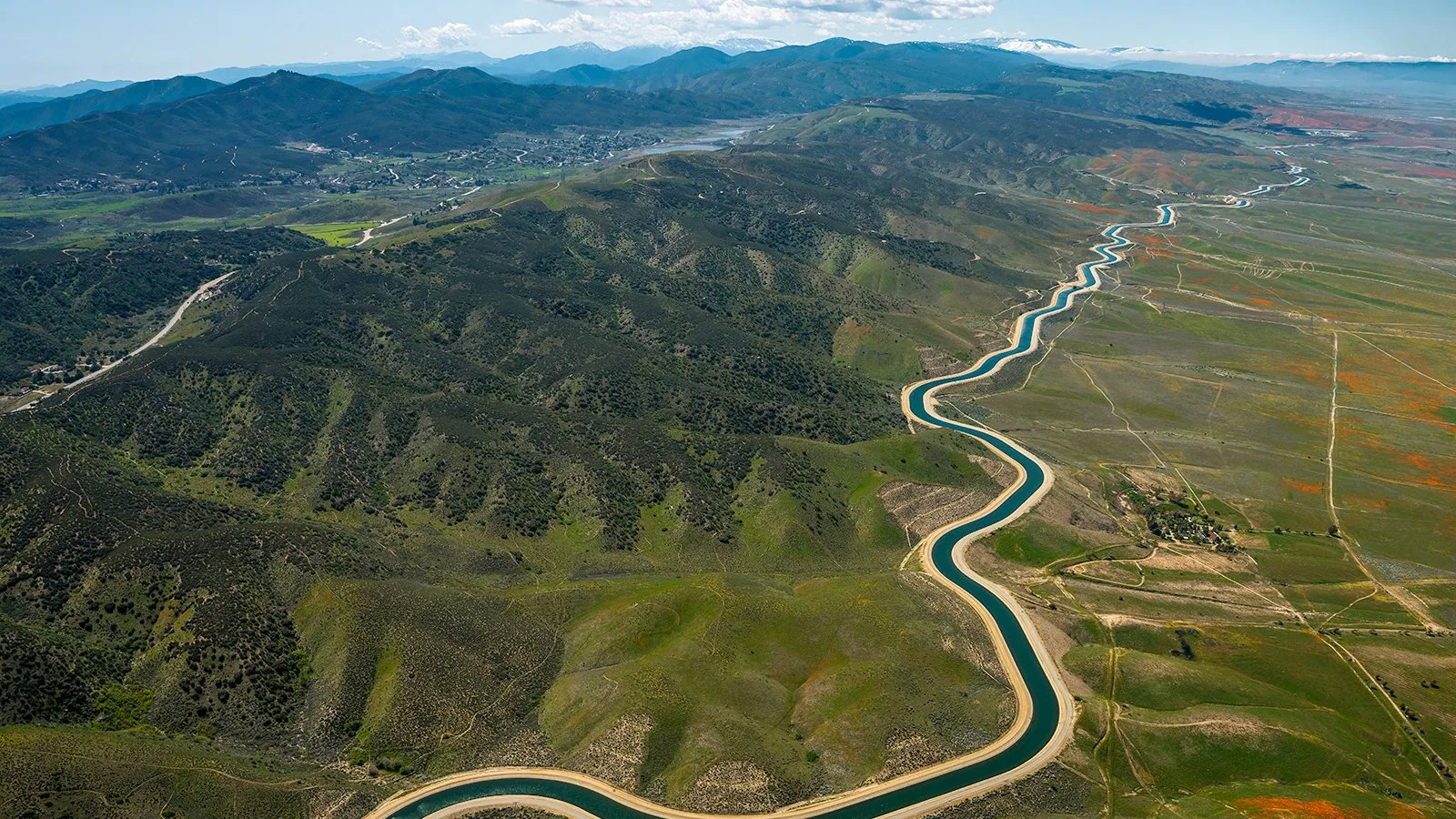
A roof leak in a dealership can affect a customer-facing showroom, a service bay, parts storage, or vehicle inventory under the same roof. Those zones have different access and protection needs, so the first step is to locate the water path and map the roof section over the affected area. We inspect the membrane, drains, curbs, and transitions, then explain what is confirmed and what needs testing. The scope identifies staging and interior safeguards before a crew is scheduled.
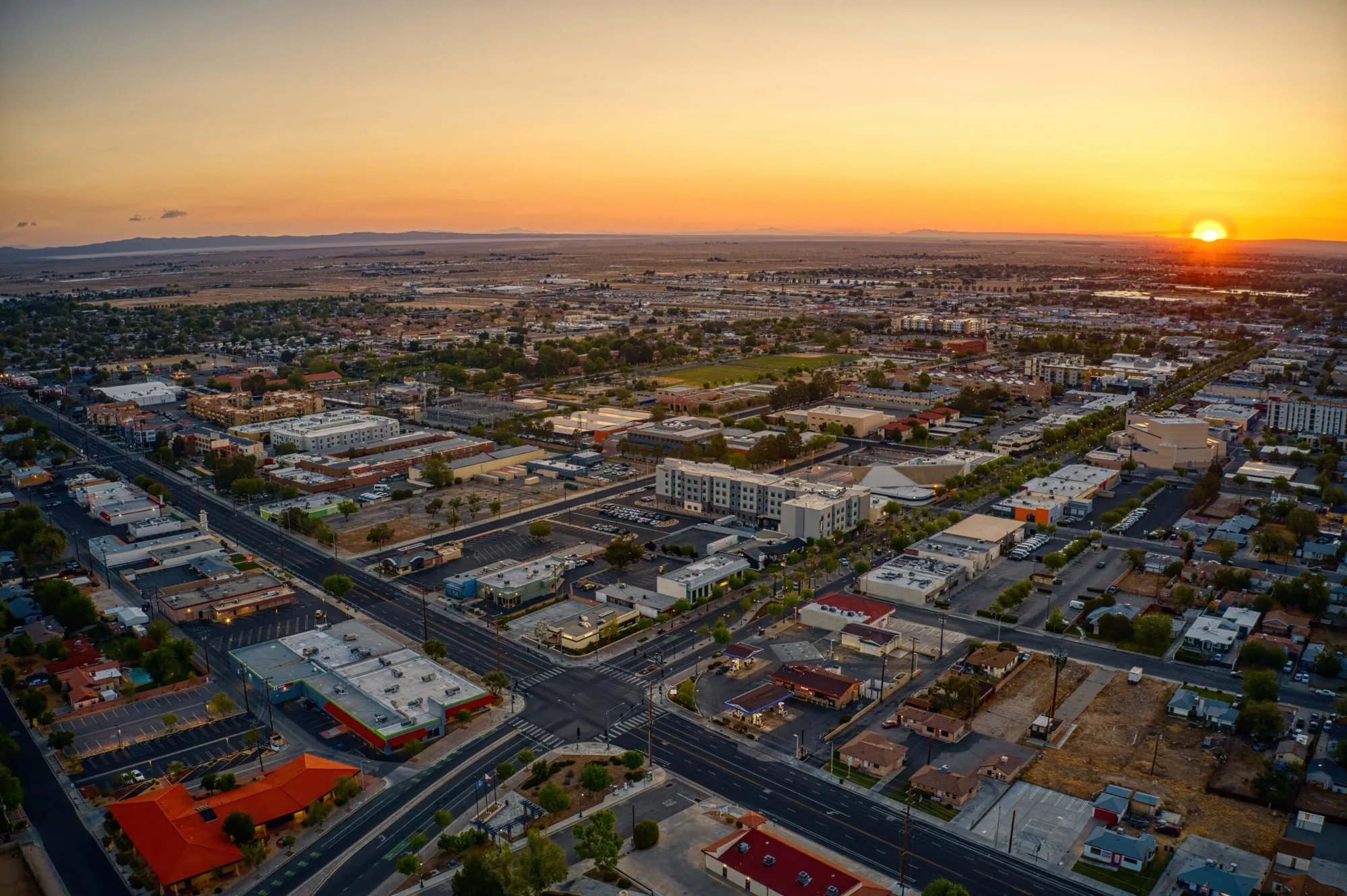
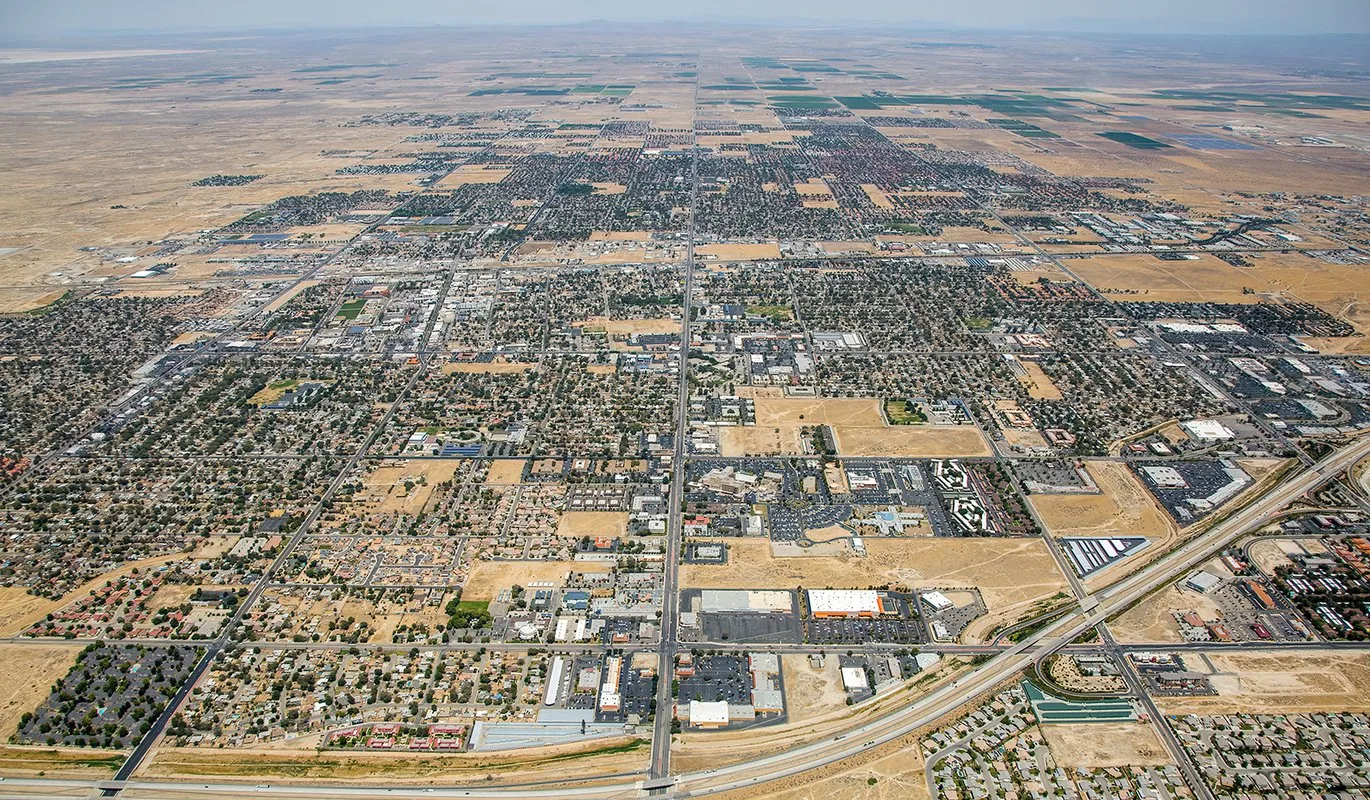
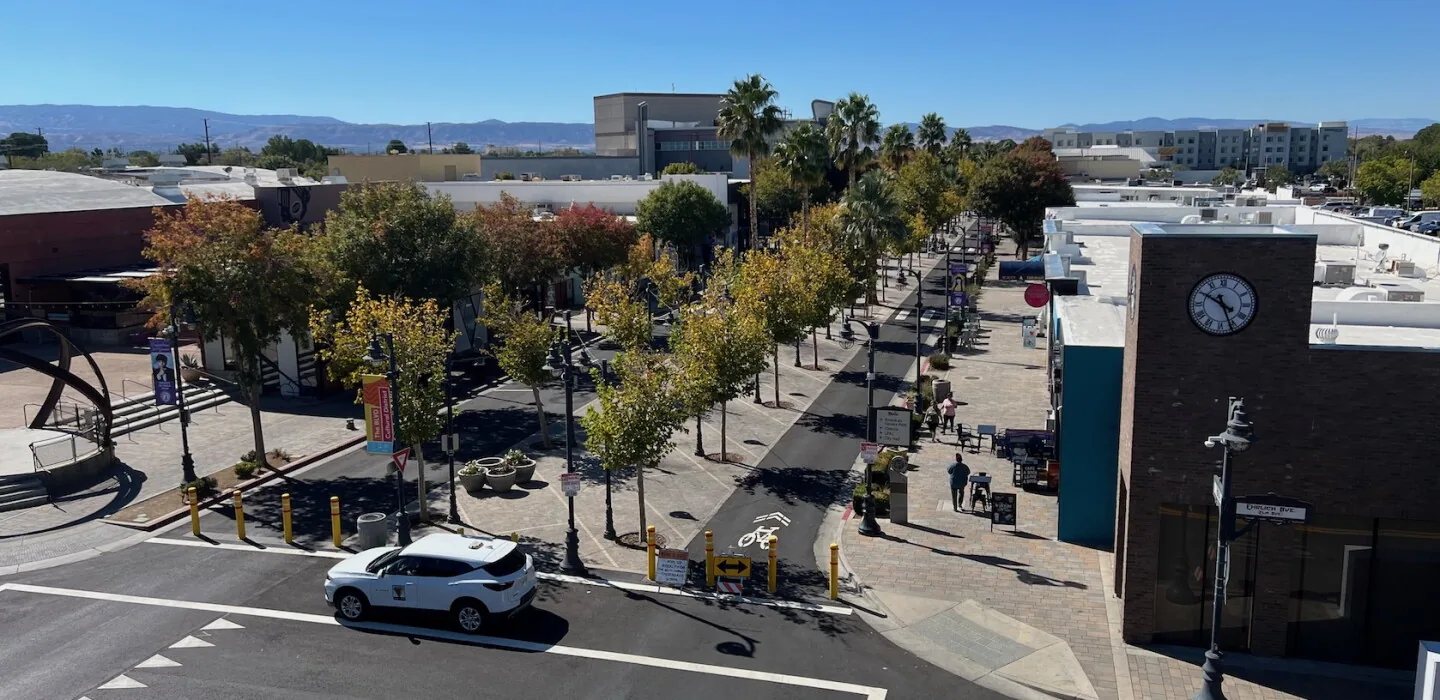
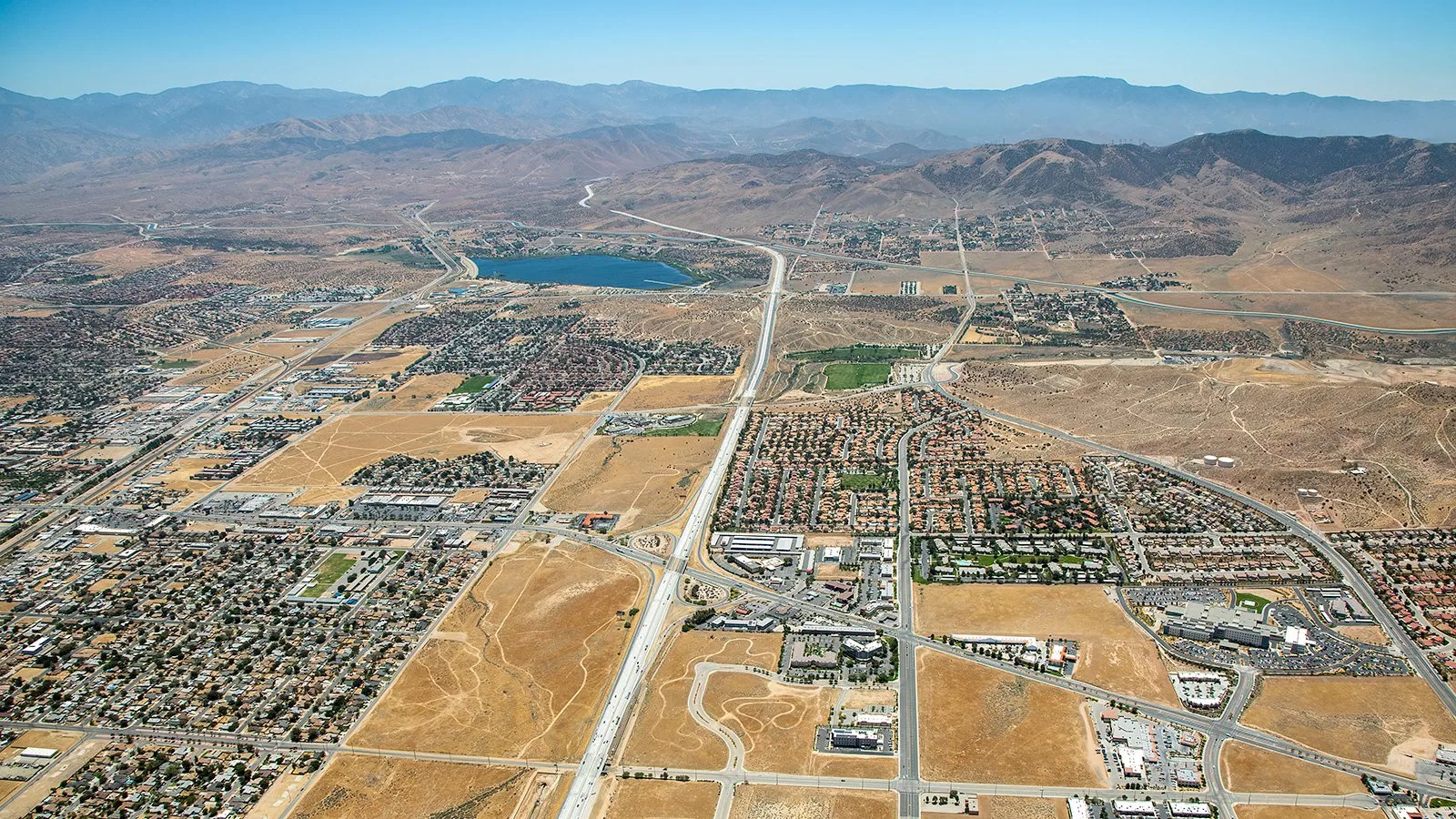
Lancaster's city inventory places the Fox Field Industrial Corridor west of State Route 14 along Avenue H and classifies it as medium/light industrial. The Lancaster Business Park is another planned commercial and employment area. These districts provide local context; the dealership's own roof map and operating pattern control the inspection plan.
Separate the Roof Zone from the Interior Symptom
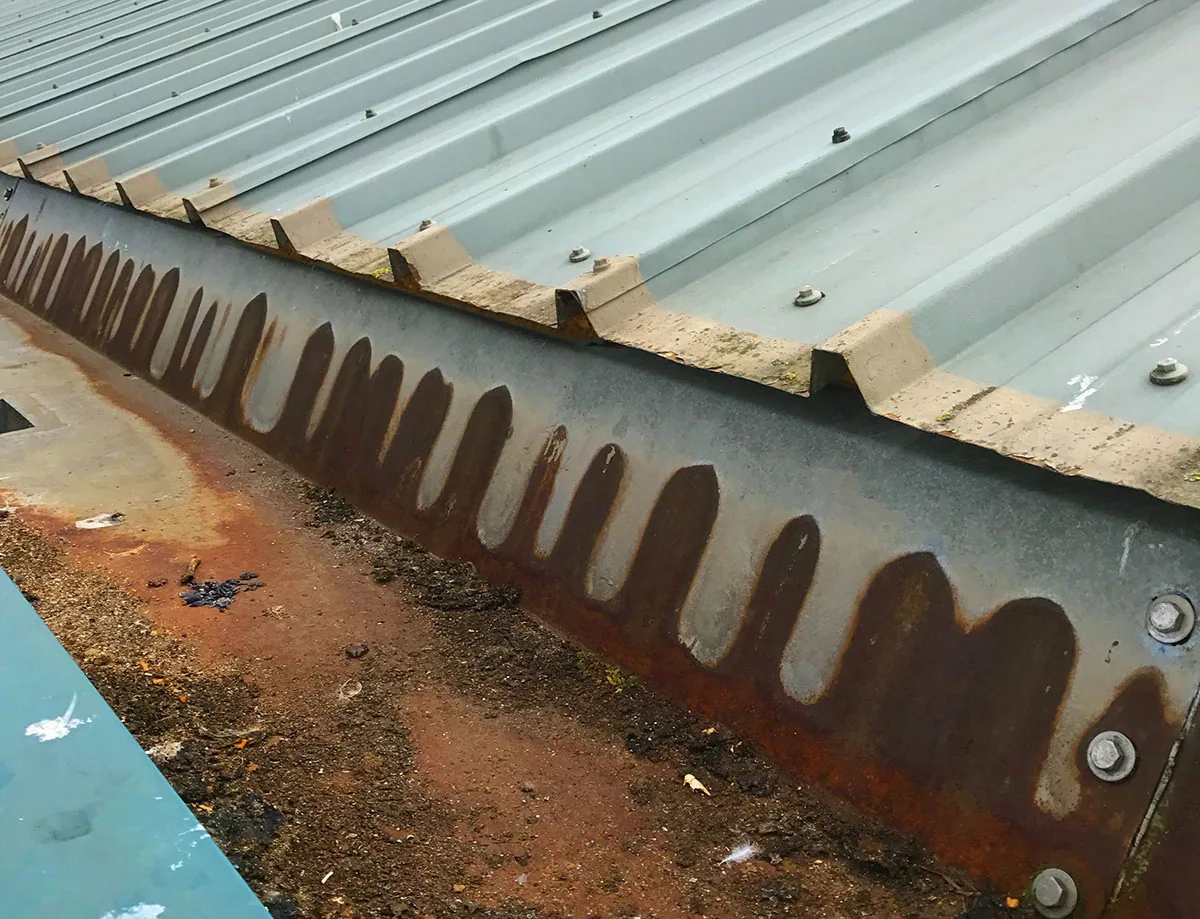
Water above a service lift or showroom ceiling may have traveled from a seam, curb, edge, or drain. We begin with the affected bay, inventory area, or customer space and compare the report with the roof layout. The inspection checks membrane laps, flashing, equipment supports, skylight details, and the drainage path. If surface observations do not establish the source, selected test openings can confirm the insulation and deck condition at specific points.
The condition record lists the roof section, observations, photographs, and areas that were not accessed or tested. The service manager can use that record to plan vehicle movement and coordinate a later visit. A commercial roof inspection can establish the wider baseline; roof repair can address a confirmed defect. The scope should state whether vehicle or equipment relocation is needed before work begins.
Check Equipment, Exhaust, and Canopy Connections
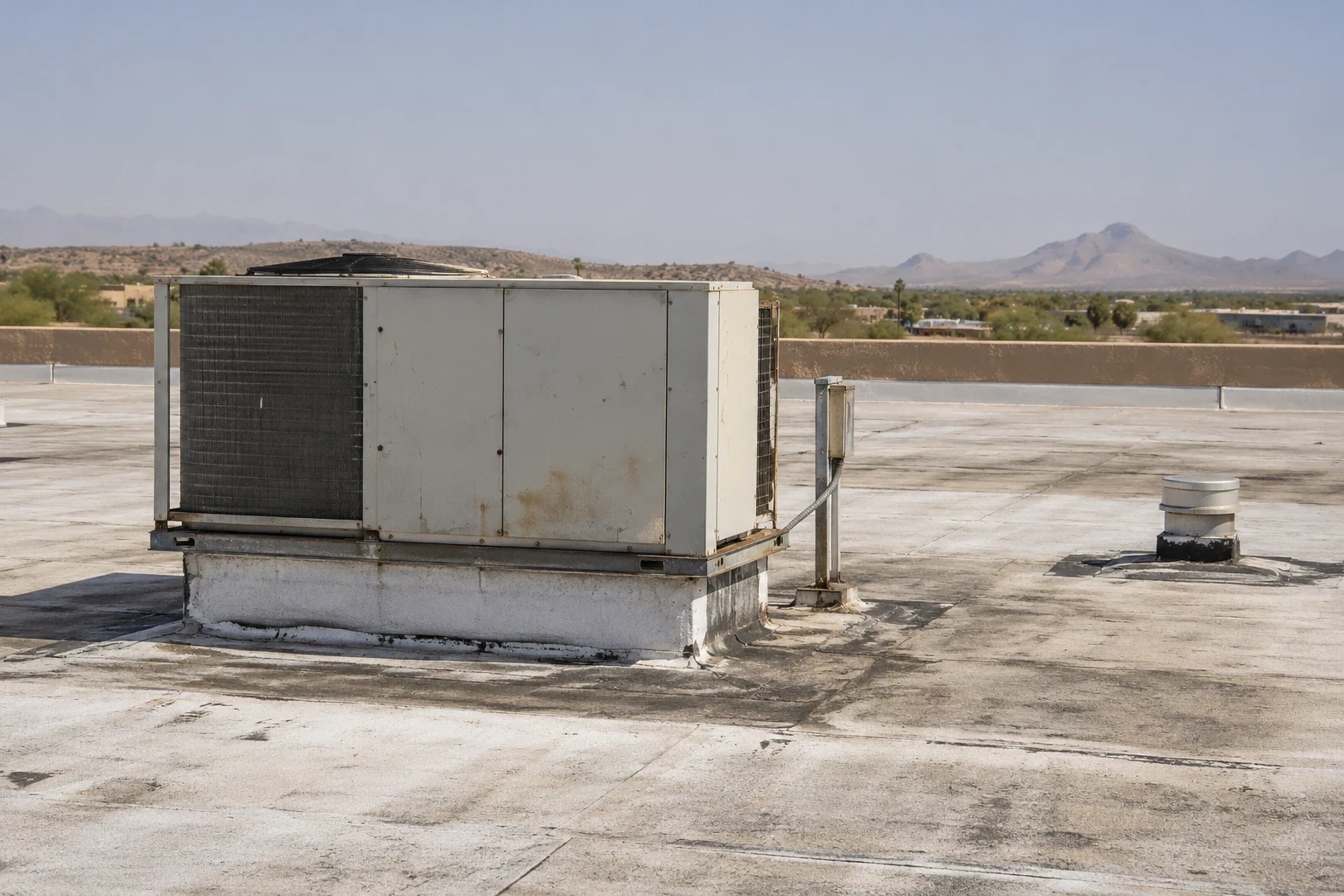
Dealership roofs may carry HVAC equipment, exhaust serving service operations, and conduits added during renovation. A unit replacement can change curb dimensions, while routine mechanical service can leave a fastener, boot, or flashing edge disturbed. We inspect the connection between equipment and membrane and note where another contractor needs to coordinate restoration. If a low canopy or covered service area joins the main structure, its attachment and runoff path need separate review.
Where showroom or service-bay lighting uses roof penetrations, the flashing condition should be checked around each opening rather than inferred from a nearby patch. We record visible separation, movement, and any surface damage from foot traffic. If equipment will be moved as part of the project, the scope names the party responsible for temporary protection and final roof closure so an unfinished opening is not left between trades.
Protect Customers, Staff, and Vehicles
Work planning should start with how the site operates. We agree on lift placement, material delivery, service-lane clearance, and any customer entrance or vehicle row that may need a temporary barrier. If a test opening is planned above an occupied space, the manager can arrange protection and access. For repairs over inventory or a service bay, the schedule should give staff time to move vehicles or equipment before materials arrive.
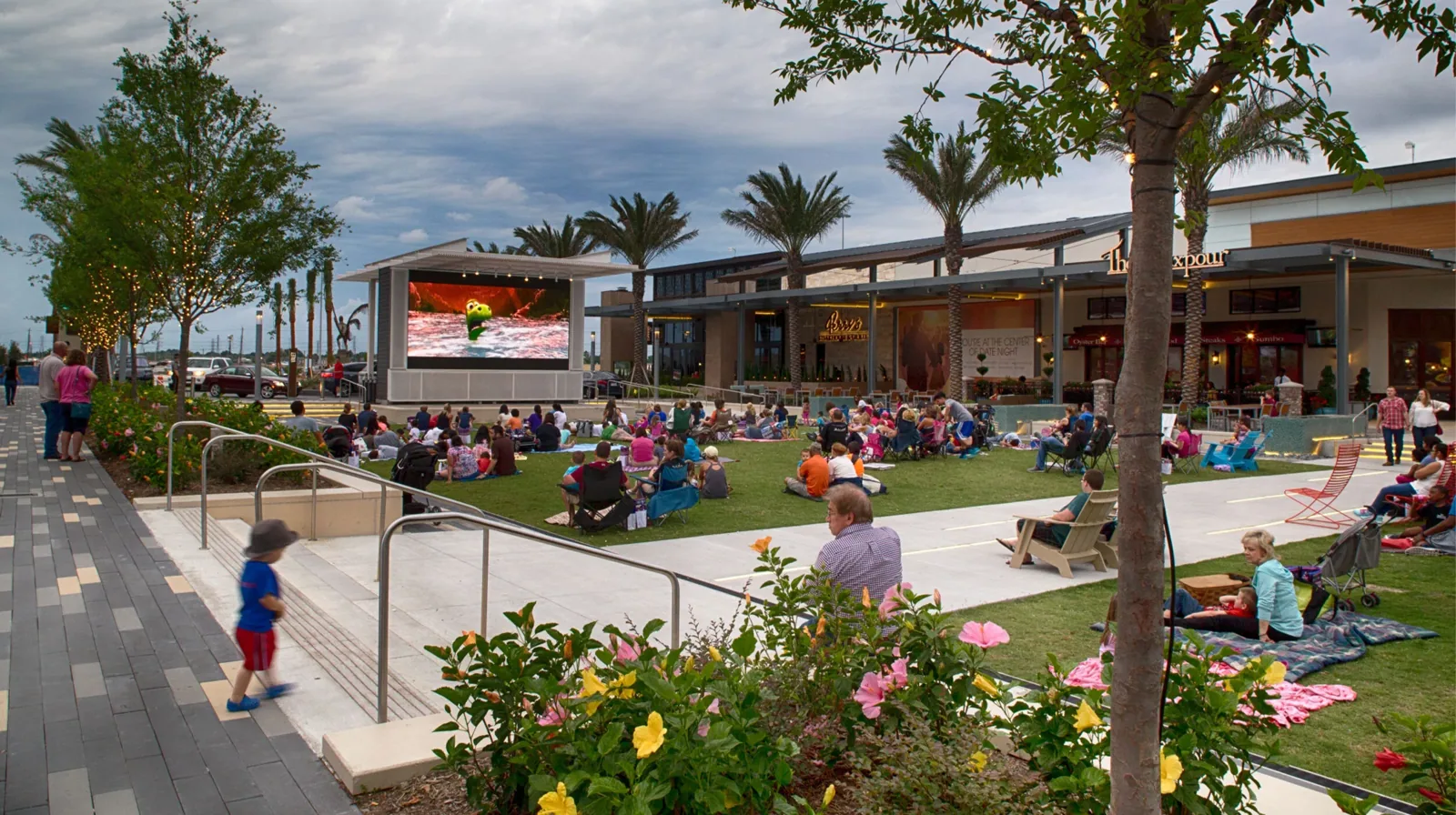
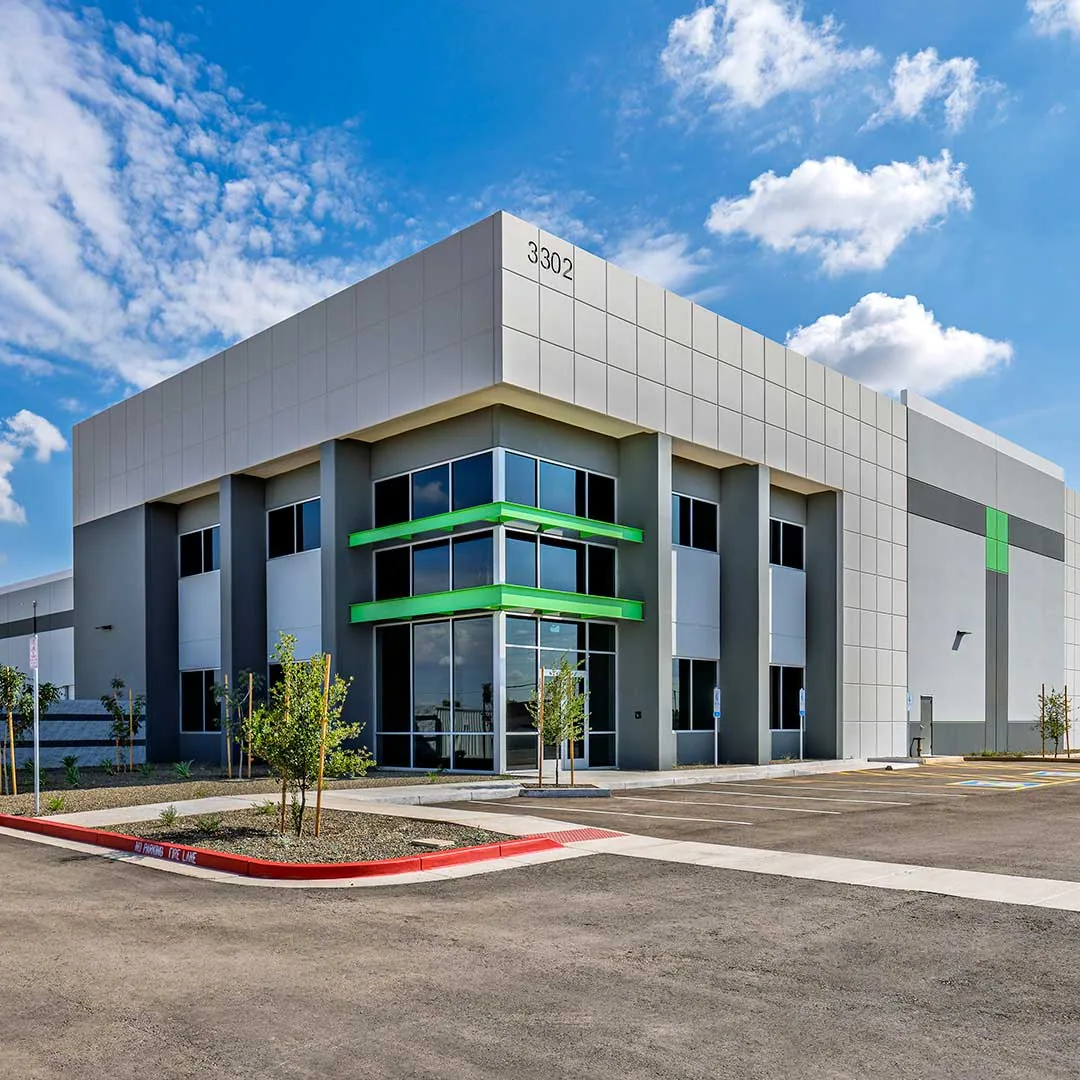
A dealership with adjacent retail or parts operations may share parking and service access with other properties. A shopping-center repair plan can coordinate common access, while the dealership scope separates customer areas from vehicle service. Larger distribution or parts facilities may also resemble a warehouse roof in size, but their roof use, daylighting, and equipment pattern may differ. Work limits should fit the actual building. A temporary water plan should identify who checks the interior during active work, where protective coverings are staged, and how staff will report new moisture. If conditions change, the site contact should know whether the crew can return or whether the roof opening has already been closed safely.
Trace Runoff at the Main Roof and Canopy
A backed-up drain can wet insulation or send runoff toward a wall, but a nearby ceiling mark may also come from a failed flashing detail. We inspect strainers, drain bowls, scuppers, overflow routes, edge metal, and the roof slope around the reported area. The report identifies where water should travel and whether a canopy or lower roof receives discharge from a higher section. A localized outlet problem should not be used to explain an unrelated membrane failure.
At Lancaster's William J. Fox Field station, normal annual precipitation is 6.81 inches, with most rainfall in the November-to-March season. A short winter event can still test drainage around a long roof edge. Drain and scupper work can correct a verified outlet defect. The closeout records which path was cleared and whether monitoring after rain would help confirm that runoff reaches the intended outlet.
Compare the Repair with a Capital Scope
A repair may be appropriate when the failed seam, curb, or edge is isolated and surrounding materials remain sound. If testing confirms wet insulation across several bays, the work boundary should expand to dry, attached material. A recover requires a review of attachment and layer compatibility; replacement may be more appropriate when repeated leaks, deck concerns, or widespread deterioration cross the roof. We map the findings before comparing the options and state any assumptions that need confirmation during construction.
Dealership operations may favor staging by showroom, service, or parts zones so a repair does not close the entire building. A replacement evaluation can outline a phased scope; maintenance visits can revisit equipment curbs, drains, and canopy transitions between projects. The proposal identifies protection, access, and any areas excluded from the work so the operator can coordinate the schedule.
Keep the Service and Roof Histories Connected
After work, the facility record should show roof-zone photos, installed materials, drainage conditions, and the repair boundary. Linking that record to the service-bay, inventory, or showroom area helps staff understand which operations might be affected if a future leak appears. We also note equipment changes and roof routes that other contractors should use. A clear handoff reduces the chance of repeating a test or reopening a repaired detail without new evidence.
Routine reviews can confirm that drains remain open, canopy transitions stay intact, and equipment work has not disturbed flashing. If a later report follows heavy rain, the manager can compare the date and affected interior space with earlier roof photos. Send the current roof plan, repair history, and equipment notes when leakage recurs or spreads. An assessment can then separate a new failure from a condition already documented on another part of the building.
Commercial Roofing Questions
Can a dealership stay open during roof repairs?
Often, work can proceed with planned barriers, clear vehicle routes, and a defined area for staging. The manager and roofing crew should agree on which bays or customer paths will be temporarily affected.
Will a showroom stain identify the roof opening?
It locates where water became visible, but water may travel along the deck or framing from another roof detail. Inspection and selected testing can narrow the path.
Should vehicles be moved before the roofer arrives?
If the repair or lift path crosses vehicle inventory or a service lane, the site contact should clear the identified work zone. The inspection and schedule note those boundaries ahead of mobilization.
Do service-bay exhaust units require special roof inspection?
Each curb and penetration should be checked for flashing continuity, movement, and damage from equipment service. The roof detail also needs coordination if another trade will remove or replace the unit.
When should a dealership consider replacement?
Replacement merits review when testing, repair history, and substrate findings show failure across multiple areas. A mapped assessment can compare that broader scope with localized repairs that remain technically sound.