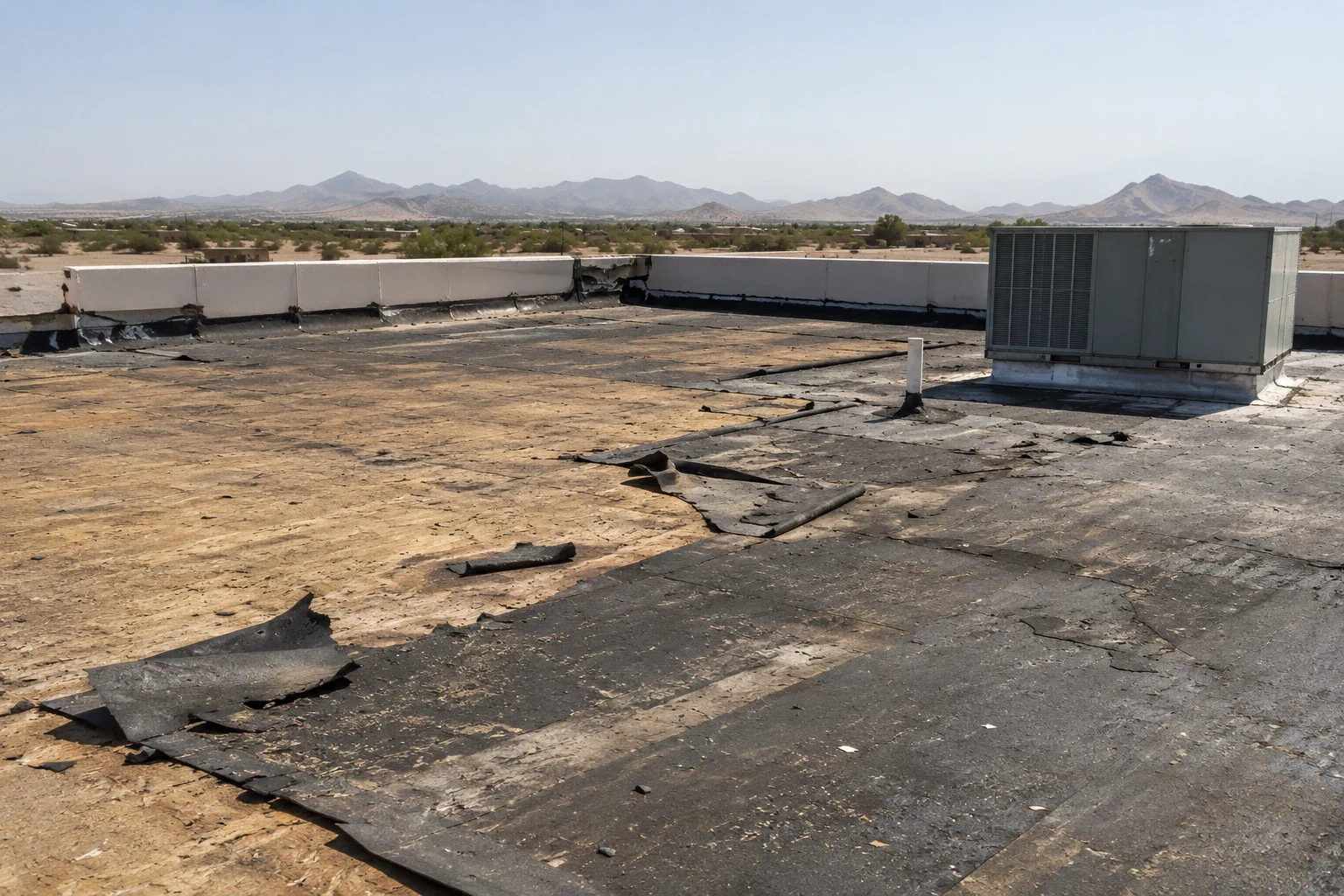
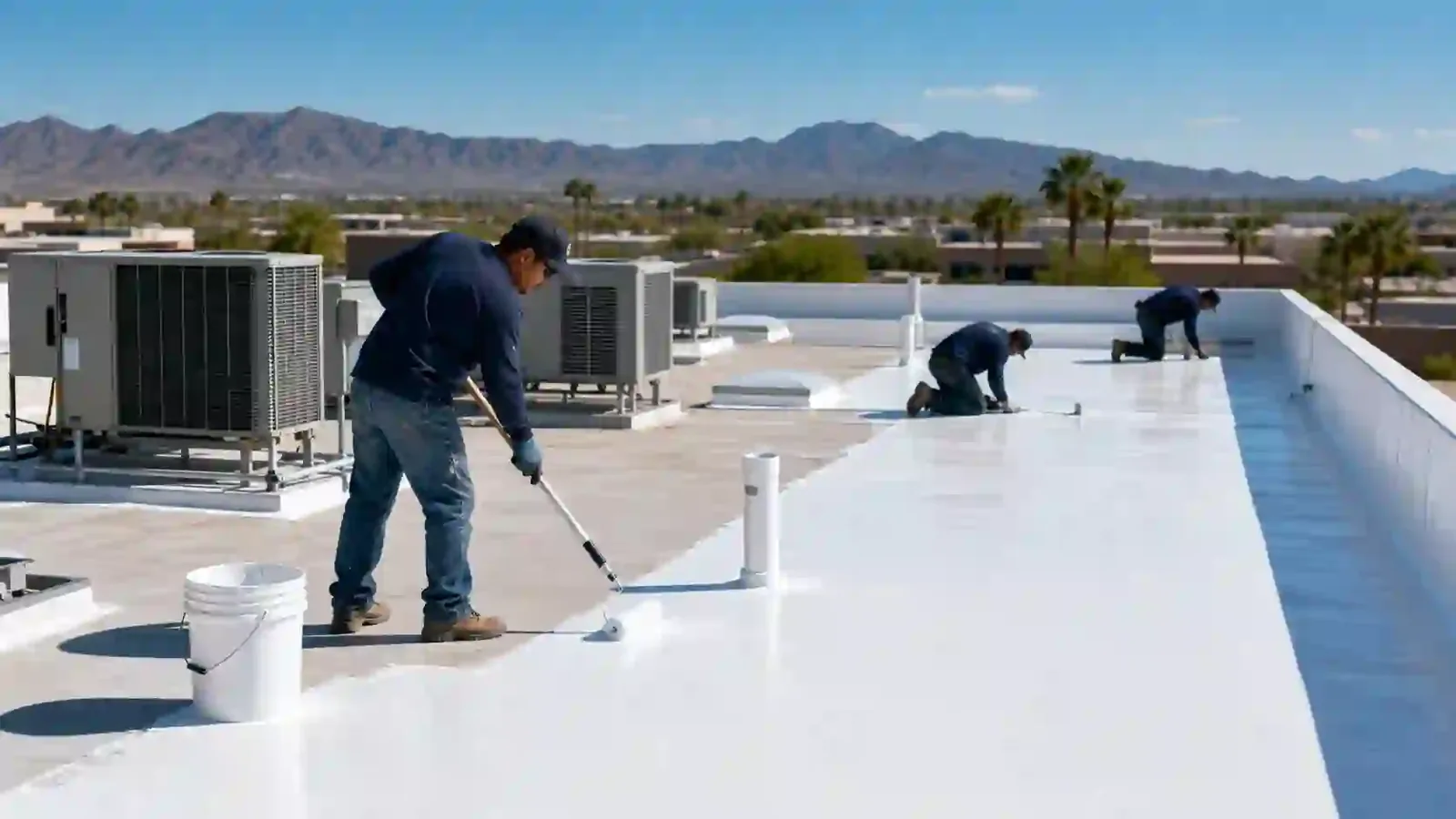
After a fire, the roof may have heat exposure, impact damage, openings from suppression work, or debris from adjoining equipment. The first roofing decision is to secure the building and identify which roof areas remain safe to inspect. We document visible conditions and separate roof repairs from structural, electrical, and interior restoration work. The owner can then coordinate a scope that protects the building without treating every roof section as equally affected.

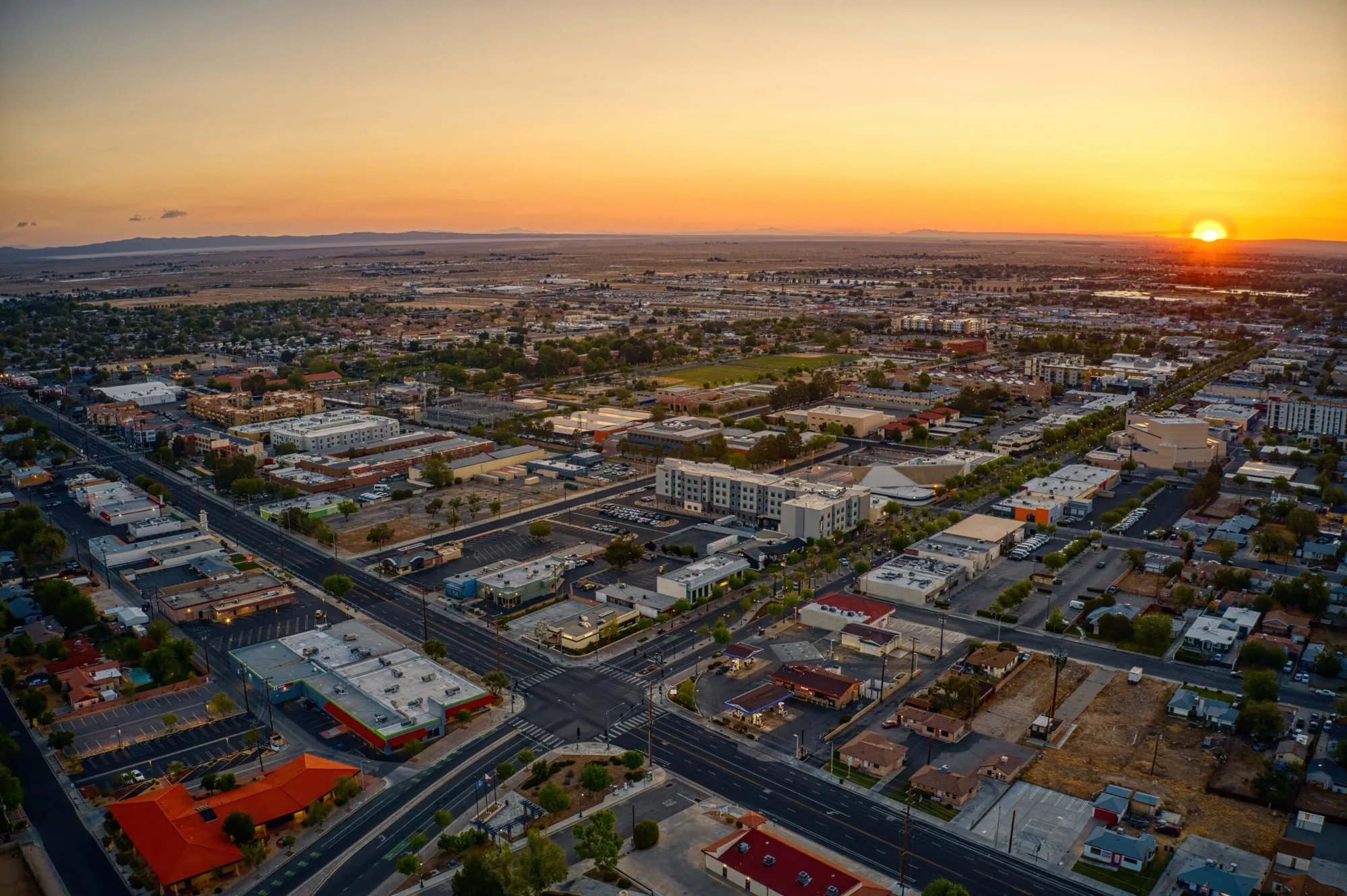
Lancaster's planning areas include industrial uses at North Lancaster and Fox Field, as well as business park properties with office, light industrial, and retail activity. Those buildings can have different roof assemblies, rooftop equipment, and access constraints. A North Lancaster industrial building may contain process exhaust or storage below; a Lancaster Business Park property may have tenants or shared access. Inspect each roof area separately.
Confirm Access Before Inspecting
Fire response can weaken deck, framing, parapets, and rooftop supports. Do not enter an area until the owner or qualified site lead confirms that access is allowed. Coordinate with structural, fire, electrical, and environmental professionals when the condition calls for their review. The roofing inspection should stay within the access and safety boundaries established for the site.
Once access is approved, document the route, damaged zones, and any roof opening created during suppression or debris removal. Photograph the condition before cleaning or temporary covering when safe. Identify areas that remain inaccessible and keep them as unresolved items. A roof scope should not imply that a concealed or unsafe section was inspected. Clear records help the owner coordinate the roof contractor with other recovery teams and avoid duplicated or conflicting work.
Separate Heat, Impact, and Water Conditions
Heat can blister or distort membrane, soften adhesives, damage flashings, and affect insulation or substrate beneath the visible surface. Firefighting activity may add punctures, cuts, or displaced equipment. Water used for suppression can enter through openings or travel into the assembly. We map these conditions separately and note which observations are direct, which areas need testing, and what requires another trade to evaluate.
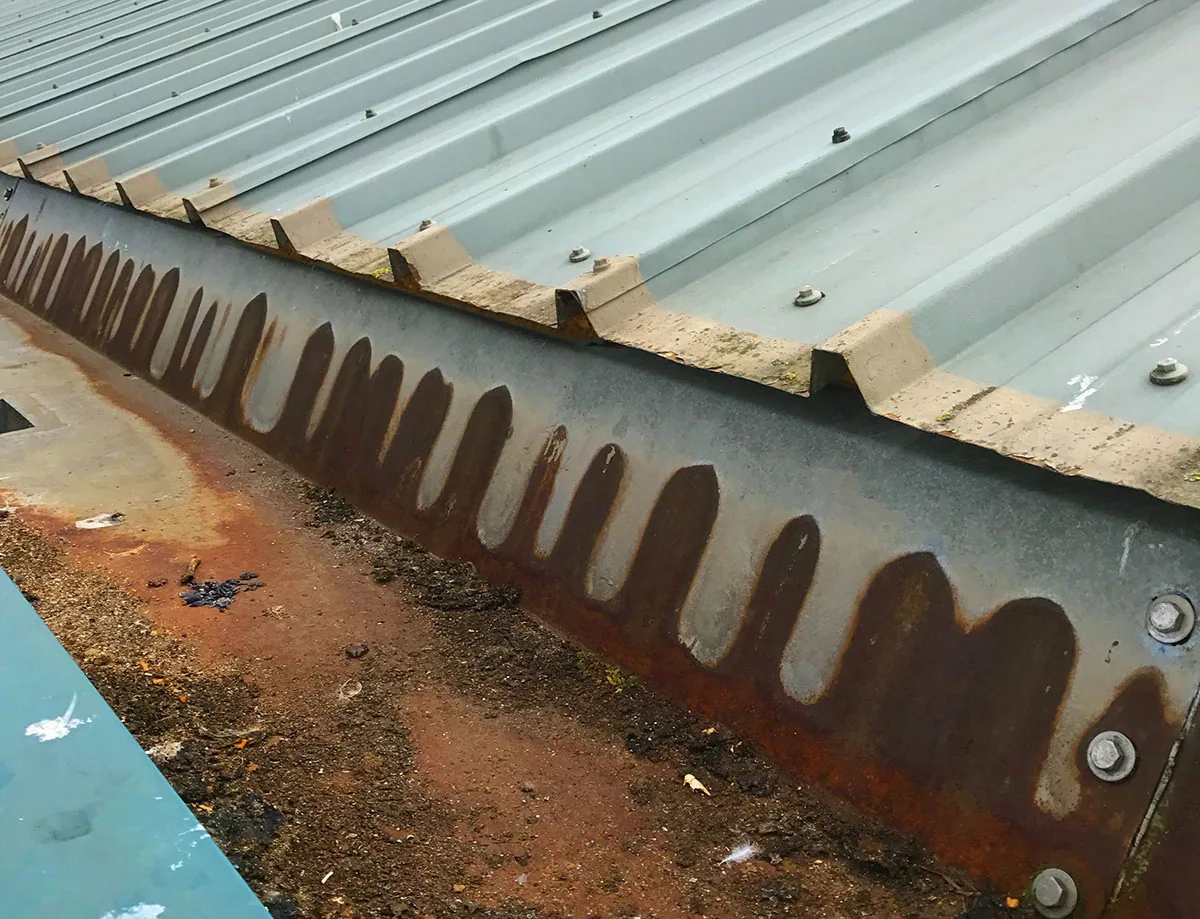
A commercial roof inspection can document accessible roof sections and compare them with interior reports. Check seams, drains, edge metal, curbs, and prior repairs outside the visibly affected area, since water may travel away from its entry point. Do not assume discoloration alone establishes membrane failure or that intact surface material means the insulation below is unaffected. The record should show where testing occurred and what remained untested.
Define Temporary Protection and Permanent Work
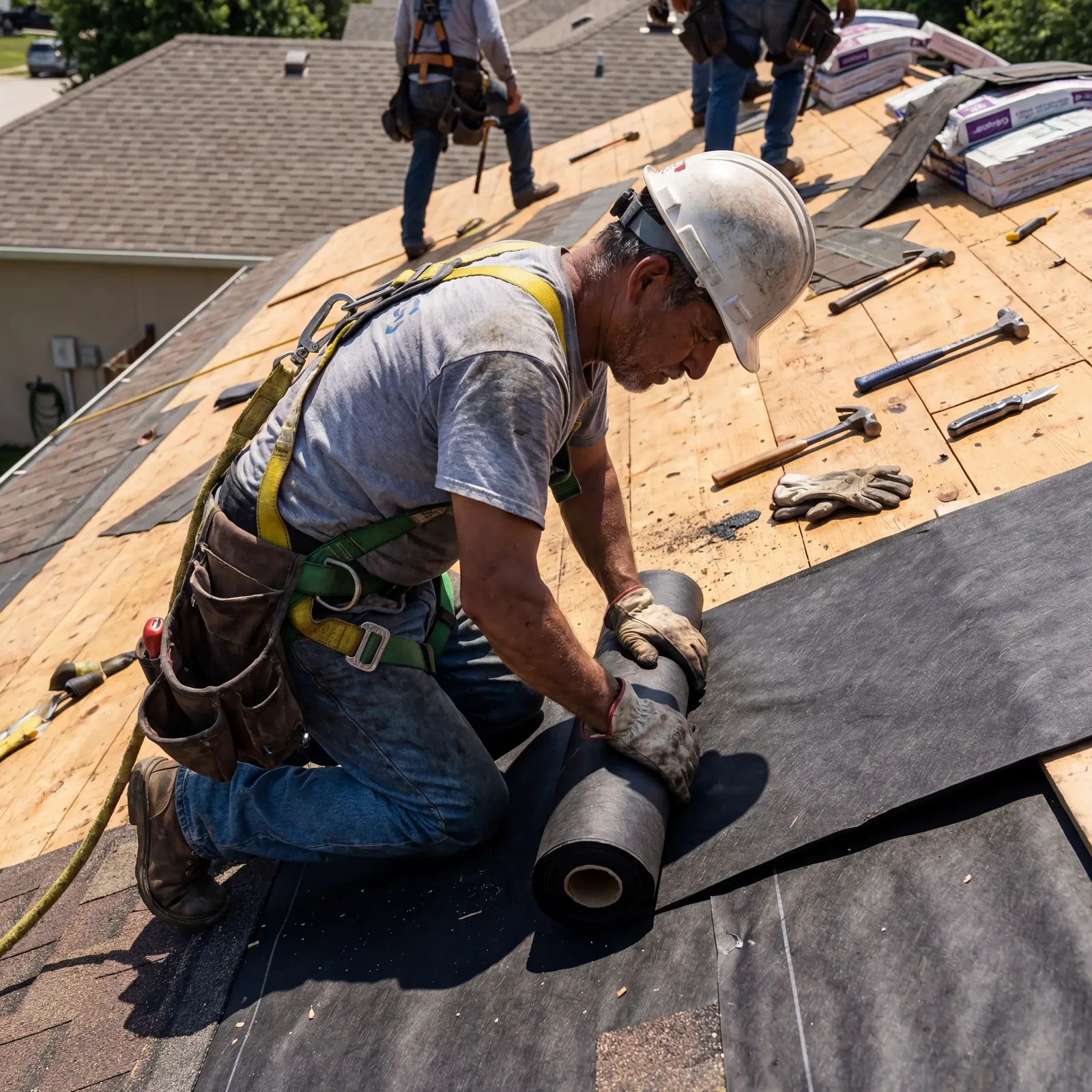
Temporary dry-in may be needed before a full roof scope is known. Identify what is covered, how it is attached, how water will drain, and when the protection will be checked. Permanent work may involve replacing membrane, insulation, flashing, or deck, depending on inspection and testing. The estimate should distinguish known quantities from concealed conditions that could change after material is removed.
Before selecting permanent material, establish whether the surface is merely discolored or has changed shape, lost adhesion, or become brittle. Check the underside and insulation when access is authorized. A roof can have separate heat, impact, and water conditions across adjacent bays, so identify each in the scope. If debris or suppression equipment has moved across the surface, document marks and damage separately from the burn area. These distinctions support a more precise removal boundary and help avoid replacing unaffected sections without evidence.
An emergency roof response can reduce exposure where the building is safe to access. A targeted repair may suit limited damage when adjoining material remains serviceable. If heat or water affected multiple roof zones, replacement planning can compare a larger restoration with localized work. Keep structural repairs and hazardous-material work under the professionals qualified to address those conditions.
Sequence Roofing with Recovery Trades
Recovery can involve debris removal, structural shoring, electrical isolation, equipment replacement, and interior drying. Set the sequence with the property lead so roofing work does not close a roof opening before required inspections or equipment removal. Identify who authorizes access, who controls the work area, and who records each concealed condition. A change in scope should be documented before the crew moves beyond the approved repair limit.
For an occupied or partially reopened property, identify protected routes, emergency access, staging, and any area that must remain isolated. Lancaster's business parks include mixed uses, so a building may share a driveway or service yard with other tenants. A property management process can coordinate access responsibility, while a manufacturing facility plan may need additional equipment and process coordination. Keep the site contact informed when conditions change. A seam inspection can check membrane laps after safe access returns, while a flashing review may be needed where heat or suppression activity affected a curb or wall transition.
Preserve the Roof and Recovery Record
Record the roof condition before temporary work, each repair area, materials installed, and the limits of inspection. Keep photos, daily notes, and change approvals tied to the roof plan. If the roof was exposed during debris removal or equipment work, note the timing and which contractor performed the task. This helps distinguish the original fire-related observation from later recovery activity.
Owners may need to share roof findings with insurers, consultants, or other reviewers. A roofing report can describe visible conditions, testing, and work completed, but it does not decide policy coverage or establish structural safety. Keep those decisions with the appropriate professionals. After permanent work, update the maintenance record and identify any section that needs a later check after the building returns to normal operation. Keep temporary roof protection in the same file as its installation photos and inspection notes. If a different contractor opens or closes the assembly during restoration, note the date and affected area. That history helps later reviewers understand whether a new stain relates to the original fire, suppression water, or a subsequent construction activity.
Questions After Fire Damage
Roof conditions after a fire can change as recovery work exposes more of the assembly. These answers explain what a roofing contractor can assess and how to keep the repair scope clear.
Commercial Roofing Questions
Can a roofer inspect the roof immediately after a fire?
Only when the owner or qualified site lead confirms safe access. Heat, unstable deck, damaged supports, electrical hazards, or other site conditions may require clearance before the roofing crew enters.
Does visible scorching mean the roof needs full replacement?
Not by itself. Inspect and test the affected areas, compare adjacent roof sections, and consider substrate condition. A broader scope should follow evidence of damage across the assembly.
Can suppression water damage areas away from the fire?
Yes. Water may move through openings, seams, or roof layers before reaching an interior finish. Map the route and test where needed rather than assuming the nearest visible mark defines the wet boundary.
Should temporary protection be installed before the claim review?
The owner should address active exposure and follow its claim process. Document the condition and temporary work when safe, then preserve a clear record of what the protection covered.
Who handles damaged rooftop equipment?
Coordinate with the responsible mechanical or electrical contractor. The roofing scope should identify which curb or flashing work is included and when equipment can be safely removed or returned.
What should the closeout include?
Keep pre-work and finished photos, roof-zone references, materials, test results, limits, change approvals, and any inaccessible area. Note work completed by other recovery trades when it affects the roof history.